
Original Figurative Canvas
An original figurative canvas brings human narrative and presence into a room, capturing a specific moment through pigment and primed cloth.
Original Figurative Canvas
An original figurative canvas represents a painted depiction of people, ranging from formal portraiture to genre scenes of daily life, executed on woven textile support. Buyers seeking this phrase encounter works stretching from nineteenth-century realism and Victorian sentiment through to mid-century British and European expressionism.
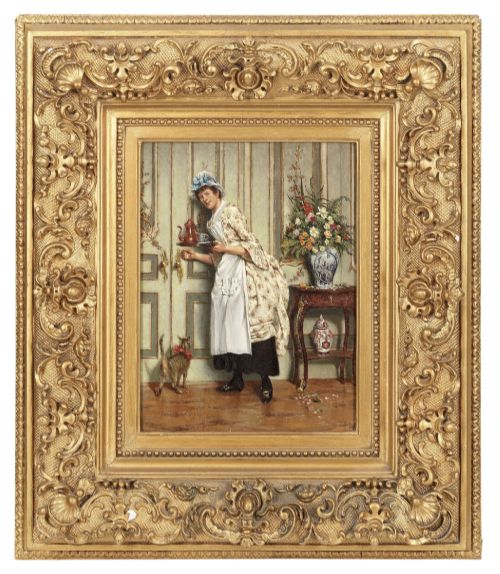
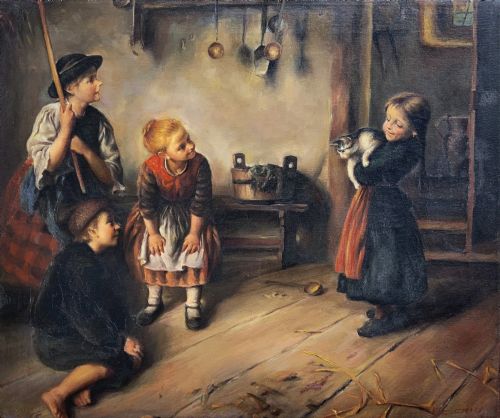
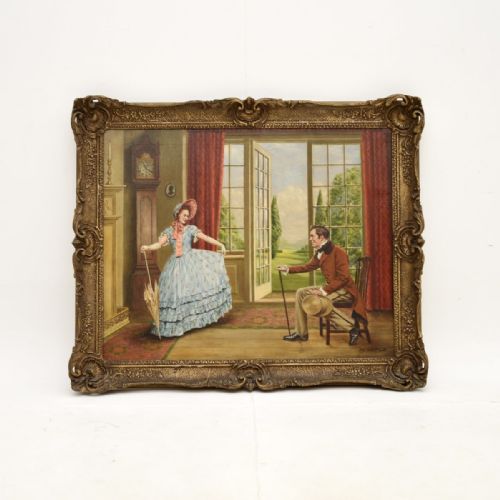
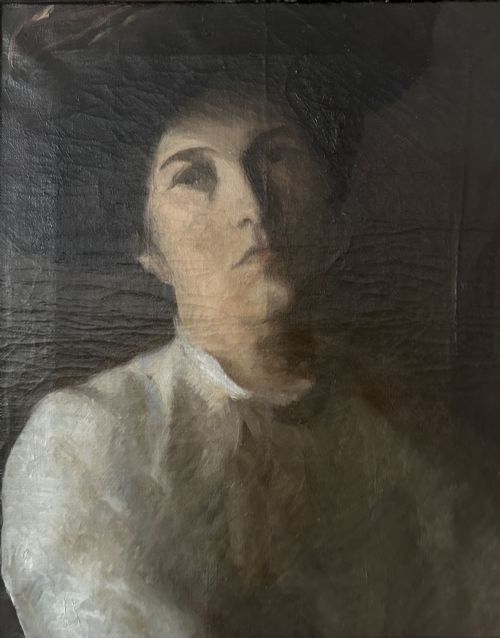
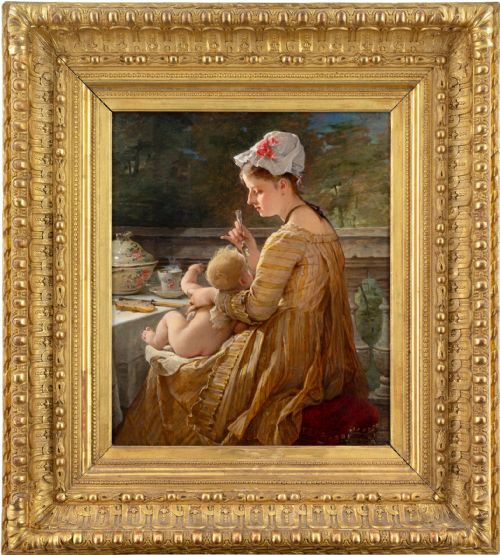
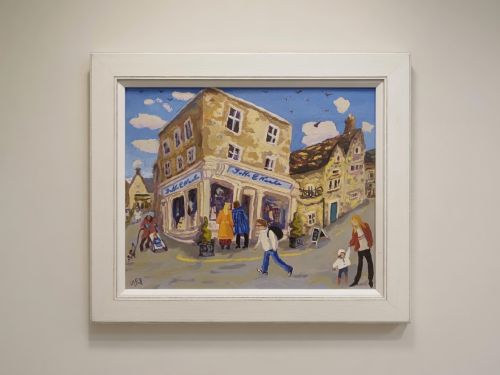
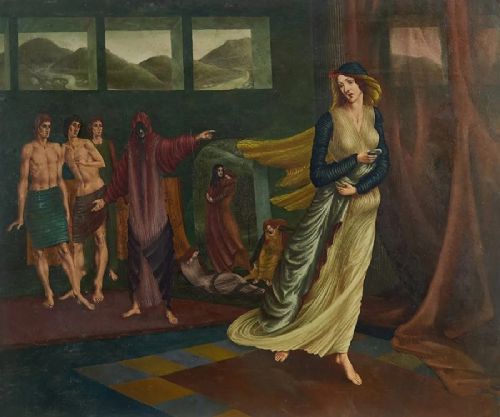
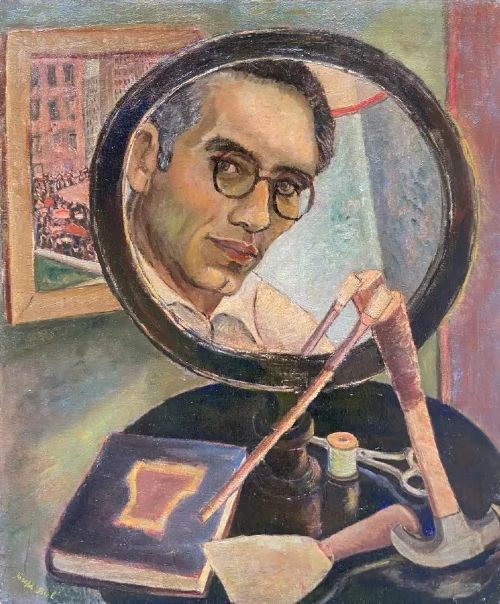
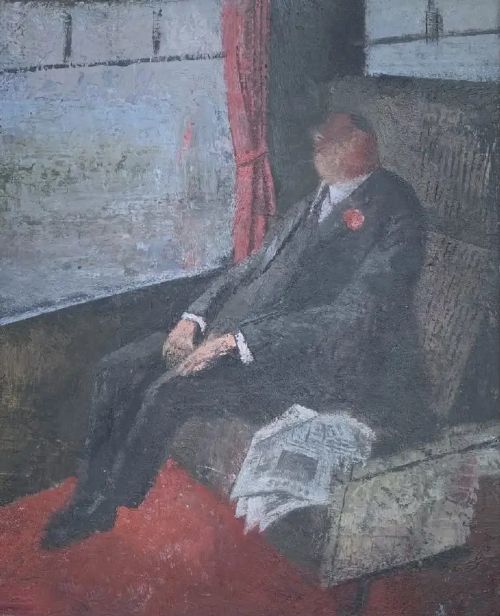
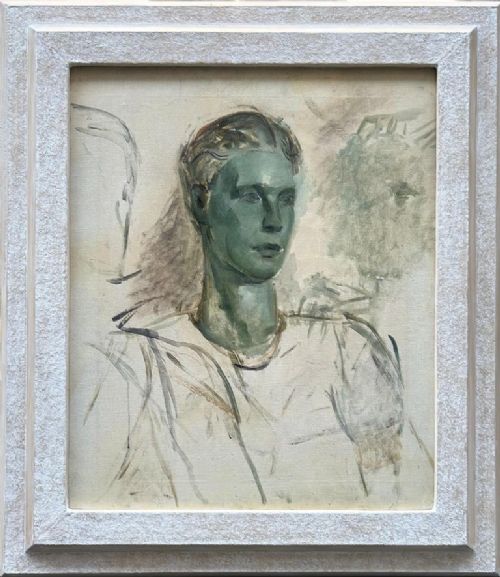
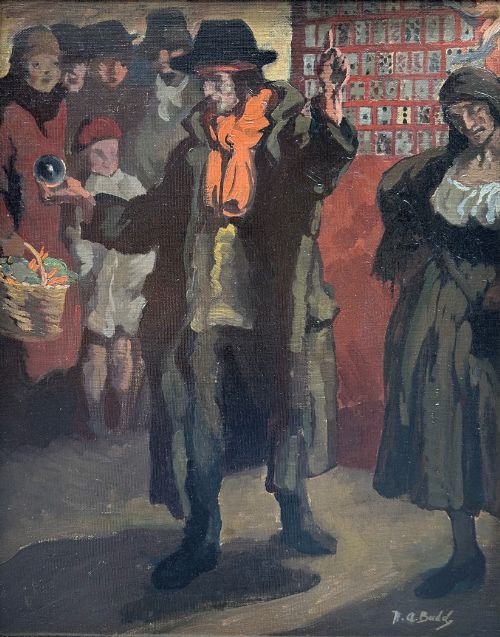
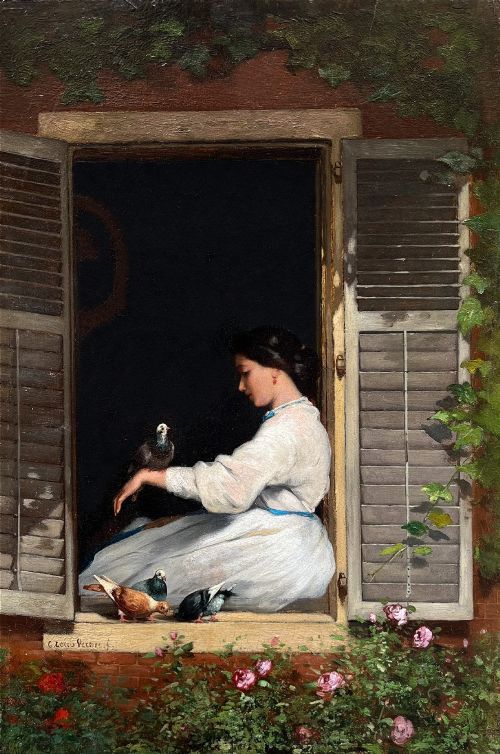
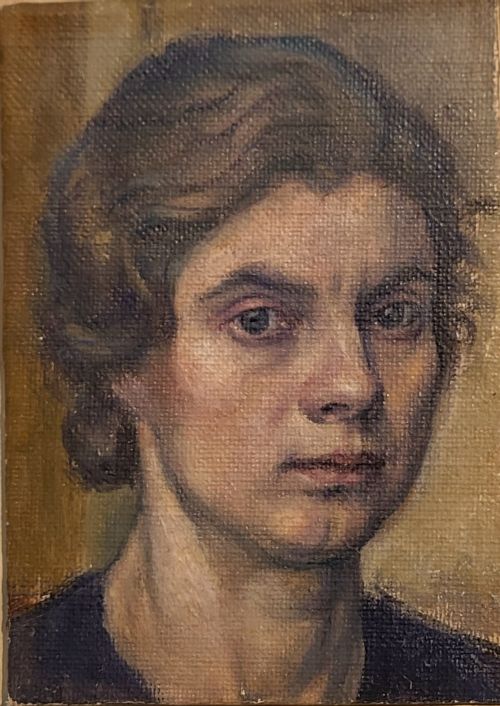
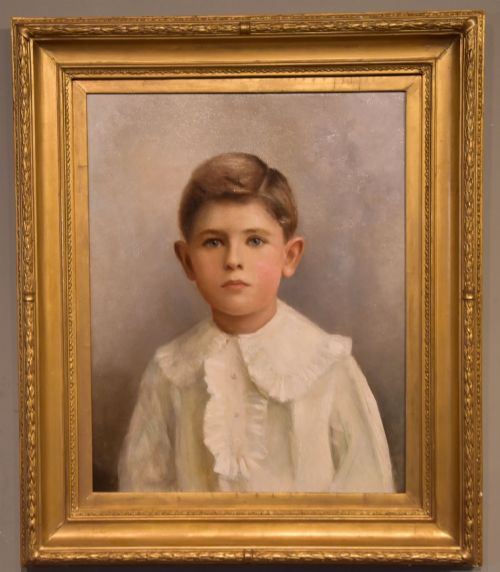
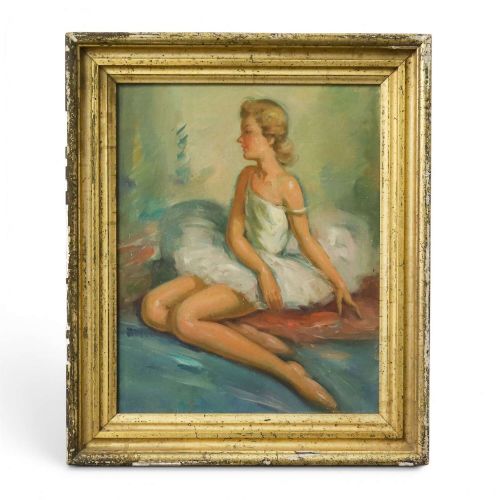
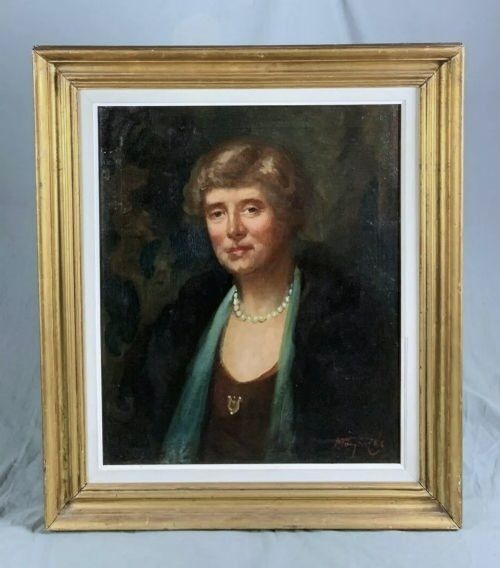
The selections on this page span diverse stylistic movements, including Impressionist, Modern British, and Edwardian approaches. Subjects encompass country house interiors, intimate self-portraits, children at play, and outdoor gatherings.
Originating across Britain, France, Italy, and Belgium, these paintings record historical human experiences through oil paint. The forms vary from small cabinet portraits to substantial framed wall art designed to anchor a principal room.
Materials and Techniques
Painters applied oil paint directly onto stretched canvas, utilising the textile grain to hold rich layers of pigment and medium. This combination allowed artists to build deep colour saturation and subtle tonal gradations over weeks or months of drying.
Many works retain their original timber surrounds, frequently enhanced with gesso moulding and gilt decoration. The combination of oil, canvas, and carved wood creates a cohesive object where the frame acts as an architectural boundary for the scene.
Several canvases capture domestic animals sharing the scene, including a watchful pony in the stableyard and an archbishop pondering geese.
Evaluating Quality and Execution
The distinction between ordinary and exceptional works rests on the artist's command of light, shadow, and psychological depth within the human subject. Superior examples capture gesture and expression with fluid brushwork rather than rigid adherence to outline.
Condition and originality dictate the standing of a piece within its period. Works retaining their primary stretchers, stable paint layers, and period-appropriate gilt frames hold greater integrity than those subjected to heavy restoration or inappropriate re-framing.
Stephen Samuel Lewin·Alfred Lyndon Grace·Adelaïde Salles-Wagner·Lucy Pratt·Joseph Biel·Herbert Ashwin Budd·Louis Charles Verwee·Henry Windsor Fry·Charles James McCall·Umberto Volpato·Renato Moretti·Philip Naviasky·William Watt Milne·Ronald Ossory Dunlop·Thomas Kent Pelham·Raymond Moritz·Henri Vincent-Anglade·Frans Gailliard·Harry Freckleton·Attilio Toro·Gabriel Dauchot·Gertrude Halsband·Septimus Scott·John Sanderson Wells·C.S. Lidderdale
The Original Figurative Canvas Glossary
- Canvas
- A heavy woven fabric, usually linen or cotton, stretched tightly across a wooden frame to serve as the foundational support for oil painting.
- Gesso
- A traditional white paint mixture consisting of a binder mixed with chalk, gypsum, or pigment, applied to wooden frames to create a smooth surface for gilding.
- Genre Painting
- A style of art depicting scenes from everyday life, typically involving ordinary people engaged in common activities or social gatherings.
- Impressionism
- A nineteenth-century movement characterised by relatively small, thin yet visible brush strokes and an emphasis on accurate depiction of light in its changing qualities.
- Stretcher
- The internal wooden framework that holds a painted canvas taut, allowing the textile to maintain proper tension over decades.
Original Figurative Canvas: Frequently Asked Questions
How were these paintings displayed originally?
Period paintings were hung in domestic interiors, country houses, and formal galleries within protective wooden frames. The frame isolated the painted world from the surrounding wall and interior decoration.
Many retain their original giltwood or gesso surrounds, which were selected to complement the tonal palette of the artwork. Proper hanging kept the canvas away from direct heat sources and excessive moisture.
How do I care for an antique canvas?
Maintaining an oil painting on canvas requires stable indoor humidity and avoidance of direct sunlight. Dust should be removed gently from the surface and frame using a soft, dry brush without applying pressure.
Avoid using liquid cleaners or chemical agents on either the painted surface or the gilt frame. Professional conservators should handle any structural repairs to the canvas or restoration of the paint layer.
How can I tell the period of a painting?
Dating relies on examining the costume, hairstyle, and setting depicted within the subject matter. Technical clues on the reverse, such as stretcher construction, canvas weave, and old labels, also provide chronological markers.
Stylistic movements like Victorian realism, Impressionism, or mid-century expressionism offer broad temporal boundaries. Comparing the brushwork and framing style to known examples helps narrow the date of creation.