



Original European Oil Painting
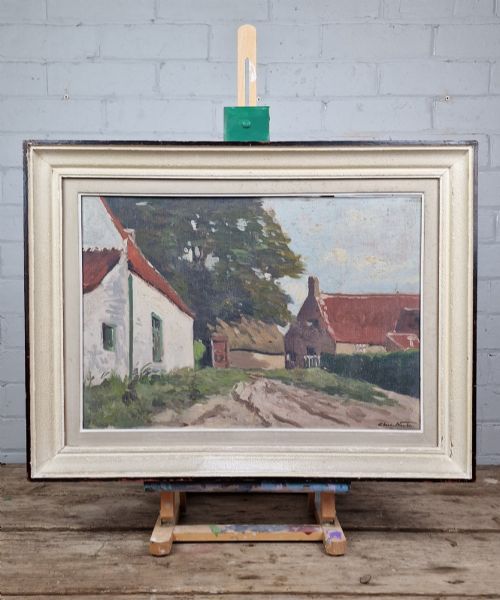
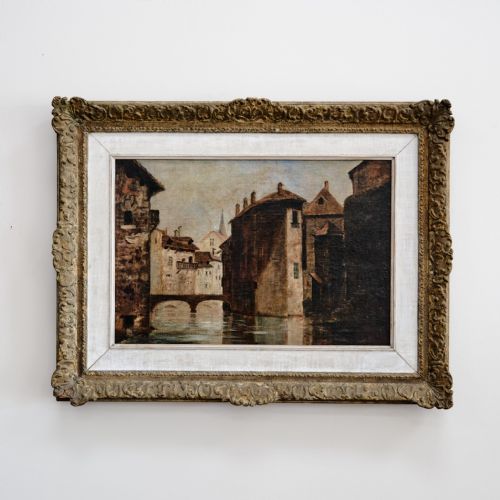
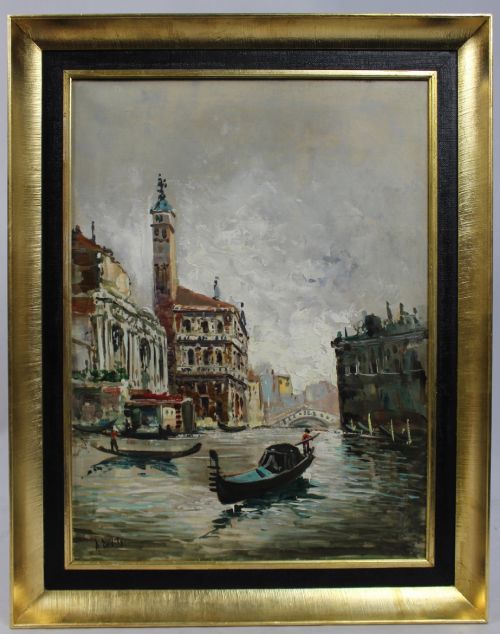
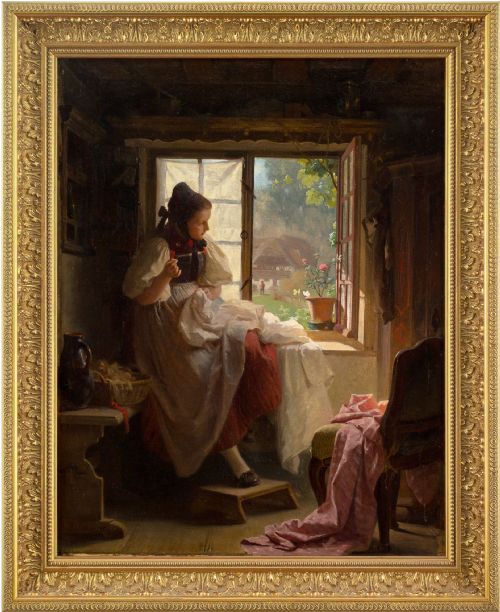
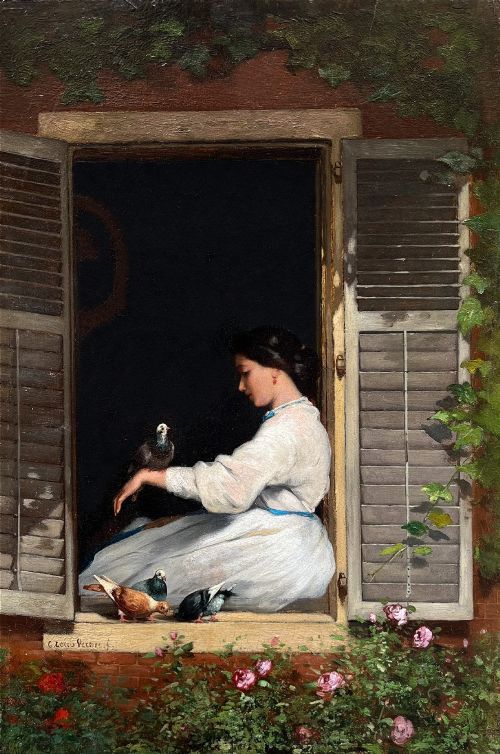
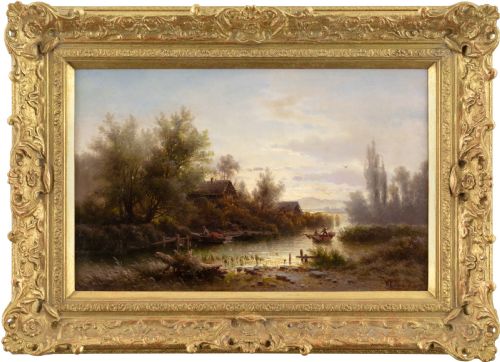
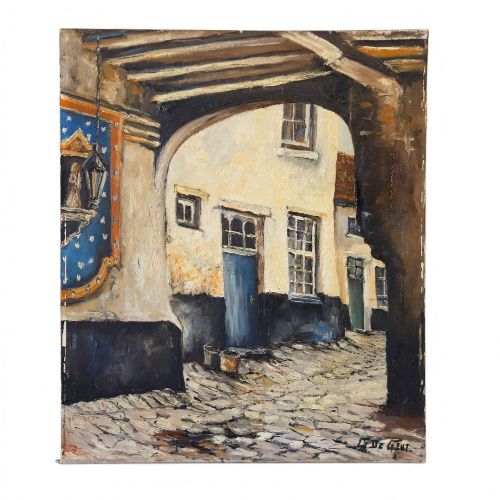
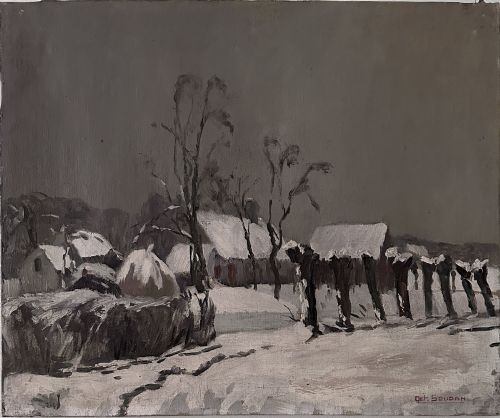
When you seek an original european oil painting, you find works spanning nineteenth-century realism to mid-century modernism, capturing landscapes, portraits, and street scenes.
Original European Oil Painting
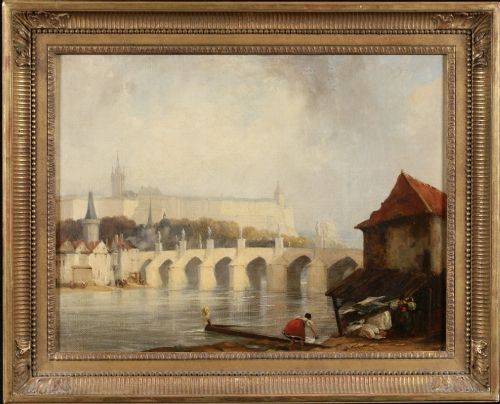
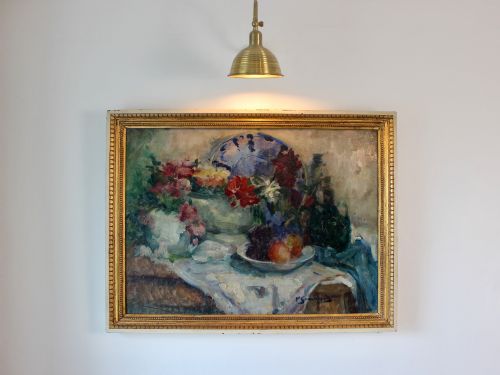
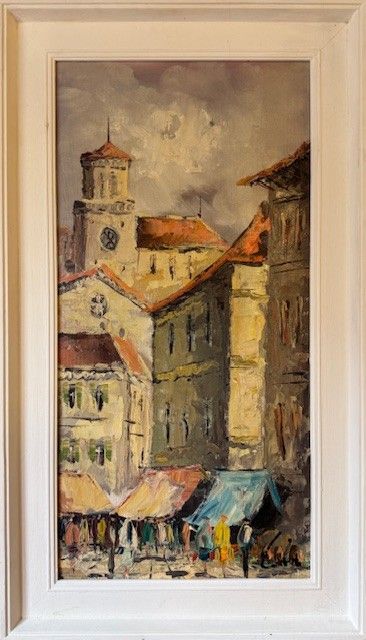
Buyers will most frequently encounter framed oils depicting rural villages, coastal views, floral still lifes, and architectural subjects. These pieces reflect diverse regional schools, including Belgian, French, German, and Dutch traditions, offering varied perspectives on portraiture and landscape through the decades.
Materials and construction
Artists utilised oil paint applied to woven canvas or rigid wood panels, building texture and depth through layered pigment. Many works are housed in their original surrounds, which frequently incorporate gold leaf, gesso, and giltwood mouldings or ebonised wooden frames.
The physical support dictates the preservation of the piece, with canvas offering traditional flexibility while wood boards provide a stable ground for nineteenth and twentieth-century compositions.
Object types include fine art paintings, wall art, and framed canvases originating from various European schools.
Separating the ordinary from the exceptional
Quality rests upon the confidence of the brushwork, the handling of light, and the compositional balance within the scene. A master hand achieves atmosphere and depth with economy, whereas lesser examples rely on formulaic repetition without genuine observation.
The harmony between the painting and its period frame also elevates a work, especially when original giltwood or moulded surrounds remain intact and complement the palette of the canvas.
Charles Houben·Antonio DeVity·Max Kaltenmoser·Louis Charles Verwee·Albert Rieger·Victor Simonin·Frans Gailliard·Jules Rambo·Mercedes Legrand·Franz Reder-Broili
The Original European Oil Painting Glossary
- Canvas
- A heavy woven fabric stretched across a wooden frame to serve as a painting surface. It provides the traditional ground for the majority of these works.
- Gesso
- A plaster-like mixture applied to wood panels or frames to prepare the surface for gilding or painting. It creates a smooth, durable base.
- Giltwood
- Wood carved and coated with a thin layer of gold leaf or metallic powder. This material forms ornate frames characteristic of nineteenth-century presentation.
- Post-Impressionism
- An art movement extending beyond impressionism to focus on symbolic content and formal order. Artists in this tradition explored heavier brushwork and expressive colour.
- Expressionism
- A modernist style where the artist distorts reality for emotional effect. These works prioritise intense mood and subjective perspective over strict realism.
Original European Oil Painting: Frequently Asked Questions
How do I date an oil painting?
Dating relies on stylistic evidence, artist signatures, and the physical characteristics of the canvas and frame. Nineteenth-century works often feature distinct academic or realist conventions, while twentieth-century pieces adopt impressionist or avant-garde approaches.
Examination of the reverse can also reveal stretcher construction, old labels, or stamps that help narrow the period of creation.
What is the difference between canvas and board?
Canvas consists of fabric stretched over a wooden frame, offering slight give and a textured weave that interacts with the paint layers. Board provides a completely rigid panel made of wood or compressed material.
Both supports were widely used across European schools, though panels frequently appear in smaller landscape and rural studies.
Should I reframe an antique painting?
Preserving the original frame maintains the historical integrity and visual context of the artwork. Many pieces retain period giltwood or ebonised surrounds selected by the artist or contemporary dealers.
Intervention should only occur if the structural security of the painting is threatened by the current housing.