

Original Edwardian Watercolour Art
Original edwardian watercolour art brings tactile early twentieth century atmosphere into a room through hand painted pigment and paper.
Original Edwardian Watercolour Art
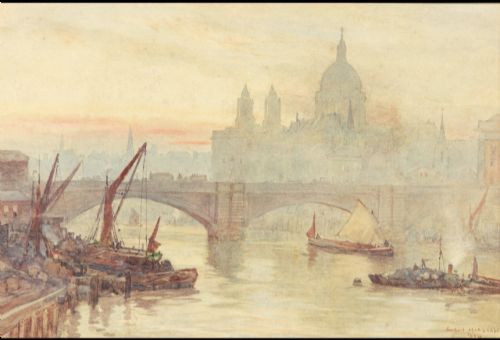
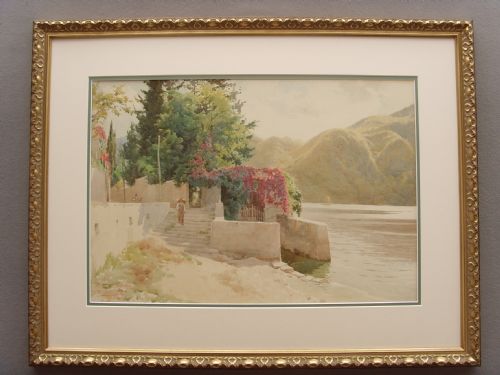
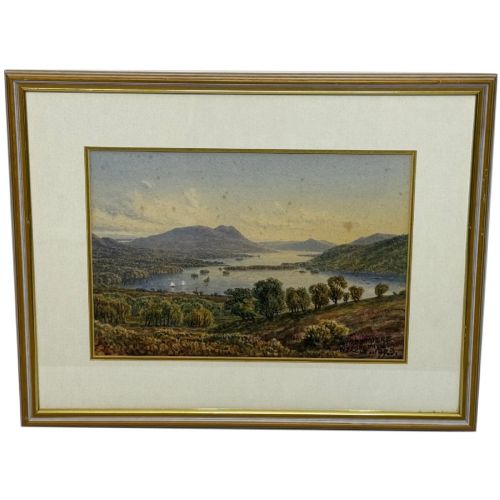
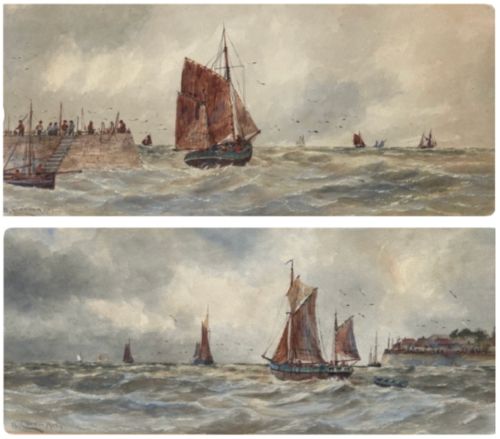
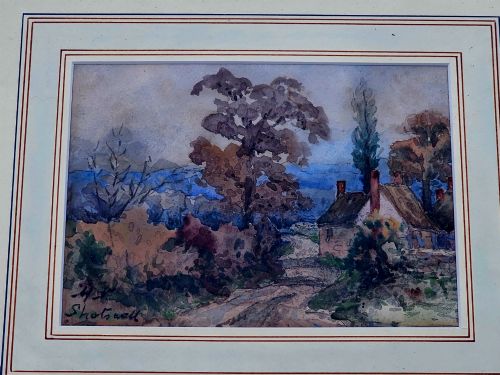
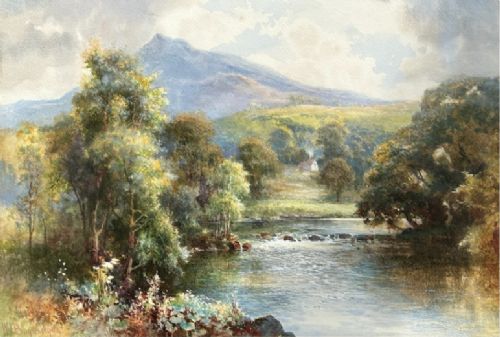
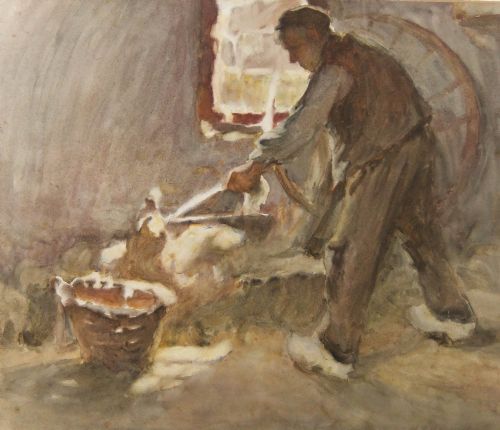
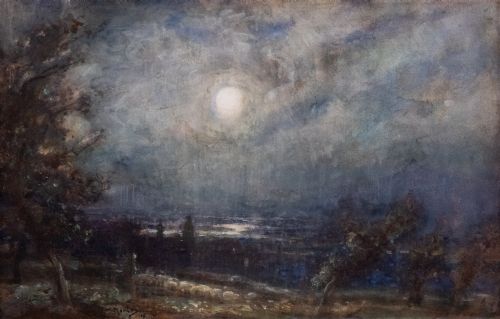
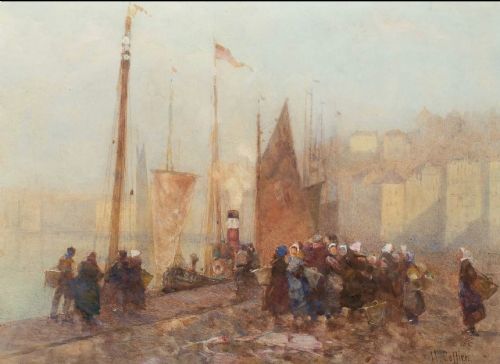
Original edwardian watercolour art encompasses framed paintings on paper depicting British landscapes, coastal scenes, and genre subjects created during the early twentieth century. These works capture pastoral views, rural labour, and maritime harbours through traditional painting methods.
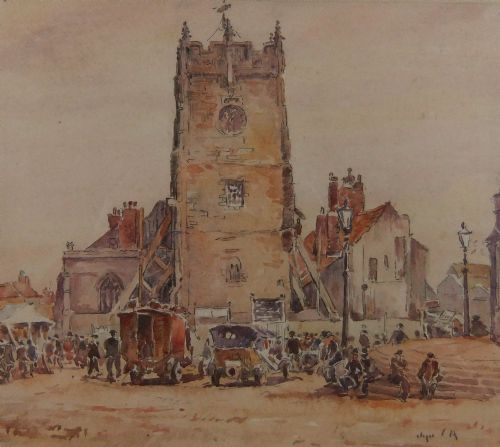
Buyers exploring original edwardian watercolour art encounter pieces dating predominantly from the nineteen hundreds through the nineteen twenties. The selection spans serene moorland watercolours, architectural town views, and delicate floral still life studies.
Most examples originate from British artists working in realist or impressionist styles. These framed works reflect the domestic tastes and decorative traditions of the period.
How these watercolours were constructed
Artists applied watercolour pigment and ink onto heavy paper supports, frequently enhanced with touches of bodycolour or gouache for opacity. These watercolours relied on the natural reflectivity of white paper showing through translucent washes of colour.
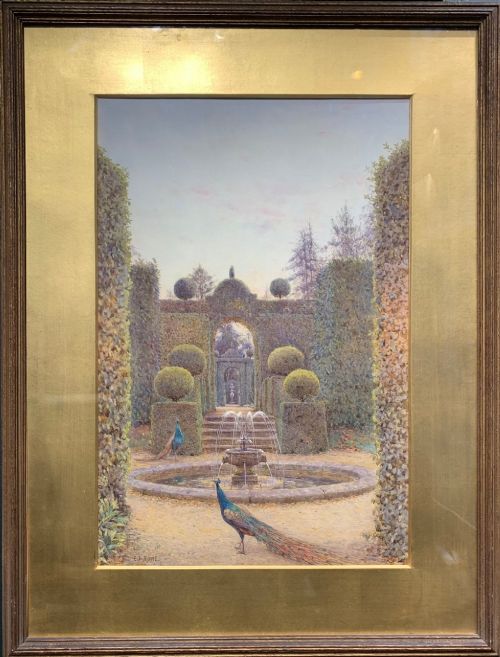
Finished paintings were secured beneath glass within wooden frames, occasionally incorporating gold leaf mouldings. This protective framing preserved the delicate water soluble pigments from environmental moisture and surface damage.
Current listings feature watercolours spanning the Victorian era through the nineteen thirties, executed on paper with ink and occasional gold leaf.
What distinguishes finer examples
Quality in original edwardian watercolour art rests upon confident brushwork, tonal control, and the preservation of luminous pigment washes. Superior pieces demonstrate precise draftsmanship alongside atmospheric depth rather than stiff mechanical rendering.
The condition of the paper support and the clarity of the underlying pigment substantially influence the visual strength of a piece. Original period framing also contributes to the integrity of surviving works.
George Lorain Stampa·Thomas William Morley·Hector Caffieri·Ernest Arthur Rowe·George Oyston·Henry Charles Fox
The Original Edwardian Watercolour Art Glossary
- Watercolour
- A painting method where fine pigment is suspended in a water soluble binder and applied to paper. This medium produces transparent washes that allow the white surface beneath to illuminate the colour.
- Gouache
- An opaque water-based paint featuring added white pigment to create solid areas of colour. Artists often combined gouache with watercolour to add highlights and dense details.
- Impressionism
- An art movement focusing on transient visual impressions, loose brushwork, and natural light. British interpretations captured coastal atmospheres and rural landscapes with softer tonal transitions.
- Genre painting
- Artwork depicting scenes from everyday life, including agricultural labour, market squares, and domestic interiors. These subjects record social activities of the period.
- Bodycolour
- Watercolour paint mixed with a white preparation to make it opaque. It provides solid coverage and distinct highlights on tinted paper.
Original Edwardian Watercolour Art: Frequently Asked Questions
How should I hang original edwardian watercolour art?
Position these works away from direct sunlight to prevent the watercolour pigments from fading over time. Consistent indoor temperatures help protect the antique paper and wooden frames from warping.
Ensure each piece hangs securely at eye level on a stable interior wall. Using UV protective glass during future framing updates offers additional preservation benefits.
What subjects are common in these watercolours?
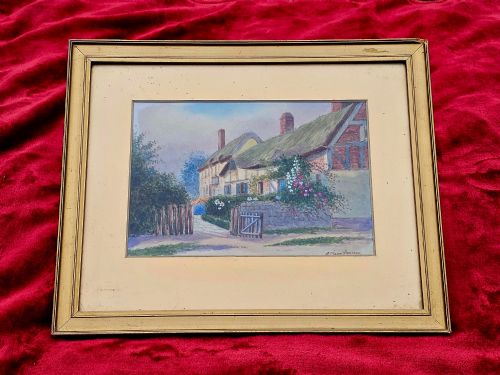
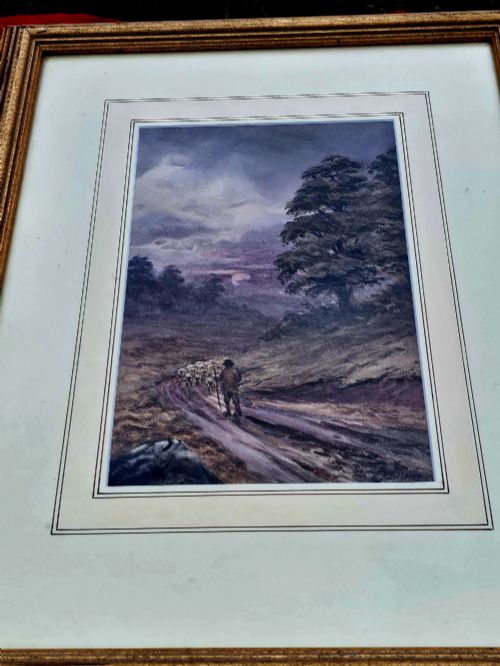
Artists frequently depicted British coastal harbours, pastoral landscapes with sheep or cattle, and rural village scenes. Architectural views of market towns and quiet garden settings also appear regularly.
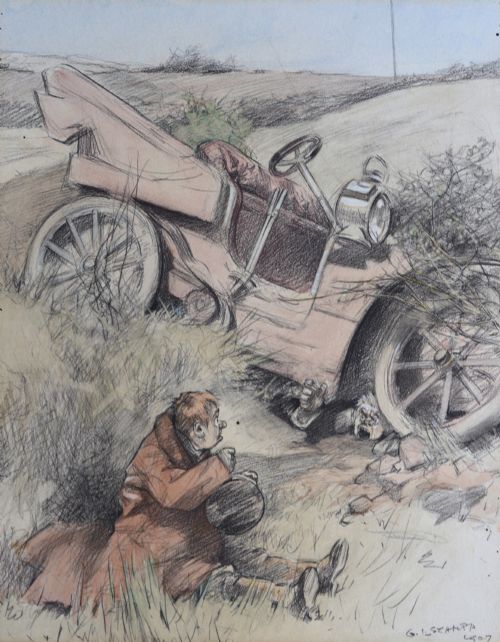
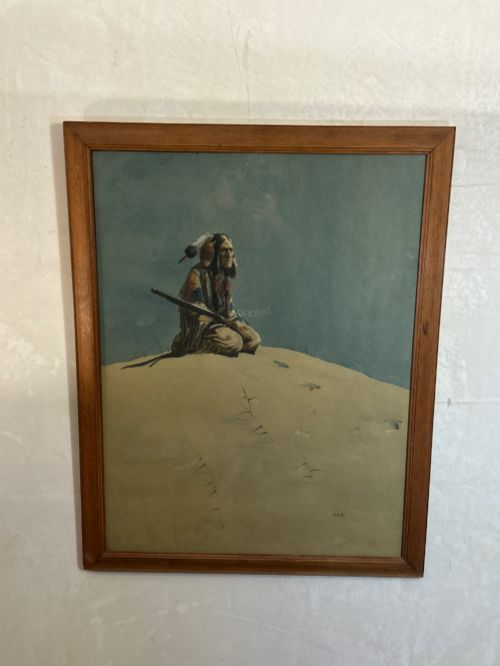
Portraiture and genre studies capturing everyday early twentieth century life represent another significant category within the available artwork.
How do I identify an edwardian watercolour?
Look for signature styles, framing materials, and artist signatures that correspond to the early twentieth century. Period inscriptions on the reverse often record specific locations, dates, or artist names.
The paper texture, mounting style, and original wooden or gilt frames provide further physical clues to the period of creation.
Are these paintings supplied ready to hang?
Most pieces arrive within their protective wooden frames behind glass, ready for immediate display on a wall. Period frames often show minor age wear that confirms their historical authenticity.
Buyers should inspect the backing paper and hanging hardware upon arrival to ensure safe installation in their chosen interior space.