
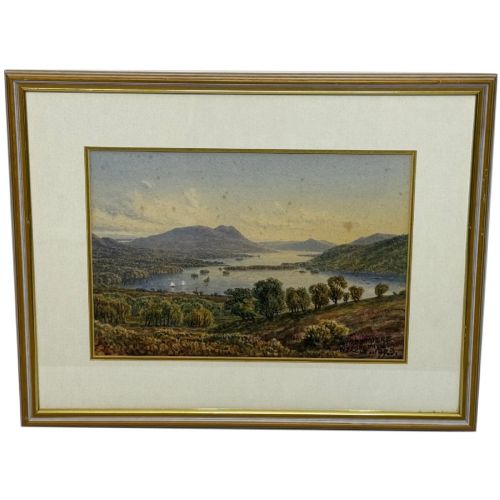
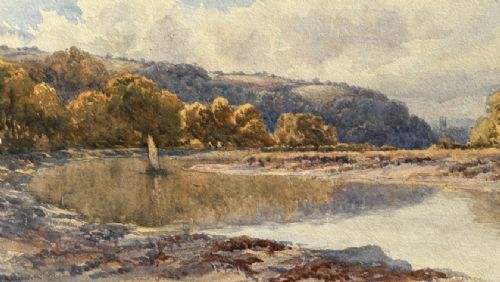
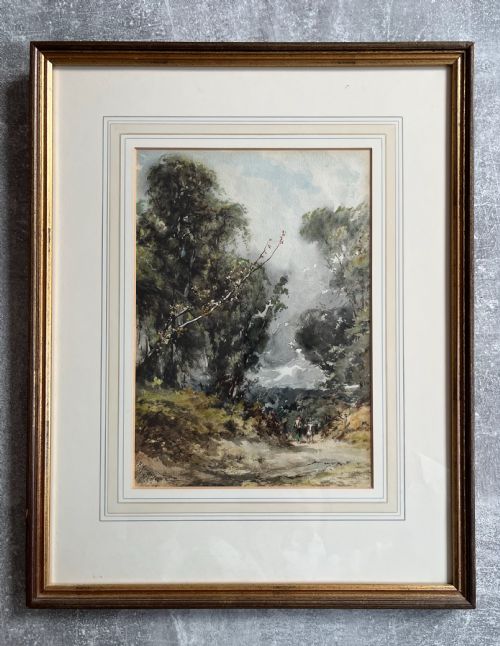

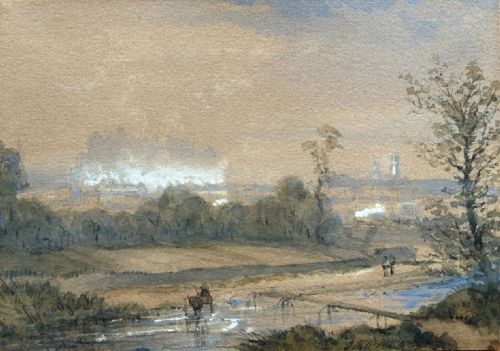

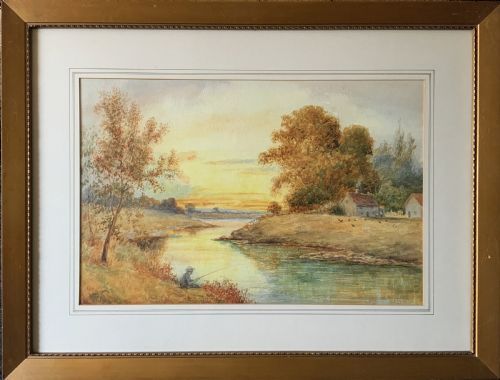
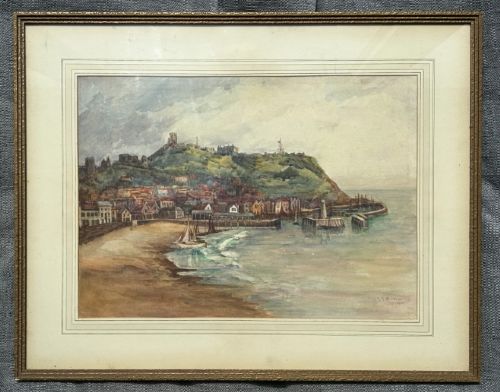
Signed British Landscape Watercolour
A signed british landscape watercolour offers a direct window into the changing rural and coastal views of past centuries, prized for its hand-painted immediacy.
Signed British Landscape Watercolour
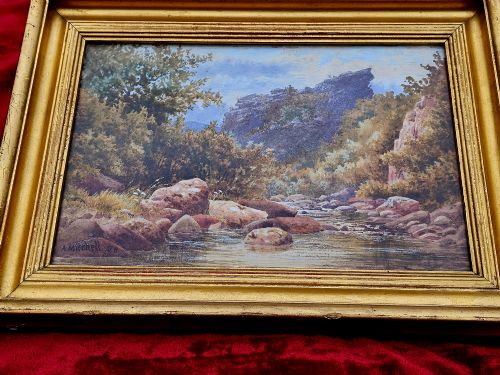
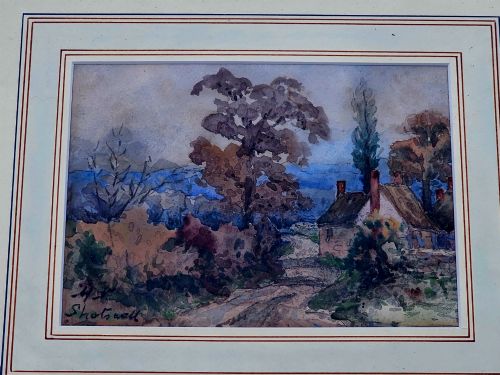
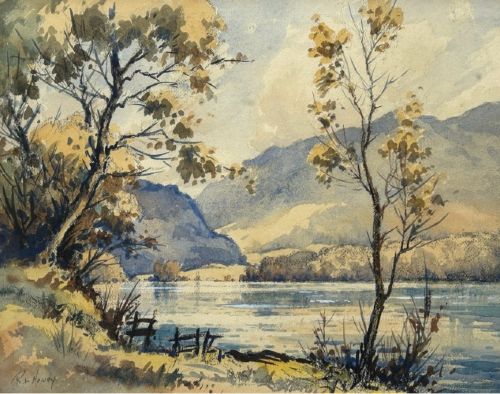
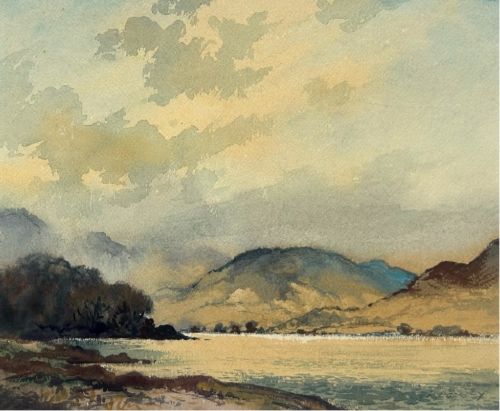
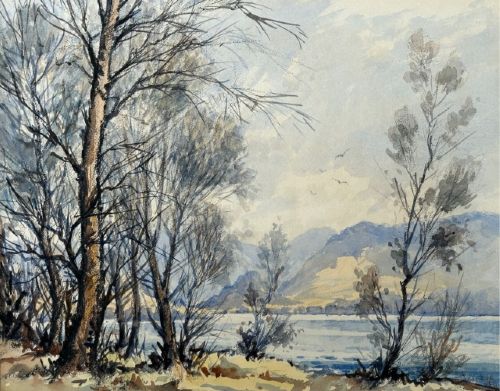
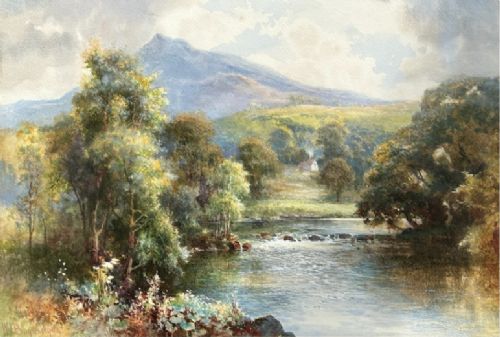
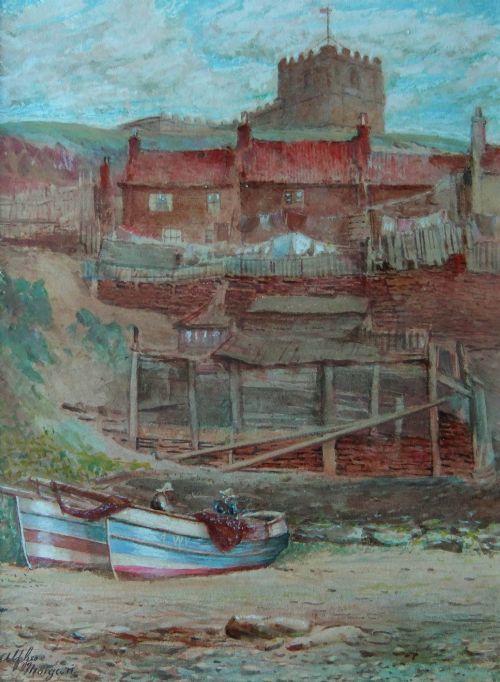
A signed british landscape watercolour captures scenic vistas, rural rivers, and coastal harbours across the nineteenth and twentieth centuries. These artworks document specific locations from Scottish hillsides down to southern English coastlines.
The selections span Victorian pastoral scenes through to mid-century regional views. Buyers frequently encounter works bearing clear signatures from both regional painters and Royal Academy exhibitors.
Compositions range from intimate river valleys and quiet country lanes to bustling fishing ports and historic abbeys. Each piece serves as a singular paper-based record of topography and changing light.
How They Were Made
Artists applied water-soluble pigment onto heavy paper support sheets, often utilising translucent washes to build atmospheric skies and deep terrain. Gouache was occasionally added alongside watercolour paint to introduce opaque highlights and dense texture.
Completed paintings were traditionally protected beneath glass and housed within timber frames, frequently featuring gilt wood mouldings to enhance the visual depth of the scene.
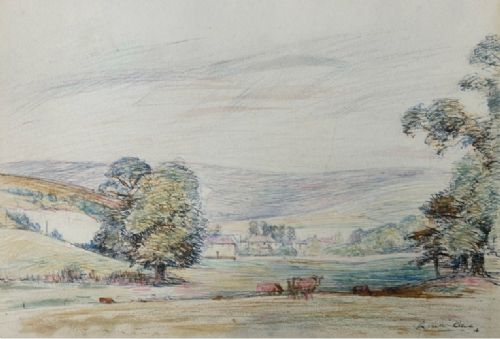
Several watercolours capture cows pausing in damp fields and sheep wandering across windy northern moors.
What Varies in Quality
Quality rests upon the artist's handling of pigment and control of light across the paper. Superior examples demonstrate confident brushwork and precise topographical observation rather than rigid, formulaic rendering.
The strength of the composition and the preservation of the original pigments dictate the standing of an individual sheet. Well-preserved works retain vibrant tones without excessive fading from past exposure to light.
George Fotherly Hargitt·James Orrock·John R Prentice·Robert Leslie Howey·William Banks Fortescue·William Joseph Boyes·Russell Sidney Reeves·Fred Lawson·Cuthbert Crossley·Tom Clough·Stanley Orchart·F J Aldridge·Colin H Greenwood·Henry Bailey·John Syer·Kate E Booth·Edmund Morris Wimperis·Edith E Caswall·Albert Robert Quinton·John Sowden·William Hoggatt·Thomas Pyne·Frank Wasley·Thomas Henry Hunn·Laurence George Bomford
The Signed British Landscape Watercolour Glossary
- Watercolour pigment
- Finely ground colour particles suspended in a water-soluble binder, applied to paper to create transparent washes.
- Gouache
- An opaque water-based paint containing added white pigment, used by artists to create solid highlights and dense opaque areas.
- Diptych
- An artwork composed of two distinct panels hinged or presented together to form a single combined visual narrative.
- Provenance
- The documented history and record of ownership surrounding an artwork, confirming its authenticity and origin.
Signed British Landscape Watercolour: Frequently Asked Questions
How should I frame and hang my watercolour?
Watercolours require conservation mounting behind glass to protect the paper from dust and physical damage. Keep them away from direct sunlight to prevent the pigments from fading over time.
Choose interior walls with stable humidity levels. Proper framing preserves the delicate paper support and ensures the longevity of the artwork.
How do I identify the date of a painting?
Look closely at the lower corners of the paper where artists frequently inscribed dates alongside their signatures. Stylistic clues, clothing styles of figures, and architectural details also offer clear hints regarding the period.
Framing materials and backing boards can provide additional chronological evidence. Comparing the technique to dated works by the same hand helps narrow the timeline further.
What subjects are most common in these watercolours?
Coastal scenes, rolling countryside, and rural river valleys dominate the available landscape subjects. Artists frequently recorded local landmarks, agricultural labour, and busy fishing harbours across Britain.
Mountainous regions like Snowdonia and the Lake District also appear regularly. These topographical themes reflect the nineteenth and twentieth-century passion for domestic travel and rural scenery.
Are these works always signed by the artist?
Many examples feature clear handwritten signatures or monograms applied by the creator in ink or pigment. Signatures often appear in the lower margins where they integrate with the composition.
Unsigned pieces do occasionally surface from specific regional schools. Attribution then relies upon stylistic comparison, contemporary exhibition records, or inscribed notes on the reverse of the paper.