





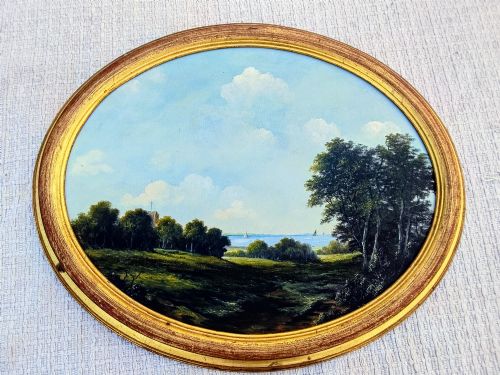
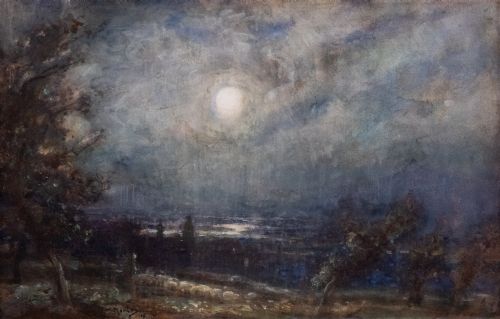
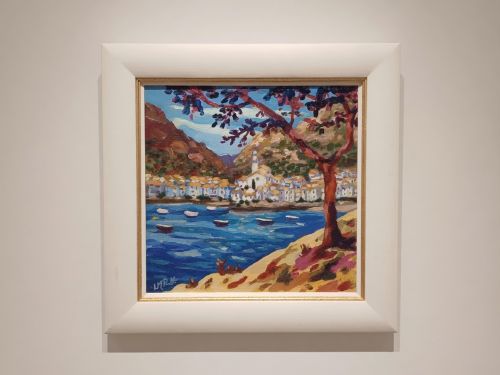
Original Coastal Painting
When you search for original coastal painting, you encounter maritime scenes and seaside views captured directly by artists across various eras.
Original Coastal Painting
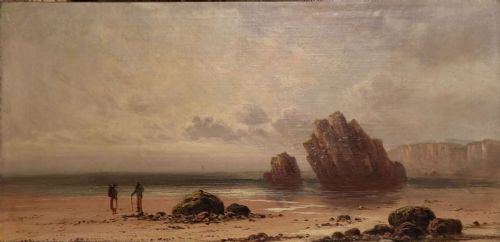
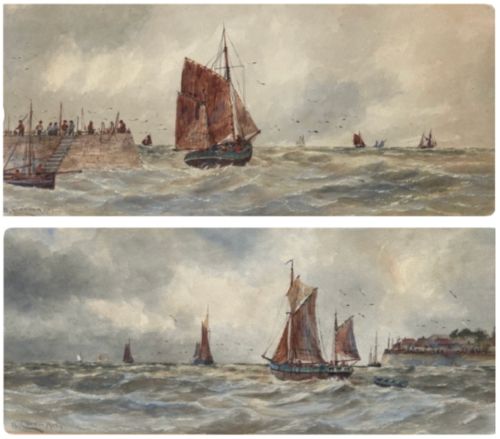
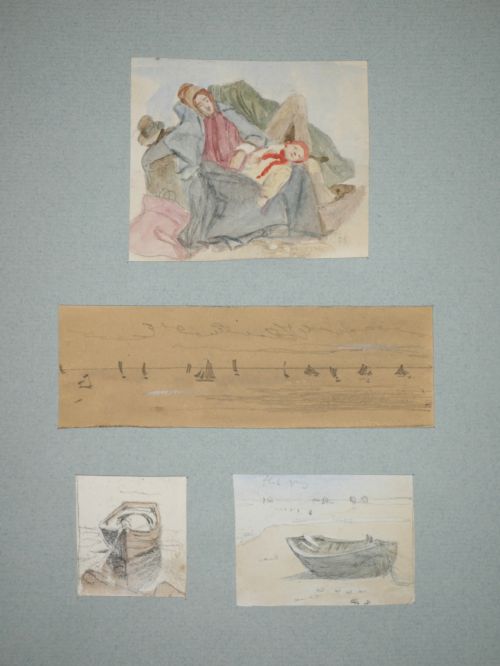
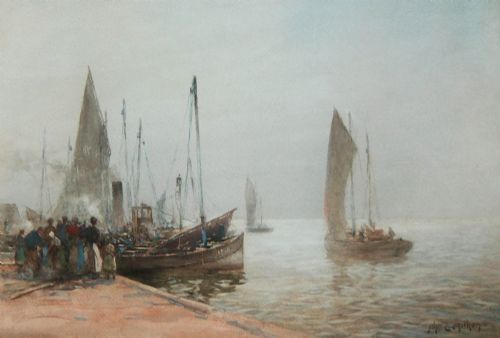
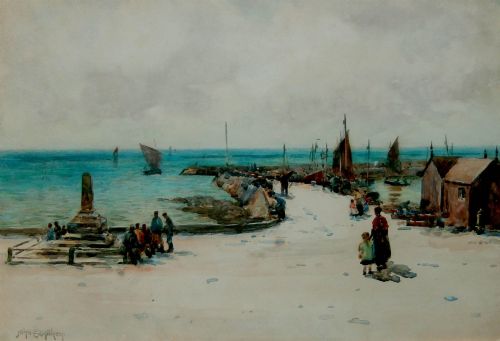
An original coastal painting captures harbours, fishing boats, and shorelines through the direct hand of an artist rather than a reproduction. When browsing this selection, you will frequently encounter works originating from the nineteenth century up through the mid twentieth century.
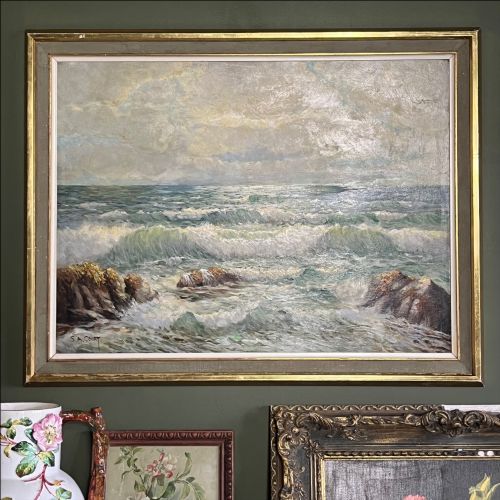
The subjects range from busy fishing ports in Yorkshire and Cornwall to quiet open sea views and rocky cliffs. Works appear in both watercolours on paper and oil paints applied to canvas, board, or wood panels.
How they were made
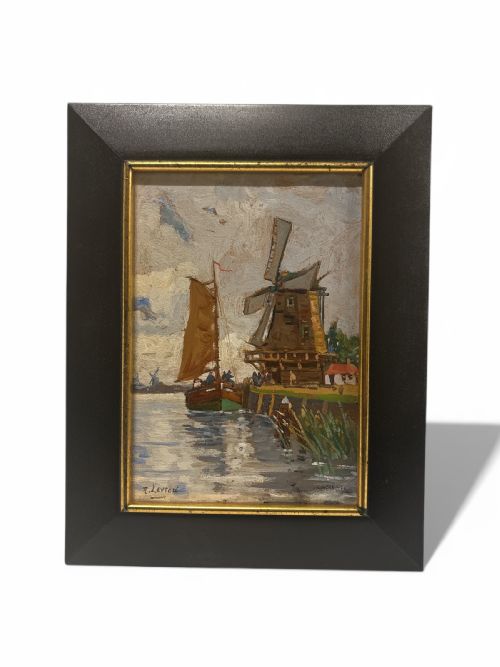
Artists typically worked with oil paint on canvas or board, and watercolour on paper, often employing an en plein air approach directly at the seaside. Gilt wood frames frequently encase these works, adding a traditional decorative border that complements the maritime subject matter.
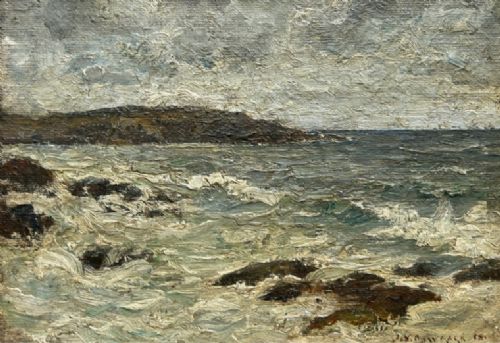
Techniques vary from detailed brushwork recording rigging and architecture to looser impasto applications that capture the texture of crashing waves and sea spray.
Several artists braved bracing North Sea winds and salty gales to capture these crashing waves, proving that good art sometimes requires a thick woollen coat.
What varies in quality
Quality rests upon the artist's ability to handle natural light, atmospheric conditions, and the specific movement of water and wind. Superior examples demonstrate confident brushwork and accurate perspective, successfully conveying the atmosphere of a specific coastal location.
The sensitivity of the colour palette and the compositional balance further separate accomplished works from routine topographical records.
Kenneth Cozens·James Orrock·William Cannon·Clifford Hanney·Sidney A Court·James E Aitken·John E Aitken·William Banks Fortescue·Thomas William Morley·Lucy Pratt·Clive Browne·Peter Brannan·Hector Caffieri·James Fry·Ethel Sands·Thomas Maidment·Donald McIntyre·Cecil Allan Mould·Alfred G Morgan·Joseph Farquharson·William Matthison·Bernard Benedict Hemy·George Stanfield Walters·Frank Kelsey·Walter Goodin
The Original Coastal Painting Glossary
- Impasto
- Paint applied thickly to a canvas or board so that it stands out from the surface. This technique allows brush or palette knife marks to retain their physical texture and catch the light.
- En plein air
- The act of painting outdoors to capture the actual light and weather of a landscape directly. Artists working this way often completed marine views while seated on cliffs or beaches.
- Watercolour
- A paint consisting of pigment suspended in a water-based solution, typically applied to paper. It allows for translucent washes that suit the luminous quality of coastal skies.
- Provenance
- The documented history of ownership surrounding a work of art. A clear record helps confirm the origin and authenticity of older paintings.
Original Coastal Painting: Frequently Asked Questions
How do I identify the period?
Examine the materials, framing style, and paper or canvas backing for clues left by the maker. Signatures and dates written on the reverse often point to the exact decade of creation.
Stylistic shifts also help reveal the era, moving from the detailed realism of the nineteenth century towards the looser brushwork of mid-century British art.
Where were these painted?
Many works depict recognizable British fishing ports and coastal villages, particularly in Cornwall, Yorkshire, and Scotland. Artists frequently travelled to active maritime centres to capture local boats and harbours.
Inscriptions on the back or within the titles often record the exact town or bay where the artist set up their easel.
How should I frame them?
Many pieces retain their original gilt wood frames, which were chosen to suit the aesthetic of the period. Keeping period frames intact preserves the historical context of the artwork.
If framing an unframed work on paper or canvas, select a style that complements the era of the painting without overwhelming the composition.
Are watercolours fragile?
Works on paper require protection from direct sunlight to prevent the pigments and paper from fading over time. Proper mounting behind glass with conservation materials ensures the paper remains stable.
Keeping them away from damp environments protects both the paper support and the watercolour pigments from deterioration.