






Antique Sea Scene
An antique sea scene captures the enduring pull of the coast through oil paintings and watercolours rendered across the nineteenth and twentieth centuries.
Antique Sea Scene
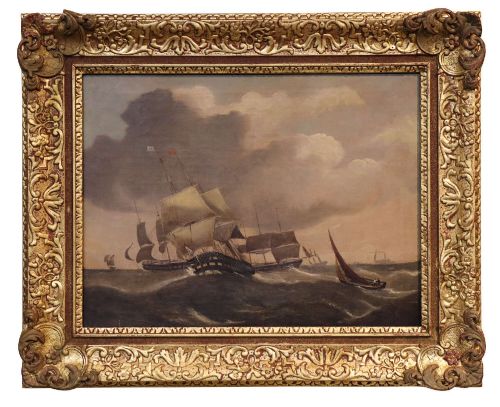
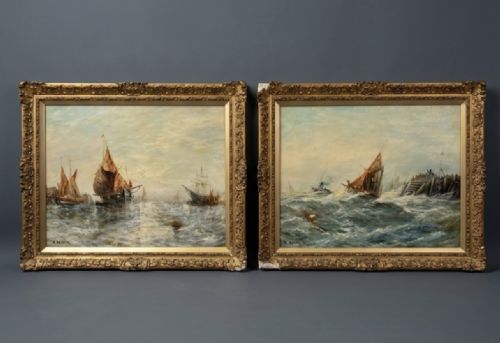
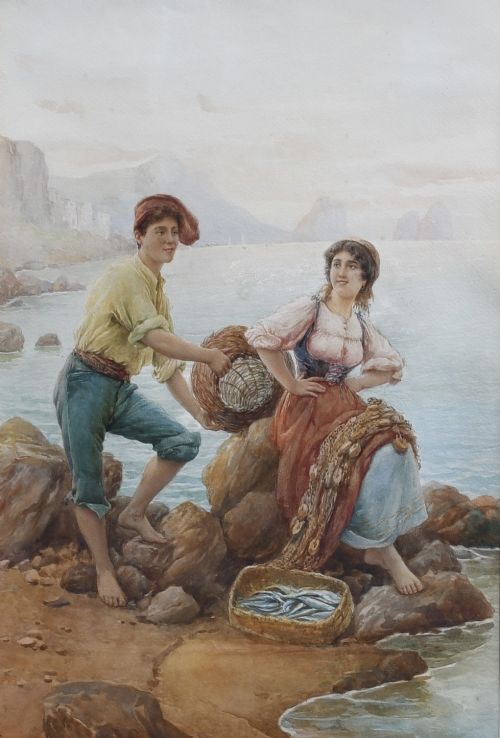
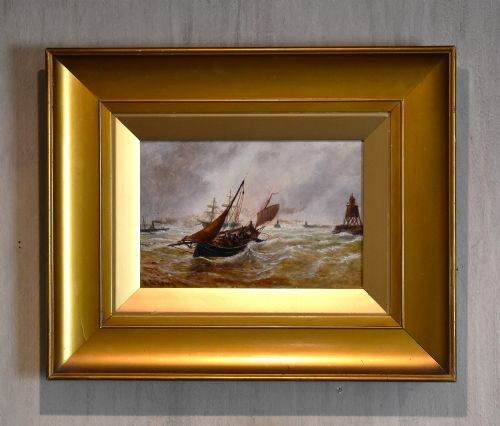
When you search for an antique sea scene, you encounter framed watercolours and oil paintings recording harbours, shipping lanes, and coastal figures. The material record spans nineteenth-century Victorian works through to twentieth-century impressionist canvases and post-impressionist views.
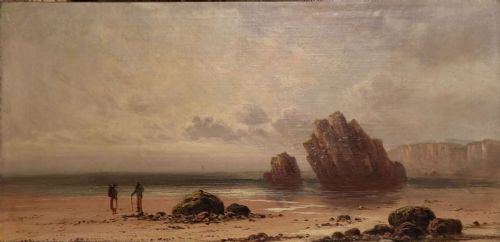
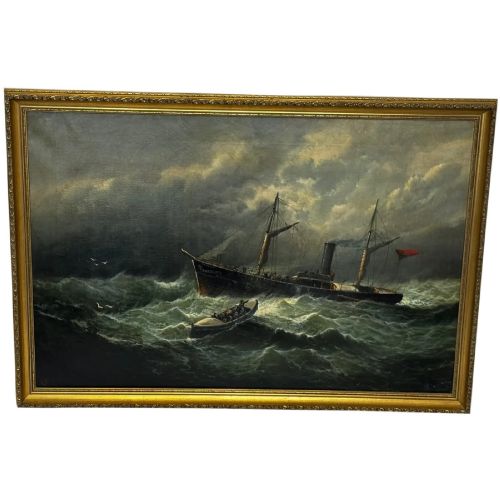
The most common formats on this page are oil paintings on canvas and delicate watercolours on paper, depicting everything from calm beach scenes to turbulent maritime rescues. These works document British and European shorelines, ranging from Cornish fishing ports to French coastal towns.
Works attributed to known regional artists sit alongside pieces by the broader British and continental schools. Subjects frequently feature working vessels, lighthouses, and local figures engaged in daily coastal labour.
Materials and technique
Artists painted primarily with oil paint on stretched canvas or wooden board, and with watercolour on paper. Oil pigments allowed for heavy impasto to capture churning waves, while watercolours offered fluid transparency for quiet harbours.
Finished works were typically housed in gilt wood frames, often with decorative moulding suited to the period. Some nineteenth-century pieces utilise paper or card as a base before mounting.
Several canvases manage to capture the salt spray so convincingly you might find yourself checking for damp patches on the drawing room wall.
Distinctions in quality
Quality rests upon the artist's command of light, atmosphere, and movement within the medium. Stronger watercolours and oils demonstrate confident brushwork and precise anatomical or architectural drawing, particularly in the rendering of rigging and coastal geology.
Condition of the canvas, paper, and original gilt frame also shapes the standing of a piece. Works retaining their initial framing and stable paint layers without extensive restoration command higher regard.
James Orrock·William Banks Fortescue·Bernard Benedict Hemy·William Lee Hankey·Claude Thomas Stanfield Moore·Gustave de Breanski·Robert Farren·Leopold Pascal
The Antique Sea Scene Glossary
- Seascape
- A work of fine art depicting the sea, coastlines, or maritime activity. These pieces range from calm beach scenes to stormy offshore rescues.
- Impressionism
- An art style focused on accurate depiction of light and its shifting qualities. Artists using this approach often employed visible, rapid brushstrokes.
- Watercolour
- A painting method where paint is made of pigments suspended in a water-soluble vehicle. It is frequently applied to paper surfaces in maritime sketches.
- Gilt
- Covered thinly with gold leaf or gold paint. Many traditional frames for these paintings feature this surface treatment.
- Aquatint
- A printmaking technique that produces tonal effects similar to watercolour washes. Examples include historical prints depicting maritime expeditions.
Antique Sea Scene: Frequently Asked Questions
What subjects appear in these paintings?
The subjects include fishing boats, harbours, lighthouses, and coastal workers along British and European shores. Scenes range from tranquil beach gatherings to dramatic shipwrecks in heavy seas.
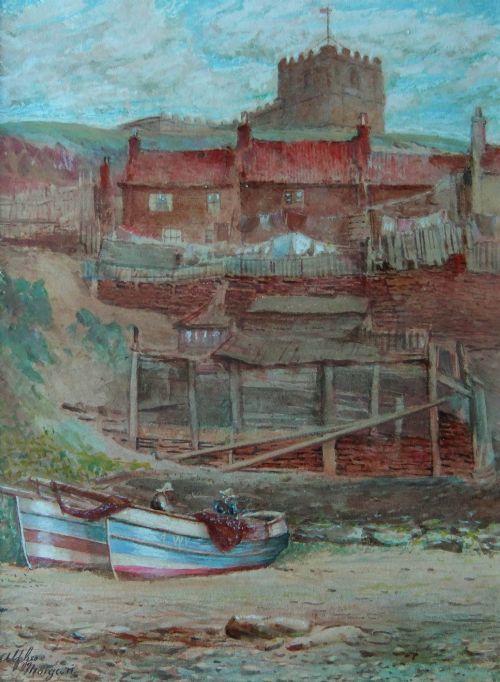
Artists frequently documented specific locations such as St Ives, Whitby, and the French Riviera, capturing the working life of maritime communities.
How do I date an oil painting?
Dating relies on stylistic evidence, artist signatures, framing, and stretcher construction. Canvas types and inscribed dates on the reverse also provide chronological markers.
Victorian pieces often display heavier narrative elements, while early twentieth-century works lean towards impressionist or post-impressionist handling of light and colour.
How were these watercolours displayed?
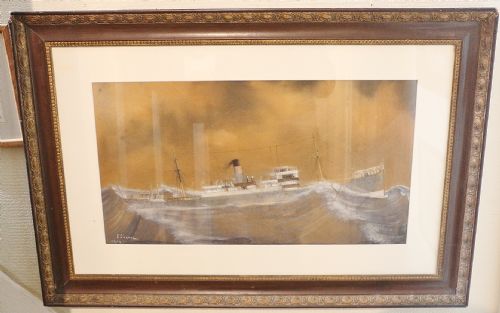
Watercolours were traditionally mounted behind glass within a protective card mount and a timber frame. This prevented atmospheric moisture from damaging the paper.
Many retain their period gilt frames, which help preserve the paper and complement the palette of the coastal scene within.
What is the difference between marine and coastal art?
Marine art typically focuses on ships, naval engagements, and deep-water navigation. Coastal art centres on the shore, beaches, harbours, and land-based maritime activities.
Both categories frequently overlap in nineteenth and twentieth-century paintings depicting coastal settlements and nearshore shipping.