



Original Coastal Landscape Picture
An original coastal landscape picture captures maritime scenes and sea views across the nineteenth and twentieth centuries.
Original Coastal Landscape Picture
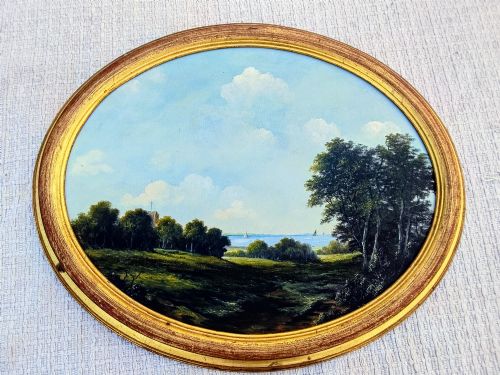
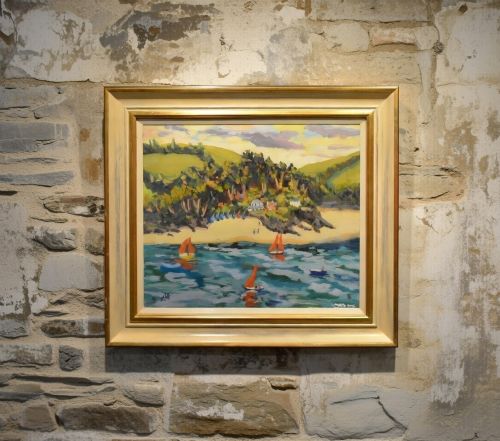
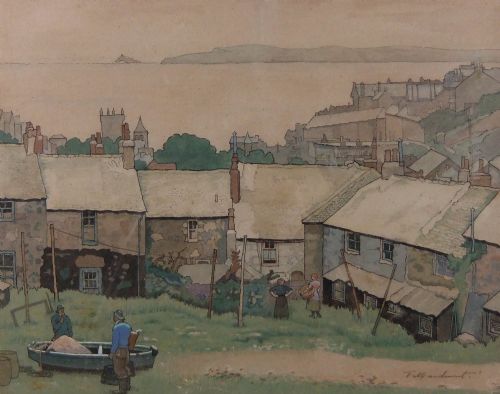
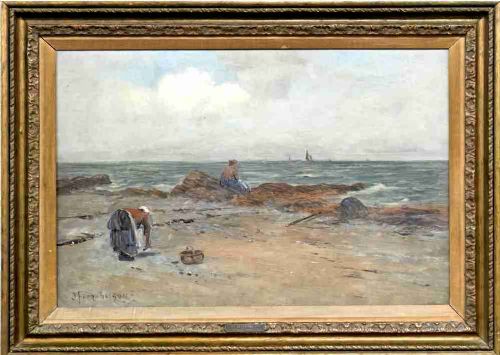
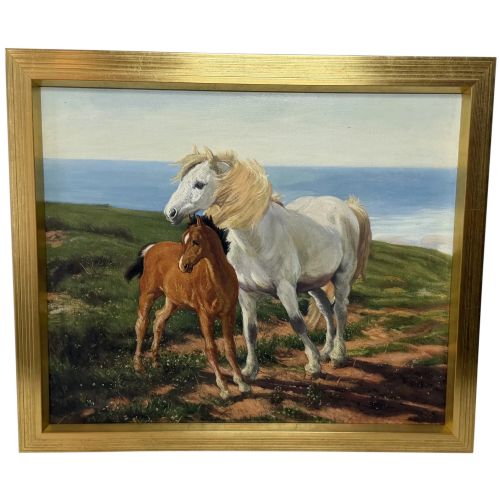
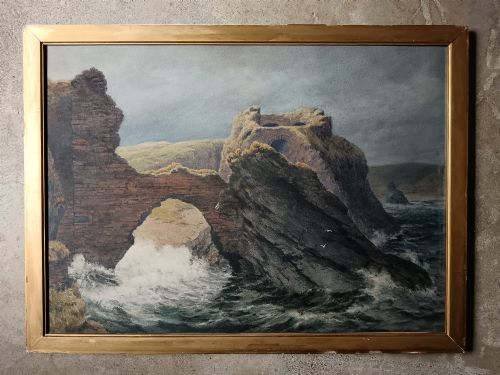
An original coastal landscape picture brings together maritime scenes, harbours, and cliffs painted during the Victorian era and the mid-twentieth century. Buyers often encounter framed watercolours and oil paintings depicting specific British and European coastal locations such as Whitby, St Ives, and Polperro.
The selection ranges from detailed nineteenth-century watercolours of fishing dockyards to impressionistic mid-century oil paintings on canvas and board. These artworks record historical coastal topography, shipping activity, and seaside settlements through the eyes of regional British and European schools.
How they were made
Artists painted these works using oil paint on stretched canvas or wooden board, as well as watercolour pigment on paper. Support materials such as gilt wood frames frequently accompany the paintings, preserving the paper or canvas underneath.
Techniques combine traditional brushwork with fine washes for watercolours and heavier impasto or smooth applications for oil paintings. Pastels also appear on paper supports to capture softer atmospheric coastal light.
The listings feature works created across paper, canvas, and wood using oil paint, watercolour, and pastel.
What varies in quality
The strength of composition and the artist's ability to render light, atmosphere, and maritime architecture differentiate works within this group. Hand-signed pieces by documented regional artists demonstrate greater authorship and historical context than anonymous or unsigned examples.
The condition of the paper or canvas, along with the preservation of the original gilt wood frame, influences the overall integrity of the piece. Skilled handling of medium, whether capturing turbulent waves or calm harbour water, marks the distinction in artistic achievement.
Joseph Farquharson·John Moxon·William Frederick Settle·Alfred George Morgan·John Bedloe Goddard·Gyrth Russell·William Lee Hankey·Gustave De Bréanski·Sir Thomas Newenham Dean·Arthur Tucker·William Tuck·John McDougal·James Watson·C Caldwell·William Raymond Dommersen·Robert Buchan Nisbet·John Douglas Perrett·Frederick William Hattersley·Frank Wood·James Thomas Watts·John Mitchell·Frederick William Booty·Leslie Rackham·Kate E Booth·R P Noble
The Original Coastal Landscape Picture Glossary
- Watercolour
- A painting method where fine pigment is suspended in a water-based, translucent solution applied to paper. It allows for delicate washes and luminous depictions of sky and sea.
- Impasto
- The process of laying paint thickly on a canvas or board so that it stands out from the surface. This technique adds visible texture to waves, clouds, and coastal rocks.
- Gilt wood
- Timber frames coated with a thin layer of gold leaf or metallic gilt paint. These period frames often complement nineteenth-century and early twentieth-century artworks.
- Provenance
- The documented history and ownership trail of an artwork. It establishes authenticity and connects the piece to specific artists or exhibitions.
Original Coastal Landscape Picture: Frequently Asked Questions
What periods do these coastal paintings span?
The listings span from the late nineteenth-century Victorian period through the Edwardian era and into the mid-twentieth century up to the 1960s. This timeframe covers significant shifts in British landscape and marine art.
Buyers will find Victorian watercolours alongside post-war British oil paintings, reflecting changing artistic movements across different decades.
How should I display a vintage watercolour?
Watercolours on paper require careful placement away from direct sunlight to prevent the pigments and paper support from fading over time. Glazing with protective glass helps shield the delicate medium from moisture and airborne dust.
Maintaining stable indoor humidity levels ensures both the paper artwork and its period frame remain preserved.
How can I tell an oil painting from a watercolour?
Oil paintings utilise heavy pigments suspended in drying oils applied to canvas or board, often possessing a textured or glossy finish. Watercolours use water-soluble pigments on paper, resulting in a flat, translucent appearance beneath glass.
Examining the support material and surface texture clarifies which painting technique the artist employed.