




Original Coastal Landscape Painting
An original coastal landscape painting captures the shifting light and tide of the shoreline across Victorian, Edwardian and mid-century British traditions.
Original Coastal Landscape Painting
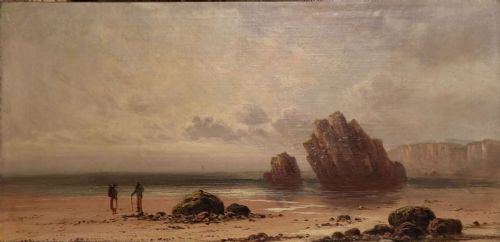
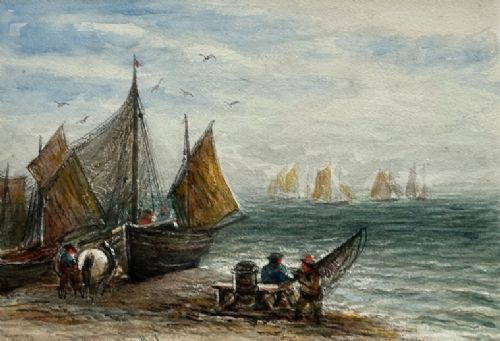
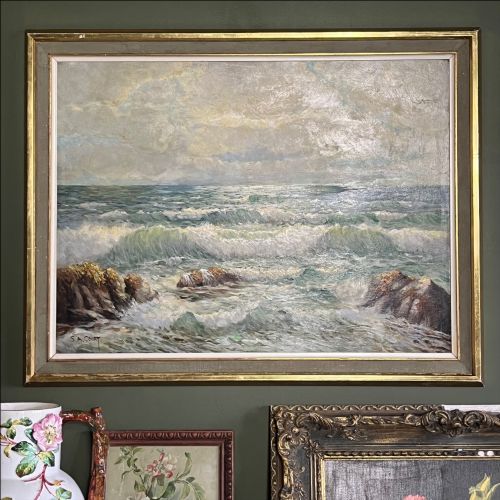
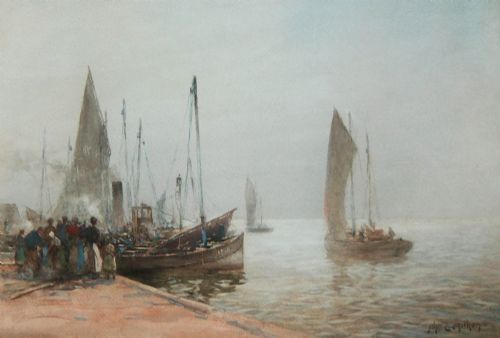
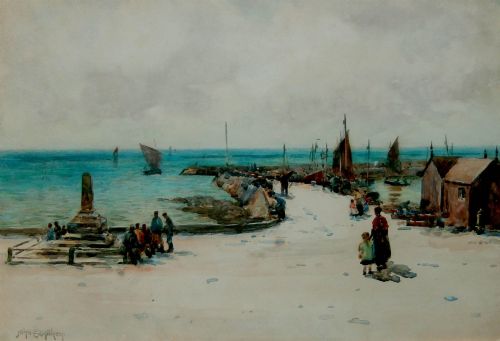
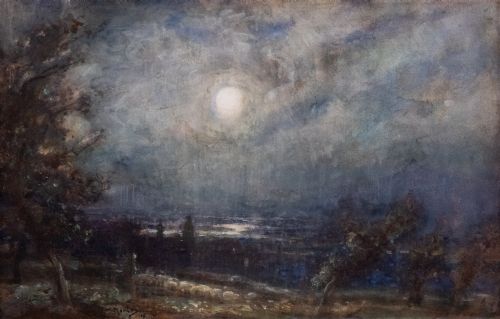
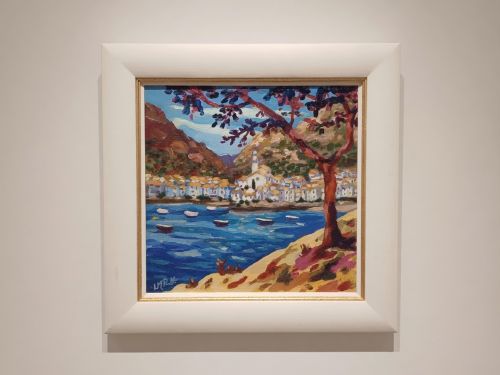
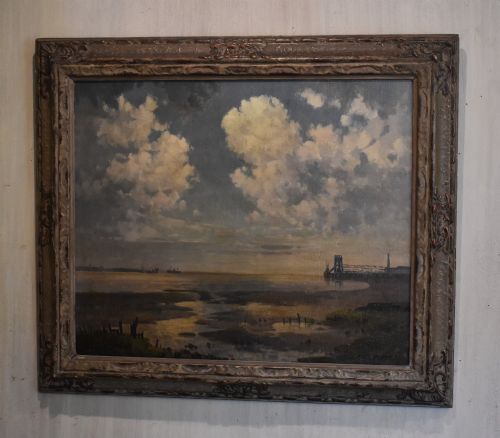
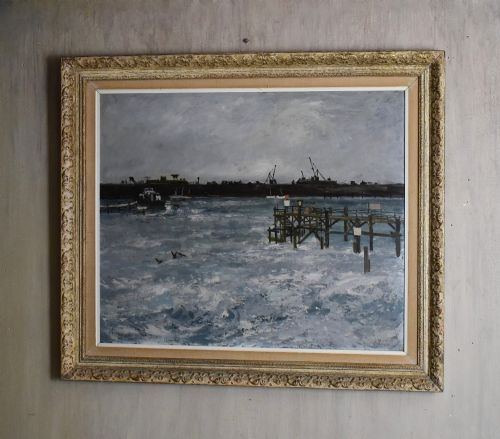
When searching for an original coastal landscape painting, collectors encounter works ranging from late nineteenth-century watercolours of Yorkshire harbours to mid-century oil paintings on board depicting Cornish fishing boats. These pieces record maritime life, busy quaysides and open seascapes through the lens of British Impressionism, Modern British and traditional schools.
The material format varies widely across the inventory, spanning delicate works on paper, canvas stretched over wooden frames, and sturdy panels. Many of these coastal views focus on specific ports such as St Ives, Whitby and Scarborough, providing a tangible record of Britain's maritime heritage.
Most examples date from the nineteenth century through to the later decades of the twentieth century. Buyers will find both intimate watercolours intended for domestic interiors and larger oil compositions designed for prominent wall display.
Materials and Techniques
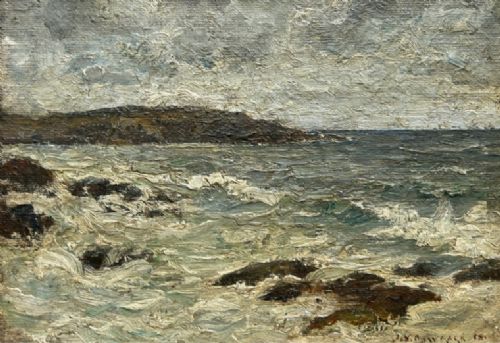
Artists working along the shore utilised oil paint and watercolour as their primary mediums, applying pigment to canvas, wood board, paper or panel. Oil paintings often display thick impasto brushwork to capture the texture of crashing waves and rocky cliffs, while watercolours rely on fluid washes of colour to render transparent skies and luminous tidal flats.
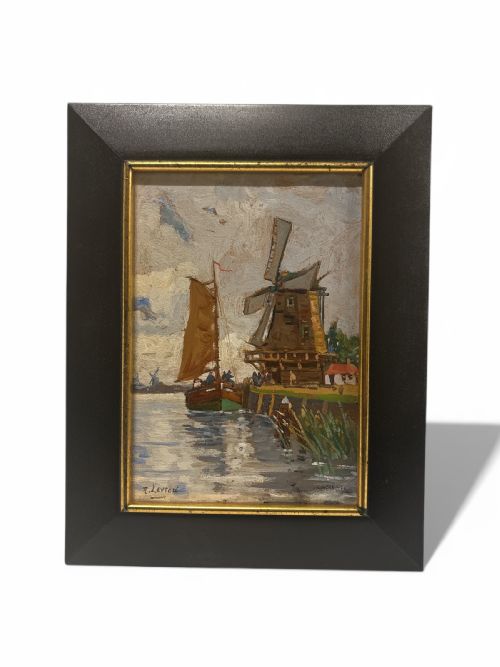
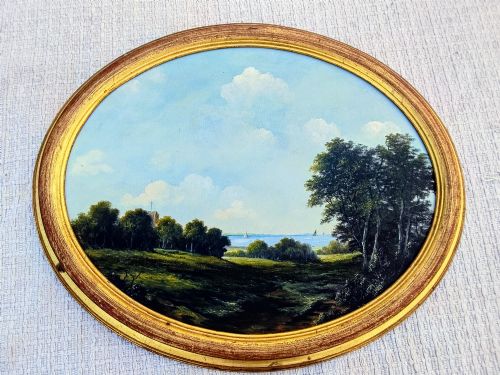
Support materials reflect the working methods of the period, with nineteenth-century pieces frequently appearing on heavy canvas or prepared wooden panels. Later twentieth-century works commonly utilise modern boards and canvases, occasionally housed in original gilt frames that complement the composition.
Several artists captured the British seaside while fighting off salty spray, seagulls, and the occasional inquisitive sheep.
Assessing Quality
Quality in these coastal works rests upon the artist's handling of light, atmosphere and spatial depth rather than mere subject matter. Stronger examples demonstrate confident brushwork and a sure command of tonal values, particularly when rendering complex atmospheric conditions like sea mist or sunset.
The relationship between the medium and the chosen support also dictates the success of a piece. Well-preserved works retain their original colour saturation without excessive fading in the watercolours or stable, uncracked paint layers across the oil on canvas and board examples.
James Orrock·William Banks Fortescue·Thomas William Morley·Donald McIntyre·Joseph Farquharson
The Original Coastal Landscape Painting Glossary
- Impasto
- Paint applied thickly to a canvas or board, leaving prominent brush or knife marks that stand out from the surface. This technique adds tactile depth and catches the light effectively in maritime scenes.
- En plein air
- Painting outdoors in direct natural light to capture transient atmospheric effects. Artists utilising this method often worked quickly by the shoreline to record changing weather.
- Gilt frame
- A wooden picture surround covered with a thin layer of gold leaf or metallic gilt paint. These frames frequently accompany nineteenth-century and early twentieth-century oil paintings.
- Board
- A rigid flat panel made of wood, pulp or composite material used as a painting support. Many twentieth-century coastal landscapes are executed directly on this medium.
- Watercolour
- A paint consisting of water-soluble pigments used with water on paper surfaces. It allows for translucent washes that suit delicate coastal atmospheres.
Original Coastal Landscape Painting: Frequently Asked Questions
How do I care for antique watercolours?
Works on paper require protection from direct sunlight to prevent the pigments from fading over time. Glazing them with conservation-grade glass and hanging them away from damp environments ensures their long-term preservation.
Framing materials should be acid-free to prevent yellowing of the paper support. Regular inspection of the backing board helps maintain a stable environment for the painting.
What is the difference between oil and watercolour?
Oil paint offers a rich, opaque finish with heavy texture and allows for prolonged working times on canvas or board. Watercolour uses transparent washes on paper, creating a lighter and more luminous effect suited to subtle atmospheric changes.
Oils are generally more resilient and do not require glass protection, whereas watercolours must remain behind glazing to safeguard the delicate paper surface from moisture and dust.
How can I date a coastal painting?
Stylistic clues such as the clothing of figures, the type of watercraft depicted, and the painting technique often point toward a specific decade or artistic movement. Framing styles and materials used for the support also provide reliable chronological markers.
Signatures, exhibition labels on the reverse, and artist biographical dates help narrow down the period of execution. Comparative study with signed works from the same era confirms the likely timeframe.
Where were these coastal scenes painted?
Many works record specific British ports and coastal villages, particularly artistic hubs in Cornwall, Yorkshire and Scotland. Locations such as St Ives, Whitby and Scarborough frequently appear in the titles and inscriptions left by the artists.
Artists often travelled to these coastal retreats to paint local fishing fleets, harbours and rugged shorelines. These topographical details tie the artworks to identifiable geographic locations along the British coastline.