




Original British Watercolour Painting
When you search for an original british watercolour painting, you encounter centuries of observation captured swiftly on paper by skilled hands.
Original British Watercolour Painting
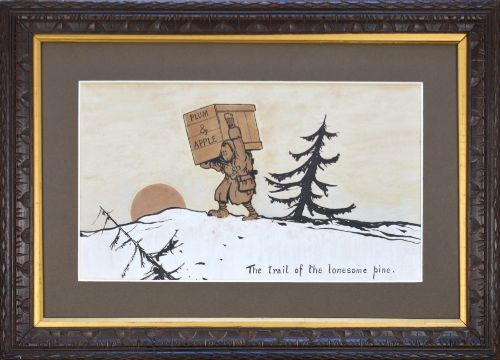
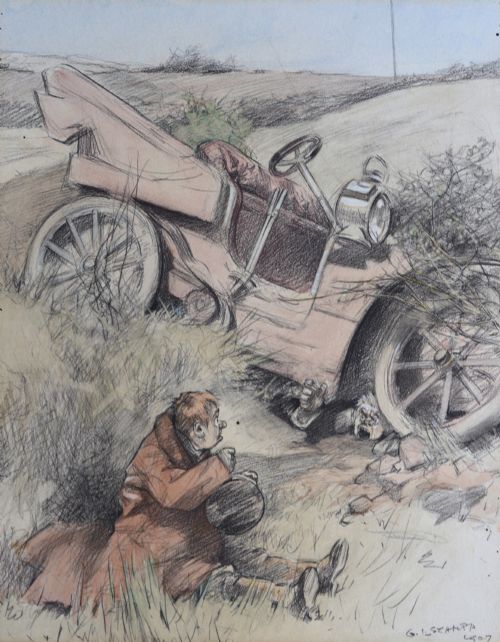
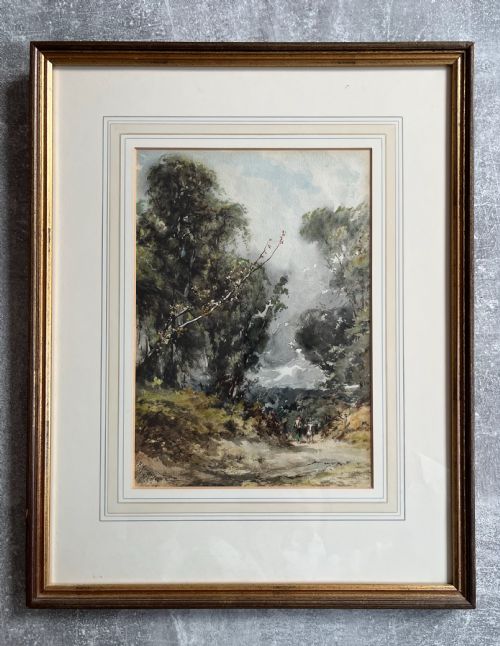
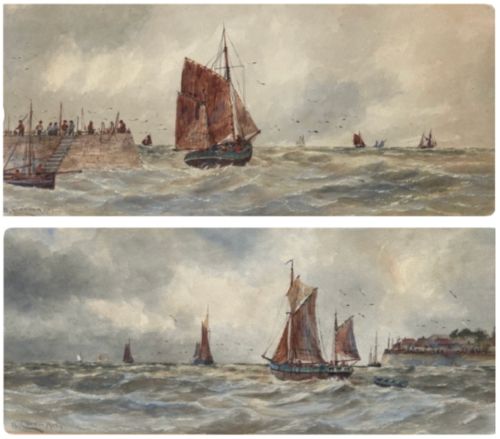
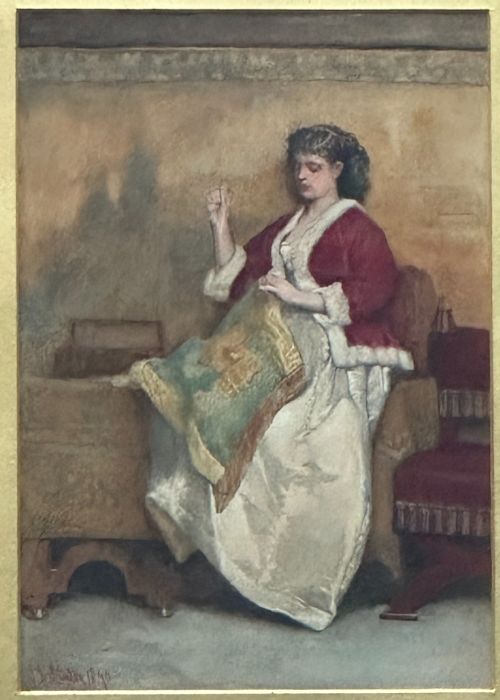
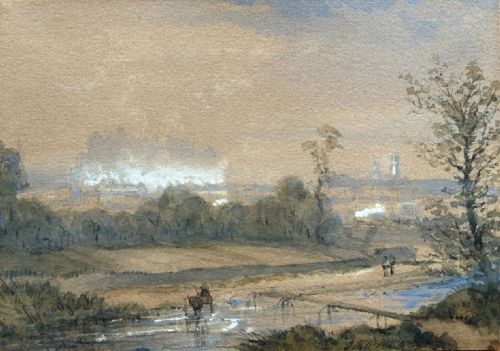
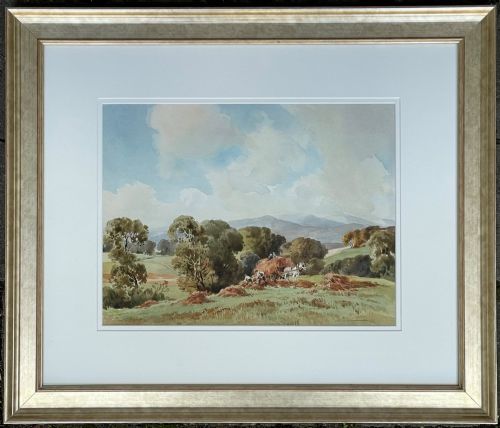
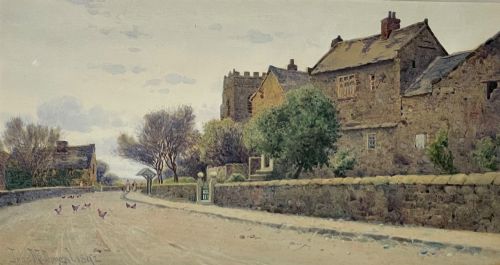
An original british watercolour painting represents a tradition of works on paper spanning from the Victorian and Edwardian eras into the mid-20th century. Buyers exploring this page will encounter landscapes, coastal scenes, marine art, and townscapes produced across Britain.
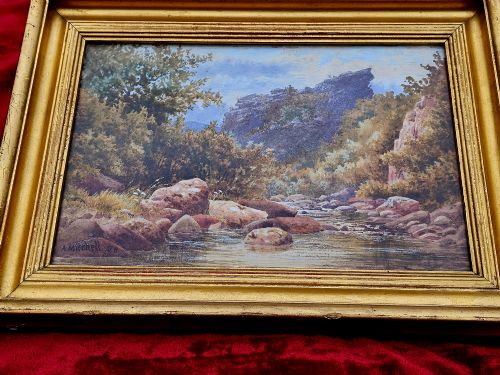
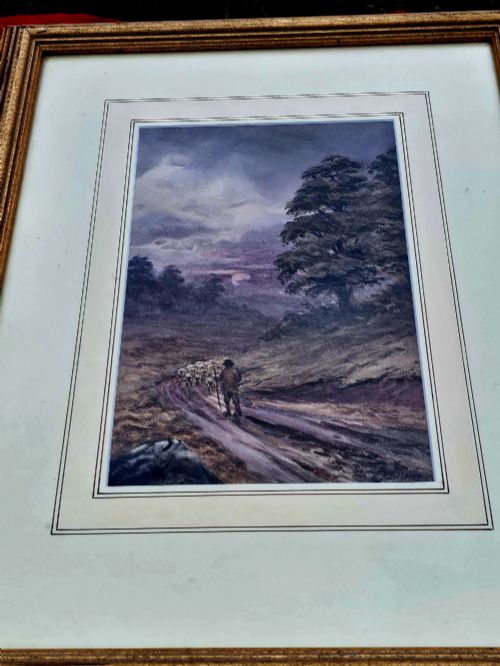
The pieces range from tightly detailed nineteenth-century topographical studies to looser twentieth-century impressions. These artworks capture specific locations, from Welsh river valleys and Yorkshire moors to Scottish lochs and coastal harbours.
Works appear from both established Royal Academy exhibitors and skilled regional artists working across the Victorian, Edwardian, and modern periods. Each painting offers a direct window into the changing British countryside and coastal life over past centuries.
How They Were Made
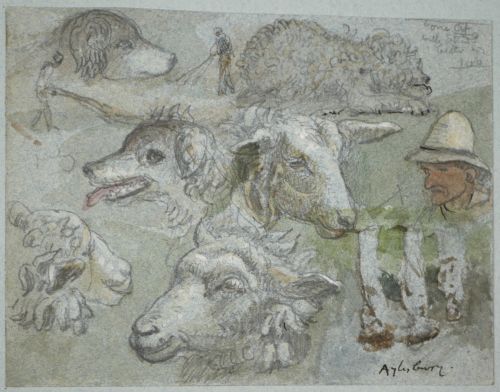
Artists painted primarily upon paper using water-soluble pigments, often supported by graphite underdrawings and ink outlines to define the composition. Gouache was occasionally introduced to add opaque highlights and dense body colour to the washes.
Makers utilised hair brushes to apply translucent layers of watercolour pigment, building depth through successive washes of colour. Finished works were traditionally protected beneath glass within framed settings to prevent moisture and light damage.
Listings feature works executed on paper using graphite, ink, and watercolour pigment across the Victorian, Edwardian, and mid-20th century periods.
What Varies in Quality
Quality rests upon the artist's handling of light, atmosphere, and spatial depth within the translucent medium. Superior works demonstrate confident brushwork and tonal control, capturing transient weather or coastal movement with precision.
Condition and preservation heavily influence the standing of a piece, particularly the retention of original pigment vibrancy and the absence of heavy fading. The strength of the composition and the specific regional significance of the subject matter further distinguish finer examples.
George Lorain Stampa·George Fotherly Hargitt·James Orrock·William Cannon·Sir James Dromgole Linton·John R Prentice·Thomas Ellison·Alfred Young Nutt·Percy Lancaster·James Smetham·John McDougal·EJ Letheren·Robert Leslie Howey·James E Aitken·Charles Edward Dixon·William Banks Fortescue·Henry Silkstone Hopwood·Muriel Metcalfe·Thomas William Morley·Robert Thorne Waite·John Smith Atherton·Hector Caffieri·Richard Henry Wright·Thomas Maidment·George Oyston
The Original British Watercolour Painting Glossary
- Watercolour pigment
- The finely ground colouring material mixed with a water-soluble binder used to create these paintings.
- Gouache
- An opaque watercolour paint containing added white pigment, utilised to create solid highlights and dense passages.
- Topographical
- A style of painting focused on accurately recording specific buildings, towns, or natural landscapes.
- Wash
- A thin, fluid layer of diluted watercolour pigment spread evenly across the paper to form skies or water.
- Provenance
- The documented history of ownership and exhibition associated with a specific work of fine art.
Original British Watercolour Painting: Frequently Asked Questions
How should I display my watercolour painting?
Watercolours are sensitive to direct sunlight, which can fade pigments over time. Hang your artwork away from strong windows and ensure it remains protected behind glass.
Keep the painting in a stable environment away from damp walls and excessive humidity to preserve the integrity of the paper support.
How do I identify the period of a painting?
Examine the framing, paper type, and artist signatures alongside any inscriptions left on the reverse of the work. Stylistic clues such as Victorian costume or early twentieth-century clothing also help date the piece.
Reference records for documented artists active during the nineteenth and twentieth centuries provide precise dating anchors for signed works.
Were these paintings made outdoors?
Many Victorian and Edwardian artists worked plein air, sketching initial watercolours directly on location before finishing larger compositions in the studio. Portable watercolour boxes made travel to coastal harbours and remote valleys practical.
Studio works often relied on these field sketches and graphite drawings captured during travels across Britain.
What is the difference between watercolour and gouache?
Traditional watercolour relies on transparent washes where the white of the paper shines through to illuminate the pigments. This creates luminous skies and gentle atmospheric effects.
Gouache incorporates opaque white pigment, allowing artists to paint light over dark areas and add solid body to details like crashing waves or white foam.