






Original British Landscape Painting
An original british landscape painting captures the shifting moods of countryside, coast and river through historic brushwork.
Original British Landscape Painting
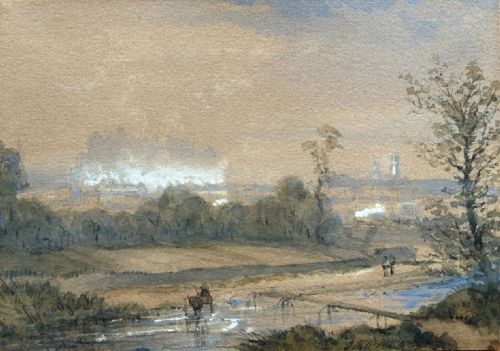
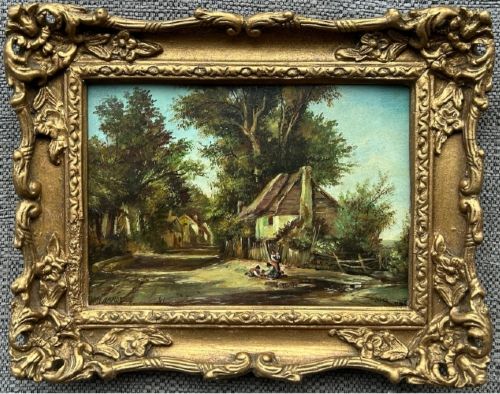
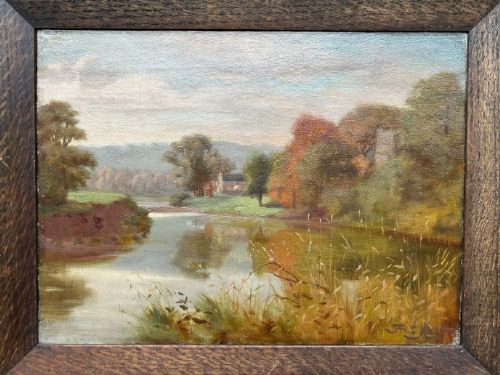
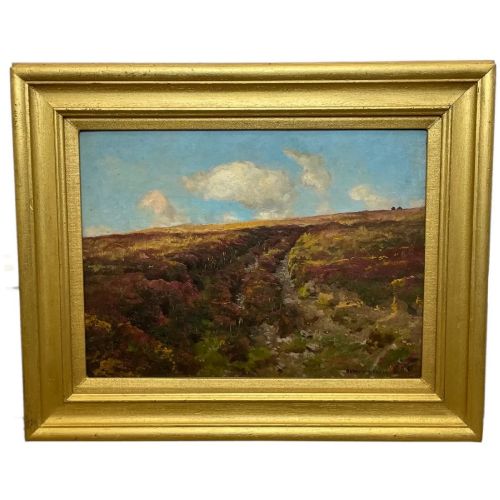
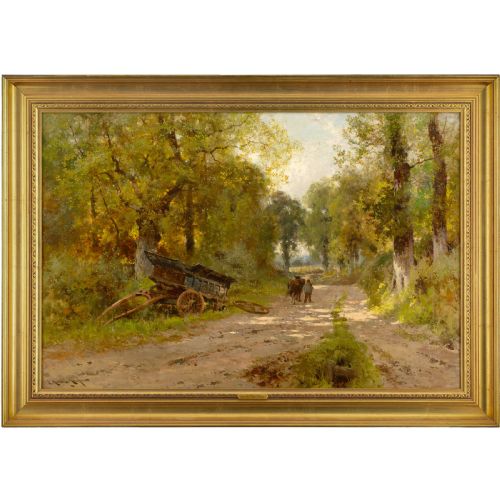
Collectors seeking an original british landscape painting encounter works spanning from the nineteenth century into the post-war period. These pieces record rural scenes, coastal villages, and highland views across England, Scotland and Wales.
Watercolours on paper and oil paintings on canvas or wood panel form the core of what is available. The selection ranges from detailed Victorian watercolours to impressionistic mid-twentieth-century board paintings.
How They Were Made
Artists worked primarily in watercolour on paper or applied oil paint to stretched canvas, wooden panels and thick board. Many Victorian and Edwardian painters practiced en plein air to capture immediate natural light and weather.
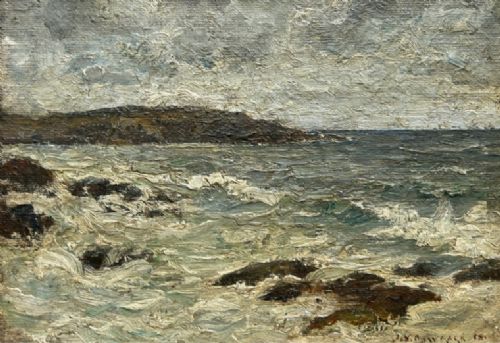
Brushwork varies from tight, illustrative detail in nineteenth-century watercolours to looser, impasto application in later impressionist and modern compositions.
Original British Landscape Painting Retail Price Guide 2026
Typical asking prices for original british landscape painting among the pieces listed under this phrase on Sellingantiques today, from the lower quarter to the upper quarter. They describe what is for sale here now, not the wider market.
Listings feature works created across paper, canvas, wood panel, and board.
What Varies in Quality
The strength of an original british landscape painting relies on the artist's handling of light, atmosphere and spatial depth. Superior works demonstrate confident brushwork and a clear sense of place rather than mechanical replication of scenery.
Compositional balance and the preservation of the paper or canvas surface separate standard topographical sketches from masterly gallery pieces.
Kenneth Cozens·George Fotherly Hargitt·James Orrock·John R Prentice·William H Myers·George Graham·Thomas Ellison·Tom Campbell·Alfred Young Nutt·Clifford Hanney·Percy Lancaster·William Howard Hardy·Frederick Marriott·Arthur Wardle·John Horace Hooper·A Mitchell·William Joseph Shayer Senior·John McDougal·Alfred Fontville de Breanski Jr·Sidney A Court·EJ Letheren·Robert Leslie Howey·James E Aitken·Kershaw Schofield·William Banks Fortescue
The Original British Landscape Painting Glossary
- Impasto
- Paint applied thickly to a canvas or board so that it stands proud of the surface. This technique creates a tangible texture that catches the light and emphasises the movement of the brush.
- En plein air
- The practice of painting outdoors to capture direct observations of natural light and weather. Artists working this way often completed their pieces in a single session.
- Grisaille
- A painting executed entirely in shades of grey or neutral monochrome. This method was frequently used for preparatory studies or tonal exercises.
- Provenance
- The documented history of ownership surrounding an artwork. A clear provenance helps establish authenticity and dates of creation.
Original British Landscape Painting: Frequently Asked Questions
How do I date an antique landscape painting?
Dating relies on stylistic clues, framing methods, and artist signatures recorded in historical records. Costume, architecture, and medium also help place a work within a specific decade.
Paper watercolours from the nineteenth century often display distinct watermarks or yellowing consistent with age. Oil paintings on board or canvas carry technical markers typical of Victorian or Edwardian workshops.
What is the difference between watercolour and oil?
Watercolour involves translucent pigments suspended in water applied to absorbent paper. Oil paint uses slow-drying linseed oil binders on rigid panels or stretched canvas.
Watercolours require protective glass framing to prevent moisture damage. Oils offer greater textural depth and endure without glass if properly varnished.
Where were these landscape scenes usually painted?
Artists travelled extensively across British rural regions, coastal harbours, and mountainous terrain. Popular locations included the Lake District, Scottish Highlands, Welsh river valleys, and Cornish fishing ports.
Many works document specific towns, rivers, and estates, serving as historical records of changing rural architecture.
How should I care for a vintage painting?
Keep artworks away from direct sunlight, high humidity, and rapid temperature fluctuations. Protect paper watercolours behind acid-free mounts and UV-filtering glass.
Oil paintings benefit from occasional gentle dusting with a soft, dry brush. Avoid hanging paintings near heat sources that could dry out canvas or wood panels.