

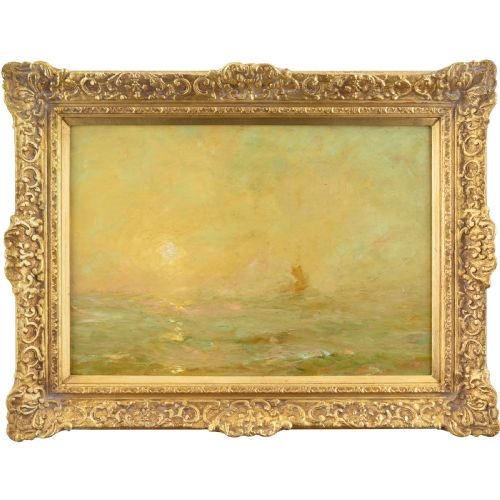
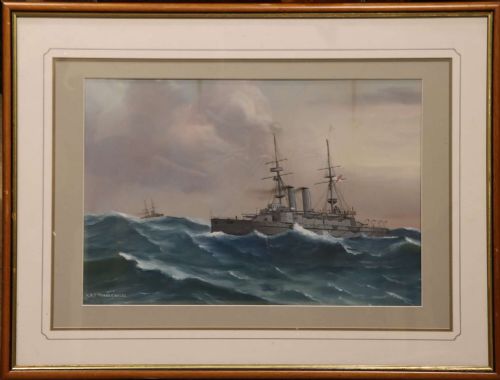
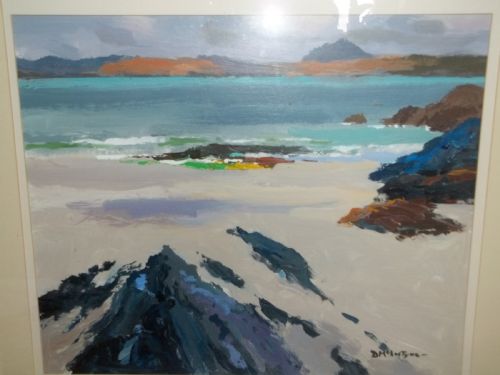
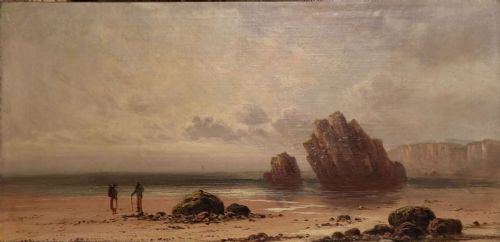


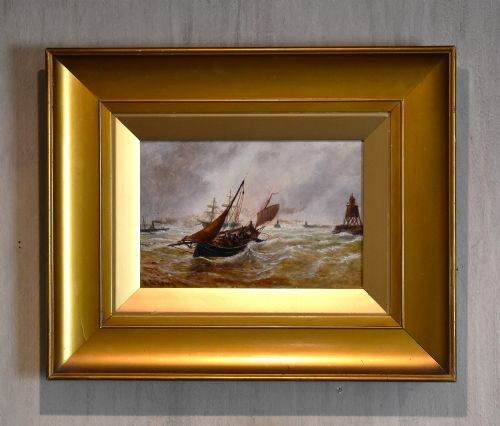
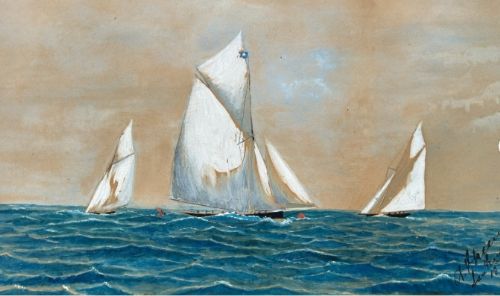
Original Sea Painting
An original antique sea painting captures the perpetual motion of coastal tides, working harbours and merchant vessels through the eyes of past generations.
Original Sea Painting
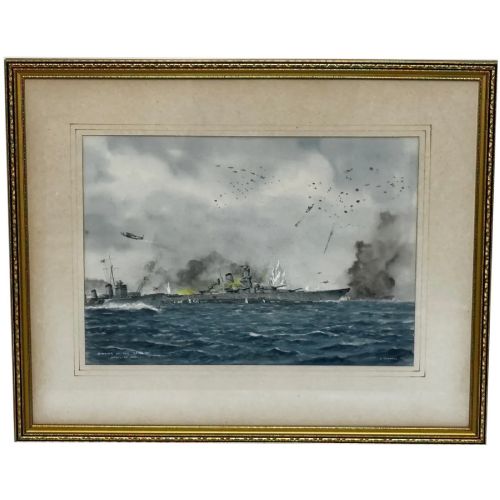
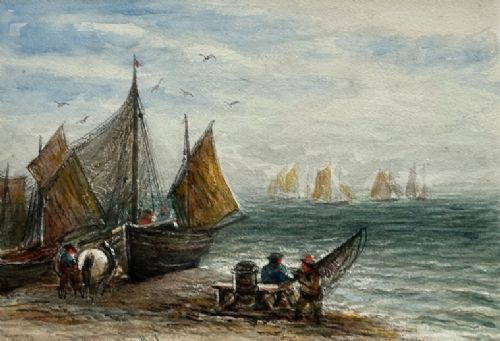
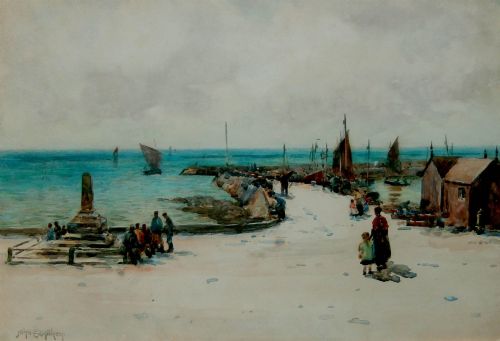
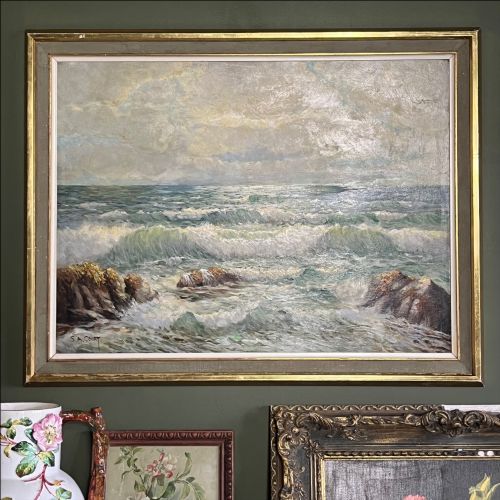
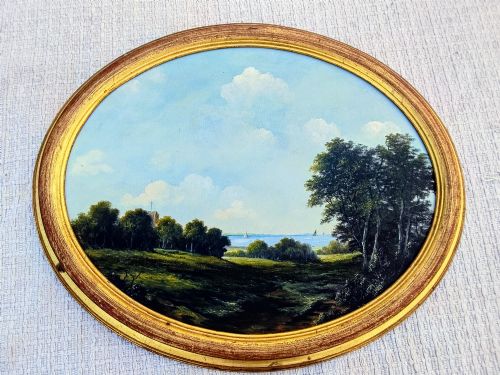
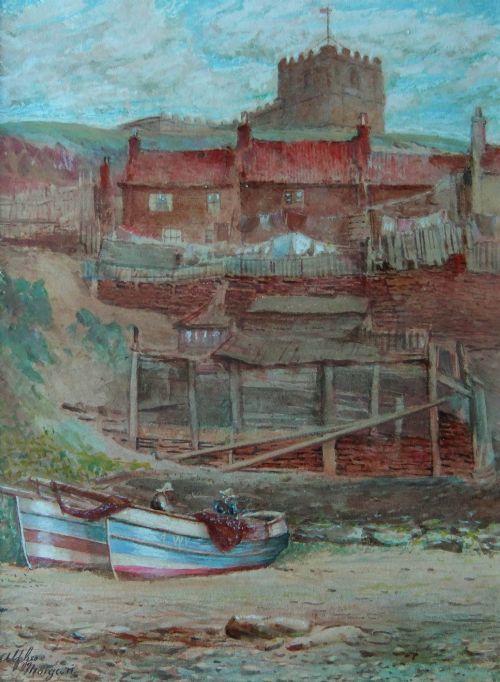
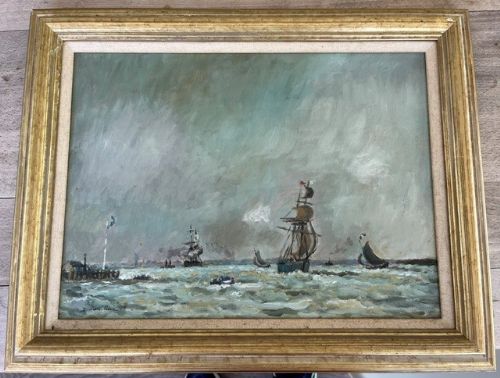
When searching for an original antique sea painting, buyers encounter works depicting coastal life, rough seas, fishing vessels and naval engagements across various historic periods. These artworks range from intimate watercolours on paper capturing local Yorkshire harbours to large oil paintings on canvas depicting towering nineteenth-century warships and clipper ships.
The selections available bridge the eighteenth century through to the mid-twentieth century, featuring British and European regional scenes. Domestic fishing boats sheltering near rocky shores appear alongside grand French coastal vistas and quiet sunny beachside studies.
Most pieces date from the nineteenth and early twentieth centuries, reflecting a period of intense artistic fascination with maritime subjects, local coastal trade and the changing moods of the sea.
How They Were Made
Artists painted primarily with oil paint on stretched canvas, wooden boards or cardboard, while others worked in watercolour, gouache and pencil on paper. Oil mediums allowed for textured impasto applications to mimic churning waves, whereas watercolours provided transparent washes suited to atmospheric coastal light and sky.
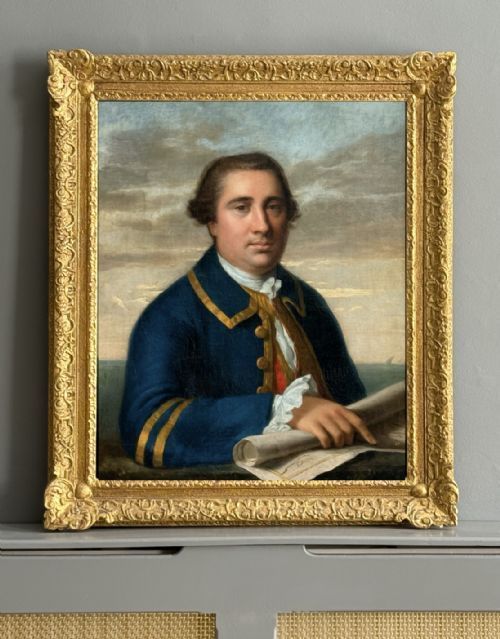
Many of these works remain housed in their period gilt wood frames, reflecting the original presentation chosen by the artist or contemporary framers.
Original Sea Painting Retail Price Guide 2026
Typical asking prices for original sea painting among the pieces listed under this phrase on Sellingantiques today, from the lower quarter to the upper quarter. They describe what is for sale here now, not the wider market.
The listings span the eighteenth, nineteenth and twentieth centuries, using paper, canvas, wood and glass.
What Varies in Quality
Quality rests upon the artist's ability to render water in motion, atmospheric light and the structural rigging of vessels with convincing anatomical and spatial accuracy. Masterful handling of paint creates depth in stormy seas and luminosity in coastal skies, whereas lesser works rely on formulaic repetition without observing natural light.
The distinction also lies in the strength of provenance, firm artist signatures, and whether the work retains its original backing and period framing without heavy intervention.
Lemuel Francis Abbott·James Orrock·Charles Edward Dixon·William Banks Fortescue·Alfred G Morgan·Bernard Benedict Hemy·Henry Barlow Carter·George F Pennington·Raymond Moritz·Charles Napier Hemy·Jean-Baptiste Olive·William Lee Hankey·William Frederick Settle·John McDougal·Charles Malfroy·John E Aitken·Roger de la Corbiere·Samuel Owen·Frederick Stuart Richardson·Thomas Rose Miles
The Original Sea Painting Glossary
- Watercolour
- A painting method where fine pigment is suspended in a water-soluble binder, traditionally applied to heavy paper.
- Impasto
- Paint laid thickly onto a surface so that brush or palette knife marks stand visibly proud, adding physical texture to crashing waves or stormy skies.
- Gouache
- An opaque water-based medium containing pigment mixed with water and a binding agent, often yielding a solid matte finish.
- Gilt wood
- Wood carved and coated with a thin layer of gold leaf or metallic paint, commonly used for traditional picture framing.
- Man-of-war
- A powerful armed sailing warship utilised by royal navies during the eighteenth and nineteenth centuries.
Original Sea Painting: Frequently Asked Questions
What subjects do antique marine paintings show?
These artworks illustrate a wide array of maritime activities, including local fishing boats returning to harbour, coastal towns, naval battles and merchant ships navigating rough waters.
Scenes range from calm continental beaches to dramatic British coastlines featuring sea stacks, cliffs and working harbours.
How do I care for antique watercolours?
Watercolours on paper require careful placement away from direct, strong sunlight to prevent the fading of delicate pigments and paper discolouration.
Glazing with conservation-grade glass and stable framing helps protect these sensitive works from ambient moisture and environmental changes.
Are these paintings signed by the artists?
Many listings feature works bearing clear signatures, monograms or contemporary attributions to known British and European painters of the period.
Others remain indistinctly signed or represent the output of regional schools where the specific hand of the artist is lost to time.
What materials were commonly used?
Artists worked primarily with oil paint on canvas, board or card, alongside watercolour and gouache applied directly to paper.
Supports often show their age through traditional wooden stretching frames, old backing boards and original gilt wooden surrounds.