





Original Landscape
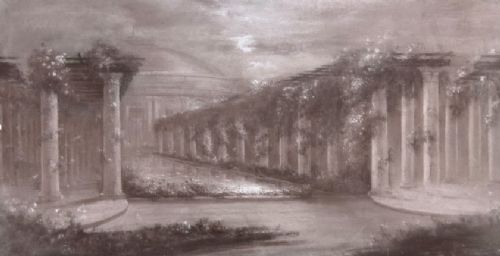
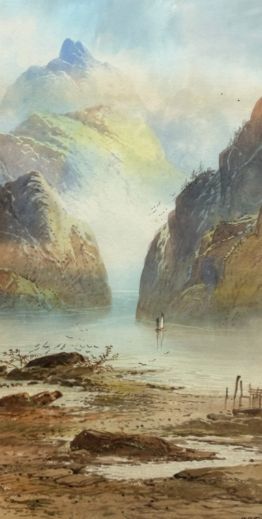
Searching for an original antique landscape brings you face to face with painted rivers, coastlines, and mountains captured by nineteenth and early twentieth-century artists.
Original Landscape
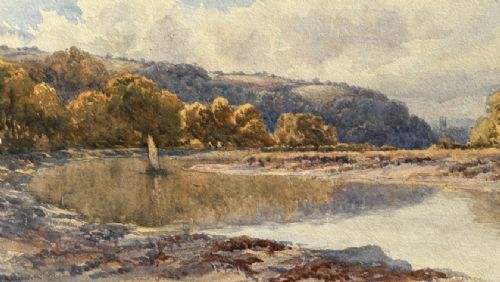
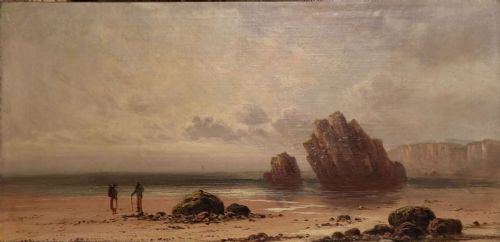
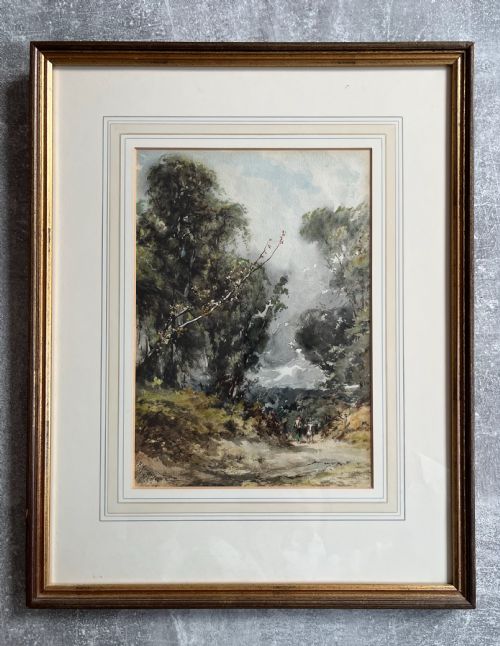
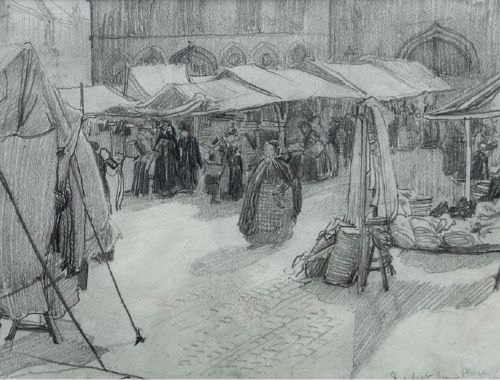
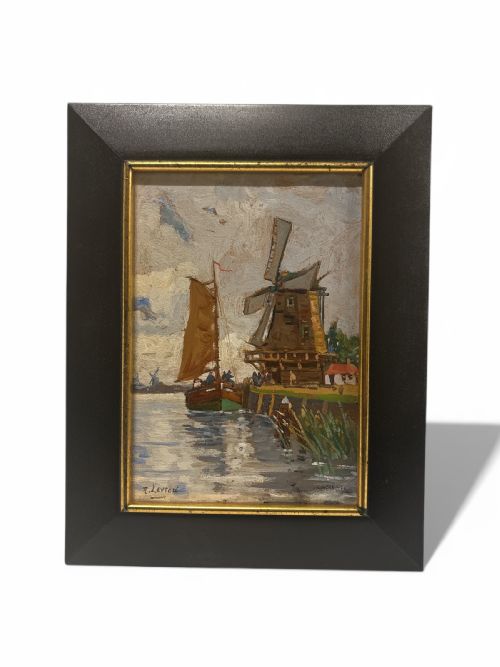
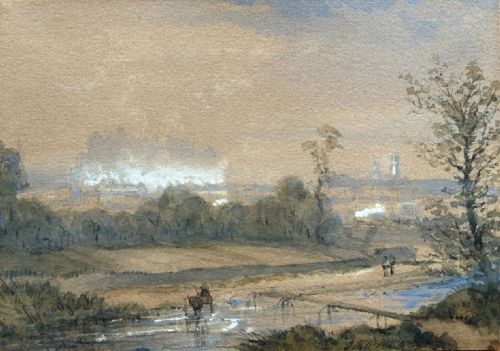
When you search for an original antique landscape, you encounter framed paintings and works on paper created primarily during the Victorian and Edwardian eras. These pieces depict natural scenery, coastal views, rivers, and pastoral countryside from Britain and continental Europe.
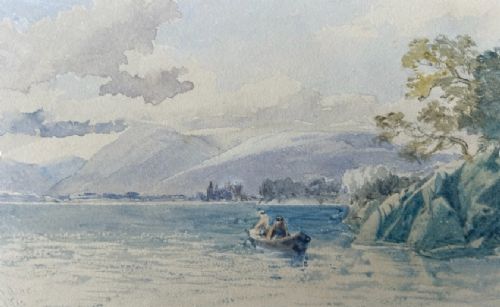
The most common formats on this page are watercolours on paper and oil paintings executed on canvas, wood panels, or boards. Works range from intimate watercolour sketches to substantial framed oils produced by regional artists and Royal Academy exhibitors alike.
Materials and Techniques
Artists of these periods worked with oil paint on stretched canvas, wooden panels, or academy boards, often building rich impasto textures or thin, luminous glazes. Watercolour paintings on paper frequently utilised pencil underdrawings and gum arabic highlights to achieve depth and atmospheric light.
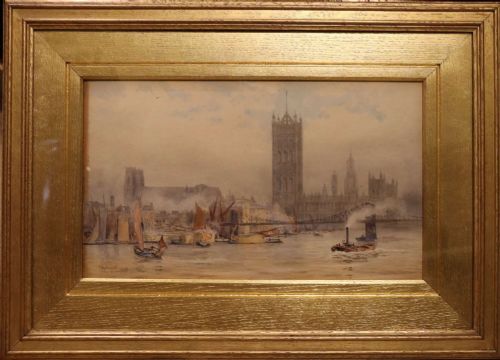
Framing forms an integral part of the construction, with many surviving pieces housed in their original giltwood frames that complement the palette and period of the artwork.
Several sheep occasionally make unexpected appearances as the primary critics of nineteenth-century pastoral life.
Distinctions in Execution
Quality in these landscapes rests upon the artist's command of light, shadow, and spatial composition, distinguishing spirited plein-air observations from rigid formulaic copies. Stronger works display confident brushwork or deft watercolour washes that capture transient weather and atmospheric perspective with conviction.
The integration of the artwork with its period frame and the clarity of the artist's signature or archival provenance further elevate the standing of an individual piece within the field.
David Law·Eugène Verboeckhoven·Thomas Miles Richardson Jnr·James Orrock·William Henry Earp·Tom Campbell·George Houston·John Syer
The Original Landscape Glossary
- Impasto
- Paint applied thickly to a canvas or board, standing visibly above the surface and retaining the marks of the brush or palette knife.
- Watercolour
- A painting method where finely ground pigments are suspended in a water-soluble binder, traditionally applied to absorbent paper.
- Giltwood
- Timber carved and coated with a thin layer of gold leaf, commonly utilised for traditional picture frames of the nineteenth century.
- Provenance
- The documented history of ownership surrounding a work of art, establishing its authenticity and past exhibition record.
- Plein-air
- The practice of painting outdoors to directly capture the changing effects of natural light and weather upon the landscape.
Original Landscape: Frequently Asked Questions
How do I care for antique watercolours?
Works on paper require protection from direct sunlight to prevent fading of the delicate pigments used by nineteenth-century artists. Maintain them behind glass with acid-free mounts in rooms with stable humidity.
Avoid hanging watercolour paintings in damp environments or areas subject to extreme temperature fluctuations. Proper conservation framing preserves the integrity of both the paper support and the historical backing boards.
Are oil paintings on wood panel fragile?
Wood panels provide a rigid and durable support for oil paint, though they react to significant changes in moisture and heat. Stable indoor conditions prevent the timber from warping or causing the paint surface to craze.
Inspect the reverse of panel paintings occasionally to ensure the wood remains uncompromised. Most nineteenth-century panels are stable if kept away from direct heat sources like radiators.
How can I tell a watercolour from a print?
Examine the surface under magnification to check for the continuous brushstrokes and pooled pigment characteristic of hand-applied watercolour washes. Prints generally display microscopic dot patterns or uniform ink absorption across the paper.
Original watercolours also show subtle indentations from the artist's pencil underdrawing or the pressure of the brush against the fibres of the paper.
What subjects were popular in Victorian landscapes?
Victorian artists frequently recorded familiar rural scenes, Highland cattle, river valleys, and dramatic coastal cliffs across Britain. Pastoral views incorporating agricultural workers, sheep, and historic castles held wide appeal for contemporary collectors.
Continental subjects, particularly Dutch harbours and Venetian canals, also attracted significant interest from artists travelling abroad during the nineteenth century.