


English Woodland Scene
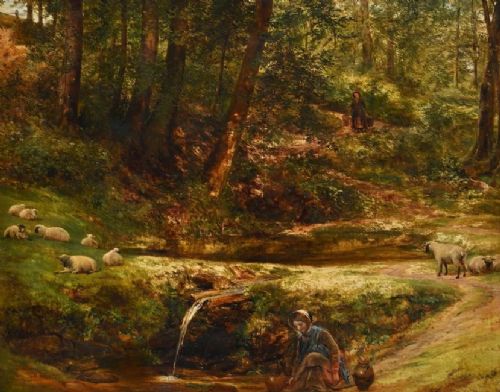
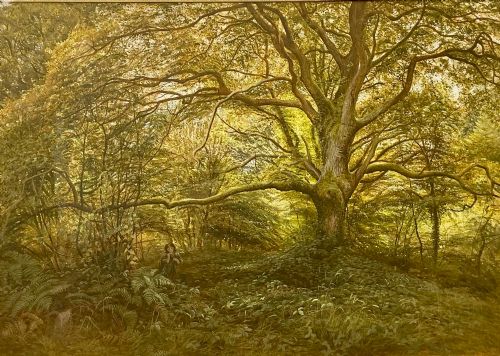
These pieces capture an english woodland scene through the observant eyes of nineteenth and twentieth-century painters.
English Woodland Scene
An english woodland scene on this page typically takes the form of an oil painting, a watercolour on paper, or an antique print. These works record leafy river glens, quiet streams, and bluebell woods from periods including the Victorian era and the early twentieth century.
Makers and artists working within British Impressionism, Victorian Naturalism, and the Traditional British School produced these landscapes. The subjects range from expansive woodland paths to intimate riverside views.
How they were made
Artists applied oil paint to canvas or wood panels, and watercolours to paper, capturing the varied light of British forests. Many works are framed and preserve the original surface texture of the brushwork.
The supporting materials span canvas, paper, and wood, often housed behind glass in the case of watercolours and prints to protect the delicate pigments.
Materials in this selection include watercolour on paper, oil on canvas, glass, and wood.
What varies in quality
The strength of composition and the handling of light separate the finest examples from standard decorative works. A skilled hand renders the depth of a wooded riverbank with confident brushwork rather than flat repetition.
Condition and legibility of the signature also influence the standing of a piece. Works by named painters with documented exhibition histories or clear provenance carry greater artistic weight.
Richard Redgrave·Bonomi Edward Warren·John Wright Oakes·Walter Follen Bishop·Rowland Henry Hill·Edmund George Warren·Charles James Adams·Charles Edward Holloway·Lester Sutcliffe·Benjamin Callow·Walter Emsley·William Mellor·Everett W Mellor
The English Woodland Scene Glossary
- Watercolour
- A paint consisting of colour pigments suspended in a water-based solution, traditionally applied to paper.
- Canvas
- A heavy woven fabric stretched across a wooden frame to serve as a durable surface for oil paintings.
- Impressionism
- A style of painting emphasising spontaneous brushstrokes and the shifting qualities of natural light.
- Provenance
- The documented history of ownership of an artwork, establishing its authenticity and origin.
English Woodland Scene: Frequently Asked Questions
How do I date an english woodland scene?
Look to the framing materials, paper types, and artist signatures recorded on the work. Victorian pieces often carry distinct stylistic markers of nineteenth-century naturalism.
Examine the back of the panel or canvas for old exhibition labels, handwritten inscriptions, or stamps left by historical framers.
Where should I hang these oil paintings?
Keep oil paintings and watercolours away from direct sunlight and damp walls to protect the canvas and paper. A stable indoor environment prevents the wood and paint layers from cracking.
Position the work at eye level on a neutral wall so the natural tones of the forest can be properly appreciated.
What is the difference between oil and watercolour?
Oil paint uses a drying oil binder that allows for rich texture and slow blending on canvas or wood boards. Watercolour relies on water-soluble pigments on paper, creating a luminous and transparent effect.
Watercolours require protection beneath glass, whereas most traditional oil paintings remain exposed to the air.
Are these works all by named artists?
The selection includes signed pieces by known painters alongside unsigned watercolours and prints from the same periods. Both categories depict traditional British landscape subjects.
Attribution often rests on legible signatures, contemporary inscriptions, or stylistic similarities to known works of the British School.