
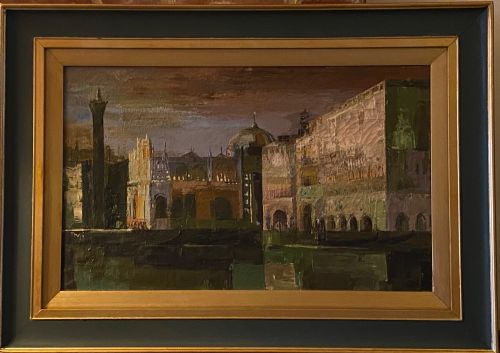
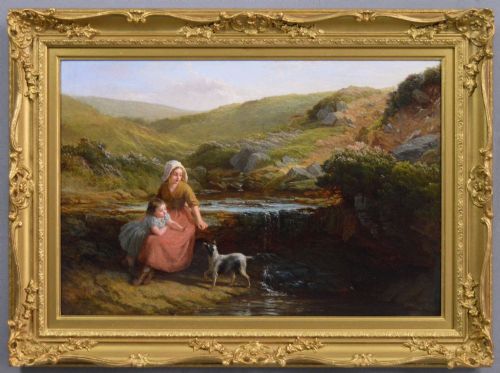
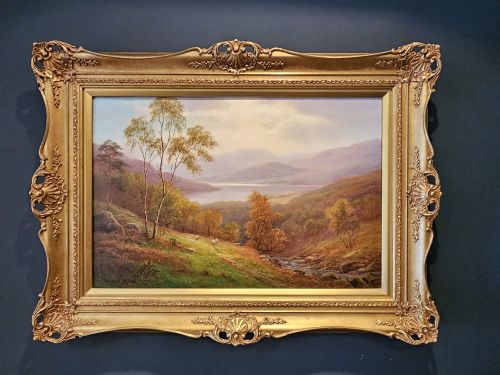
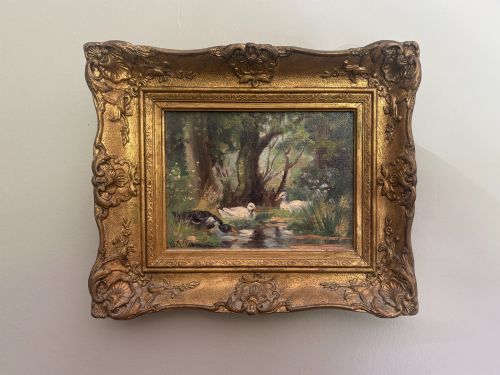
Original Canvas
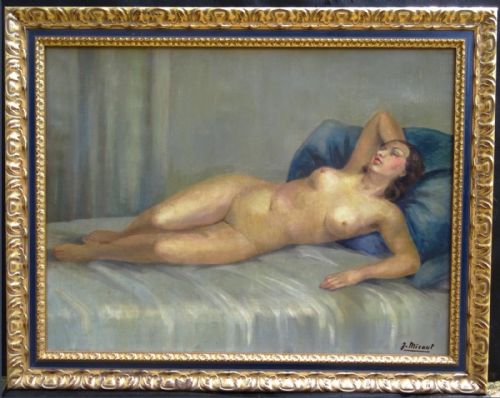
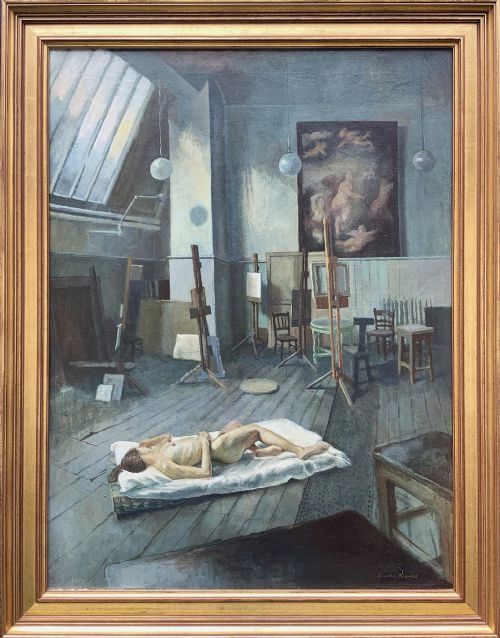
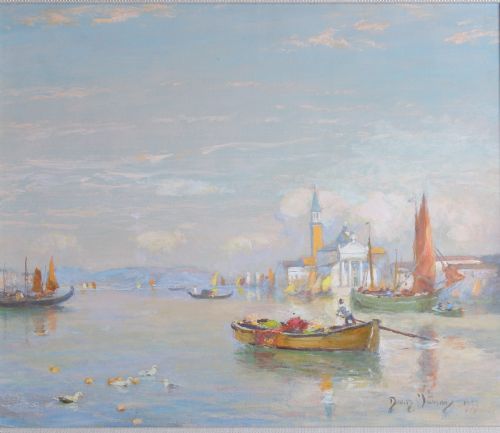
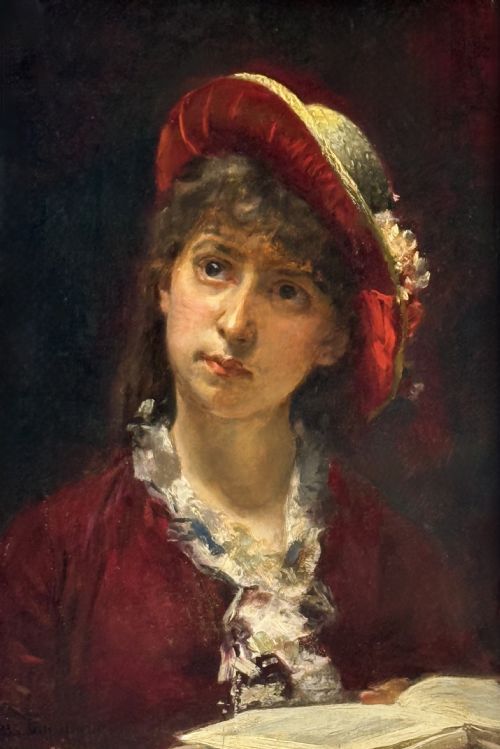
Original antique canvas brings together centuries of painted oil portraits, landscapes and still lifes created across British and European workshops.
Original Canvas
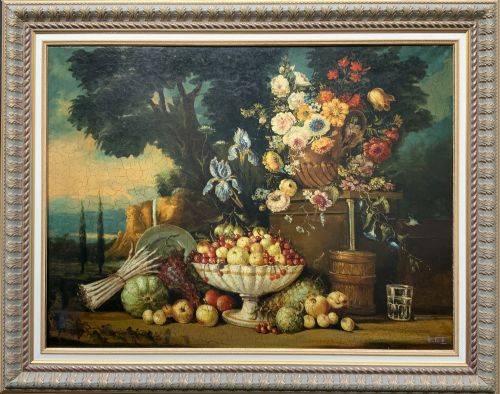
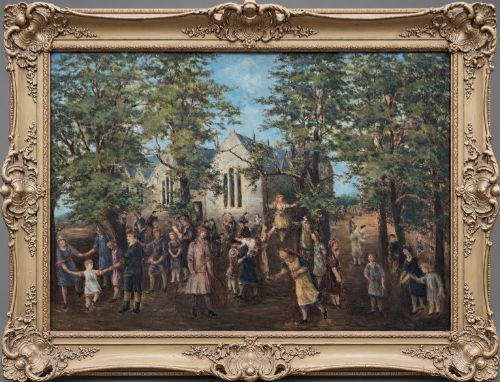
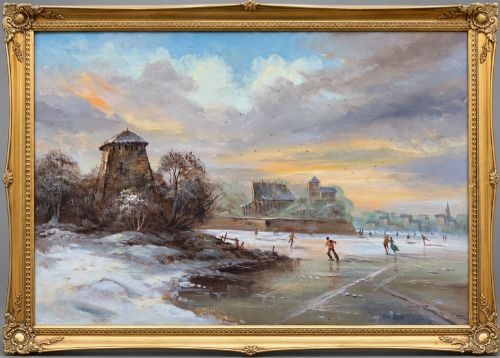
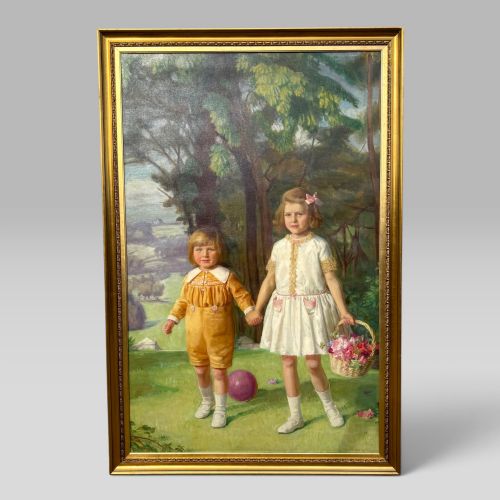
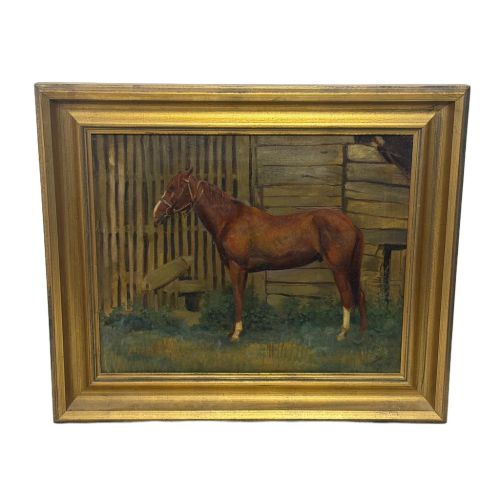
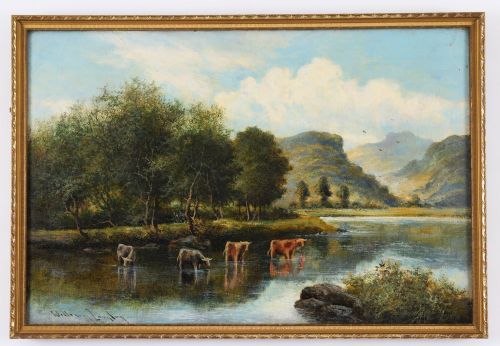
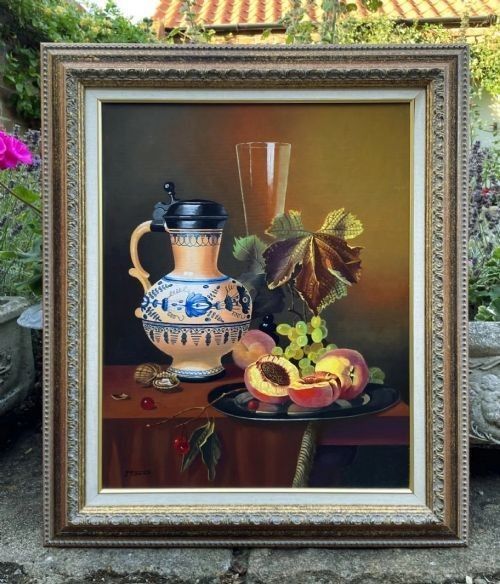
Original antique canvas spans centuries of painted artistry, featuring formal portraiture, pastoral landscapes, coastal scenes and still lifes. These works record historical figures, domestic interiors and rural vistas through the brush of named artists and regional schools.
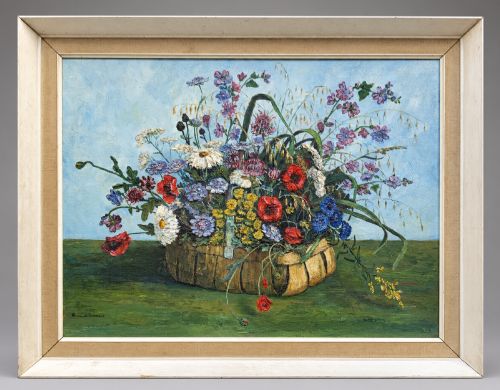
The selection here ranges from seventeenth-century nobility portraits to mid-twentieth-century floral studies and genre scenes. Buyers frequently encounter nineteenth-century British and European landscapes alongside traditional oil portraits mounted in period frames.
Works on this page encompass framed canvases, panels and works laid onto board, reflecting diverse methods of preservation and display employed over generations.
How they were made
Artists painted primarily with oil pigments applied to stretched woven canvas, sometimes utilising gesso grounds to prepare the textile surface before painting. Frames constructed from wood and embellished with gilt gesso completed the presentation.
Support techniques evolved to include canvases laid onto board for added stability, while original stretchers preserved the tension of the woven fabric over decades of display.
Several canvases quietly record the watchful presence of farmyard pigs, sheep, dogs, and domestic cats peering from corners.
What varies in quality
The strength of composition and the precision of brushwork distinguish master works from student pieces or provincial copies. Skilled handling of light, shadow and anatomical proportion elevates certain portraits and landscapes significantly.
The integrity of the original canvas surface and the survival of matching period frames contribute heavily to desirability among serious collectors.
Eugène Verboeckhoven·David Scougall·Bernard Hailstone·William H Myers·George Graham·John Hayls·Charles Jervas·Frederick Marriott·Arthur Wardle·Eugène-Louis Gillot·John Horace Hooper·Lemuel Francis Abbott·Alfred Fontville de Breanski Jr·George Houston·Stephen Samuel Lewin·Vittorio Reggianini·Thomas W Lascelles·Gabriel Mathieu·David Bates·Arthur Gué·Benjamin Barker of Bath·Alfred Lyndon Grace·G. J. S. Bary
The Original Canvas Glossary
- Impasto
- Paint applied in thick layers that stand out from the canvas surface, creating visible texture and depth. This technique highlights the physical movement of the artist brush.
- Gesso
- A traditional paint mixture consisting of a binder mixed with chalk, gypsum, or pigment, used to prepare wood or canvas surfaces. It provides a smooth base for oil painting.
- Genre painting
- The pictorial representation of scenes from everyday life, such as domestic interiors or market scenes. These works capture social history and ordinary human activity.
- Provenance
- The documented history of ownership of an artwork, establishing its authenticity and lineage. A clear record adds historical context to the piece.
Original Canvas: Frequently Asked Questions
How do I date an antique oil painting?
Dating relies on stylistic evidence, costume details in portraits, stretcher construction, and artist signatures where available. Comparative analysis with documented works helps narrow the period of creation.
Material analysis of the canvas and pigments further supports historical attribution when official documentation is absent.
Are all these paintings on woven canvas?
Most works utilise traditional woven canvas stretched over wooden frames, though some period pieces utilise canvas laid onto board for additional structural support.
Frame materials and backing boards also vary according to the conservation history of each individual artwork.
How should I care for an oil painting?
Keep paintings away from direct sunlight, high humidity, and rapid temperature fluctuations to protect both the canvas support and the delicate oil pigments. Gentle dusting with a soft, dry brush maintains the surface.
Avoid chemical cleaners and professional restoration should be left to conservators when structural issues arise.
What is a portrait study?
A portrait study represents a preliminary or focused exploration of a subject likeness, often capturing facial expression and character rather than a formal seated pose. These works offer insight into the artist working method.
Many studies show looser brushwork and greater spontaneity than finished commissioned portraits.