

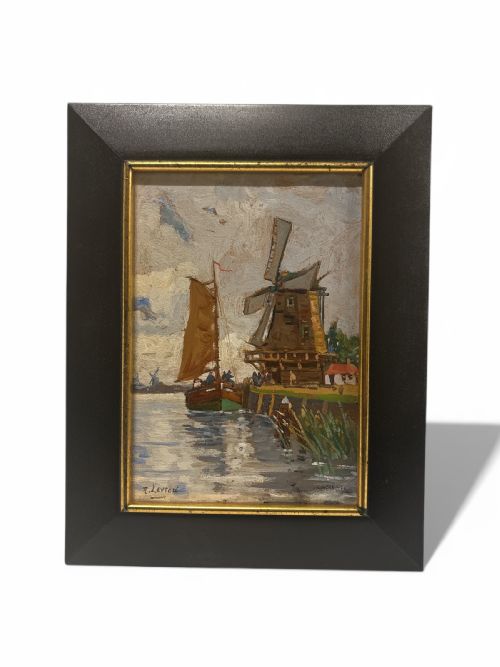


Original 20th Century Painting
Discover an original 20th century painting, capturing historical moments and artistic movements through enduring brushwork.
Original 20th Century Painting
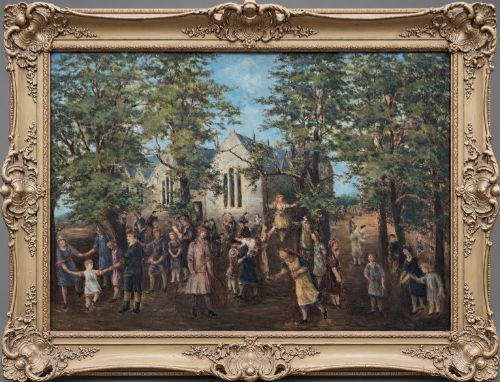
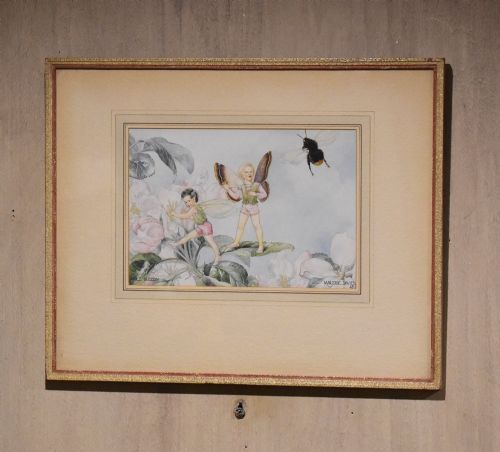
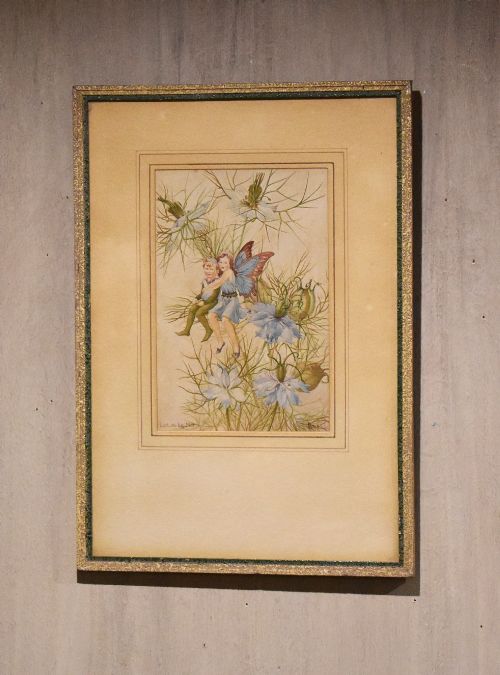
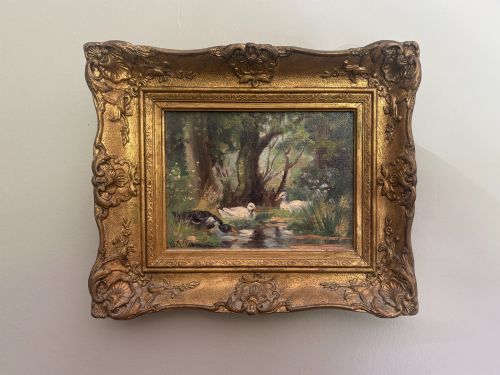
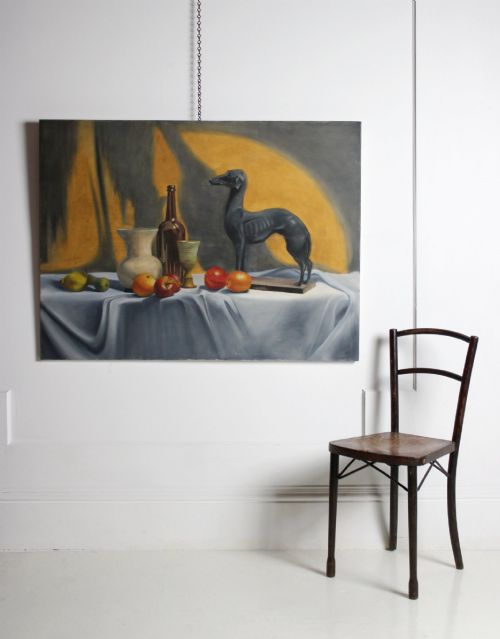
An original 20th century painting represents the diverse artistic output spanning from the Edwardian era through the mid-century decades, capturing landscapes, portraits, and still lifes. Buyers frequently encounter watercolours and oil paintings created by regional British artists, recording domestic scenes, coastal views, and pastoral landscapes.
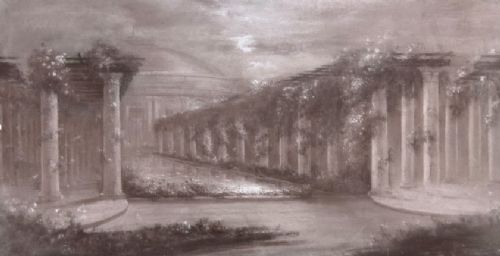
The works reflect prevailing artistic movements such as Post-Impressionism, Modern British, and Tonalism. These pieces offer a direct connection to the aesthetic developments of the past century, executed on various supports by both named professionals and the British School.
How They Were Made
Artists applied oil paint or watercolour pigments onto traditional supports including canvas, stretched paper, prepared board, wood panels, and card. Many canvases are secured to wooden stretchers or laid down onto supporting boards for stability.
Framing often complements the period, utilising gilt frames or simple wooden mouldings to protect the fragile surfaces of paper and canvas.
Listings feature works created on canvas, board, paper, and wood panels using oil and watercolour.
What Varies in Quality
The calibre of a work depends upon the sureness of the brushwork, the harmony of the palette, and the artist's ability to capture light and atmosphere within the chosen medium. Strong compositional structure and confident execution distinguish accomplished academic and regional works from routine studies.
Condition plays a part in preservation, where undisturbed surfaces, original stretchers, and stable pigments maintain the integrity of the composition as the artist left it.
Kenneth Cozens·George Lorain Stampa·William Cannon·Tom Campbell·Percy Lancaster·John Hassall·Eugène-Louis Gillot·Robert Leslie Howey·Kershaw Schofield·Charles Edward Dixon·George Houston·John E Aitken·Eric Tufnell·Robert Morson Hughes·Arthur Gué·Muriel Metcalfe·Clive Browne·Peter Brannan·Carl Felkel·Raymond Booth·Francis Plummer·James Stroudley·Arthur Wardle·Arthur W Newsholme·George F Pennington
The Original 20th Century Painting Glossary
- Canvas
- A heavy woven fabric stretched across a wooden frame to serve as a support for oil paint. It provides a slightly textured surface that holds layered brushstrokes effectively.
- Board
- A rigid flat sheet of wood pulp or compressed material utilised as a sturdy alternative to canvas. It offers a completely stable surface for direct application of oil paint.
- Watercolour
- A paint consisting of water-soluble pigments applied to paper supports. It relies on the white of the paper showing through translucent washes to create luminosity.
- Impressionism
- An art style focused on accurate depiction of light in its changing qualities and ordinary subject matter. Artists utilised visible brushstrokes and open compositions.
- Stretcher
- A wooden framework that holds a canvas taut under tension. Traditional frames allow the fabric to be keyed out or adjusted over time.
Original 20th Century Painting: Frequently Asked Questions
What subjects are common in these paintings?
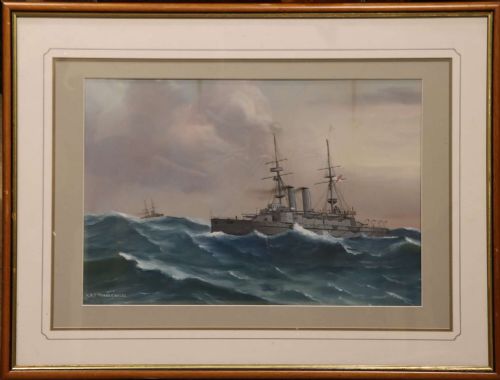
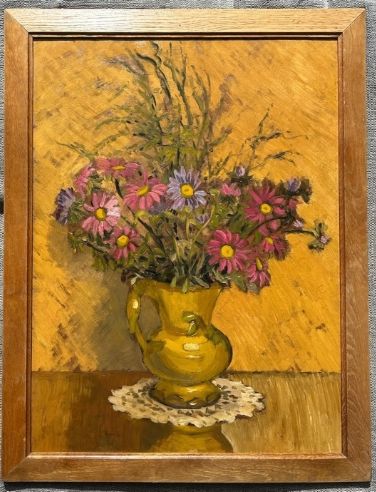
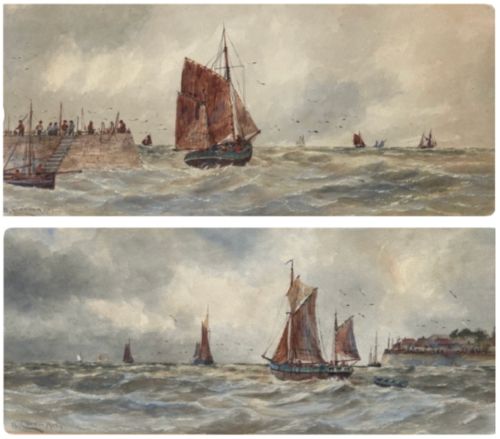
The works frequently depict British coastal views, rural landscapes, pastoral scenes with livestock, and floral still lifes. Painters also recorded townscapes, maritime scenes with sailing barges, and architectural studies.
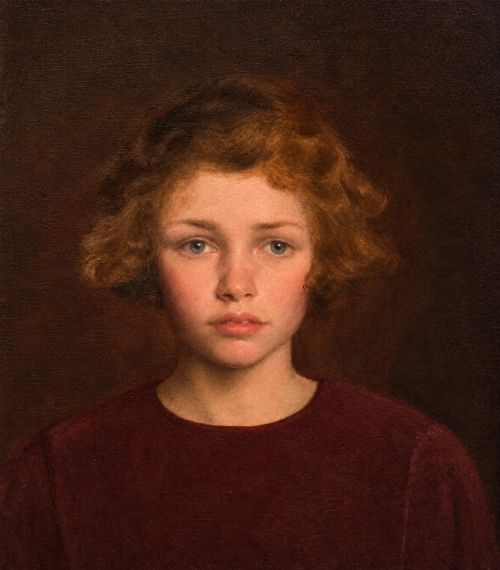
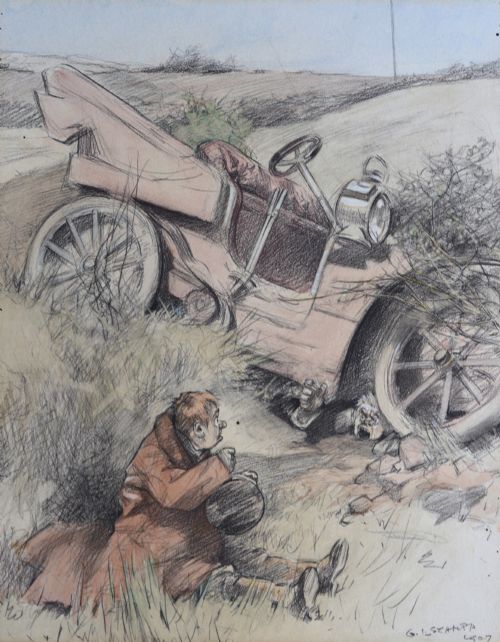
Portraits and figurative works also appear among these creations, offering glimpses into daily life during the decades of the twentieth century.
How should I care for an oil painting?
Keep paintings away from direct sunlight and sudden shifts in temperature or humidity to protect the canvas and paint layers. Display them on interior walls where environmental conditions remain stable.
Dust surfaces gently with a soft, dry brush without applying moisture or cleaning solutions to the pigment.
How do I identify watercolours from oils?
Watercolours are painted on paper, often showing transparent washes of pigment where the paper texture remains visible beneath. They are typically displayed behind glass for protection.
Oil paintings utilise thicker, opaque pigments applied to canvas, board, or wood panels, possessing a distinct tactile surface that does not require glass.
Where were these artists active?
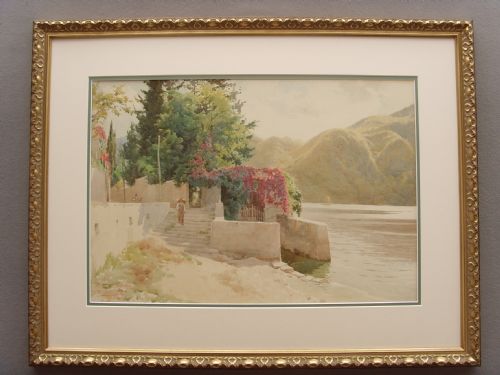
Many painters worked across regional communities throughout Britain, recording local landscapes in Cumbria, Yorkshire, Scotland, and Cornwall. Other creators travelled to European locations including France, Italy, and Switzerland.
Studio artists also produced still lifes and portraits from urban settings and art schools across the country.