

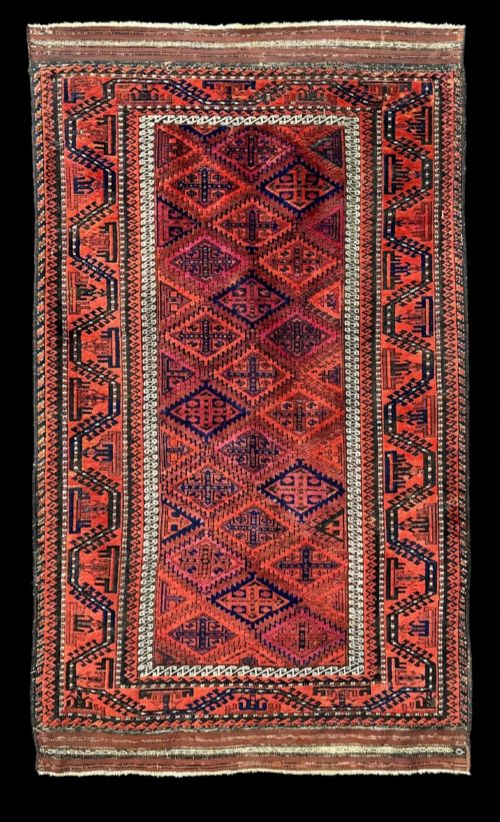
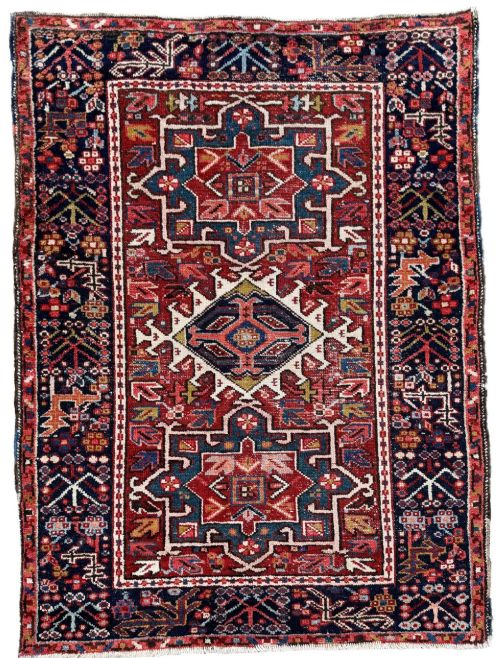
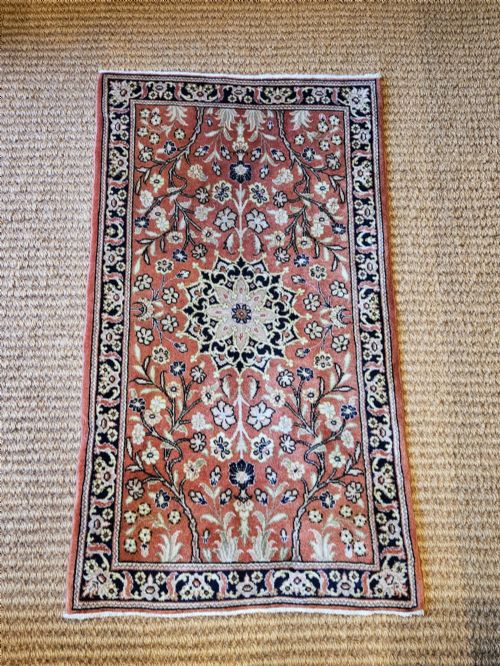
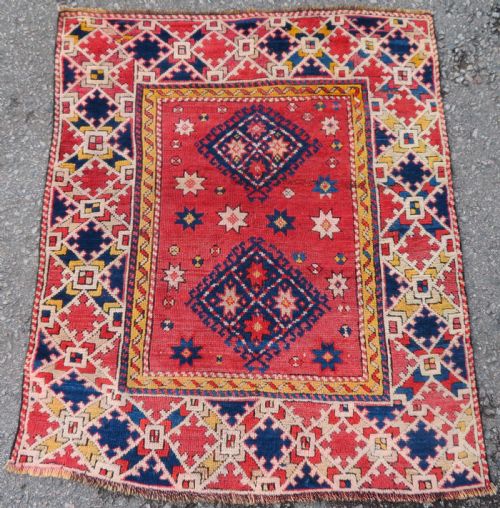
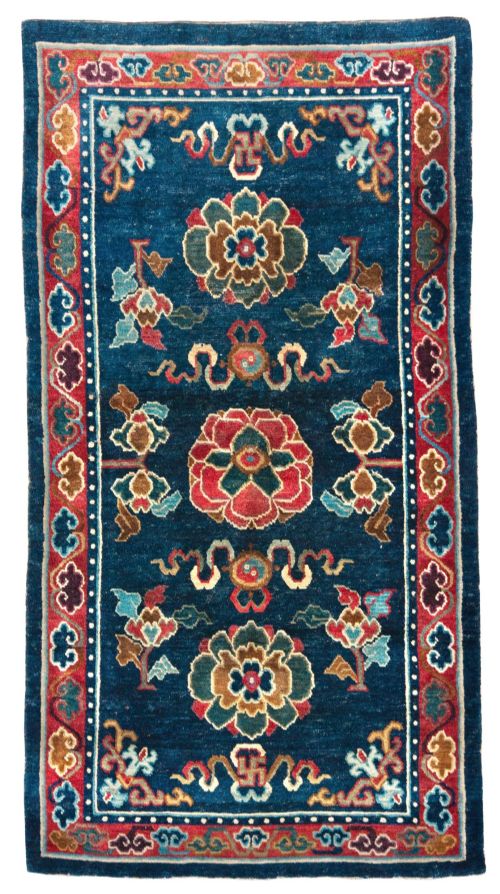
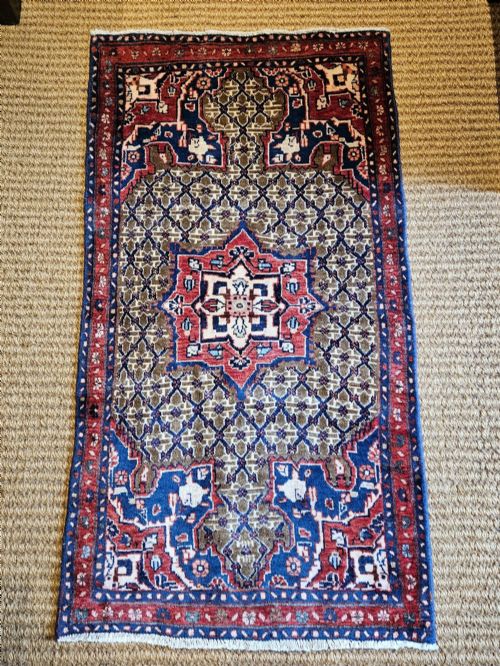
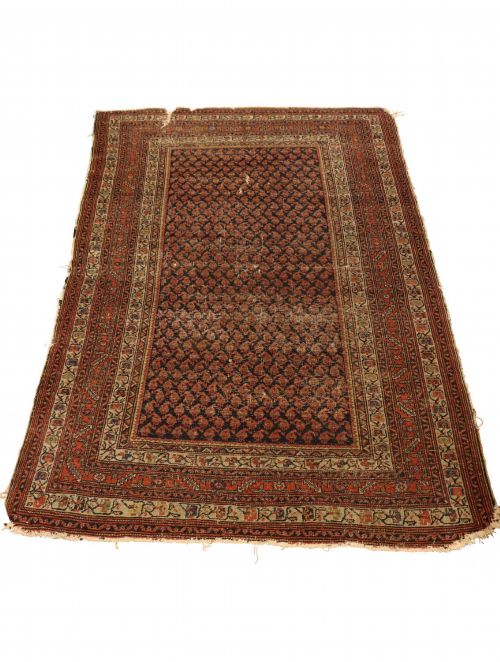
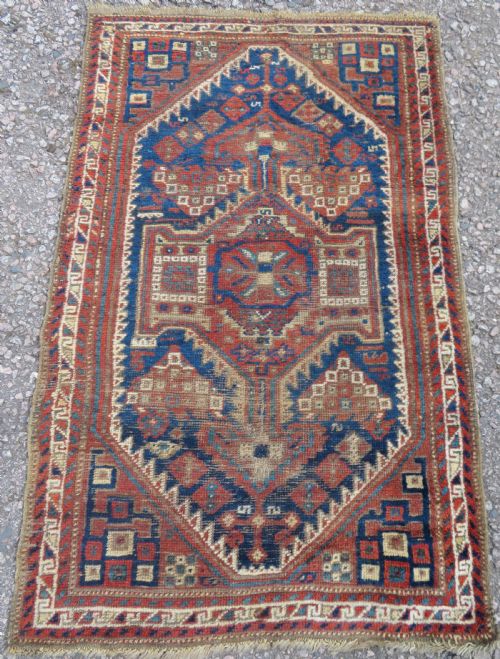
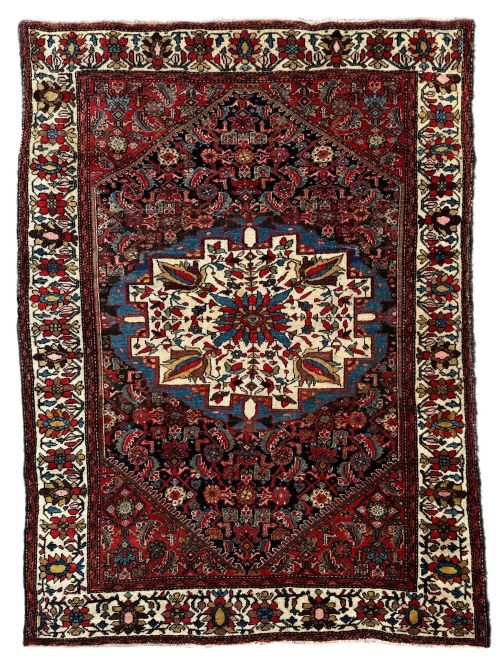
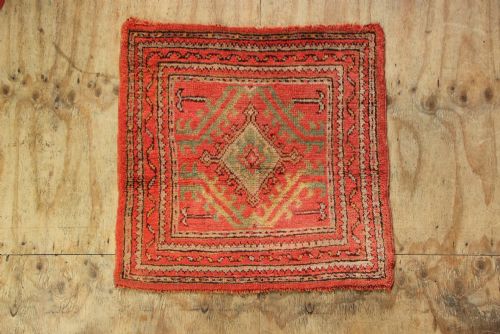
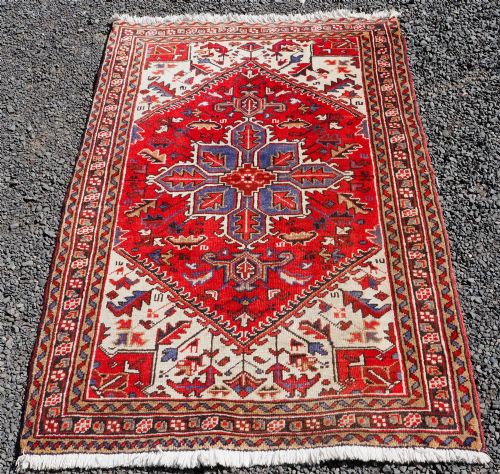
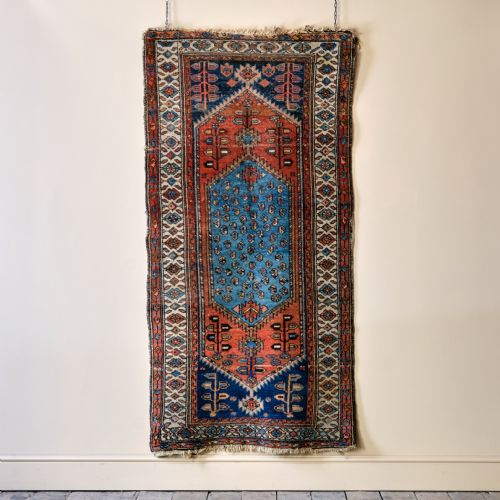


Oriental Wool Hearth Rug
An oriental wool hearth rug brings warmth, pattern and historic character directly to the floor in front of a fireplace.
Oriental Wool Hearth Rug
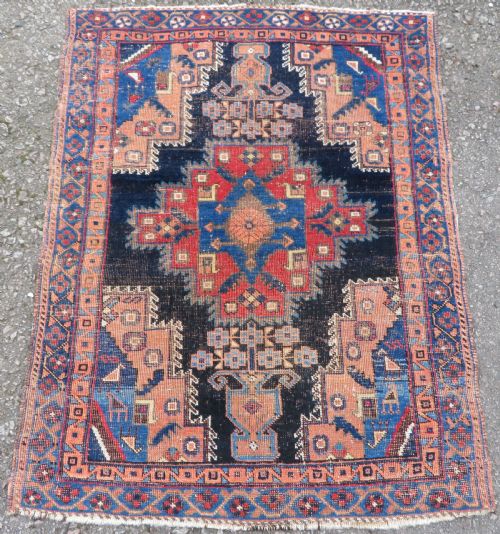
An oriental wool hearth rug covers the specific floor space in front of a fireplace, designed in smaller dimensions to fit hearths comfortably. Buyers searching this phrase encounter hand-knotted village and tribal carpets originating from Persia, Anatolia, the Caucasus, and Central Asia.
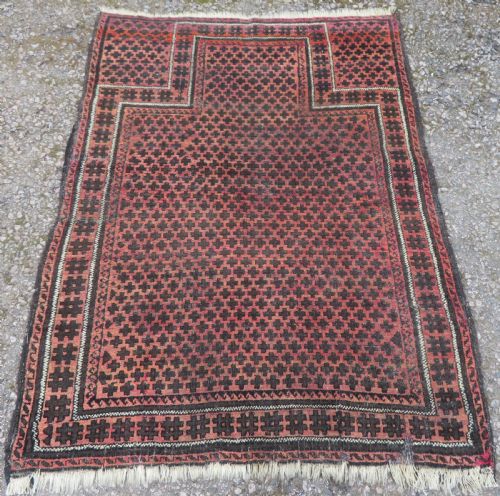
The pieces visible on this page date predominantly from the late nineteenth century through to the early decades of the twentieth century. Common regional types include Persian tribal weaves, Turkish village rugs, and Afghan and Baluch productions in area and accent sizes.
Makers utilised traditional regional motifs such as central medallions, all-over boteh patterns, star designs, and prayer arches. These smaller formats served practical domestic purposes while displaying distinct regional weaving traditions.
How they were made
Weavers constructed these rugs using hand-knotted wool pile secured to foundations of cotton or wool warps. Hand-spun wool provided a durable and resilient surface suited to the heavy foot traffic and warmth associated with hearth placement.
Natural dyeing techniques produced the deep colour palettes seen across Persian, Anatolian, and Caucasian examples. Artisans incorporated specialist materials such as camel wool in specific tribal pieces to add natural tonal variation without artificial dyes.
Oriental Wool Hearth Rug Retail Price Guide 2026
Typical asking prices for oriental wool hearth rug among the pieces listed under this phrase on Sellingantiques today, from the lower quarter to the upper quarter. They describe what is for sale here now, not the wider market.
Several small antique rugs recorded in the listings are explicitly described as cute by their handlers.
What varies in quality
Knot density and the precision of the weave separate finer workshop productions from coarser tribal work. Higher quality examples display tight, uniform knotting that allows intricate geometric and floral designs to remain crisp.
The integrity of the wool and the depth of the pile dictate longevity and tactile appeal. Superior pieces retain thick, dense wool pile and stable foundations, whereas heavily distressed examples show varying degrees of wear to the structure.
The Oriental Wool Hearth Rug Glossary
- Warp
- The vertical foundation threads stretched lengthwise on a loom before knotting begins. Weft threads pass horizontally between them to secure the structure.
- Boteh
- A traditional teardrop or almond-shaped motif with a curved upper end. This ancient Persian design appears frequently across tribal and village rugs.
- Prayer Rug
- A small rug featuring a mihrab or niche design at one end, traditionally used by Muslims for daily prayers. These formats often originated in Anatolian and Baluch weaving centres.
- Ensi
- A specific type of carpet produced by Turkmen tribes, traditionally hung as a tent door hanging rather than used on the floor. They feature distinctive cross-panel layouts.
- Medallion
- A central ornamental design motif placed in the middle of the rug field. Village weavers utilised various geometric and star medallion configurations.
Oriental Wool Hearth Rug: Frequently Asked Questions
Where should I place a hearth rug?
These smaller rugs suit narrow floor spaces directly in front of a fireplace, protecting flooring while adding a focal point to a room.
Their compact dimensions also allow them to sit effectively in hallways, entryways, or as accent pieces beneath small pieces of furniture.
How do I care for antique wool rugs?
Regular gentle vacuuming without a beater bar removes surface dust and prevents dirt from settling deep into the wool pile.
Professional specialist cleaning is recommended for antique textiles to protect natural dyes and fragile foundations from damage.
How can I tell a tribal rug from a workshop rug?
Tribal rugs typically display asymmetrical geometric patterns, rustic materials like camel wool, and slightly irregular dimensions reflecting nomadic production.
Workshop rugs from cities such as Tabriz or Bidjar exhibit finer knotting, symmetrical floral layouts, and precise cotton foundations.
What is camel wool used for?
Undyed camel wool provided tribal weavers with a durable, soft material possessing a natural warm brown hue.
It appears frequently in Baluch and Khorasan pieces, adding tactile texture and rustic character to the weave.