





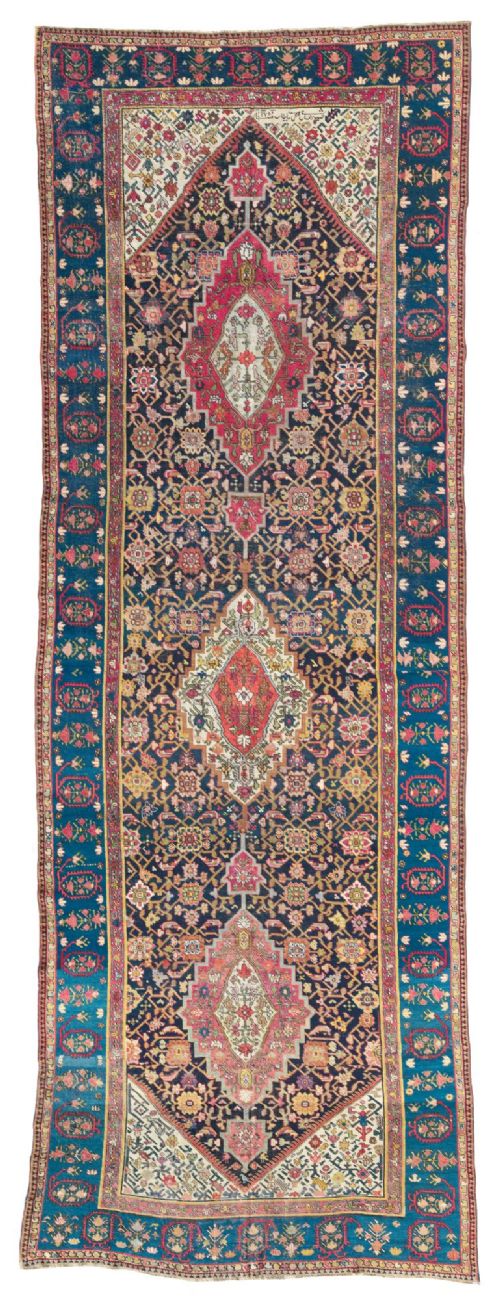

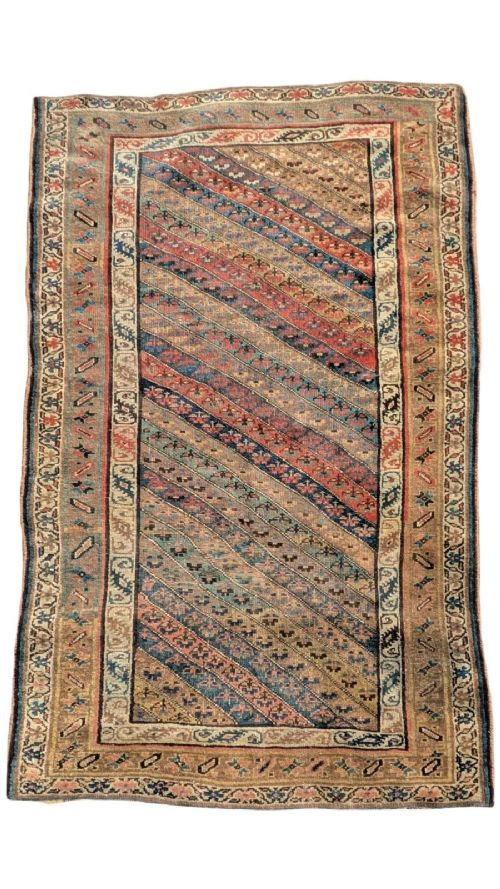
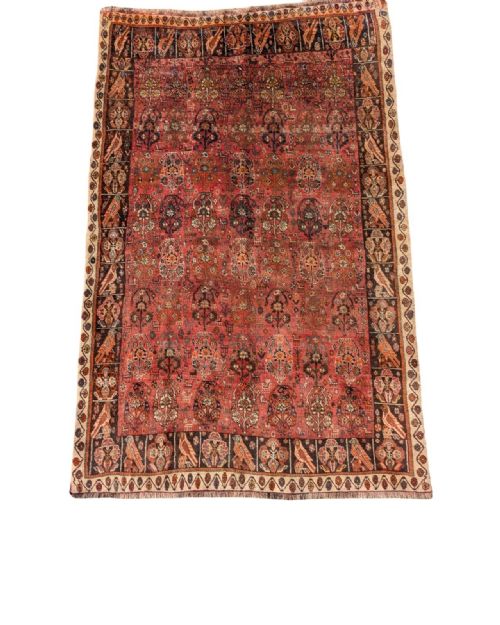
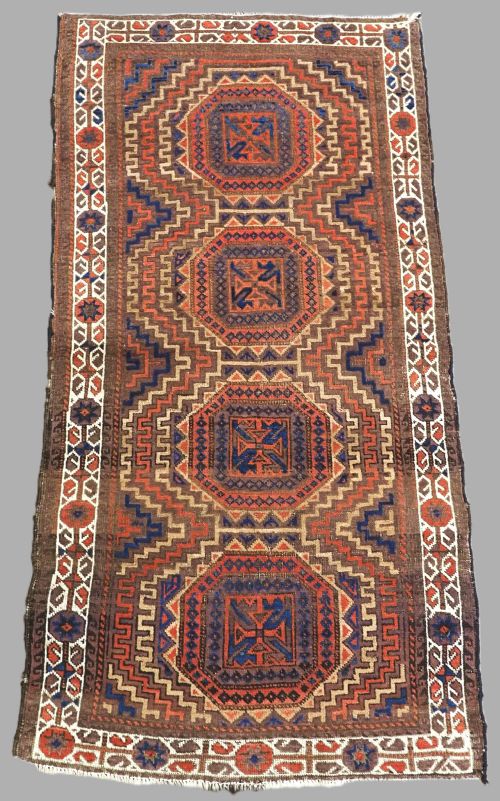
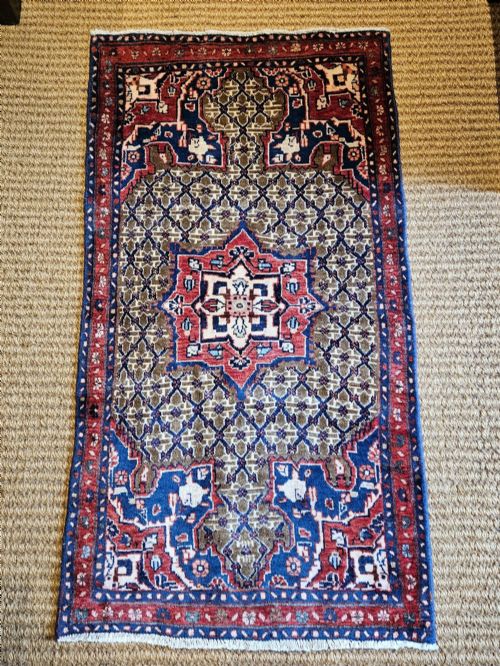
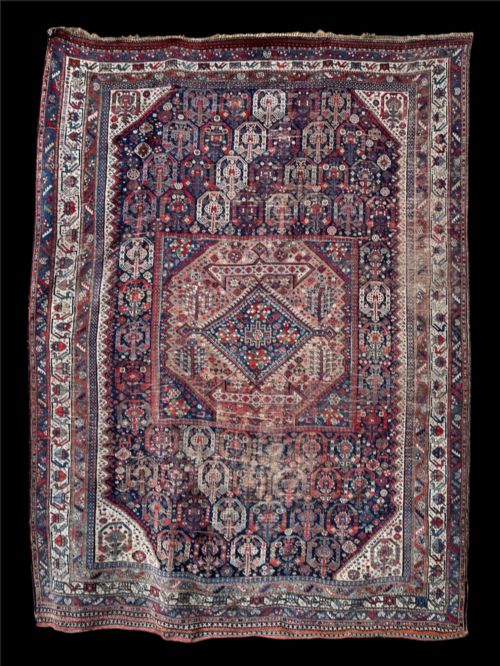
Oriental Wool Floor Runner
These pieces deliver warmth and structure to corridors, bringing an oriental wool floor runner into your home to ground long spaces with historic character.
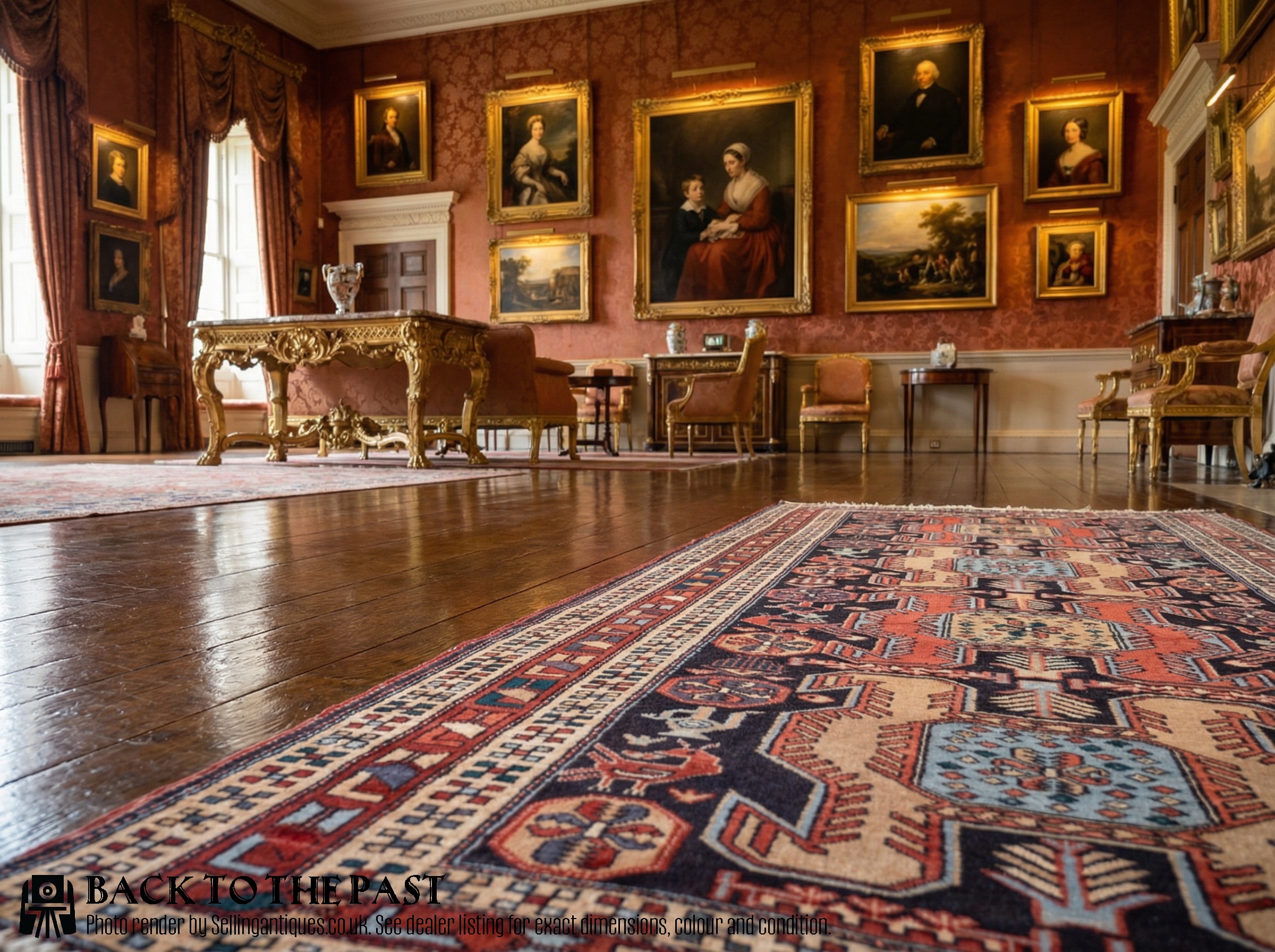
Oriental Wool Floor Runner
An oriental wool floor runner is a long, narrow textile designed for hallways, landings, and high-traffic circulation spaces. These pieces combine traditional weaving methods with durable natural materials suited for daily domestic use.
How these runners were made
Construction relies primarily on wool and cotton, utilising hand-knotted techniques where pile yarn is tied manually to foundation warps and wefts. This dense fibre application creates a resilient surface capable of withstanding generations of footsteps.
Weavers employed natural and early synthetic dyes on wool foundations, building geometric and floral motifs passed down through tribal confederacies and regional workshops. The interplay of wool pile and cotton foundations provides structural stability to each narrow format.
Materials across the inventory consist entirely of wool and cotton, reflecting traditional construction standards.
What varies in quality
Quality rests upon knot density, the precision of the design execution, and the integrity of the wool foundation. Tighter knotting allows for sharper geometric definitions and finer curvilinear floral details.
The choice and saturation of dyes further differentiate pieces, with complex colour palettes and well-preserved natural pigments elevating the visual depth of the woven surface.
The Oriental Wool Floor Runner Glossary
- Knot density
- The number of knots per square unit determining the fineness and durability of the weave. Higher counts generally indicate greater technical skill.
- Warp
- The stationary vertical threads stretched on the loom that form the structural skeleton of the textile. Wefts are then interwoven across these elements.
- Pile
- The raised surface of cut wool loops that forms the functional top layer of the rug. This layer displays the pattern and absorbs wear.
- Gul
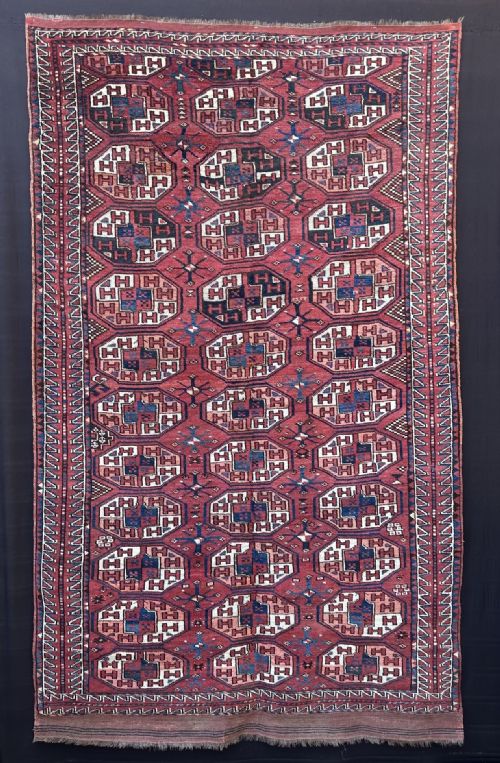
- A medallion motif frequently found in Turkmen and tribal carpets. It repeats across the field in structured octagonal or geometric arrangements.
Oriental Wool Floor Runner: Frequently Asked Questions
Where should I place a runner?
Runners suit narrow spaces such as hallways, corridors, and entranceways where linear textiles protect flooring and guide movement.
They also function effectively in long kitchens, bedside areas, and narrow landings to add texture and warmth.
How do I care for wool runners?
Regular gentle vacuuming without a beater bar removes surface dust and prevents fibres from matting down over time.
Professional cleaning suited for antique textiles preserves the lanolin in the wool and protects the original dye integrity.
What is the difference between tribal and city rugs?
Tribal rugs feature geometric patterns and nomad-inspired motifs reflecting regional traditions and local materials.
City or workshop rugs tend to display intricate floral curves and formal medallion layouts woven on fixed upright looms.
How do I identify Caucasian designs?
Caucasian pieces typically present bold geometric layouts, sharp polygons, and distinct star motifs in saturated primary colours.
These designs originate from the mountainous regions between the Black Sea and the Caspian Sea.