



Oriental Wood Screen
An oriental wood screen divides a room or frames a space with intricate carving, silk embroidery, and lacquer work.
Oriental Wood Screen
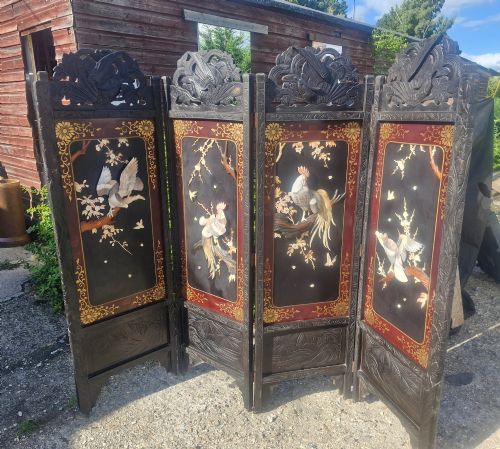
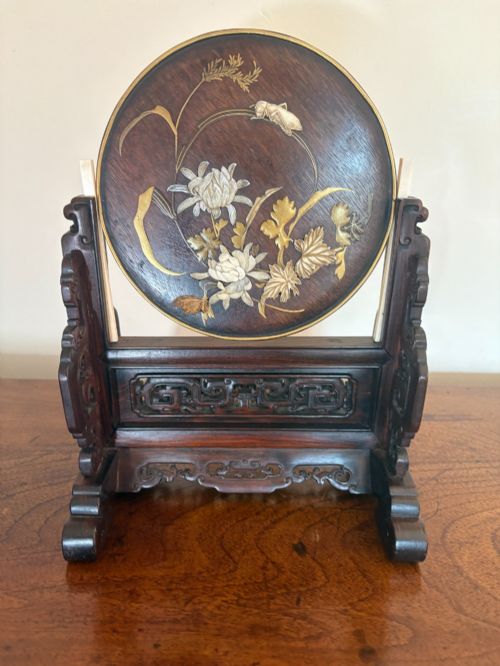
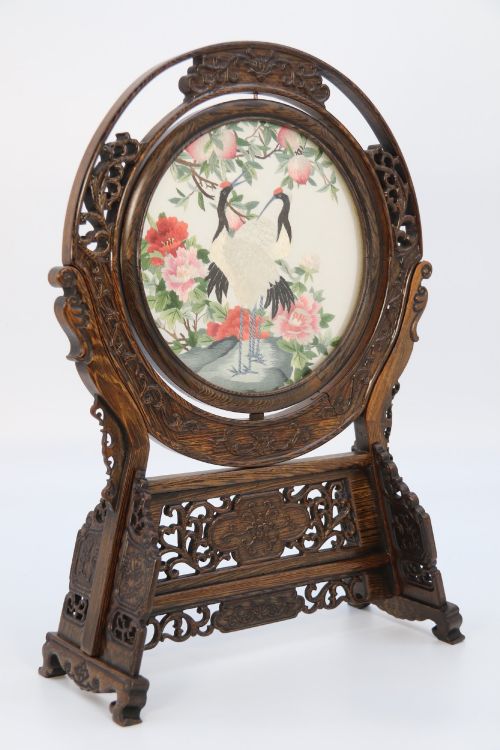
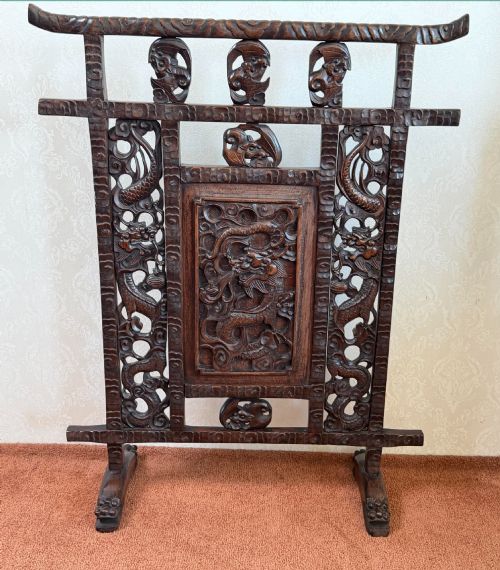
When searching for an oriental wood screen, buyers encounter a variety of forms including folding room dividers, tabletop displays, and fire screens. These pieces serve both decorative and functional purposes in an interior.
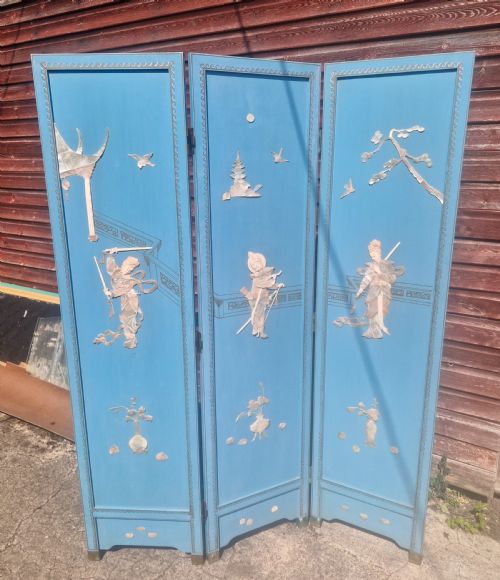
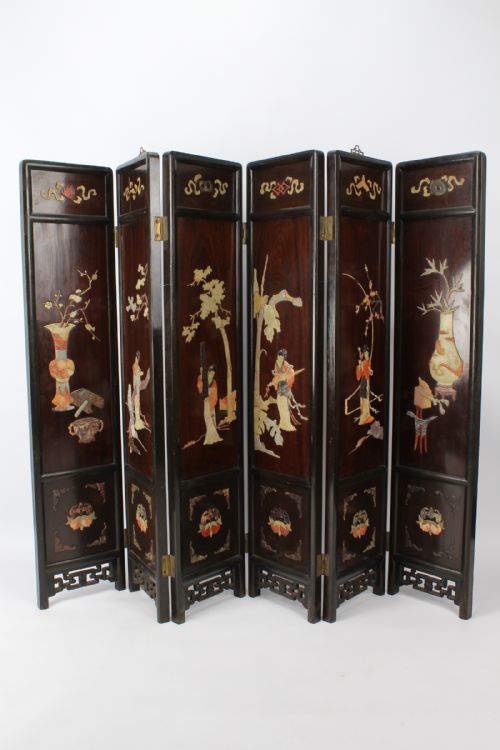
The selections span multiple eras, featuring nineteenth-century items alongside pieces from the 1900s, 1910s, 1920s, and 1950s. Folding screens typically consist of multiple panels hinged together to partition spaces.
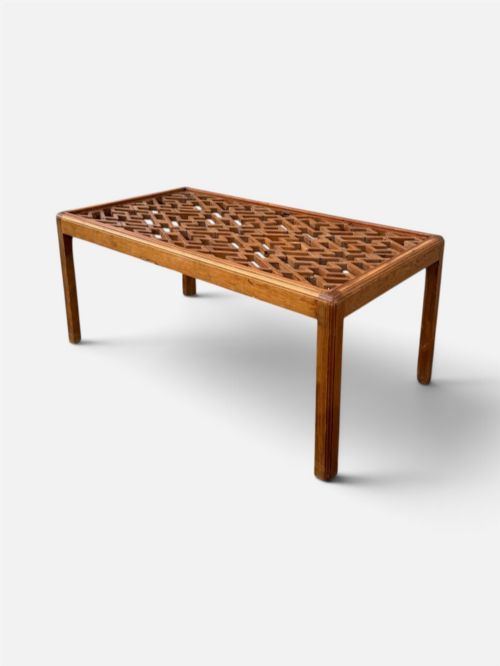
Table screens and coffee tables incorporate traditional panels into functional home furnishings. Styles range from Chinese Qing Dynasty and Meiji Period Japanese works to Chinoiserie and Anglo-Indian designs.
Materials and Construction
Construction relies heavily on hardwood, lacquer, and general wood structures combined with decorative elements. Artisans utilised techniques such as deep carving, fretwork, and joinery to build sturdy panels and frames.
Surface decoration incorporates materials like bone inlay, gold leaf, silk embroidery, glass, and brass hardware. Silk panels often feature hand embroidery depicting figures or natural motifs within carved wooden stands.
Listings feature items from the Regency and Victorian eras alongside twentieth-century pieces up to 1950, incorporating silk, bone, and brass.
Assessing Quality
Quality in an oriental wood screen is evident in the depth and precision of the carving across the panels. Finely executed bone inlay, detailed silk embroidery, and preserved lacquer finishes distinguish superior examples.
The integrity of the hardwood framing and the original condition of hinges or rotating stands indicate the standard of craftsmanship. Pieces showing sophisticated fretwork and balanced composition demonstrate higher artistry.
The Oriental Wood Screen Glossary
- Qing Dynasty
- The final imperial dynasty of China, spanning from the seventeenth to the early twentieth century. Items from this period often display detailed hand-carved wood panels.
- Meiji Period
- An era of Japanese history marked by extensive craftsmanship in lacquer and inlay. Works from this time frequently incorporate intricate bone figures and fine woodwork.
- Chinoiserie
- A European stylistic tradition reflecting Chinese artistic influences. This style appears in decorative panels and lacquer work.
- Fretwork
- Openwork ornamentation carved in geometric or interlaced patterns. It provides light separation and decorative detail within wooden screens.
- Shibayama
- A Japanese craft technique involving the inlay of precious materials such as bone and ivory into a wood or lacquer base.
Oriental Wood Screen: Frequently Asked Questions
How do I use a room divider?
Folding screens partition large rooms or create private corners within an open floor plan. They stand independently and move easily to alter room layouts.
Smaller table screens sit on desks or surfaces for purely decorative effect. Fire screens place a decorative barrier before a fireplace opening.
What is the difference between Chinese and Japanese screens?
Chinese screens often feature deep wood carving, silk embroidery, and lacquer work representing traditional scenes. Qing Dynasty pieces lean towards robust hardwood structures and framed panels.
Japanese screens frequently utilise the Meiji Period aesthetic, highlighting delicate bone inlay, Shibayama techniques, and refined lacquer surfaces.
How do I care for antique lacquer and wood?
Dust wooden frames and panels regularly with a soft, dry cloth to prevent buildup. Keep screens away from direct sunlight and extreme temperature changes to protect the lacquer and silk.
Avoid using liquid cleaners or polish on delicate inlaid bone or embroidered silk panels. Professional conservation helps maintain fragile antique surfaces.
How do I date an oriental wood screen?
Dating relies on identifying period styles such as the Qing Dynasty or Meiji Period characteristics. Construction methods, hinge types, and the specific materials used offer clues to the era of manufacture.
Documentation or stylistic parallels from nineteenth-century and early twentieth-century examples help narrow down the production period.