



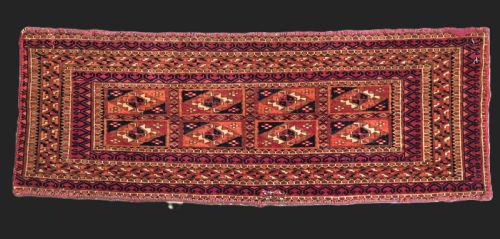


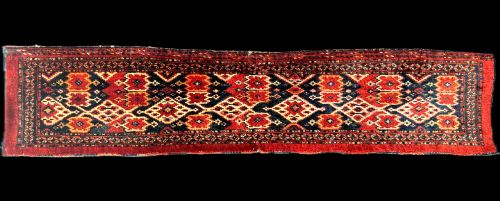

Oriental Wall Hanging Panels
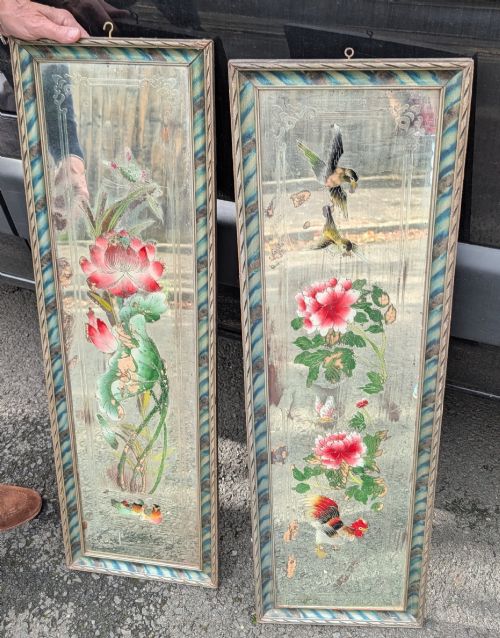
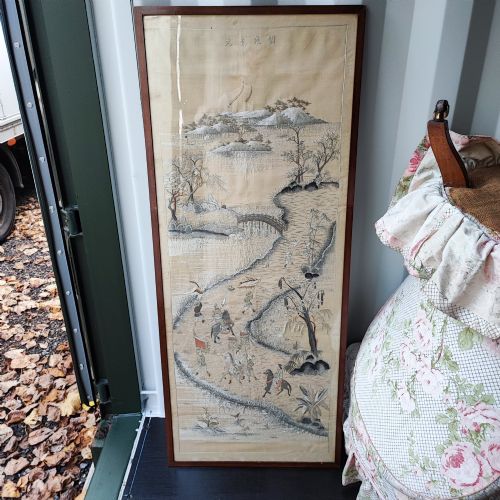
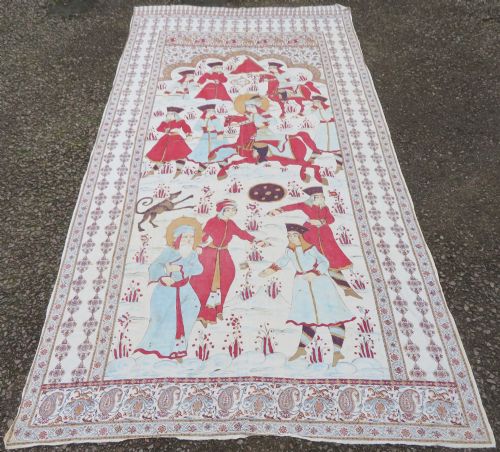
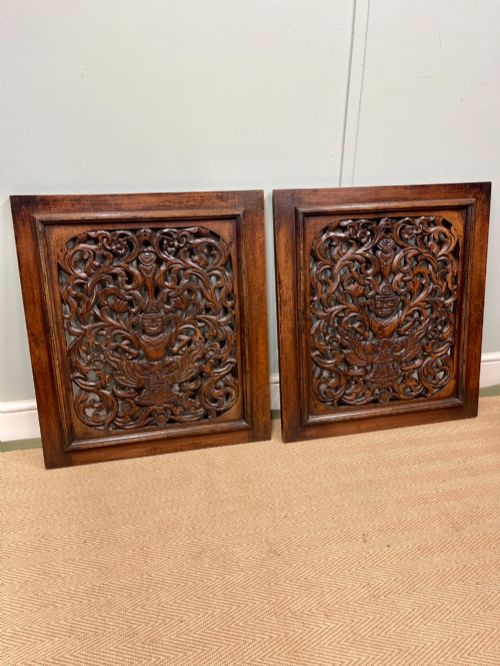
These oriental wall hanging panels bring together centuries of skilled handwork, textiles and carved forms from across Asia.
Oriental Wall Hanging Panels
Oriental wall hanging panels encompass a diverse range of textiles, embroideries and carved elements originating from Central Asia, China, Persia and the Caucasus.
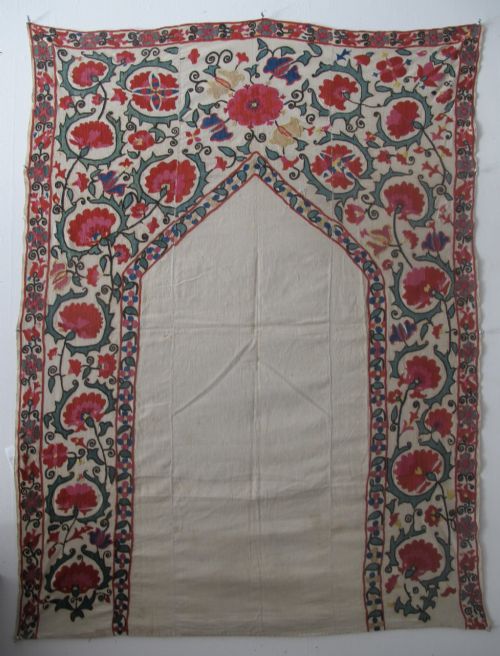
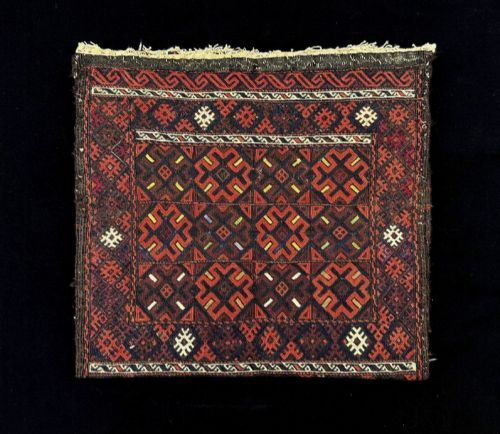
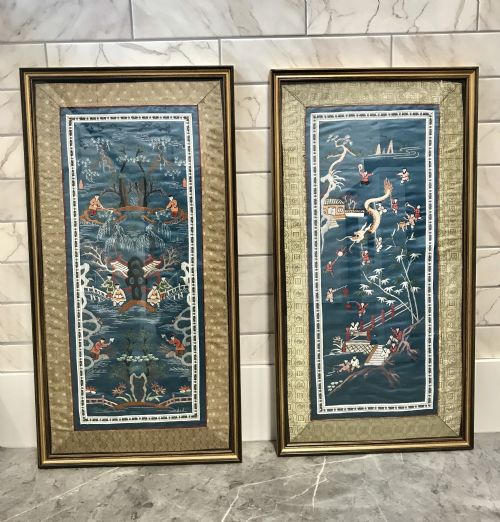
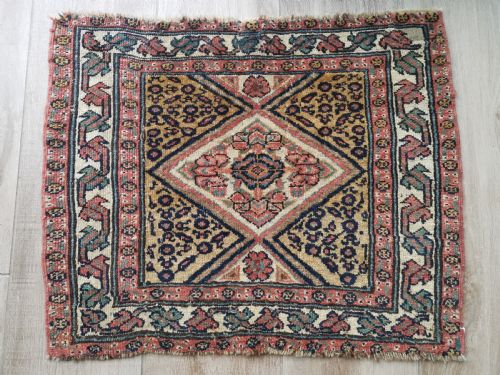
Buyers encountering this search phrase will find primarily tribal weavings, framed silk embroideries, Uzbek suzanis and carved wooden or lacquer display pieces.
The selection draws heavily on nineteenth-century craftsmanship, showcasing traditional regional motifs executed in wool, silk, cotton and teak.
How they were made
Many textile pieces rely on natural dyes applied to wool, cotton and silk grounds, often combined with hand-stitched embroidery, felt applique and sumac or cicim weaving techniques.
Wooden and framed works utilise dense timbers like teak, glass protection, and detailed carving or relief work to achieve durable decorative surfaces.
Oriental Wall Hanging Panels Retail Price Guide 2026
Typical asking prices for oriental wall hanging panels among the pieces listed under this phrase on Sellingantiques today, from the lower quarter to the upper quarter. They describe what is for sale here now, not the wider market.
The listings span periods from the early nineteenth century through to the 1930s, featuring materials such as silk, felt, teak and natural dyes.
What varies in quality
The standard of a piece rests on the precision of the hand-sewing, the depth and clarity of natural dye colours, and the structural integrity of the ground fabric or wooden frame.
Finer examples display superior drawing in their traditional motifs, tighter weaves, and better-preserved embroidery or applique work without distracting restoration.
The Oriental Wall Hanging Panels Glossary
- Suzani
- An embroidered textile from Uzbekistan, typically worked in silk on a cotton ground with floral or geometric designs.
- Torba
- A small Turkmen storage bag face, often featuring characteristic guls and tribal patterning.
- Chuval
- A large Turkmen tent bag face, traditionally woven by nomadic groups for household storage.
- Sumac
- A flat-weave textile technique producing a textured surface with wrapped horizontal weft threads.
- Kalamkari
- A type of hand-painted or block-printed cotton textile originating from Persia and India.
Oriental Wall Hanging Panels: Frequently Asked Questions
How do I hang a textile panel safely?
Support heavy fabric evenly by mounting it on a padded wooden batten or conservation-grade Velcro system. Avoid taking the full weight through stitched loops or direct pinning.
Keep textiles away from direct sunlight and moisture to protect natural dyes and fragile silk threads over time.
What is a suzani?
A suzani is a decorative embroidered cloth from Central Asia, traditionally made by brides as part of their dowry. They feature bold floral motifs and vines worked in vibrant silk thread.
These pieces were typically used as wall hangings, bed covers or ceremonial hangings within nomadic and village homes.
How do I identify Turkmen tribal bags?
Turkmen bag faces, such as torbas and chuvals, are identified by their repetitive octagonal guls and deep red colour palettes. They were originally utilised for tent storage.
Different tribes, including the Tekke, Yomut and Ersari, incorporated distinct border designs and knotting structures.
Are these panels framed or loose?
The selection includes both loose tribal weavings intended for wall display and items presented behind glass or within carved wooden frames. Fabric pieces can often be mounted professionally depending on personal preference.
Check individual descriptions to see whether a backing or hanging mechanism is already attached to the piece.