

Vintage Painted Glass Mirrors
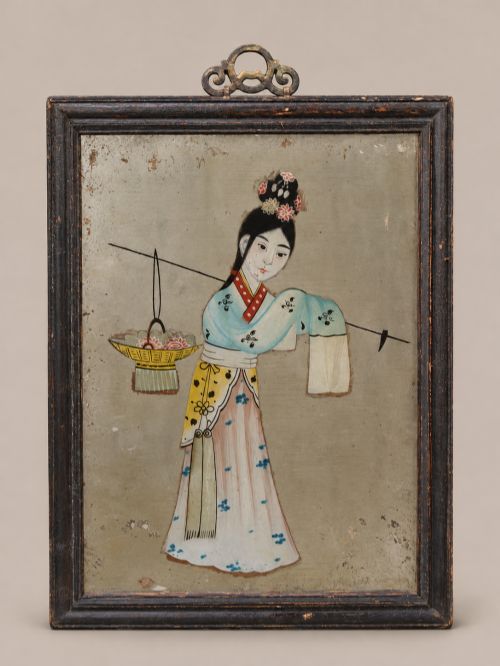
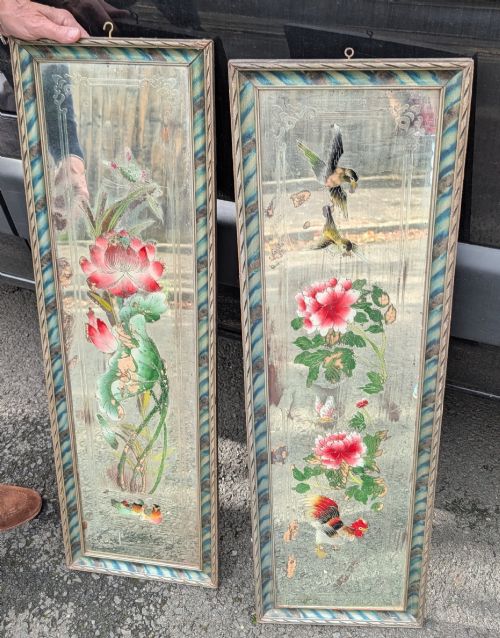
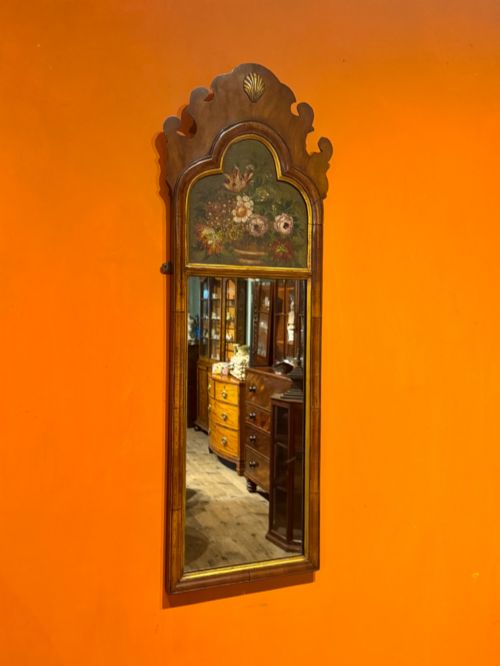
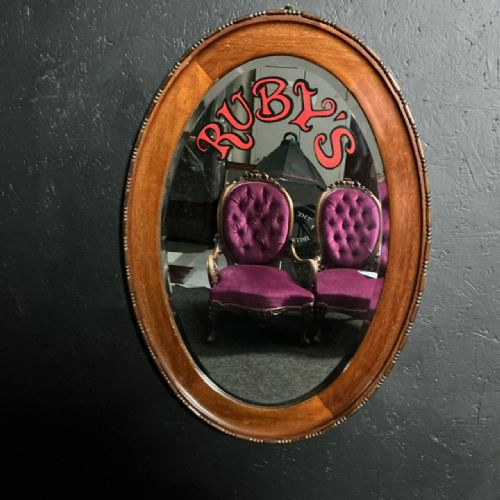
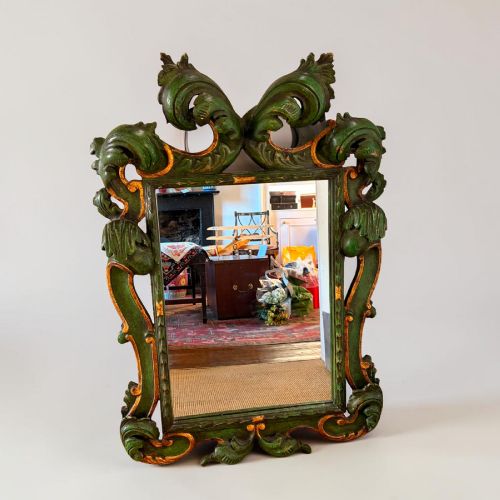
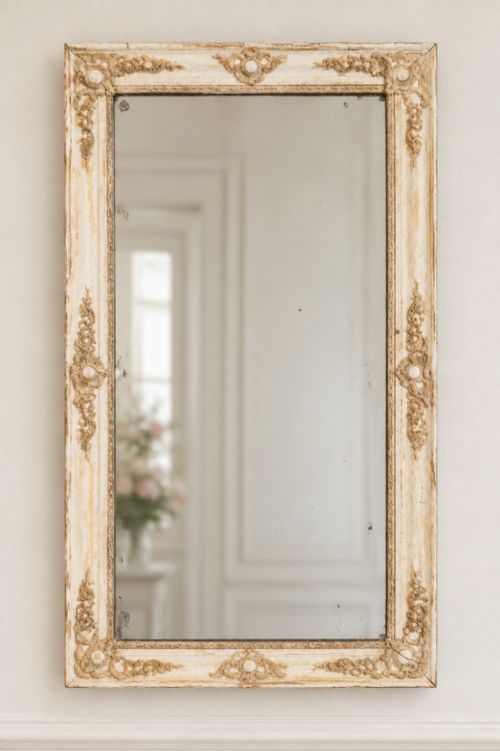
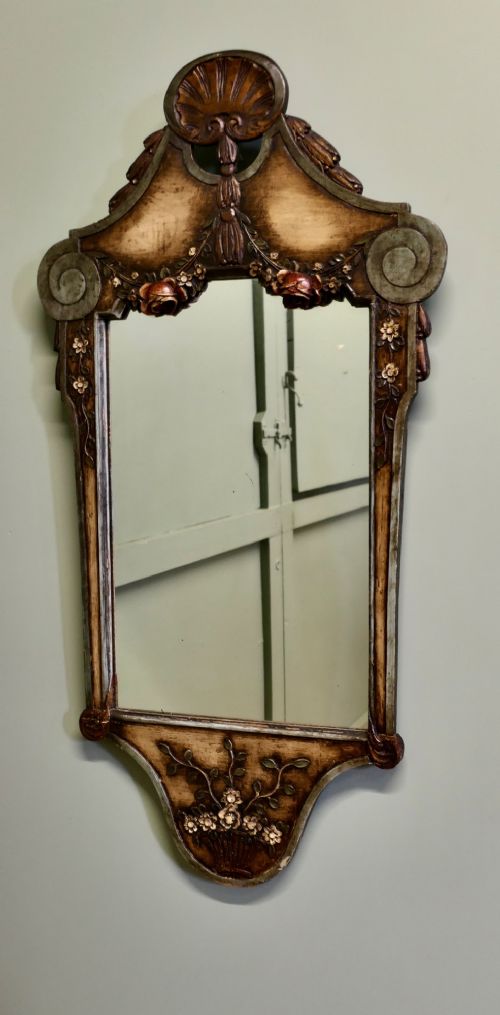
These vintage painted glass mirrors bring layered colour and reflective depth into a room, combining traditional decorative framing with hand-painted or reverse-painted glass panels.
Vintage Painted Glass Mirrors
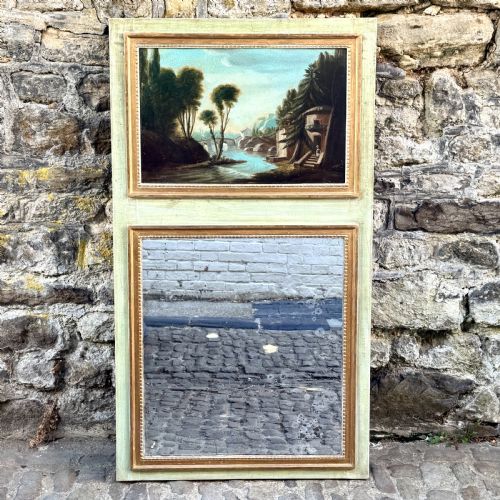
When you search for vintage painted glass mirrors, you encounter an array of wall-hung pieces, trumeaus, and overmantels originating from nineteenth-century France, Italy, and England. These items range from small Chinoiserie panels to large architectural overmantel mirrors designed to anchor a principal room.
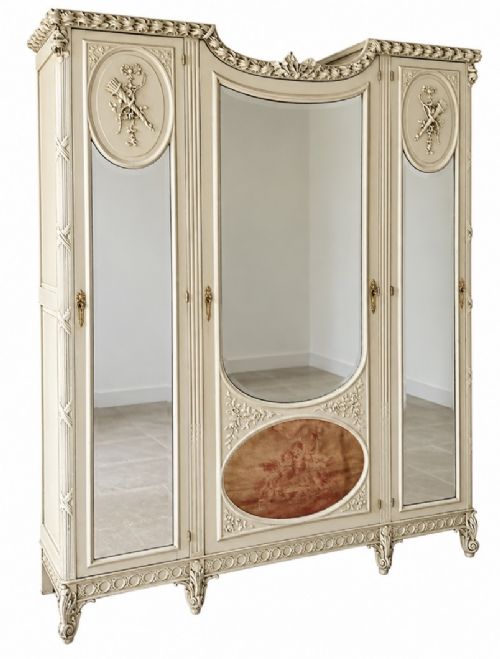
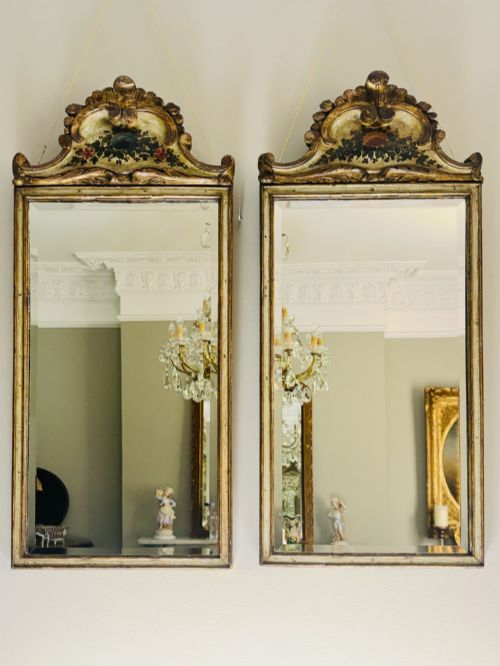
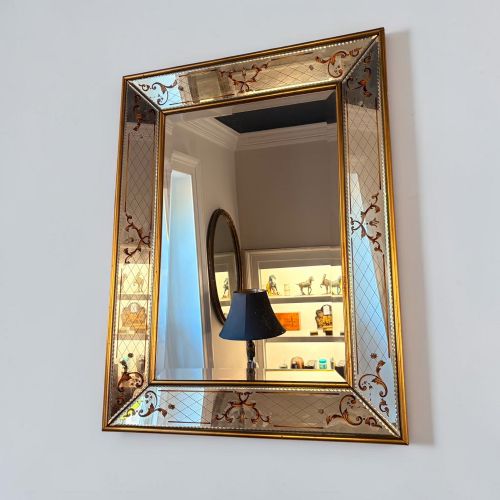
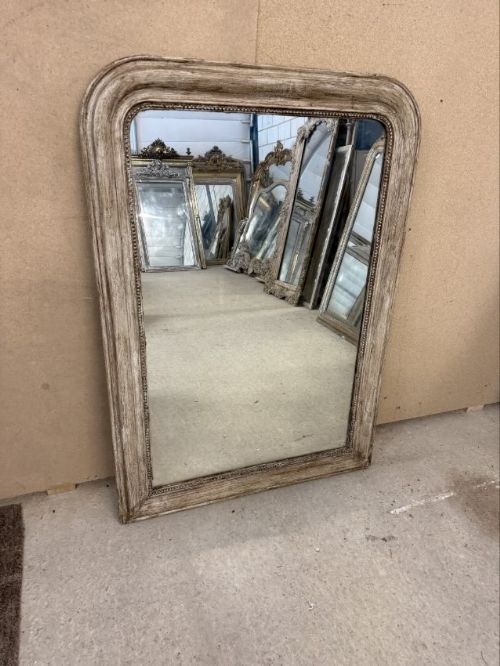
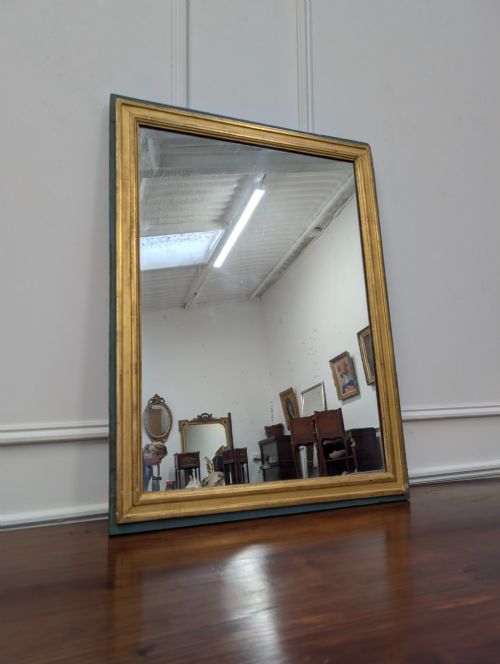
The selection on this page leans heavily towards continental European workshops, featuring styles from the Victorian, Edwardian, and Regency periods alongside Italian Rococo and French Louis XVI interpretations. You will find carved wooden frames finished with paint, gesso, or parcel gilt, often paired with dedicated painted glass sections.
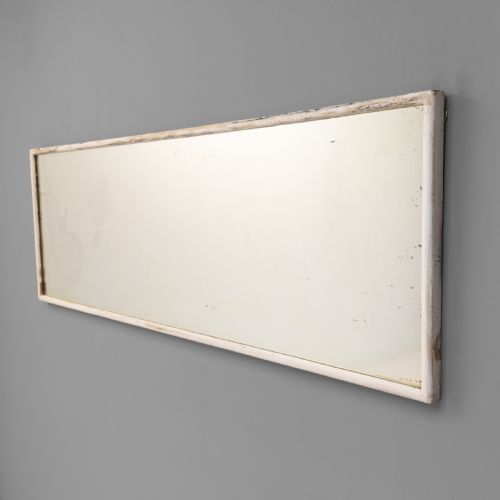
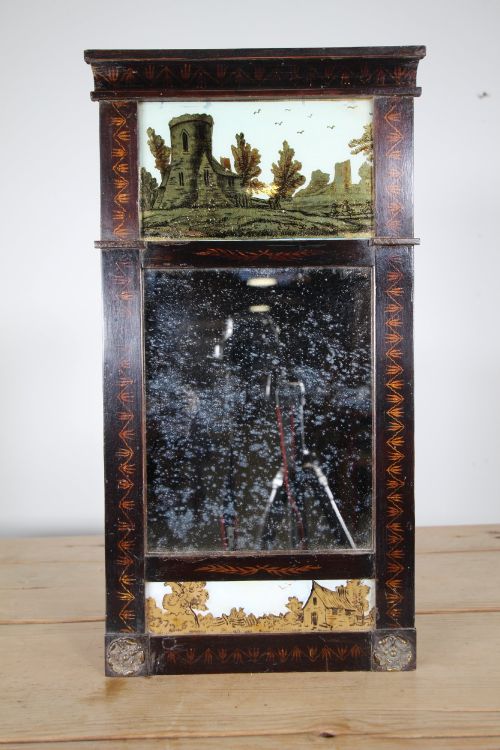
Forms vary from landscape wall mirrors and pier glasses to tall armoire doors and dressing table pieces. Many incorporate reverse glass painting, where the design is applied directly to the rear of the glass plate before silvering.
Materials and construction
Craftsmen built the structural frames using native and exotic woods such as walnut, maple, and carved softwood before applying layers of gesso to smooth the surface for gilding or painting. Paint and gold leaf finishes were then layered by hand, sometimes incorporating polychrome pigments or decorative paper labels.
The glass elements combine traditional mirror plates with specialised painting techniques, including eglomise where designs are rendered on glass using gold or silver leaf and pigments. Frames often show carved wooden ornamentation secured with period fixings and backboards.
Vintage Painted Glass Mirrors Retail Price Guide 2026
Typical asking prices for vintage painted glass mirrors among the pieces listed under this phrase on Sellingantiques today, from the lower quarter to the upper quarter. They describe what is for sale here now, not the wider market.
Listings span the eighteenth, nineteenth, and early twentieth centuries, featuring walnut, maple, and giltwood frames with hand-painted glass panels.
Distinctions in quality
Quality rests in the execution of the painted or eglomise panel and the depth of the frame's carving. Finer examples display meticulous hand-painted details on the glass rather than simple surface decoration.
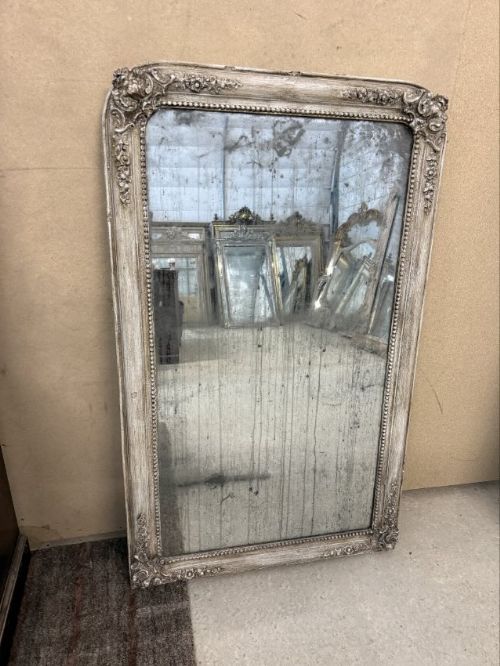
The integrity of the original giltwood, gesso, and painted surfaces determines the standing of a piece. Superior mirrors retain their early mirror glass, which often exhibits natural foxing and oxidation that enhances the character without obscuring the reflection.
The Vintage Painted Glass Mirrors Glossary
- Trumeau
- A decorative wall mirror featuring an integrated painted or carved panel above the glass plate. These originated in eighteenth-century French interior design.
- Eglomise
- A technique where gold or silver leaf and paint are applied to the reverse side of glass. This creates a lustrous, protected decorative panel.
- Gesso
- A plaster-like mixture applied to wooden frames to provide a smooth surface for gilding and painting. It is often carved or moulded once dry.
- Pier Mirror
- A tall, narrow mirror designed to hang on the wall between two windows. They frequently match the pier table placed beneath them.
- Overmantel Mirror
- A wide mirror specifically proportioned to hang above a fireplace mantel. These pieces dominated nineteenth-century reception rooms.
Vintage Painted Glass Mirrors: Frequently Asked Questions
How do I clean a vintage mirror?
Clean the glass gently with a soft microfibre cloth and a mild, ammonia-free cleaning solution sprayed onto the cloth rather than the glass. Avoid getting moisture into the edges where the silvering has aged.
Take care around painted or gilded wooden frames by dusting them dry with a soft brush, as moisture can damage historic gesso and paint layers.
What is eglomise glass?
Eglomise is a decorative technique involving the application of gold leaf, silver leaf, and cold-painted pigments to the reverse side of a glass sheet. This protects the delicate artistry behind the transparent medium.
In antique mirrors, this method produced rich, shimmering borders or upper panels featuring landscapes, Chinoiserie motifs, or classical figures.
How do I date an antique mirror?
Dating relies on examining the construction of the wooden frame, the type of backboards, the fixings, and the characteristics of the glass plate. Hand-beveled edges, old maker labels, and the style of gesso or paint offer strong clues.
Older glass often shows subtle distortions, hand-ground edges, and natural foxing spots where the mercury or silver backing has oxidized over the decades.