
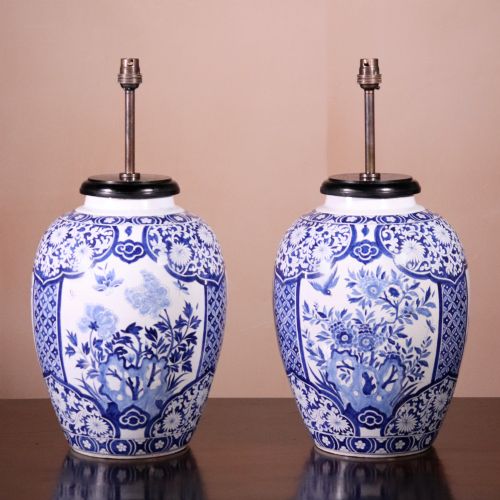
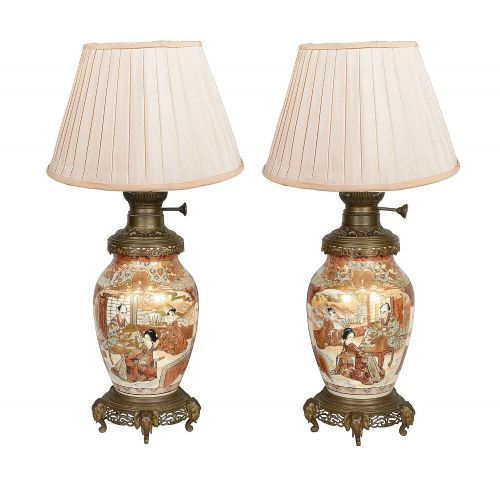


Oriental Vase Lamps Pair
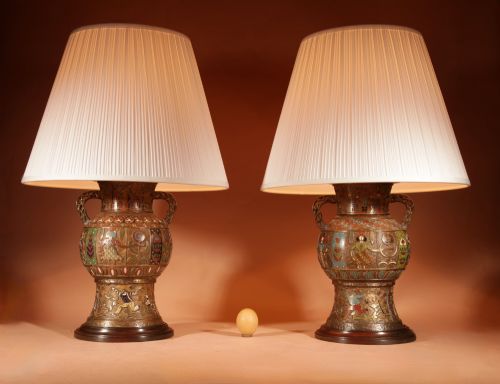
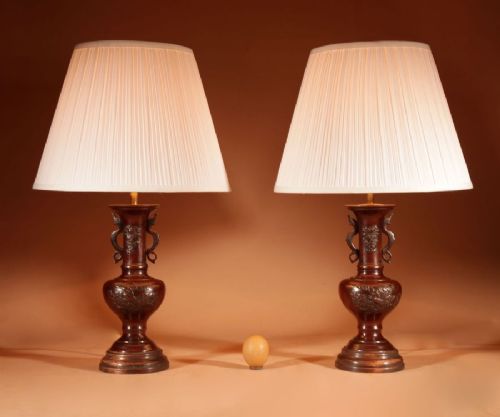
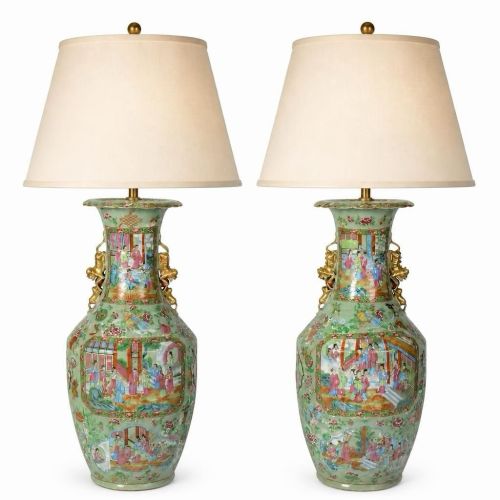
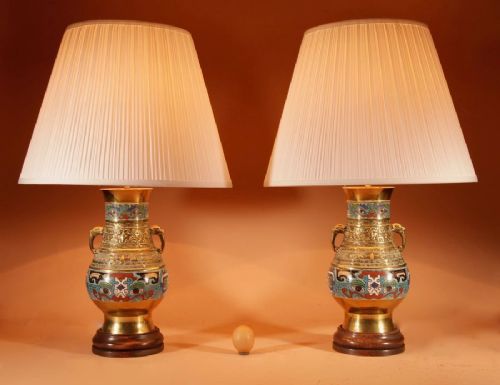
An oriental vase lamps pair brings dual symmetry and rich historic pattern into a room, formed from converted vessels and wired for modern lighting.
Oriental Vase Lamps Pair
When searching for an oriental vase lamps pair, a buyer is looking at matched sets of traditional vessels transformed into table lighting. These objects combine historical ceramic or metal bodies with electrical fittings, often paired with fabric shades.
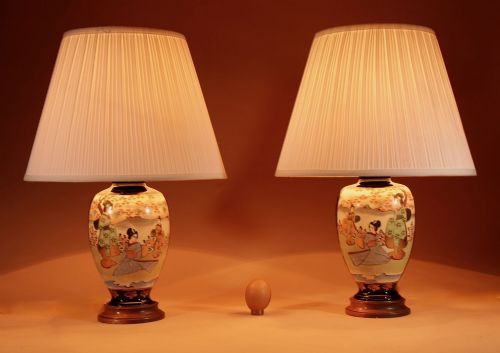
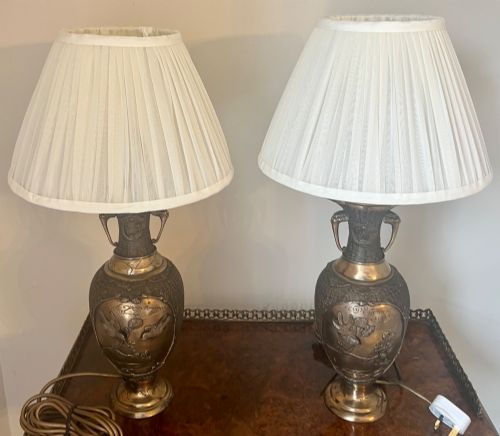
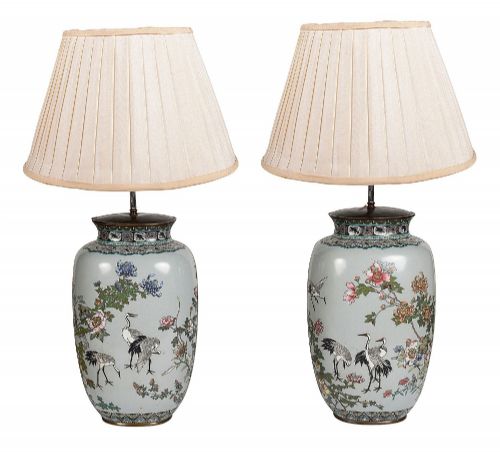
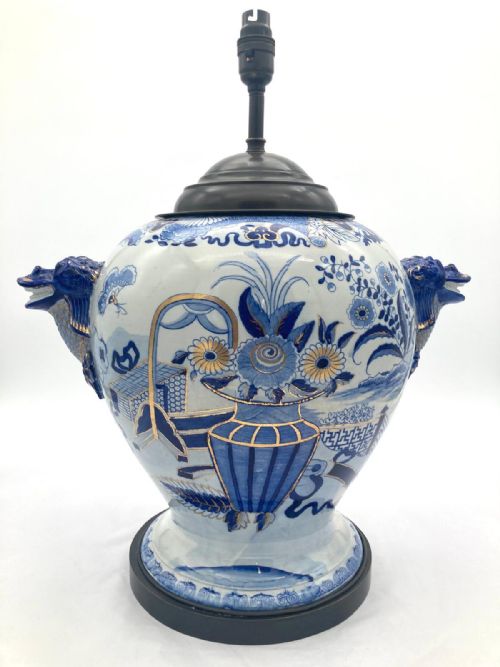
The versions most commonly met on this page originate from nineteenth and early twentieth century Chinese and Japanese workshops. They include blue and white porcelain jars, crackleware, and intricate cloisonné enamel alongside bronze and brass figures.
How they were made
Potters and artisans shaped the original vessels using porcelain, ironstone, and ceramic, applying detailed hand-painted glazes such as famille rose, famille verte, and powder blue. Metal workers utilised bronze, brass, and copper wire to create champlevé and cloisonné enamel designs.
Conversion into lamps typically involved mounting the vases onto wooden or metal bases and adding ormolu mounts, French brass work, and silk fabric shades during the nineteenth or twentieth centuries.
Materials recorded across the inventory include silk, fabric, brass, bronze, wood, enamel, ceramic, and porcelain.
What varies in quality
Quality rests upon the crispness of the hand-painted decoration on the porcelain and the precision of the metal cloisonné cells. Early examples display sharper detailing and deeper glazing than later decorative adaptations.
The integration of the conversion separates standard wiring jobs from superior pieces. Ormolu mounts, cast bronze bases, and matched pairs with intact historical patination sit at the upper end of the range.
Hicks and Meigh
The Oriental Vase Lamps Pair Glossary
- Cloisonné
- Enamelwork created by soldering wire compartments onto a metal base before filling them with coloured paste. This technique produces intricate patterns divided by thin metal lines.
- Famille Rose
- A palette of opaque rose-pink enamel introduced in Chinese porcelain decoration during the Qing dynasty. It allowed for soft gradations of colour in floral and figural scenes.
- Satsuma
- Japanese earthenware pottery featuring a crackled ivory glaze decorated with intricate polychrome and gilt motifs. These wares gained widespread popularity in the Meiji period.
- Ormolu
- Gilded bronze mounts applied to decorative objects and furniture. This technique adds ornamental weight and decorative polish to the shoulders and bases of ceramic vessels.
- Champlevé
- An enamelling technique where troughs are gouged into a metal surface and filled with enamel powder before firing. The surrounding metal forms the visible outline of the design.
Oriental Vase Lamps Pair: Frequently Asked Questions
How are vase lamps wired?
Most converted vessels use standard internal or external brass fittings routed through drilled bases or specially designed mounts. These setups connect to modern power sources while keeping the antique body intact.
Rewiring is often carried out by dealers or specialist lighting restorers to meet contemporary safety standards. The original ceramic or bronze structure remains unaltered during the process.
Can I change the lamp shades?
Shades can be swapped to suit interior colour schemes, provided the harp or shade carrier matches the diameter of the bulb holder. Silk and fabric shades are common replacements for worn originals.
Matching proportions is essential when altering shades on balanced pairs. Selecting the correct scale ensures the visual weight of the shade complements the decorated vase beneath.
How do I date a vase lamp?
Dating relies on the ceramic body, the glaze palette, and the style of the metal mounts. Nineteenth-century pieces often display hand-painted famille rose or blue and white designs typical of the Qing dynasty.
Later twentieth-century adaptations frequently incorporate early electrical fittings alongside Meiji period Japanese bronzes or cloisonné. Comparing the wear on the base helps confirm the age of the conversion.
Are these lamps sold as matched pairs?
The listings consist of matched pairs designed to sit symmetrically on side tables, sideboards, or mantelpieces. Each pair shares matching motifs, glazes, and physical dimensions.
Consistency in height and colour distribution is essential for balanced interior styling. Both vessels typically originate from the same workshop or period production run.