


Oriental Table Lighting
Oriental table lighting brings imported porcelain, bronze, and lacquer into rooms as illuminated focal points.
Oriental Table Lighting
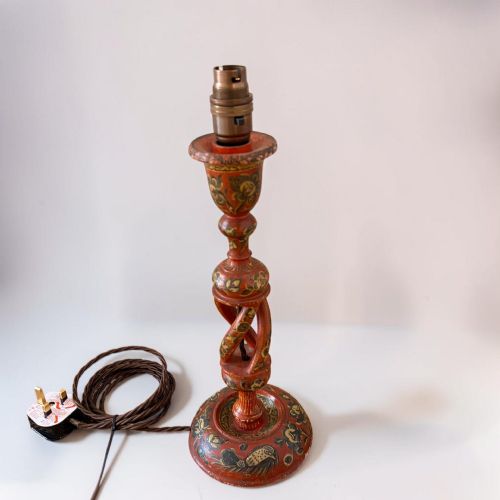
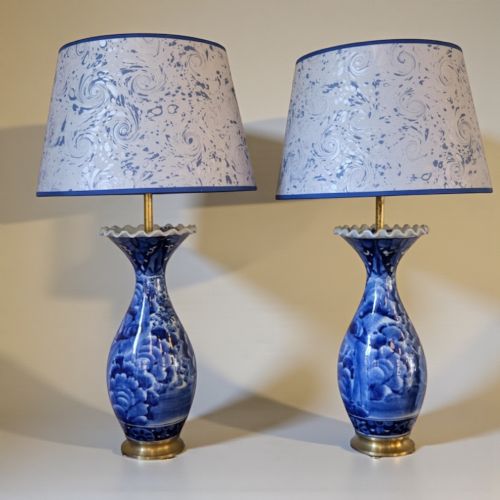
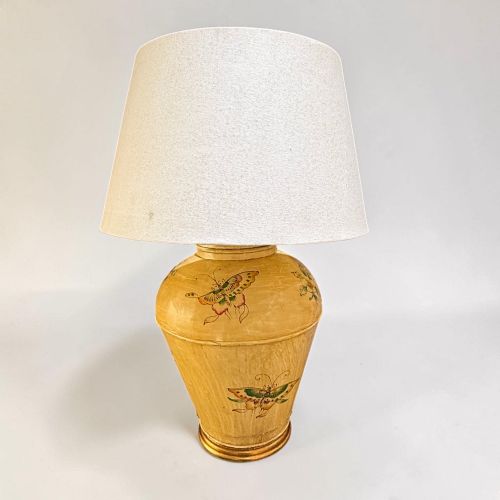
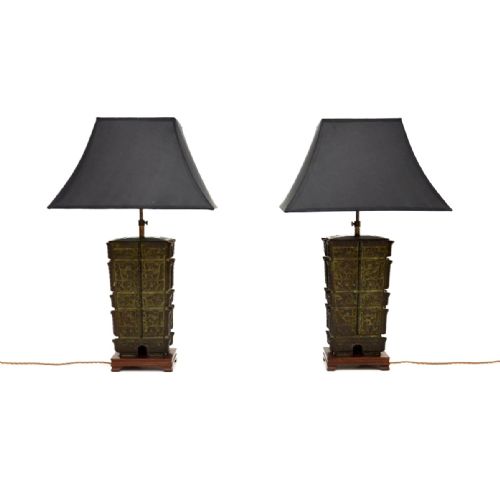
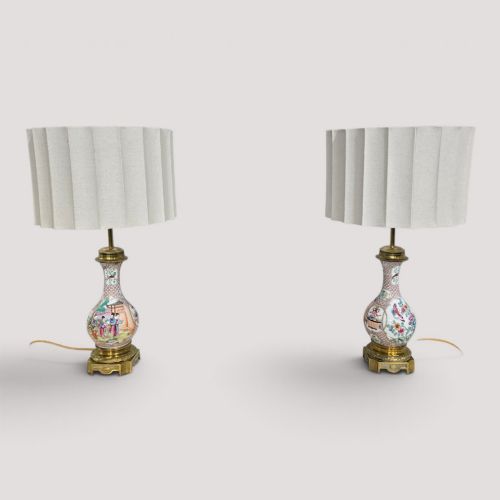
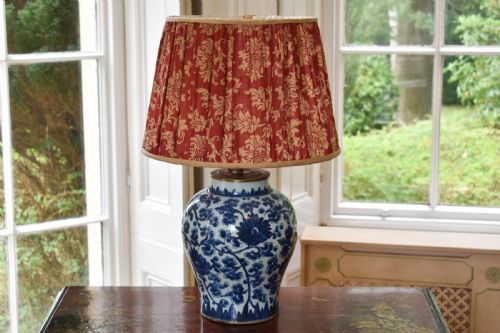
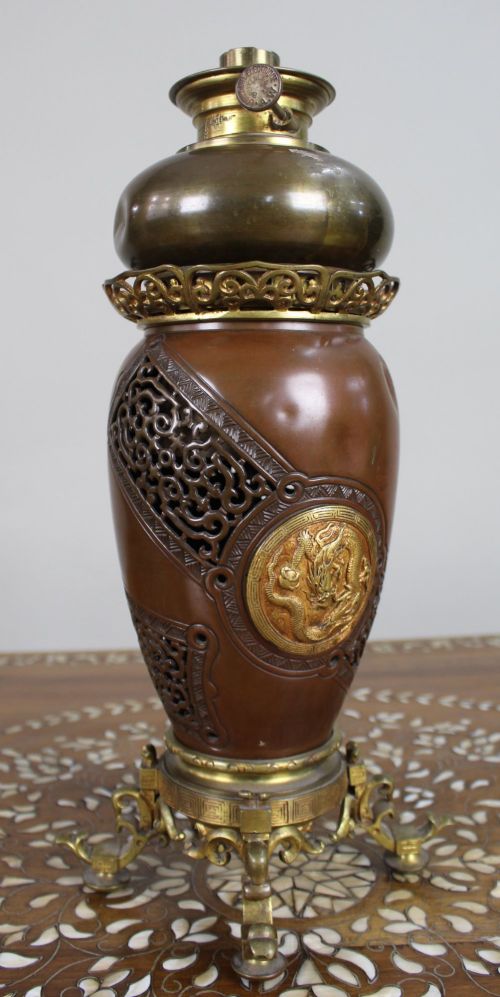
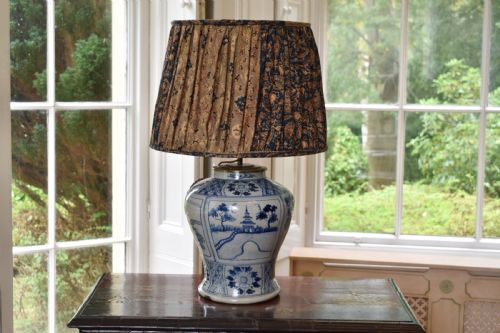
Oriental table lighting comprises pieces originating from decorative traditions outside Europe, frequently adapted into lamps during the nineteenth and early twentieth centuries. These objects transform historical vessels, vases, and lanterns into functional items for the home.
The selections encountered here span periods from the seventeenth century through to the 1930s, incorporating Victorian and Edwardian adaptations. Ceramic and bronze forms dominate the selection, alongside lacquered woodwork and papier-mâché.
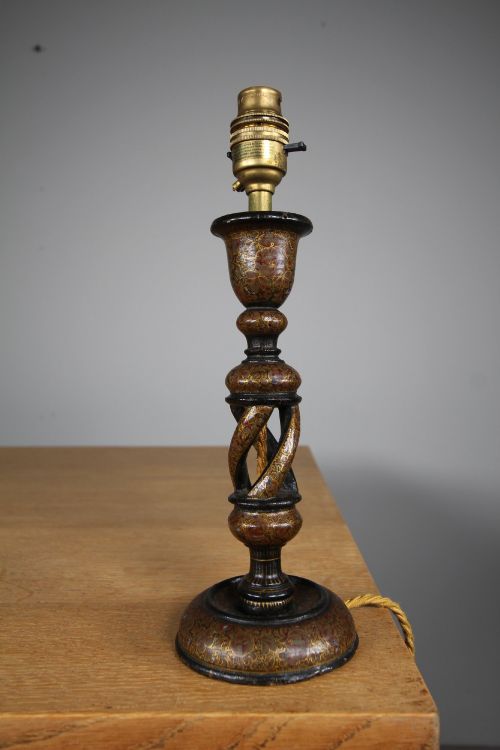
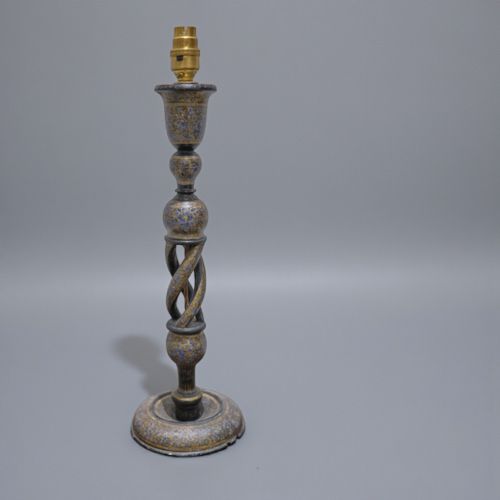
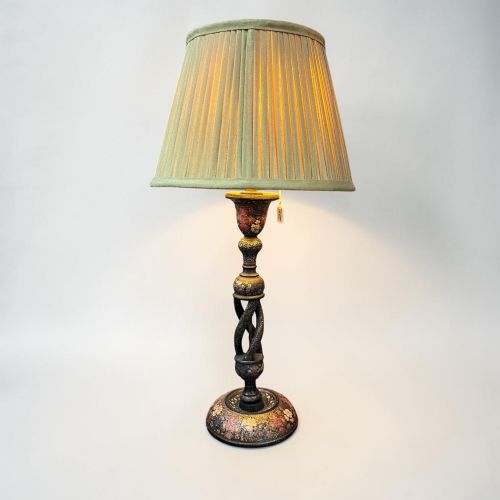
Many items derive from Japanese Meiji workshops or Chinese export kilns, while others reflect British colonial ties through Kashmiri and Indian production. Buyers often encounter matched pairs designed for sideboards or console tables.
Materials and construction
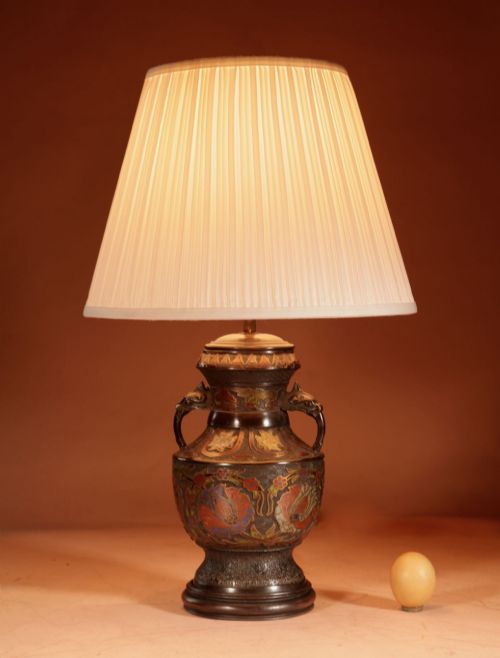
Makers utilised cast bronze, brass, and heavy ironstone alongside hand-thrown porcelain and ceramic bodies. Metal elements frequently incorporate champlevé enamel work or patinated finishes.
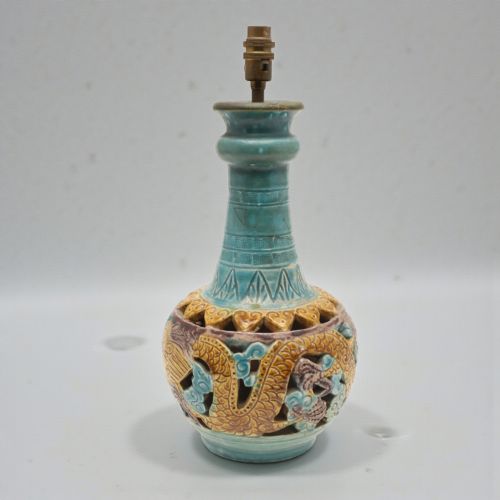
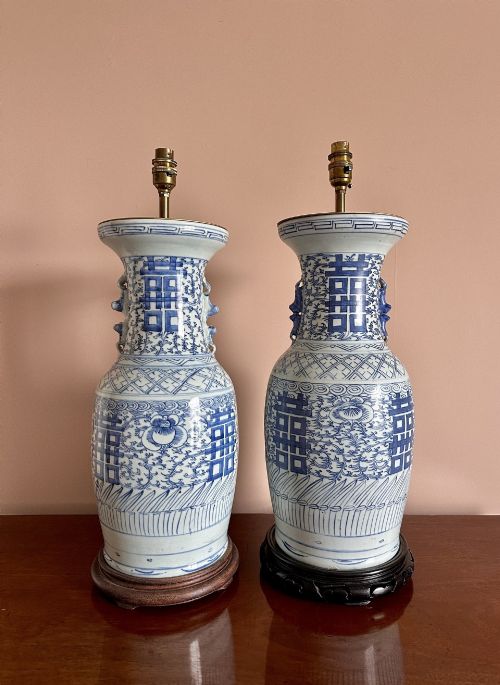
Wooden and papier-mâché substrates receive layers of lacquer, gilding, and hand-painted motifs. Converted vessels retain their original glazes, such as blue and white pigment or polychrome Satsuma enamel.
Oriental Table Lighting Retail Price Guide 2026
Typical asking prices for oriental table lighting among the pieces listed under this phrase on Sellingantiques today, from the lower quarter to the upper quarter. They describe what is for sale here now, not the wider market.
Listings feature items spanning the 17th century through the 1930s, utilising bronze, porcelain, lacquer, and brass.
Standards of craftsmanship
Quality rests upon the crispness of the original vessel's modelling and the finesse of any applied enamel or hand-painted detail. Superior bronze and brass components show precise chasing and heavy casting rather than thin sheet metal.
The integrity of conversion matters significantly, distinguishing professional adaptations that preserve the antique body from crude alterations. Intact lacquer surfaces and finely detailed Cloisonné work set the higher tier apart from standard commercial output.
The Oriental Table Lighting Glossary
- Champlevé
- An enamelling technique where recessed channels are gouged into a metal surface and filled with vitreous paste before firing. This method creates bold coloured patterns across bronze lamp bodies.
- Satsuma
- A type of Japanese earthenware featuring a pale, crackle-glaze finish decorated with polychrome enamels and raised gold. These ceramics frequently depict figural scenes or floral motifs.
- Cloisonné
- Enamelwork created by soldering thin metal wires to a metal base to form compartments filled with paste. The piece is then fired and polished to a smooth finish.
- Meiji Period
- The era of Japanese history lasting from 1868 to 1912, characterised by intense artistic production for export. Works from this time display exceptional metallurgical and ceramic skill.
- Chinoiserie
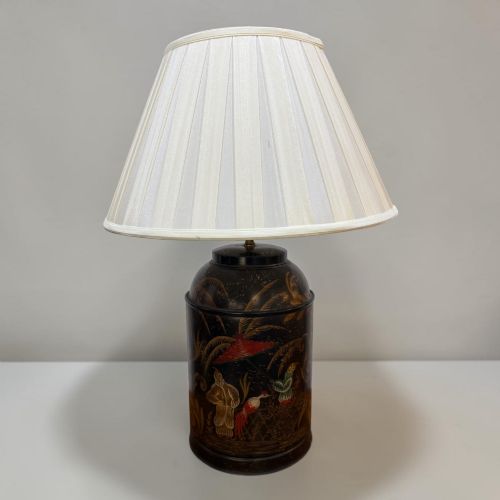
- European artistic style reflecting Chinese aesthetic traditions, popular in furniture and decorative objects. This style appears on lacquered wooden lamp bases and ceramic jars.
Oriental Table Lighting: Frequently Asked Questions
How do I choose the right size lamp?
Consider the scale of the furniture piece, such as a console table or sideboard, where the lamp will sit. Taller porcelain vase lamps suit larger rooms, while compact bronze or lacquer designs fit modest side tables.
Proportion remains key to balancing the height of the decorative base with an appropriate fabric shade.
Were these always electric lamps?
Most antique Oriental table lighting began life as something else entirely, including vases, ginger jars, brush pots, or oil lamps. Dealers and collectors converted these objects during the nineteenth and twentieth centuries to suit modern electrical standards.
Original vessel bodies often retain their antique character despite the subsequent wiring and hardware additions.
How do I care for lacquered and papier-mâché lamps?
Keep lacquered wooden and Kashmiri papier-mâché surfaces away from direct sunlight and excessive moisture to prevent warping or cracking. Dust them gently with a dry, soft cloth without applying harsh chemical polishes.
Regular, careful maintenance preserves the delicate hand-painted motifs and gilt highlights over time.
How can I tell Japanese Meiji pieces apart?
Meiji period items often display intricate bronze casting, champlevé enamel, or finely detailed Satsuma ceramics produced between 1868 and 1912. Look for the technical precision in the metalwork and the complexity of the painted scenes.
Chinese export items from earlier decades typically feature distinct porcelain potting styles and traditional export motifs.