

Oriental Style Urn
An oriental style urn brings decorative presence to a room, drawing the eye with patterned porcelain, bronze, or carved hardwood.
Oriental Style Urn
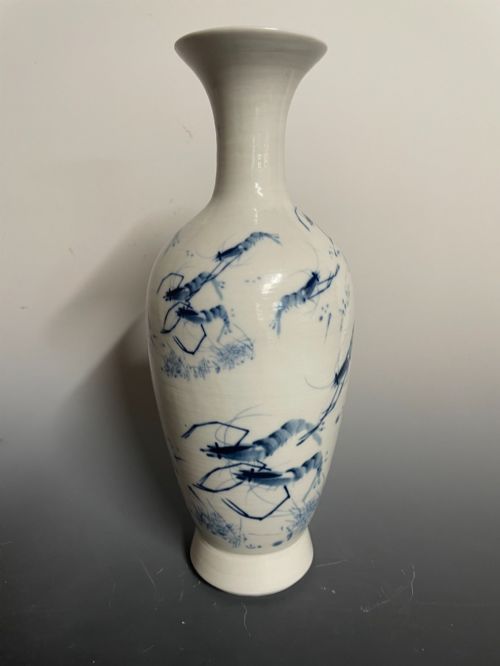
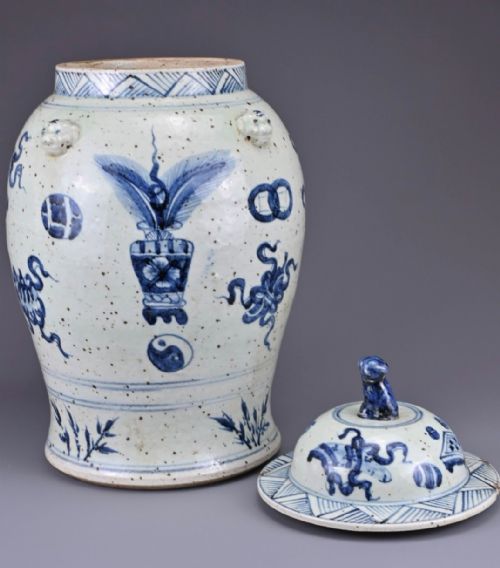
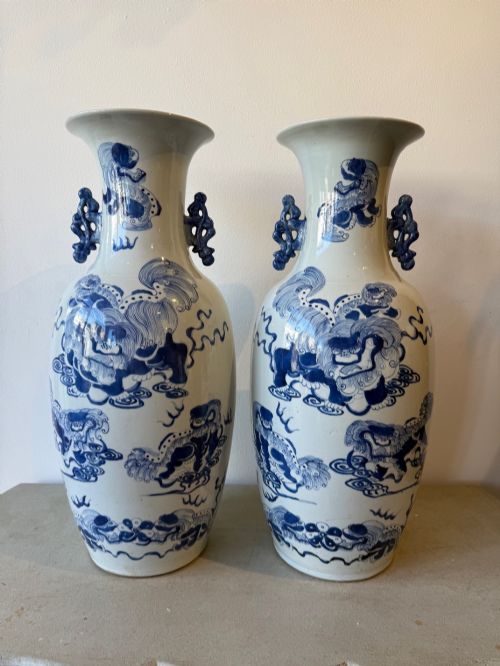
The search for an oriental style urn opens up a diverse selection of decorative objects, ranging from lidded ginger jars and bottle vases to pedestals and table lamps. You will most frequently encounter porcelain vessels finished in blue and white, alongside bronze pieces and hardwood display stands.
Originating across distinct periods spanning from the seventeenth century to the twentieth century, these items reflect both traditional Chinese forms and Japanese Meiji craftsmanship. Many examples incorporate classic designs reminiscent of earlier Qing Dynasty or Kangxi periods.
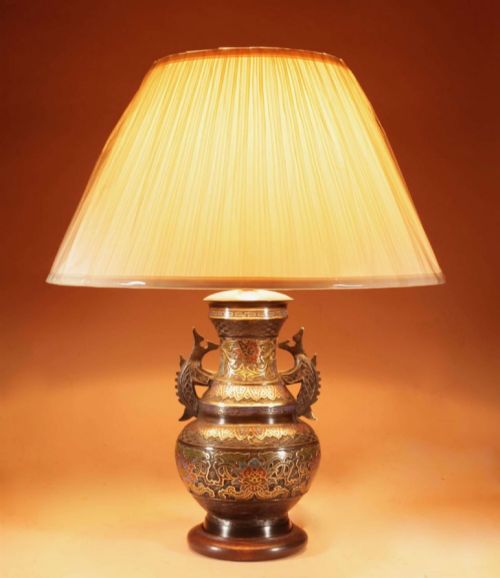
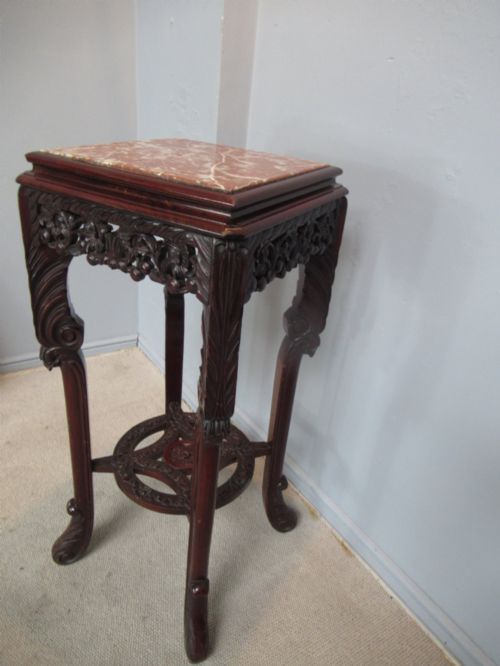
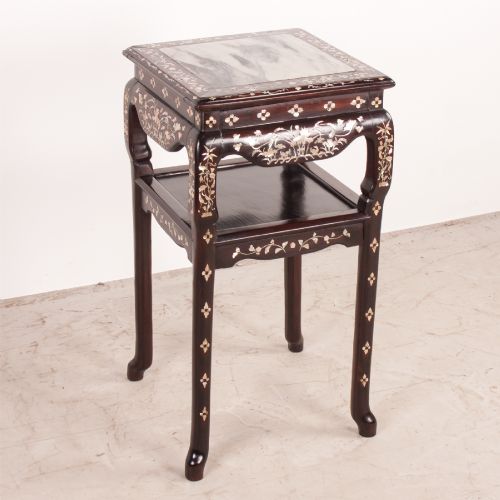
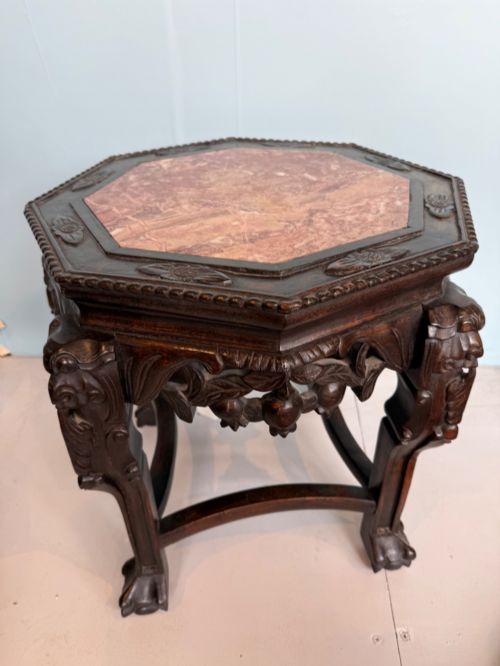
Beyond standalone vases, the category includes functional conversions such as lamps and plant stands incorporating marble tops. These variations highlight how makers adapted traditional oriental aesthetics for Western interiors over successive centuries.
Materials and construction
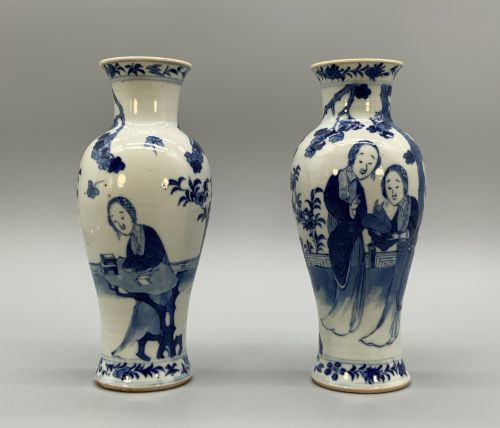
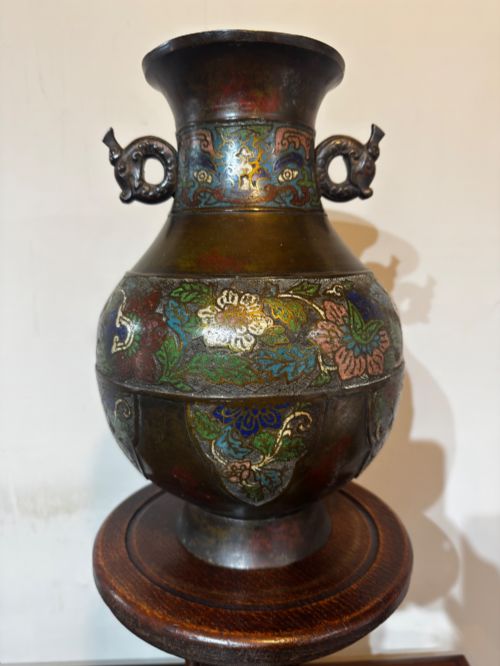
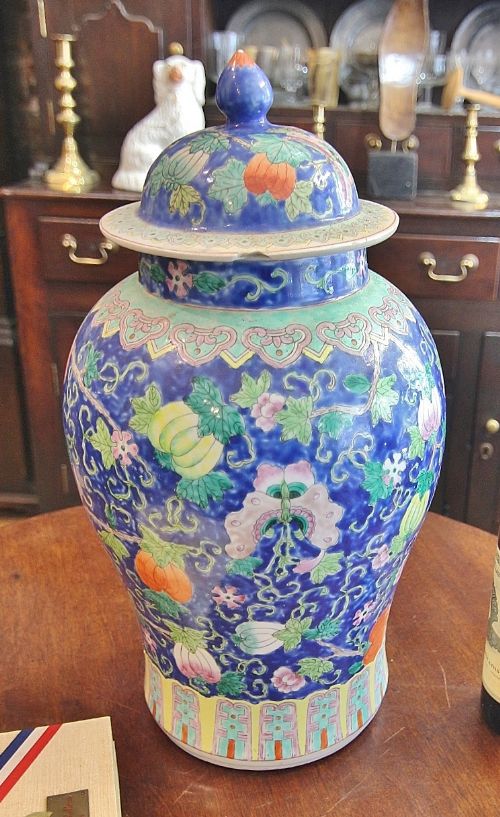
Porcelain and pottery form the backbone of these pieces, often painted in cobalt blue or enriched with enamels, gilding, and famille noire palettes. Artisans also utilised bronze with champlevé enamel work and carved dense hardwoods for stands and tables.
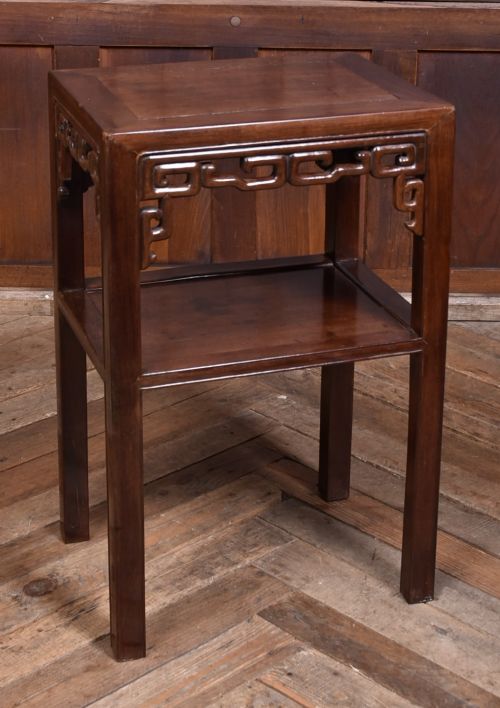
Techniques such as intricate hand-carving define the wooden furniture and pedestals, while metalwork incorporates detailed casting and cloisonné or champlevé enamelling. Ceramic vessels display both underglaze blue painting and overglaze enamel applications.
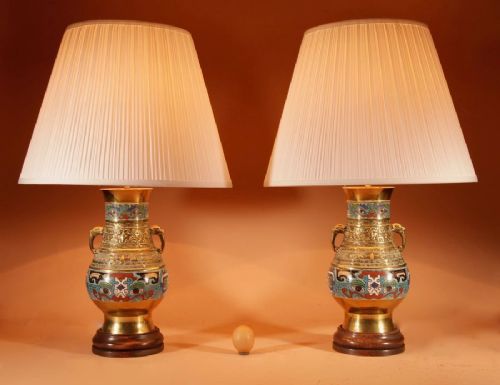
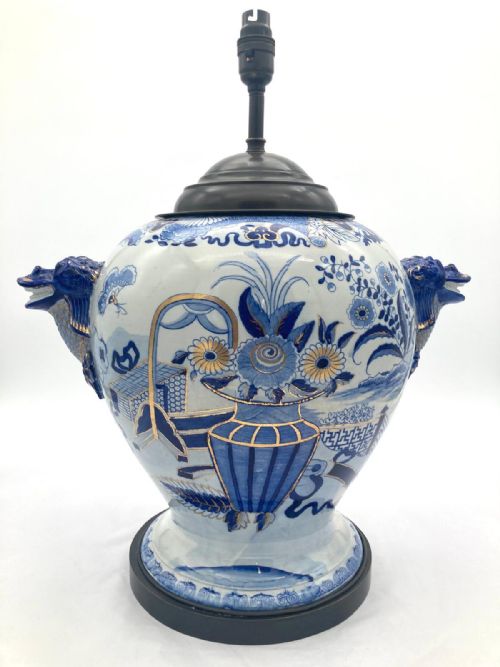
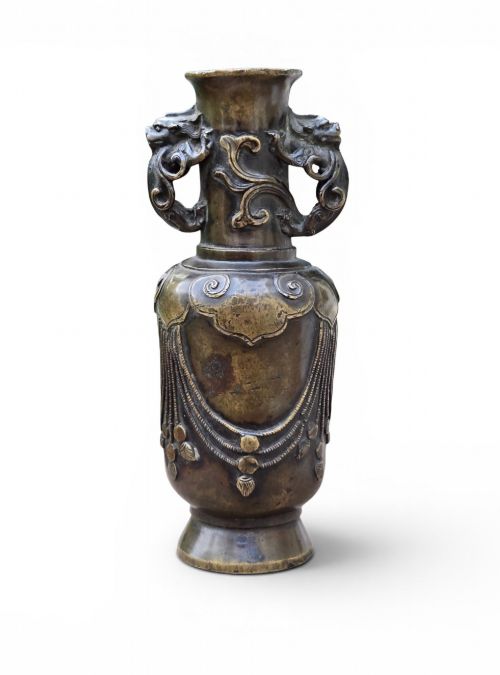
Several dragon-handled vases guard against bad spirits while quietly doubling as nineteenth-century reading lamps.
Distinguishing quality
Quality rests upon the crispness of the hand-painted detail and the precision of the underlying material, whether porcelain, bronze, or carved hardwood. Superior examples show careful attention to proportions, clean glaze application, and well-executed decorative motifs.
The integrity of the construction, such as tightly fitted joinery in wooden stands or finely worked cloisonne compartments on metal pieces, separates standard production from finer craftsmanship.
Hicks and Meigh·Carlton Ware·Royal Doulton·Wedgwood·Samson
The Oriental Style Urn Glossary
- Champlevé
- A technique where enamel is placed into recessed cells carved into a metal surface before firing. This method creates defined patterns of coloured glass across bronze objects.
- Kangxi
- A significant period of Chinese imperial rule associated with high standards of blue and white porcelain. Later pieces often referenced this aesthetic in their designs.
- Cloisonne
- Enamelling work where metal wires are soldered to a base to create compartments for coloured paste. The piece is then fired and polished smooth.
- Doucai
- A Chinese porcelain decorating technique combining underglaze blue outline with overglaze enamel infill. This method produces vibrant multi-coloured patterns.
- Torchere
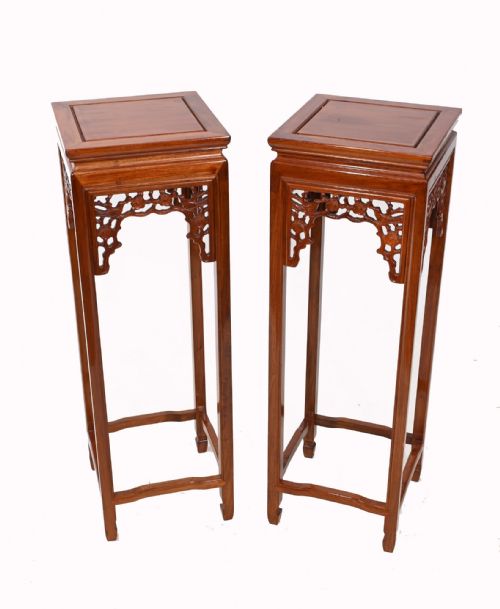
- A tall stand or pedestal designed to support a light or decorative object. In oriental styles, these are frequently carved from dense hardwoods.
Oriental Style Urn: Frequently Asked Questions
What is an oriental style urn?
An oriental style urn encompasses decorative ceramic vessels, jars, and bronze objects inspired by Asian traditions. These pieces often feature traditional blue and white painting or intricate enamel work.
They serve primarily as decorative focal points within interior spaces, sometimes adapted over time into table lamps or paired with matching hardwood stands.
How do I date a porcelain vase?
Dating porcelain relies on examining the characteristics of the glaze, the style of the hand-painted motifs, and any base marks present. Many nineteenth-century items incorporate stylistic references to earlier reigns.
Comparing the potting weight, blue tone, and manufacturing techniques helps distinguish older periods from twentieth-century reproductions.
Where should I place a pedestal stand?
Carved hardwood and marble-topped stands suit corners, hallways, or living spaces as stable platforms for heavy vases and lamps. Their compact footprints allow them to occupy vertical space efficiently.
Ensure the floor surface is level and avoid placing wooden stands in areas subject to extreme temperature fluctuations to protect the joints.
Are converted lamp urns original?
Many ceramic and bronze vessels were fitted for electricity during the late nineteenth or twentieth centuries to suit contemporary lighting needs. This conversion process sometimes involved drilling through the base or adding fitted mounts.
While collectors generally prize unaltered vessels, professional conversion represents a common historical use for large decorative vases.