






Oriental Style Porcelain
Oriental style porcelain brings together centuries of ceramic tradition, European adaptation, and vibrant decorative forms.
Oriental Style Porcelain
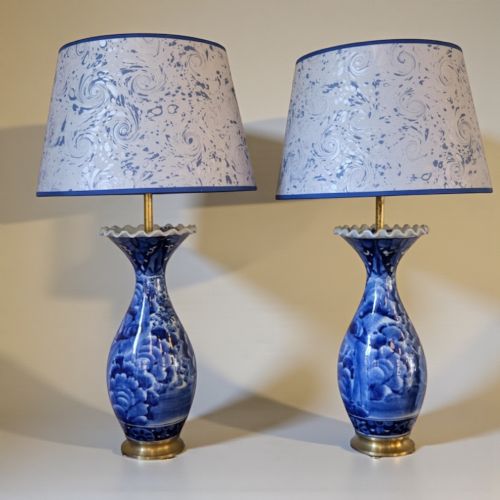
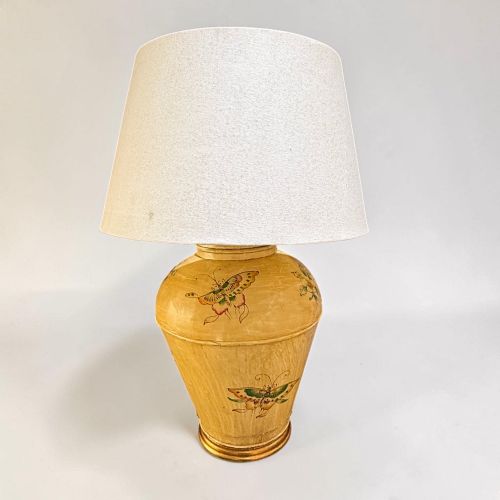
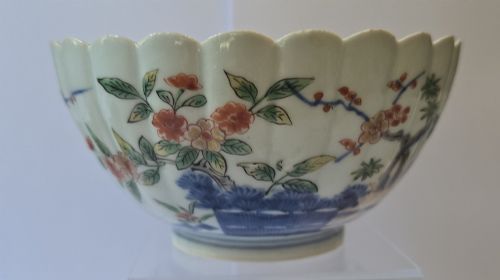
Buyers will encounter vases, decorative plates, lamps, jars, and figures spanning multiple centuries. These objects reflect a long history of cross-cultural exchange and stylistic interpretation.
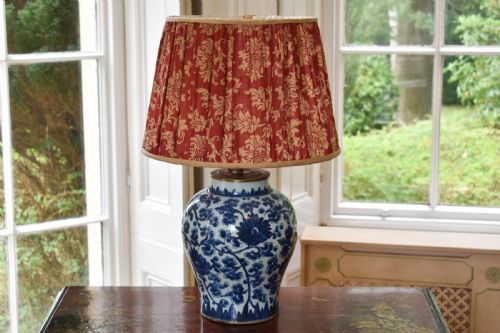
The material takes many forms, including traditional blue and white porcelain, famille rose colour palettes, and heavy ironstone bodies. Pieces often serve as decorative focal points within contemporary interiors.
How they were made
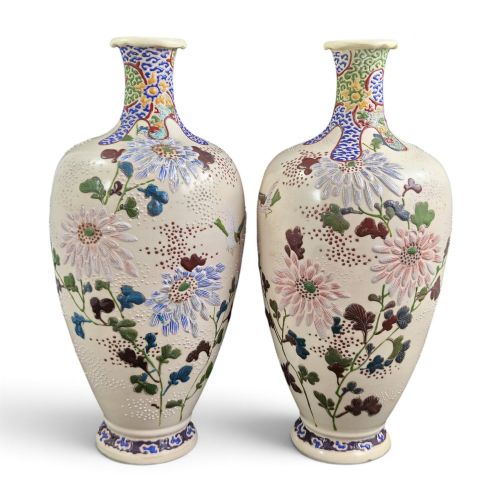
Potters shaped ceramic clay and fired the bodies at high temperatures to achieve durable porcelain. Artisans applied cobalt glaze, enamel colours, and gold leaf by hand before subsequent firings.
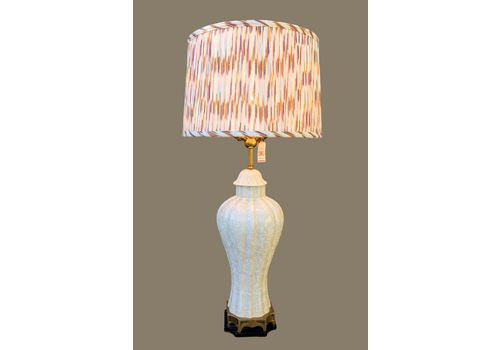
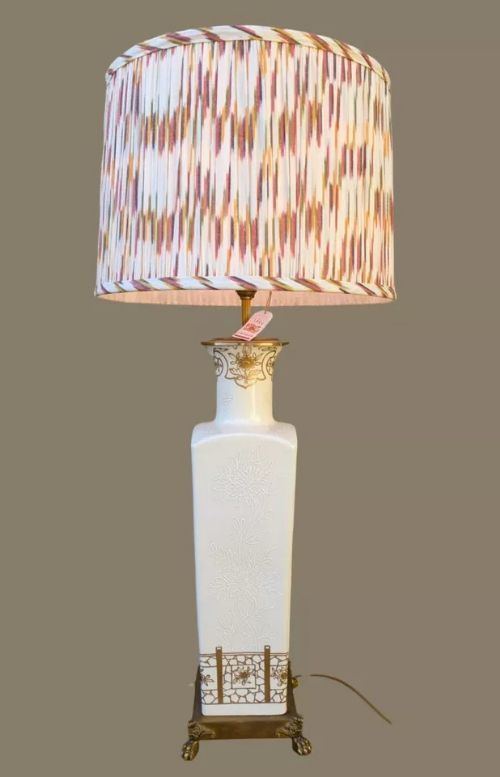
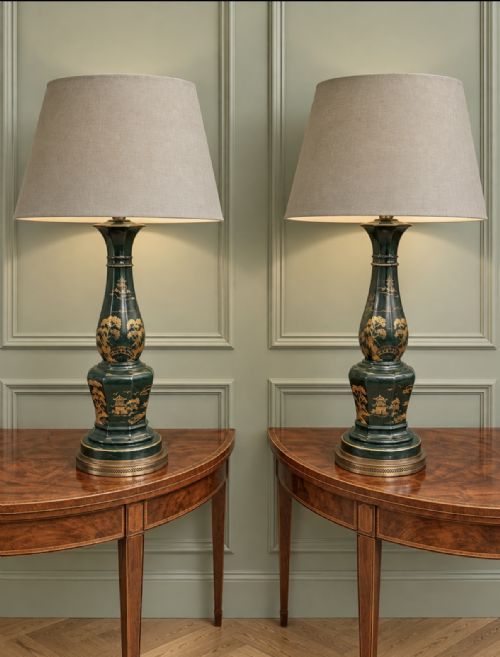
Many ceramic vessels later received metal mounts, brass bases, or electrical wiring when converted into table lamps during the nineteenth and twentieth centuries.
Oriental Style Porcelain Retail Price Guide 2026
Typical asking prices for oriental style porcelain among the pieces listed under this phrase on Sellingantiques today, from the lower quarter to the upper quarter. They describe what is for sale here now, not the wider market.
Listings feature materials such as porcelain, enamel, glaze, gold leaf, cobalt glaze, ceramic, brass, and fabric across multiple centuries.
What varies in quality
The standard of painting on the ceramic surface dictates much of the visual success of each piece. Precise brushwork, depth of cobalt blue, and careful application of enamel distinguish finer work from simpler production.
Preservation of the glaze, the crispness of moulded details, and the integrity of any added brass or wooden stands contribute to the overall merit of the item.
Makuzu Kozan II·Carlton Ware·Hicks and Meigh
The Oriental Style Porcelain Glossary
- Imari
- A style of Japanese porcelain featuring cobalt blue, iron red, and gold decoration. It originated in Arita and gained immense popularity in Europe.
- Famille rose
- A major palette of Chinese ceramic enamel colours introduced in the Qing dynasty, dominated by opaque pink or purple shades.
- Chinoiserie
- The European interpretation and imitation of Chinese and East Asian artistic traditions, prominent in architecture, furniture, and ceramics.
- Celadon
- A term for pottery denoting both wares glazed in jade green and the specific glaze itself. The colour results from iron oxide in reduction firing.
- Doucai
- A Chinese porcelain technique involving underglaze blue outlines filled in with overglaze enamel colours. The term translates to competing colours.
Oriental Style Porcelain: Frequently Asked Questions
How do I identify Imari porcelain?
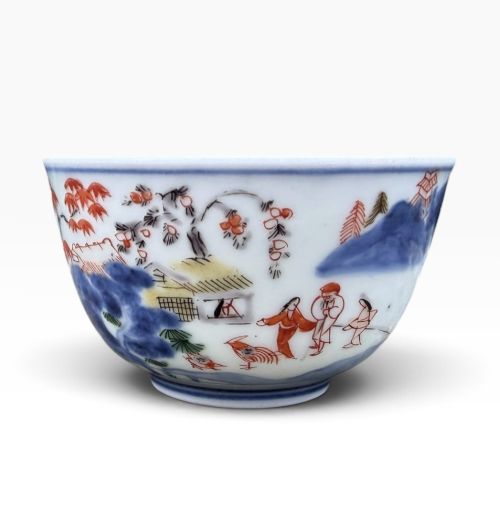
Japanese Imari porcelain is typically recognised by its distinctive palette of underglaze blue and iron red, often highlighted with gold leaf. The designs commonly incorporate floral and brocade patterns.
Items from this tradition span various periods, including the Meiji era and the nineteenth century, reflecting enduring export demand.
What is Chinoiserie style?
Chinoiserie represents European stylistic interpretations of Chinese and East Asian motifs, flourishing during the Regency period and beyond. It appears across ceramics, furniture, and decorative objects.
These pieces blend Western forms with imaginative renderings of oriental landscapes, figures, and flora.
How should I clean porcelain lamps?
Dust porcelain surfaces gently with a soft dry cloth to prevent accumulation. Avoid harsh chemical cleaners that might damage delicate enamel or gold leaf decoration.
For lamps with electrical components, ensure the unit is unplugged before undertaking any maintenance.
What does blue and white porcelain mean?
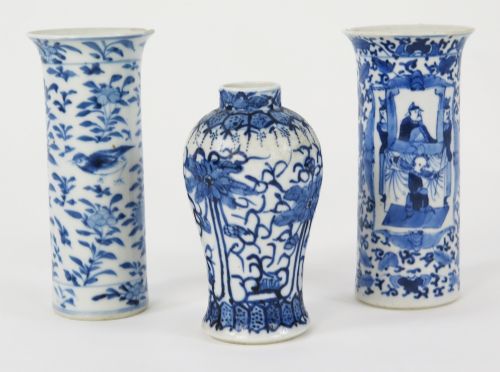
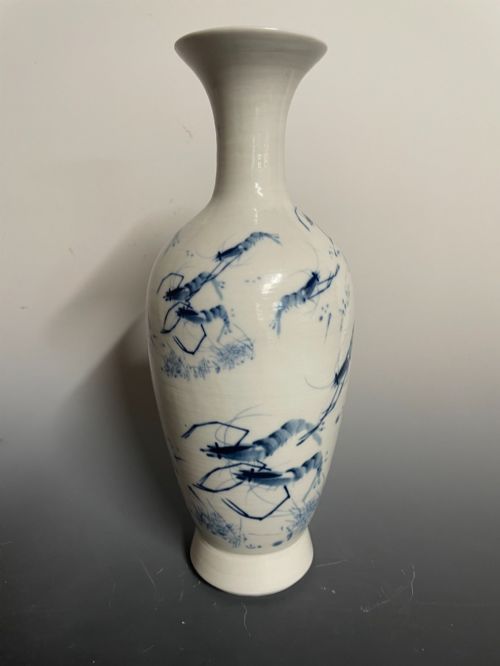
Blue and white porcelain describes ceramics decorated under the glaze using cobalt pigment, producing distinctive blue designs against a white ground. This technique has a long history in Chinese kilns.
Examples range from 18th century imperial vessels to later nineteenth century export items.