



Oriental Style Console Table
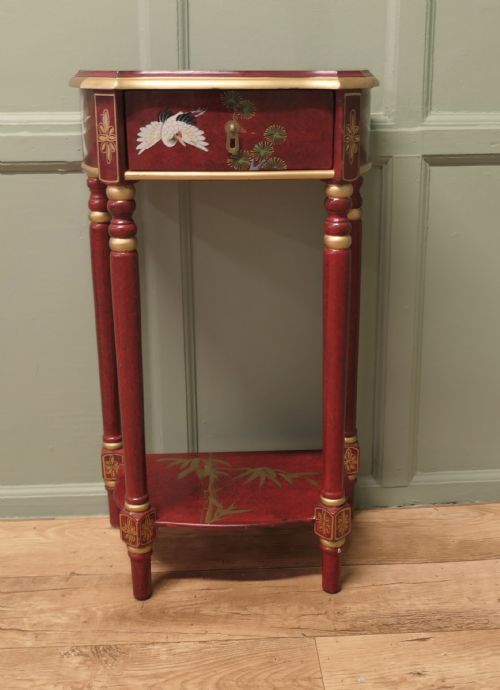
These oriental style console table examples bring striking lacquer finishes and substantial elm timber into an interior.
Oriental Style Console Table
An oriental style console table brings specific architectural forms into a hallway or living space, ranging from altar tables to demi-lune shapes. Buyers hunting for an oriental style console table encounter pieces spanning the eighteenth century through the Edwardian era.
The selection includes traditional Chinese elm workshop pieces alongside Victorian and Edwardian British interpretations featuring Chinoiserie decoration. Forms stretch from side tables and card tables to large altar tables designed for prominent wall placement.
Materials and Construction
Timbers like elm and dense hardwoods form the structural core of these tables, often joined using traditional framing techniques without metal fixings. Surfaces frequently receive layers of lacquer or gilt detailing, particularly on pieces influenced by Qing Dynasty designs or Victorian taste.
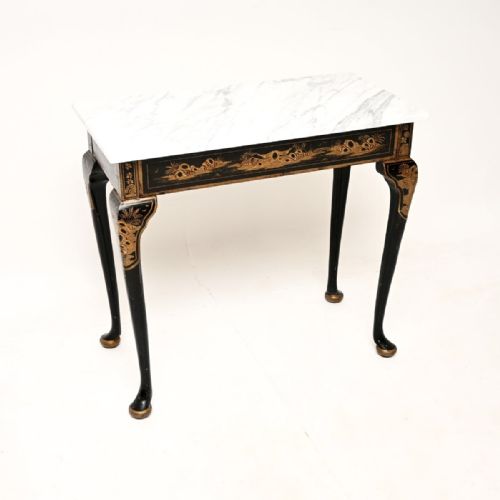
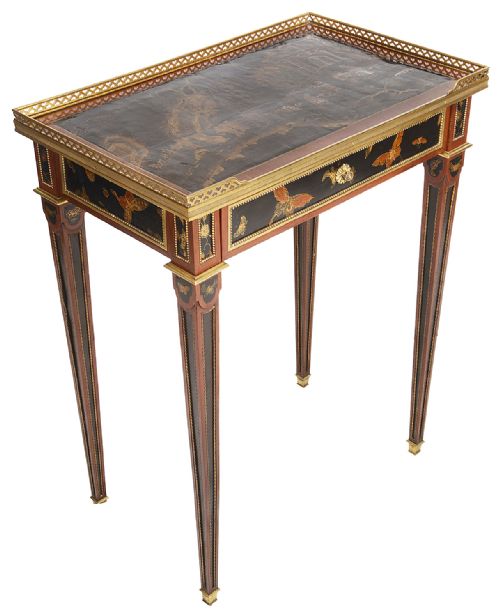
Marble tops occasionally appear on Victorian interpretations, adding heavy stone surfaces to lacquered wooden frames. Brass mounts and metal hardware provide functional accents on drawers and corners.
Current listings feature materials ranging from traditional elm and dense hardwood to applied lacquer, marble, and brass.
Assessing Quality and Execution
The depth and preservation of the lacquer finish separate everyday examples from finer decorative works, especially where gilt motifs are involved. Timber selection also dictates grade, with dense hardwoods and well-figured elm showing superior grain and structural integrity.
Proportion and stylistic purity determine the standing of an individual table, distinguishing provincial utility from ambitious cabinetmaking. The crispness of carved details on corner legs and aprons reveals the maker's hand.
The Oriental Style Console Table Glossary
- Altar table
- A long, narrow table originating from temple or domestic domestic ritual use, typically featuring high upturned ends or carved aprons. These forms provide a dramatic silhouette against a hallway wall.
- Chinoiserie
- European imitation and adaptation of Chinese artistic traditions, popular during the Victorian and Edwardian periods. It relies heavily on lacquer, painted figures, and gilt decoration.
- Demi-lune
- A half-moon shaped table designed to sit flush against a wall. They function well in narrow hallways and reception spaces.
- Elm
- A tough, interlocking timber commonly utilised in Chinese provincial furniture making. It resists splitting and takes dark stains or clear finishes effectively.
Oriental Style Console Table: Frequently Asked Questions
Where should I place an oriental console table?
These tables suit narrow hallways, entrance halls, and reception rooms where floor space is at a premium. Their shallow depth allows them to sit against walls without obstructing pathways.
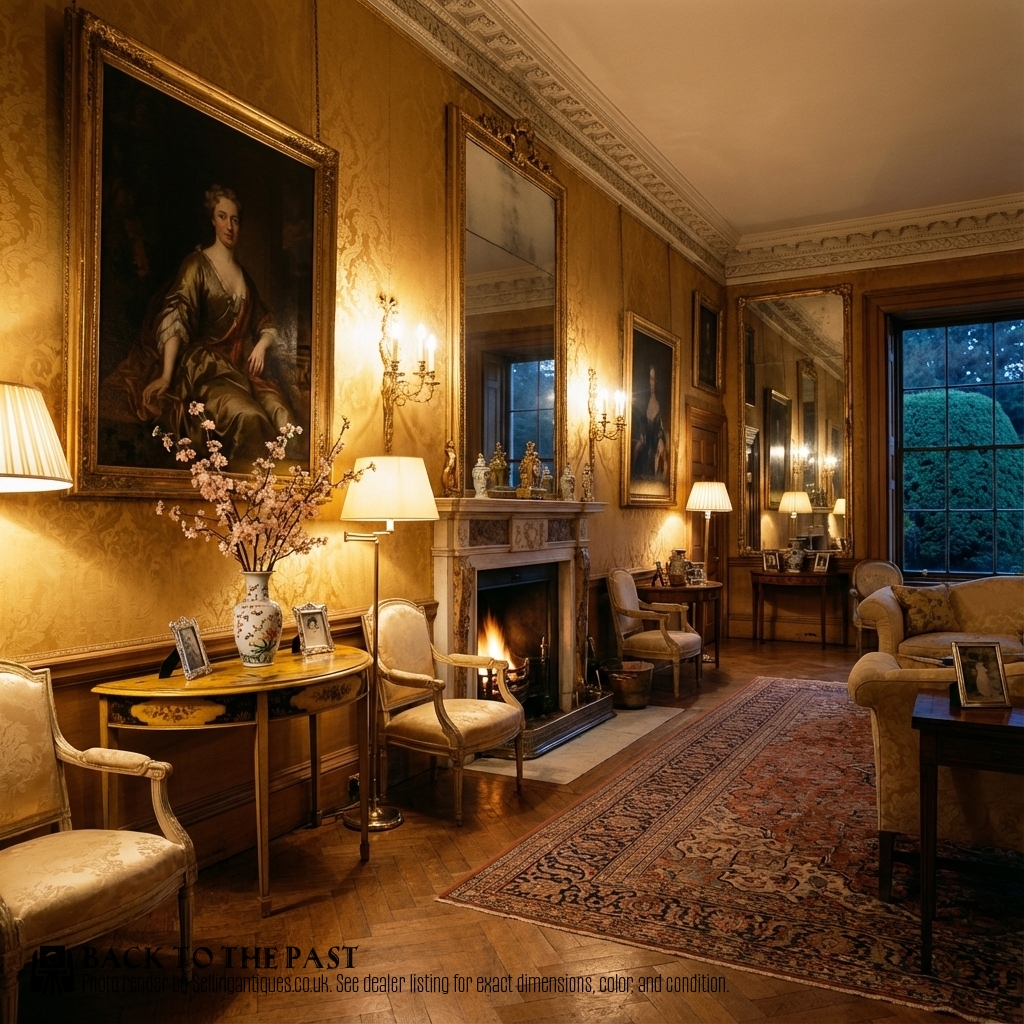
Larger altar tables make strong focal points beneath large mirrors or artwork in living spaces. Smaller demi-lune and side variants fit comfortably into corners or transitional zones.
How do I clean lacquered wood surfaces?
Dust surfaces regularly with a soft, dry cloth to prevent particulate buildup on fragile lacquer layers. Avoid chemical polishes and abrasive cleaners that can damage decorative finishes.
Keep these tables away from direct sunlight and strong heat sources to prevent the timber from warping and the lacquer from cracking.
What is the difference between Chinese and European Chinoiserie?
Chinese-made pieces typically utilise native timbers like elm and hardwood, built to traditional regional furniture patterns. They reflect authentic domestic or ritual forms.
European Chinoiserie pieces date from periods like the Victorian era or Edwardian times, applying painted oriental motifs to western furniture shapes such as card tables and occasional tables.
Are these tables suitable for daily use?
Sturdy elm and hardwood examples handle everyday placement for keys, lamps, and decorative objects without difficulty. Their solid construction serves practical storage and display functions.
Delicate lacquer or gilt-decorated surfaces require more care to prevent scratching or moisture damage from drinking glasses.