


Antique Yellow Hall Table
An antique yellow hall table brings instant warmth and a striking splash of colour to an entryway.
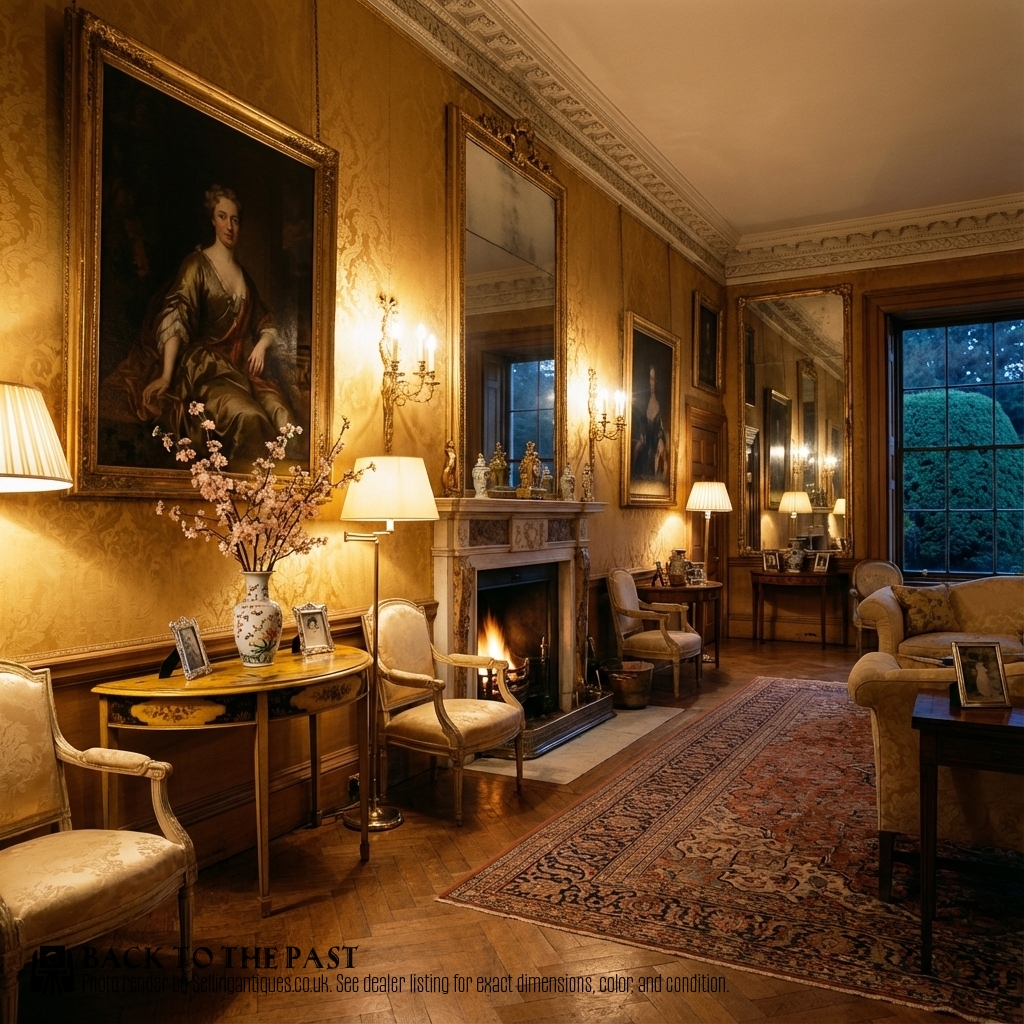
Antique Yellow Hall Table
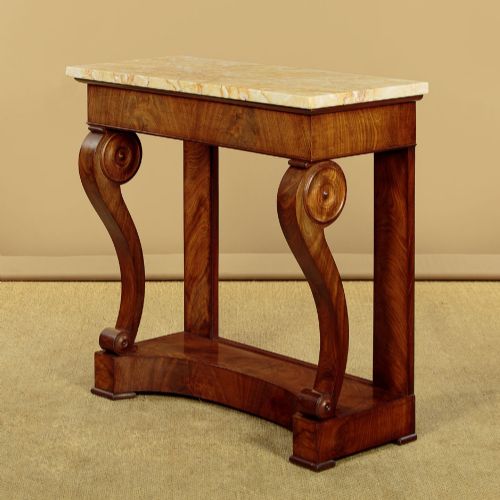
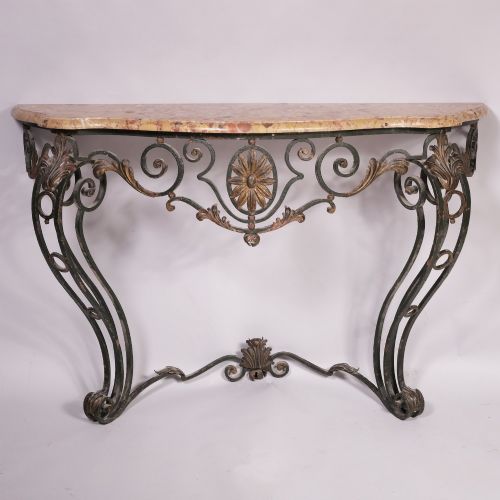
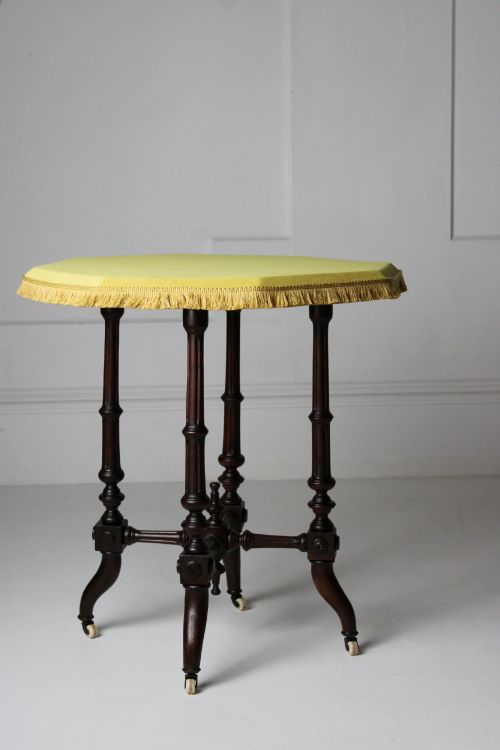
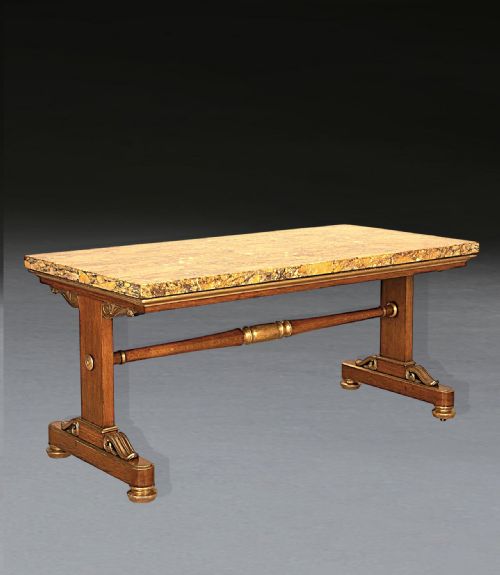
An antique yellow hall table encompasses console tables, side tables, centre tables, and serving tables designed for narrow spaces and entranceways. The pieces appearing here span the Georgian, Regency, and Victorian eras through to the early twentieth century.
Buyers will encounter painted pine side tables alongside more formal console tables featuring marble tops and decorative finishes. Styles range from English Country and French Chateau to Regency, Neoclassical, and Aesthetic Movement designs.
The forms vary from demi-lune shapes to rectangular side tables, often retaining original paintwork in ochre or yellow tones. These items offer practical surface space while serving as a bold focal point in a hallway.
Distinctions in quality
Quality rests in the originality of the painted surface and the integrity of the materials, such as genuine marble slabs paired with timber frames. Tables retaining their early or original ochre and yellow paint hold greater distinction than later repainted surfaces.
The refinement of the carving and joinery separates standard country pieces from high-style Regency, Neoclassical, and Aesthetic Movement examples. Proportions and the clever use of secondary woods also indicate the standard of craftsmanship.
One cheerful Regency table wears its original ochre coat proudly, proving that ancestors loved a bright hallway just as much as we do.
The Antique Yellow Hall Table Glossary
- Console table
- A table fixed to a wall or designed to stand against one, often supported by brackets or front legs. These forms suit hallways and narrow living spaces.
- Demi-lune
- A half-moon shape used for console and side tables designed to fit flat against a wall. This profile saves floor space in compact entrance halls.
- Ochre
- An earthy pigment ranging from yellow to deep amber, frequently found on period painted furniture. It provides a warm, muted tone distinct from bright modern yellows.
- Giltwood
- Timber treated with gold leaf or gold paint to create a lustrous metallic finish. This technique appears on formal Regency and Neoclassical frames.
Antique Yellow Hall Table: Frequently Asked Questions
Where should I place a yellow hall table?
These tables fit naturally in entrance halls, narrow corridors, and reception spaces where surface space is required without blocking foot traffic. Their bright colour makes them effective for creating a welcoming focal point immediately upon entering a home.
Because many examples feature narrow profiles, such as demi-lune shapes or slim side tables, they tuck neatly against walls. They also serve well in living rooms or dining areas as serving tables or display surfaces.
How do I care for painted antique furniture?
Keep painted surfaces clean by dusting gently with a dry, soft cloth and avoid modern chemical polishes that can degrade historical paint layers. Direct sunlight should be minimised to prevent the yellow or ochre pigments from fading over time.
Maintain stable humidity levels in the room to protect the underlying timber, whether pine, oak, or mahogany, from warping. Marble tops benefit from prompt wiping of spills to prevent staining the stone.
What is the difference between a console and a side table?
A console table traditionally relies on the wall for support or is visually anchored to it, often featuring a decorative base designed to be viewed from the front. Side tables are fully freestanding pieces with four legs built to stand independently anywhere in a room.
In modern usage, both terms often overlap when describing hallway furniture, but construction details reveal their original intended placement. Console tables frequently feature demi-lune shapes to sit flat against entry walls.
How do I identify a Georgian hall table?
Georgian pieces display proportions and construction methods typical of the eighteenth and early nineteenth centuries, often utilising solid pine or mahogany. Look for hand-cut joinery and traditional timber preparation that predate industrial manufacturing.
Stylistic cues from this era include restrained classical details and functional forms designed for domestic utility. Painted finishes from this period often show authentic craquelure and wear consistent with age.