




Oriental Style Box
An oriental style box brings a distinct touch of global craftsmanship into a room, offering both hidden storage and striking decorative presence.
Oriental Style Box
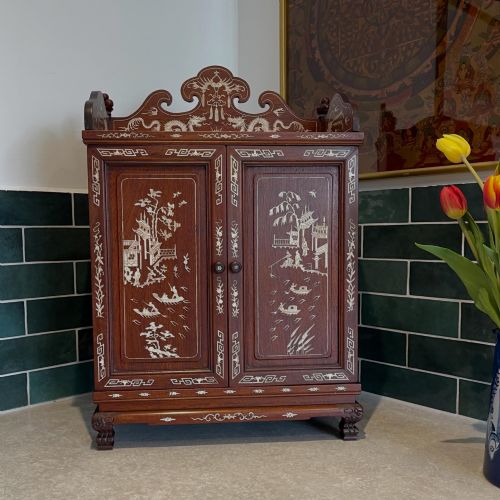
An oriental style box encompasses a diverse group of storage vessels, from table cabinets and lidded containers to large trunks and sewing tables. These pieces draw on aesthetic traditions spanning Chinese export work, Qing Dynasty items, and Japanese traditional designs.
Buyers encounter items originating across several periods, most notably the nineteenth century, alongside examples from the eighteenth, twentieth, and Victorian eras. Forms range from small camphor wood chests and elm table top storage to elaborate lacquered sets and travelling jewellery cases.
How they were made
Maker construction relies heavily on native timbers and hardwoods including elm, rosewood, and camphor wood, often combined with bamboo or iron fittings. Carpenters shaped these materials into sturdy frames for chests, trunks, and cabinets.
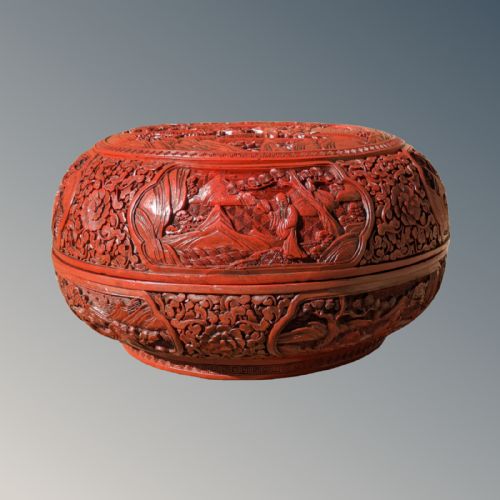
Surface decoration defines many pieces, utilising red lacquer, gold leaf, and intricate hand carving. Cinnabar lacquer and elaborate painted chinoiserie provide deep texture and visual complexity across lids, drawers, and panels.
Camphor wood chests retain their sharp, medicinal scent through the centuries, quietly deterring moths while smelling faintly of an old apothecary.
What varies in quality
Quality rests in the depth of the carving and the precision of the surface finish, distinguishing mass production from masterwork. Deeply incised cinnabar layers and meticulously applied gold leaf demonstrate superior workshop skill.
The integrity of the underlying timber and the sophistication of the hardware, such as brass mounts and campaign handles, dictate the durability and refinement of the piece.
The Oriental Style Box Glossary
- Lacquer
- A durable finish applied in multiple coats to wood surfaces, often seen in red or black on Asian boxes. It creates a smooth, glossy sheen that protects the underlying material.
- Cinnabar
- A carved lacquer technique involving numerous layers of red pigment built up on a core. Artisans carve intricate patterns directly into the thick hardened material.
- Camphor wood
- A fragrant timber native to Asia, traditionally used for storage chests because its natural scent repels insects. The wood is prized for its distinct aroma and rich grain.
- Campaign case
- A portable chest or box designed for travel by military officers or merchants, featuring recessed brass handles and reinforced corners. These items are built for durability and efficient packing.
Oriental Style Box: Frequently Asked Questions
How do I date an oriental style box?
Dating relies on examining the timber species, construction methods, and hardware style. Pieces from the eighteenth and nineteenth centuries often show hand-cut joinery and traditional lacquer work.
Later twentieth-century examples tend to use standardised fixings and machine processing. Comparing the wear patterns on the base with known period styles helps confirm the era.
What is cinnabar lacquer?
Cinnabar is a carved lacquer technique where many layers of red mineral-based coating are built upon a wooden core. Artisans then carve detailed figural or floral scenes directly into the hardened layers.
This method requires immense patience and skill, resulting in a tactile, deeply textured surface that defines high-end Asian decorative boxes.
How should I clean a lacquered box?
Maintenance requires only a soft, dry microfiber cloth to gently remove dust from the surface. Avoid using chemical sprays, abrasive cleaners, or excess water, which can damage delicate lacquer and gold leaf.
Keeping the box away from direct sunlight and extreme humidity prevents the wood from warping and protects the finish.
Are these boxes meant for daily use?
Many smaller chests, table cabinets, and lidded containers function well for storing jewellery, letters, or small accessories. Sturdy hardwood trunks and sewing tables easily accommodate regular handling in a modern room.
More delicate antique lacquer pieces benefit from gentle treatment to preserve their historical surfaces.