


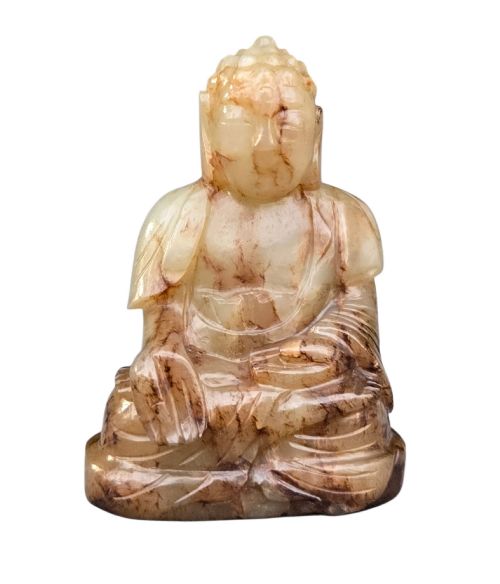


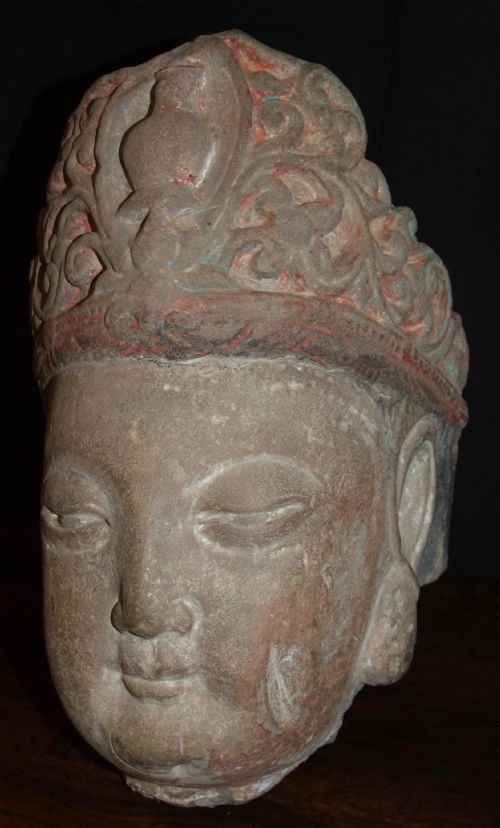


Oriental Stone Statue
An oriental stone statue brings centuries of sculptural tradition into a room, carved from soapstone, jade and limestone to depict figures, animals and deities.
Oriental Stone Statue
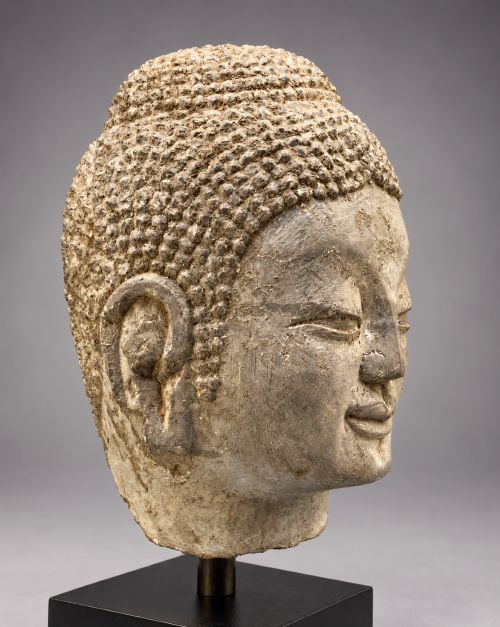
An oriental stone statue encompasses hand-carved figures and deities originating primarily from Chinese and Southeast Asian traditions, spanning periods from pre-sixteenth century dynasties to the nineteenth century. These sculptures take the form of Buddha heads, temple guardians, sages, and animal groups designed for contemplative display.
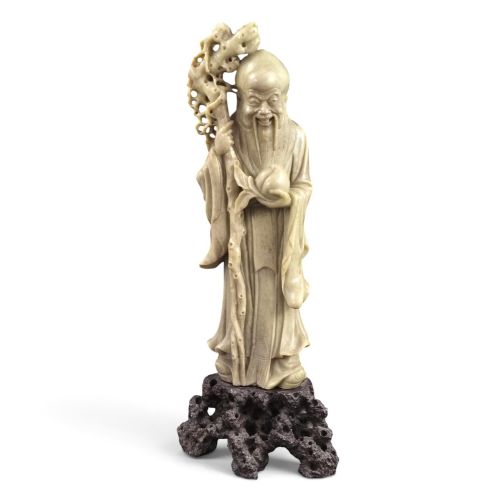
The version most frequently met on this page is the nineteenth-century Chinese soapstone or hardstone figure, often depicting immortals, animals, or literary subjects with intricate detailing. Alongside these, buyers encounter earlier sandstone and limestone fragments as well as Burmese marble temple statues.
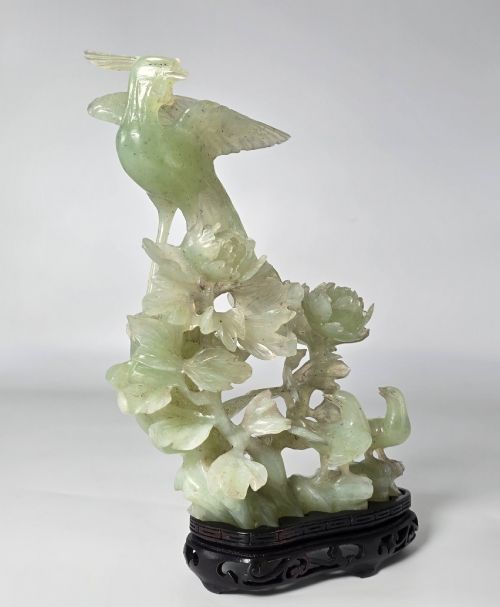
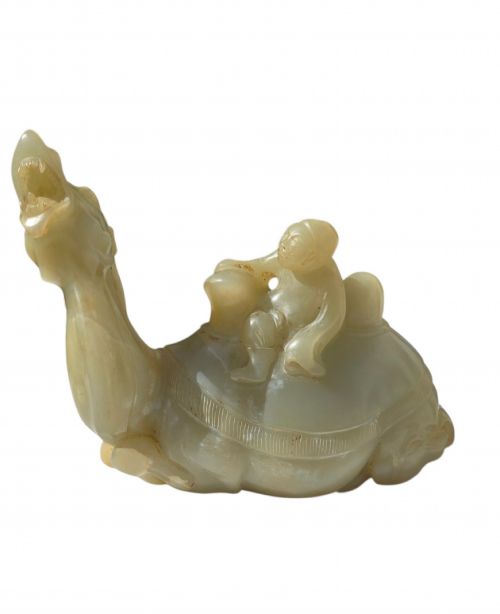
Forms range from monumental camel and rider groups to diminutive bookends depicting Dogs of Fo, offering varied scales for interior placement. Materials shift from dense jadeite and bowenite serpentine to softer soapstones that permitted deeply undercut carving.
How they were made
Carvers utilised a range of regional minerals, working with hardstones such as jade and bowenite serpentine alongside softer media like soapstone, limestone, sandstone, and marble. The choice of stone dictated the depth of relief and the scale achievable by the workshop.
Abrasive sands and water did the heavy cutting on dense materials, followed by hand chisels and drills for facial expressions and drapery folds. Gold leaf occasionally highlighted details on stone and alabaster figures from Southeast Asia, adding surface enrichment to the carved form.
Listings incorporate items spanning from pre-sixteenth century limestone and sandstone fragments up to nineteenth-century soapstone, jadeite, and marble sculptures.
What varies in quality
The selection of the raw stone dictates visual weight, where natural colour variations and translucency were exploited by the carver to accentuate parts of the composition. Well-judged proportions and confident anatomical execution distinguish ambitious sculptural groups from simpler utilitarian pieces.
The Oriental Stone Statue Glossary
- Soapstone
- A talc-schist mineral easily worked with hand tools, frequently utilised for nineteenth-century Chinese figural carvings. Its relative softness allowed carvers to achieve complex undercut details.
- Jade
- A dense nephrite or jadeite stone prized in Asian art for its toughness and subtle coloration. It demands patient abrasive working methods.
- Dog of Fo
- A mythical lion guardian traditionally placed outside temples to ward off malevolent spirits. These creatures appear frequently as pairs of figures or bookends.
- Shoulao
- The Chinese Taoist god of longevity, typically depicted as an old man with an elongated forehead holding a peach. He is a common subject in soapstone and hardstone sculpture.
- Avalokiteshvara
- A bodhisattva who embodies the compassion of all Buddhas, often represented in early stone and sandstone temple sculptures. These heads and figures reflect Buddhist devotional practices.
Oriental Stone Statue: Frequently Asked Questions
How do I clean an antique stone statue?
Dust gently with a soft, dry brush to prevent accumulation in carved recesses. Avoid water or chemical cleaners, particularly on softer materials like soapstone or gilded surfaces.
Keeping the sculpture away from direct sunlight and sudden temperature changes protects the stone and any historic surface treatments from degrading over time.
How can I tell the age of a stone carving?
Dating relies on stylistic markers such as the treatment of drapery, facial proportions, and the specific iconography associated with dynasties like the Ming or Qing. Tool marks and the natural patina developed through handling also provide clues.
Comparing the sculptural style with dated museum examples remains the most reliable method for establishing an approximate period.
Where should I place a stone figure at home?
Position these statues on stable surfaces where their weight is fully supported, especially for larger hardstone or marble pieces. Placing them away from high-traffic areas prevents accidental knocks.
Pairing bookends on a shelf or displaying a single sage figure on a low table allows the carving to be viewed from multiple angles.