



Oriental Silk Area Rug
An oriental silk area rug brings intricate pattern and luminous texture to a floor, drawn from traditions across Persia, Turkey, China and Kashmir.
Oriental Silk Area Rug
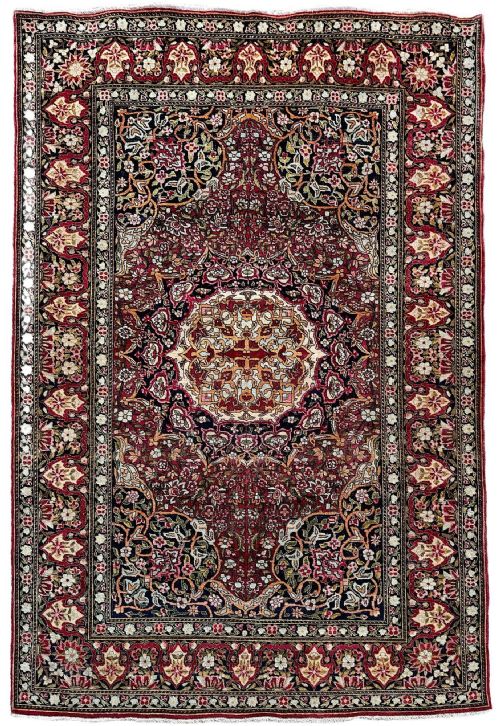
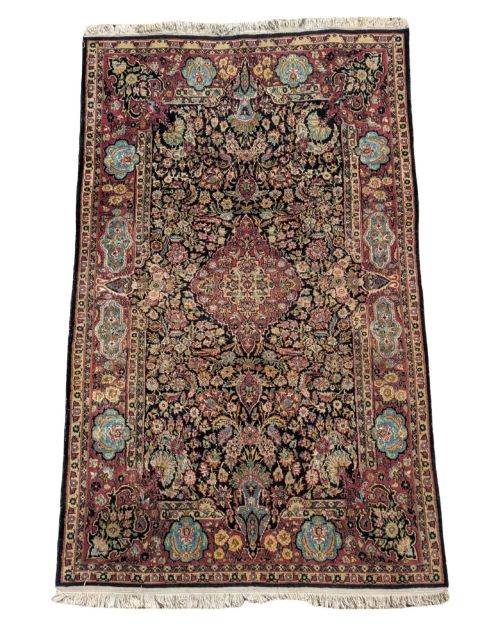
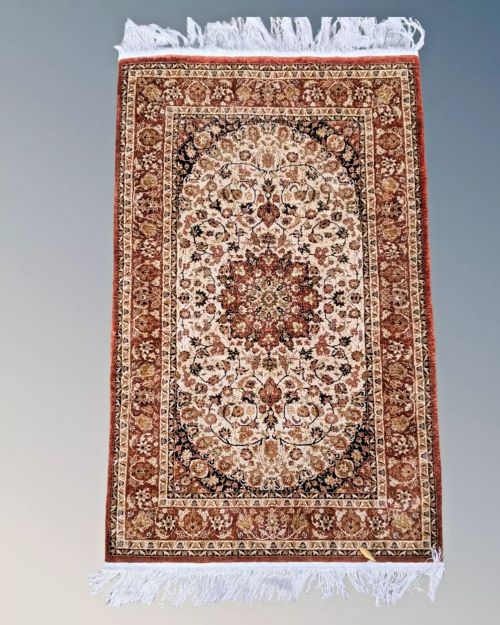
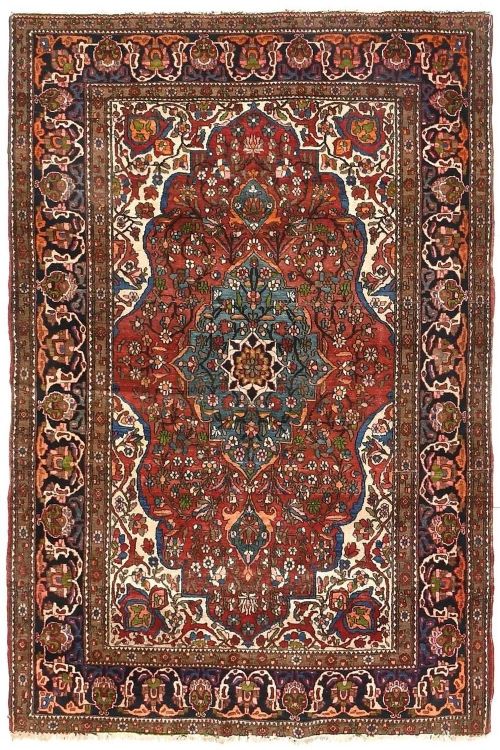
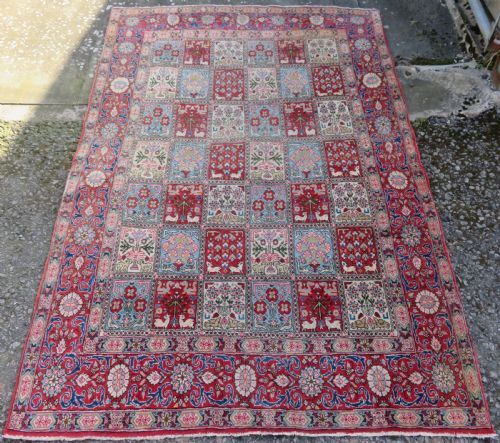
An oriental silk area rug encompasses floor coverings woven across regions such as Persia, Turkey, China and Kashmir, ranging from compact prayer mats to large carpets. When searching for an oriental silk area rug, buyers encounter varied regional idioms including Isfahan, Qum, Kayseri, Kashan, Tabriz and Chinese compositions.
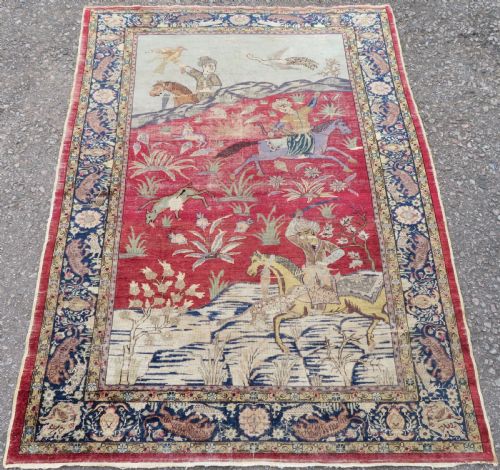
The material composition varies from pure silk piles to pieces utilising silk highlights on wool foundations, cotton foundations or art silk. Designs span medallion layouts, tile patterns, pictorial hunting scenes and repeat floral arrangements.
Production dates seen here stretch from the nineteenth century into the twentieth century, capturing historical workshops and traditional weaving centres. Each piece reflects the specific ornamental vocabulary of its origin, whether Anatolian, Persian or Kashmiri.
Quality factors in weaving and material
Quality rests upon the fineness of the weave and the purity of the materials employed, distinguishing pieces with lambswool on silk foundations from those with simple art silk substitutes. Dense knotting allows complex curves in tile patterns and pictorial hunting scenes to render with sharp clarity.
The choice of fibre dictates the handle and the way light plays across the surface, with genuine silk highlights providing depth that synthetic alternatives lack. Structural integrity in the foundation and selvedges ensures the rug holds its form under foot traffic.
An eighteenth-century weaver once smuggled silkworm eggs out in a hollow walking stick, forever changing the geography of fine pile.
The Oriental Silk Area Rug Glossary
- Pile
- The upright yarn loops or cut ends that form the soft surface of the rug. This is the part that receives wear and displays the design.
- Foundation
- The underlying structural grid of warp and weft threads that holds the knots in place. It determines the stability and drape of the carpet.
- Mihrab
- The arched niche design found on prayer rugs, pointing towards Mecca. It is a defining feature of traditional Islamic devotional floor coverings.
- Medallion
- A symmetrical central ornamental motif set into the middle of the rug field. It often anchors the surrounding floral or geometric layout.
- Gul
- An octagonal or medallion-like tribal motif repeated across Turkmen and Central Asian carpets. Each variation identifies a specific weaving group.
Oriental Silk Area Rug: Frequently Asked Questions
Where were these rugs made?
These rugs originate from historical weaving centres across Persia, Turkey, China and Kashmir. Specific towns and regions such as Isfahan, Qum, Kayseri, Kashan and Tabriz developed distinct artistic styles.
Production methods varied by region, incorporating local motifs like prayer arches, tile patterns and floral medallions using regional silks and wools.
How do I care for a silk rug?
Silk rugs require gentle maintenance, avoiding heavy friction, moisture and direct sunlight that can fade delicate dyes. Professional cleaning tailored to delicate textiles is essential for preserving the pile.
Positioning the rug in low-traffic areas or spaces without heavy furniture helps protect the fine silk fibres and structural foundations from undue stress.
What is an art silk rug?
An art silk rug uses artificial or mercerised cotton substitutes rather than genuine mulberry silk for its pile. These alternatives provide a similar lustrous sheen at a different material cost.
Examining the fibre behaviour and foundation helps distinguish these pieces from pure silk or wool-and-silk combination weaves.