


Oriental Room Carpet
An oriental room carpet anchors a large interior with hand-knotted colour and historic scale.
Oriental Room Carpet
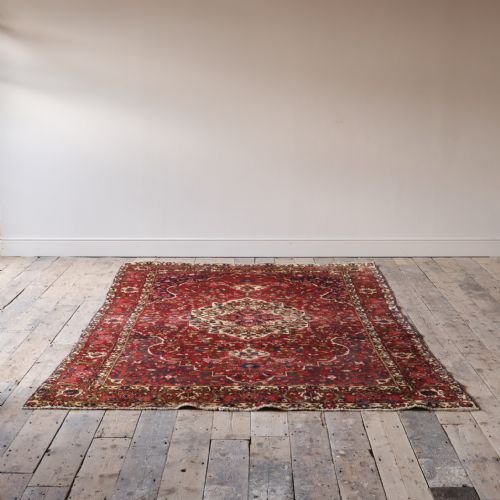
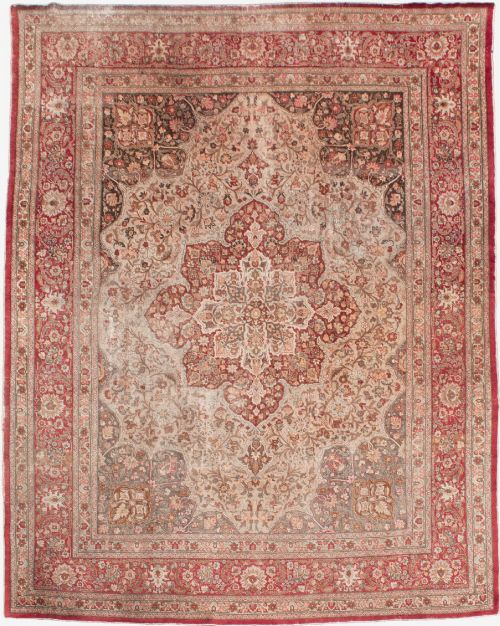
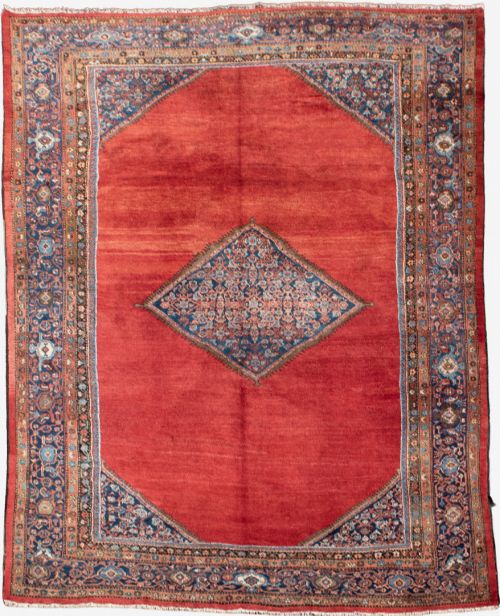
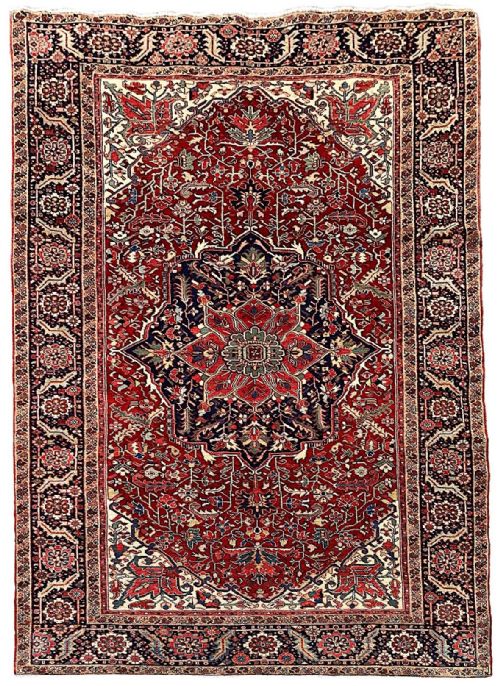
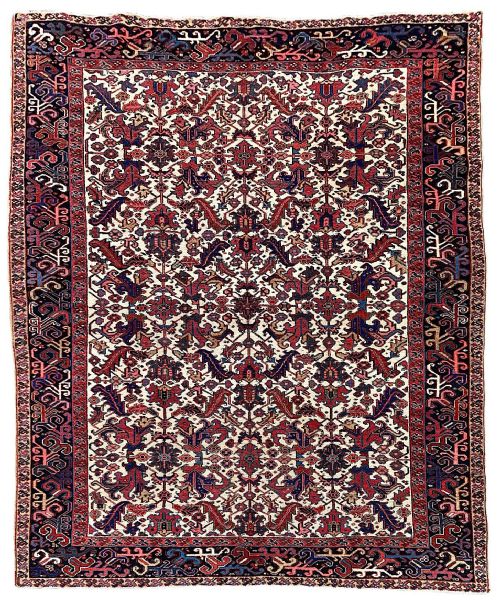
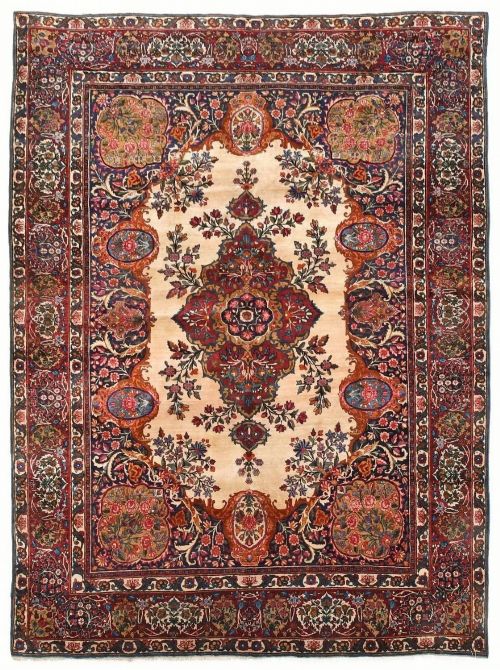
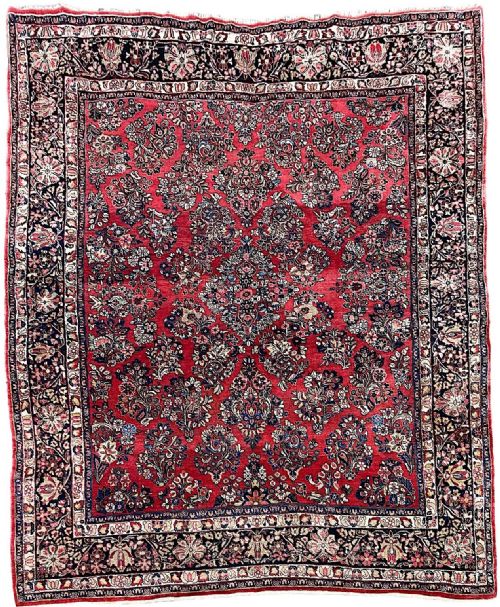
An oriental room carpet is a large floor covering woven by hand in workshops, towns or tribal regions across Persia, Turkey, India and surrounding areas. These pieces range from expansive country house formats to generous room sizes, bringing substantial textile art into domestic interiors.
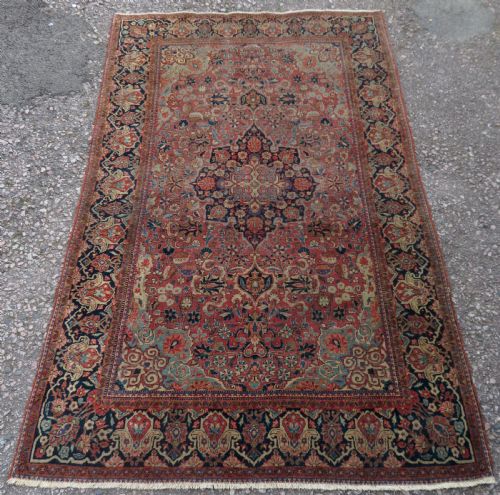
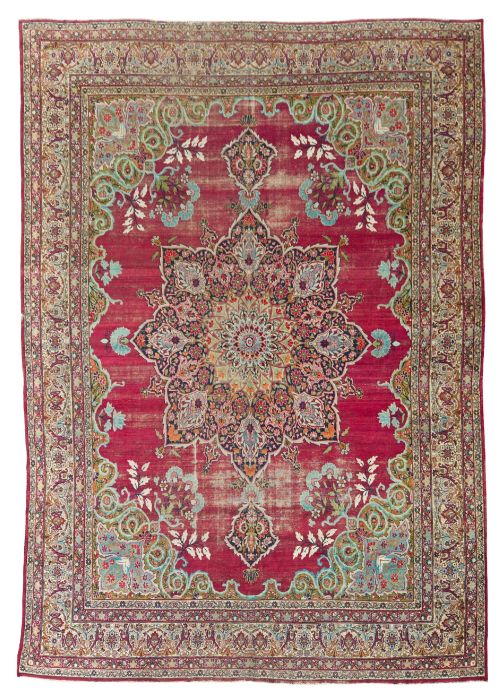
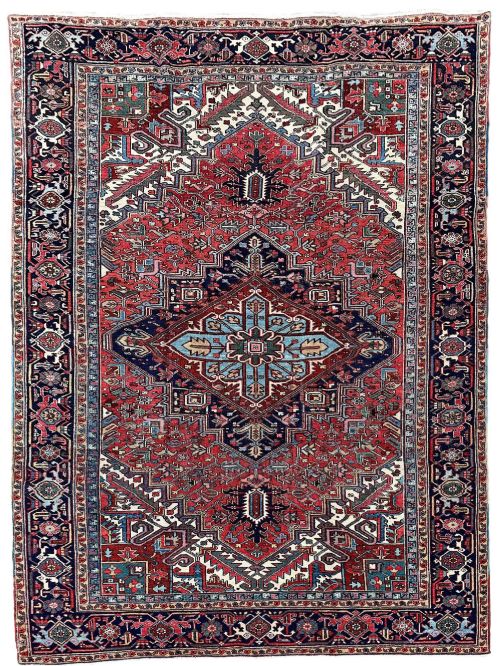
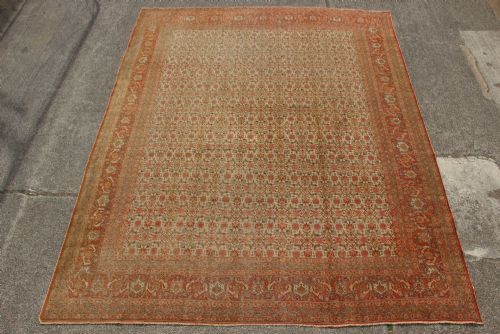
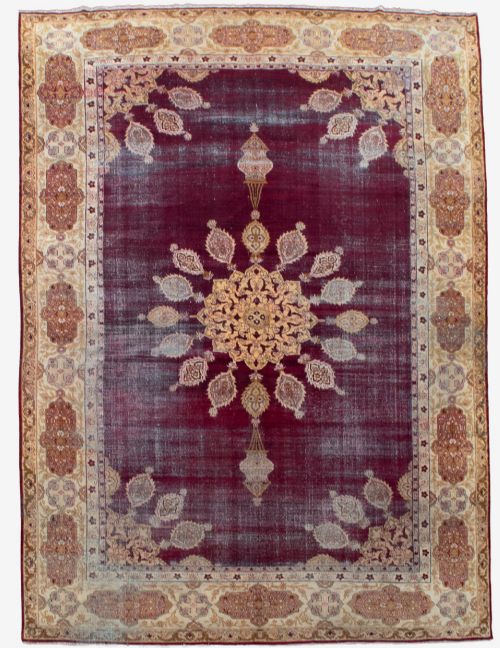
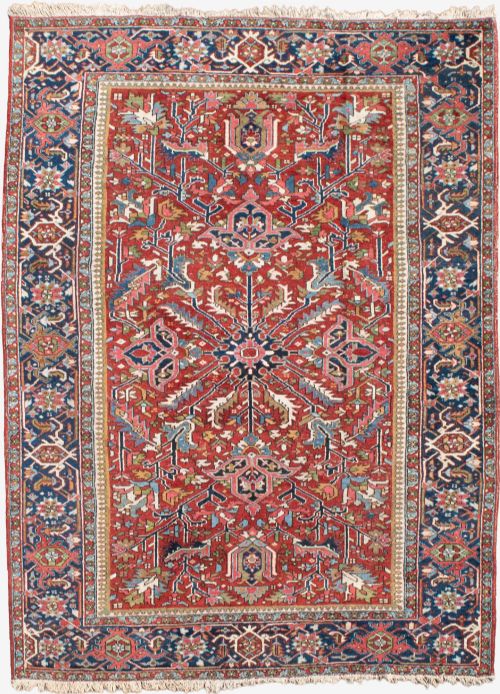
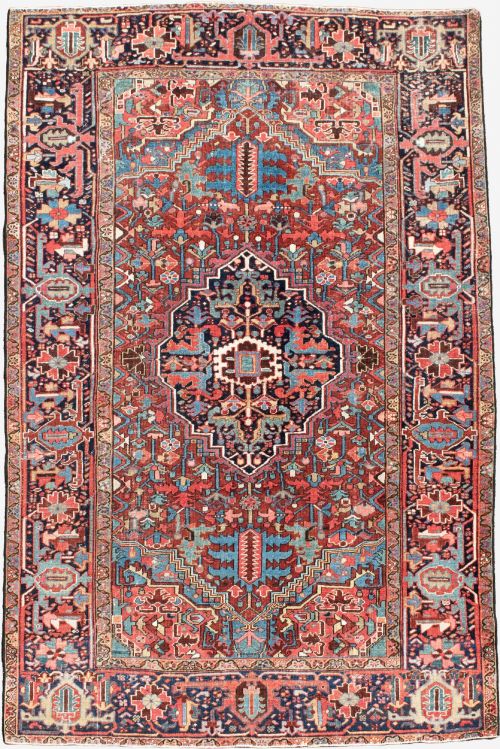
The selection here draws primarily upon Persian and related regional production styles, including Heriz, Tabriz, Oushak, Kirman, Amritsar and Sultanabad. Buyers encounter formats designed specifically for large reception spaces, alongside smaller rugs and kilims produced across the late nineteenth and early twentieth centuries.
How they were made
Makers utilised natural materials including wool, cotton and occasional silk highlights, spinning and dyeing fibres by hand for foundation and pile. Wool provides the durable surface pile, while cotton typically forms the sturdy warp and weft structure beneath.
Weavers knotted the pile by hand onto vertical looms, employing traditional regional knot densities and structural techniques that define each specific weaving centre.
Some carpets survived generations of heavy country house boots and still lie flat.
What varies in quality
Quality rests upon the fineness of the knotting, the balance of the wool quality and the depth of the dye palette. Finer foundations allow complex curvilinear and geometric designs to hold sharp definition.
The character of the wool and the harmony of the faded vegetable or early synthetic tones distinguish standard commercial weaving from exceptional country house examples.
Benlian Tabriz
The Oriental Room Carpet Glossary
- Warp
- The vertical threads stretched tightly on the loom that form the structural foundation of the carpet. Fringe ends typically emerge from these parallel yarns.
- Weft
- The horizontal threads passed alternately over and under warp threads to lock the knots in place. They determine the firmness of the rug body.
- Pile
- The upright cut or looped yarn forming the soft surface of the carpet. Pile height varies depending on the regional tradition and intended use.
- Kilim
- A flat-woven carpet or rug made without pile by tightly interweaving warp and weft threads. These pieces offer geometric patterns and a lighter weight.
- Heriz
- A style of Persian carpet known for bold geometric central medallions and robust structural wool. They originate from the Azerbaijan region in northwest Iran.
Oriental Room Carpet: Frequently Asked Questions
How do I choose the right room size?
Measure your floor space to allow furniture to sit either fully upon the carpet or just outside its borders. Room size carpets suit large reception areas and open living spaces.
Consider the traffic in the room when selecting pile density and material strength for daily living.
What is the difference between Heriz and Tabriz?
Heriz carpets feature bold, geometric medallions and sturdy, rustic wool suited to heavy use. Tabriz carpets showcase finer, more intricate curvilinear floral designs with greater knot density.
Both originate from northwest Persia but serve different aesthetic roles in an interior.
How do I care for an antique wool carpet?
Vacuum gently without a rotating brush bar to protect the hand-knotted pile and historic foundations. Professional cleaning by a specialist in antique textiles maintains the fibres safely.
Keep the carpet out of direct, harsh sunlight to protect the natural dyes over time.
How do I date an oriental carpet?
Examine the palette, dye types, structural materials and weaving style for indicators of the late nineteenth or early twentieth century. Natural wear patterns and regional construction methods provide further clues to the period.
Comparing structural details against known regional examples helps narrow the decade of production.