





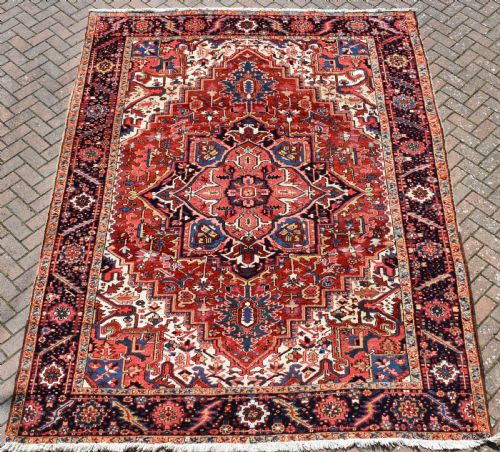
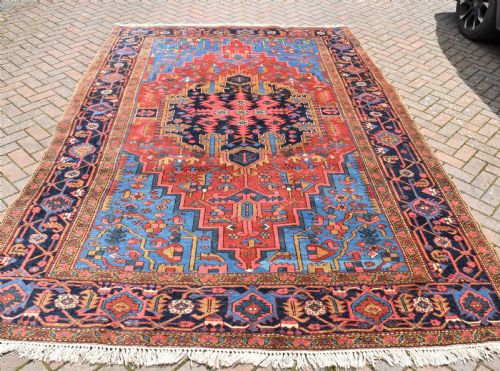

Large Roomsize Carpet
A large roomsize carpet anchors a major interior with grounded proportion and enduring textile artistry.
Large Roomsize Carpet
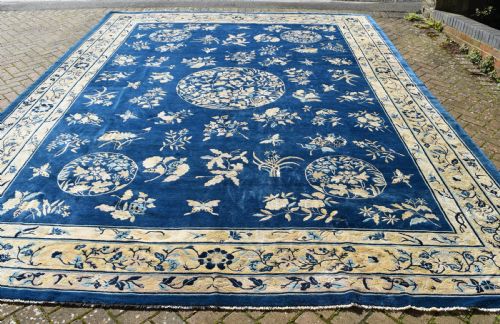
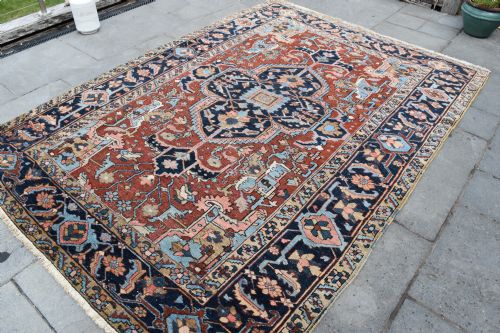
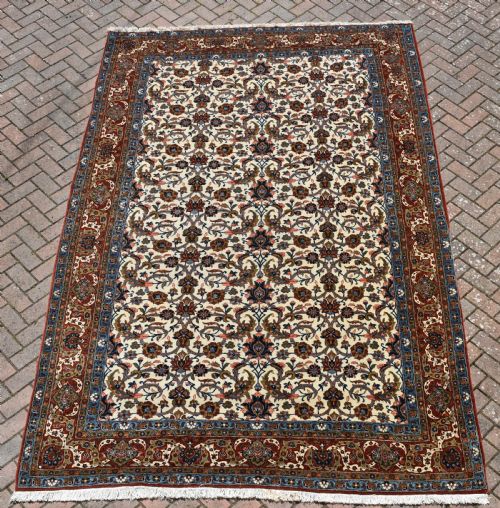
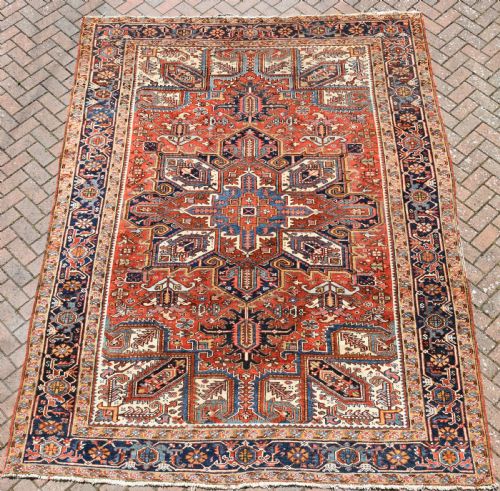
When you search for a large roomsize carpet, you encounter substantial floor coverings designed to define expansive spaces. These pieces span late nineteenth-century origins up through the decades leading to 1930, bringing historic regional weaving traditions directly into domestic interiors. The selections represented here originate primarily from Persian and Chinese workshops, offering distinct regional palettes and motifs.
You are most likely to meet Persian Heriz, Tabriz, Kirman, and Qum productions alongside Chinese Peking examples on this page. These floor coverings vary in scale from grand room-filling formats down to slightly smaller roomsize dimensions, yet all maintain the substantial footprint required for primary reception spaces. Each piece reflects the specific aesthetic vocabulary of its weaving origin, from geometric Heriz medallions to intricate floral Kirman and Tabriz compositions.
How they were made
The construction of these carpets relies upon traditional hand-knotting techniques executed on foundational warps and wefts. Weavers utilised resilient wool pile knotted tightly onto supportive cotton foundations, ensuring the structural stability necessary for large-format textiles. This combination of materials provides both tactile warmth beneath the foot and the tensile strength required to support expansive fields of ornament.
The dying and spinning processes employed natural and early synthetic colourants to achieve lasting depth within the wool pile. Artisans built dense, durable piles that could withstand generations of foot traffic while preserving the clarity of intricate borders and central medallion designs.
Listings feature Persian and Chinese origins, employing wool pile on cotton foundations across periods spanning from 1890 to 1930.
What varies in quality
The distinction between standard examples and the finest productions rests upon the precision of knot density and the crispness of the drawn design. Superior pieces demonstrate exceptional fineness in execution, allowing complex floral or geometric motifs to render with absolute clarity across the expansive field.
Another measure of quality involves the handling of the wool and the depth achieved within the palette. Finer carpets possess a supple handle and a harmonious balance of colours that retain visual interest when viewed across a vast expanse of floor.
Hajji Jalili
The Large Roomsize Carpet Glossary
- Heriz
- A region in northwest Persia known for producing robust carpets featuring bold geometric medallions and durable wool. These pieces often employ striking rust, indigo, and ivory tones.
- Kirman
- A southeastern Persian weaving centre celebrated for intricate floral compositions and sophisticated colour palettes. Carpets from this origin frequently display refined medallion and vase motifs.
- Tabriz
- A historic city in northwestern Persia famous for master weavers producing finely knotted carpets with classical Persian designs. These works typically showcase balanced floral scrolls and sophisticated central medallions.
- Qum
- A central Persian city renowned for producing finely constructed carpets utilising high knot counts and detailed pictorial or floral designs. Wool pile on these pieces often incorporates cotton highlights.
- Peking
- A Chinese weaving tradition producing carpets distinguished by open fields, restrained use of traditional motifs, and characteristic blue or neutral grounds. These textiles bring a calm monumentality to large interiors.
Large Roomsize Carpet: Frequently Asked Questions
Where should I place a large roomsize carpet?
These substantial floor coverings suit principal reception rooms, dining halls, and expansive libraries where furniture can sit comfortably upon the central field. Their grand scale provides a visual anchor for large seating arrangements.
Ensure the room dimensions allow a generous margin of exposed flooring around the perimeter to let the borders frame the space properly.
How do I care for an antique wool carpet?
Protect the wool pile through regular gentle vacuuming without a rotating beater bar to prevent fibre distortion. Professional cleaning should be undertaken periodically by specialists familiar with antique textiles.
Rotate the carpet every year to ensure even exposure to foot traffic and natural light, preserving the balance of the wool pile over time.
How do I distinguish a Heriz from a Tabriz carpet?
Heriz carpets display bold, architectural geometric medallions with strong angular lines and sturdy wool construction. They favour rustic tones like terracotta, navy, and cream.
Tabriz carpets rely upon curved, flowing floral scrolls and finer knotting, reflecting classical Persian court designs with softer botanical palettes.
What is the significance of a cotton foundation?
Cotton warps and wefts provide a stable, non-stretching grid that allows weavers to maintain precise tension throughout the creation of a massive carpet. This structural rigidity prevents the heavy textile from warping or distorting over decades of use.
Furthermore, cotton foundations enable crisp geometric or curved lines to remain sharp across the entire roomsize format.