





Oriental Red Lacquer Box
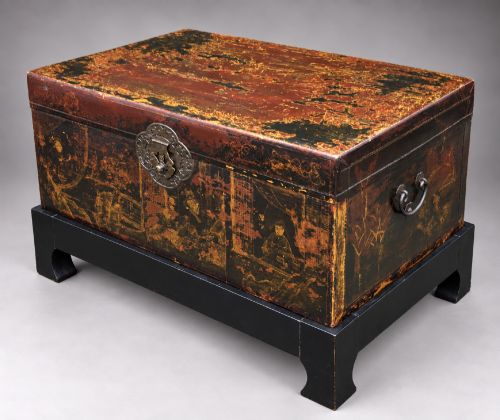
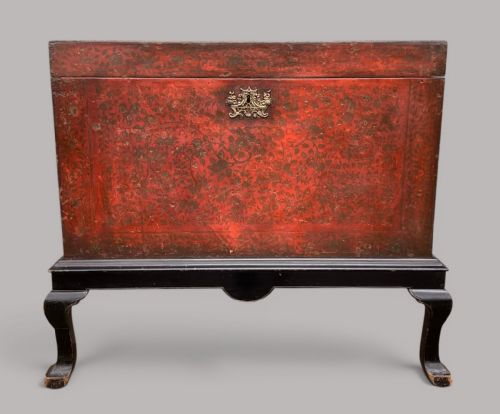
An oriental red lacquer box brings rich colour and deep texture into a room, serving as a striking focal point.
Oriental Red Lacquer Box
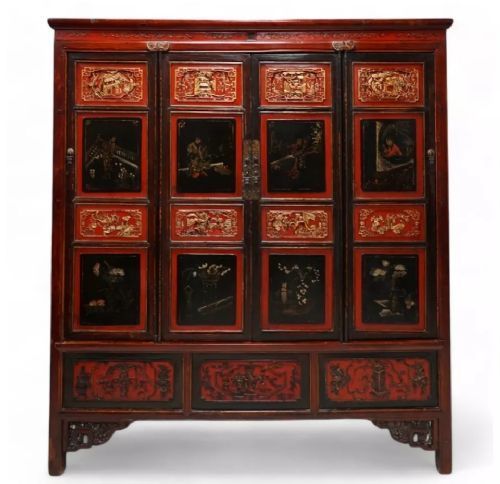
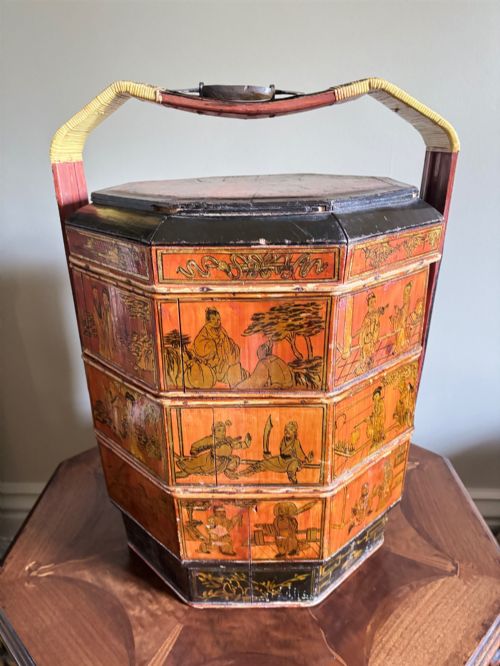
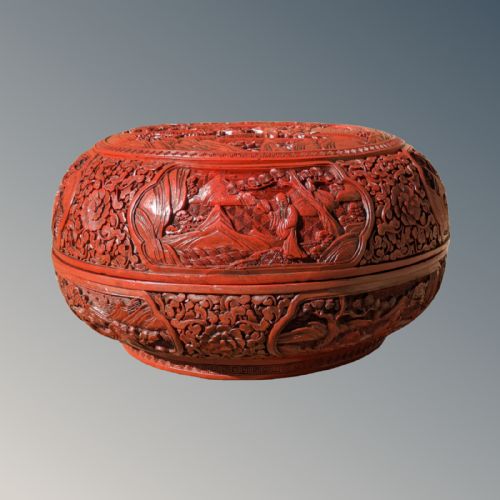
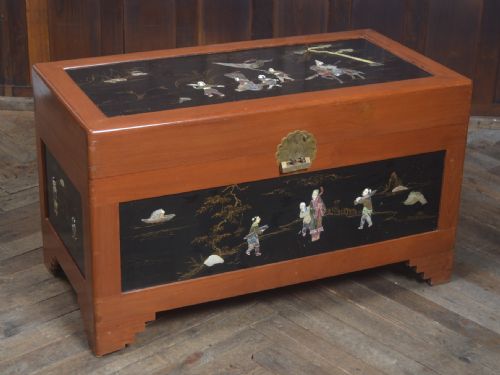
An oriental red lacquer box encompasses a varied group of storage vessels, ranging from small trinket containers to large blanket chests and dowry baskets. The selection spans distinct periods including the nineteenth century and the Victorian era, alongside specific cultural styles such as Qing Dynasty, Chinese Export, and Chinoiserie. Buyers searching for an oriental red lacquer box will encounter everything from intricate cinnabar pieces to utilitarian elm marriage cabinets and tier baskets.
Many examples utilise traditional construction methods native to China, Japan, and India, employing woods like camphor, elm, and kiri alongside brass fittings and iron hardware. Forms vary widely from lidded trinket boxes to campaign cases and large storage cabinets on stands, reflecting diverse domestic and ceremonial functions. Each item demonstrates the distinct decorative traditions of its region of origin, whether through hand-painted details or carved relief work.
How they were made
The creation of these containers relies on fundamental woodworking techniques paired with specialised surface treatments involving multiple layers of lacquer applied to timber bases such as elm, camphor wood, and kiri. Artisans built structural forms using traditional joinery before coating the wood, occasionally incorporating brass and iron hardware for reinforcement and closure. In specific pieces, workers built up thick layers of cinnabar lacquer to allow for deep surface carving, while others received hand-painted finishes or enamel details.
Substrates vary from sturdy structural timbers to lighter woven cane and bamboo elements found in baskets and carriers. The application of red lacquer finishes required careful drying and polishing between coats to achieve a durable surface. Metal mounts, hinges, and carrying handles were secured by hand to functional chests, trunks, and smaller lidded boxes.
Materials documented in these listings include traditional lacquer, wood, brass, cinnabar lacquer, iron, gilt, elm, and cane.
What varies in quality
The degree of refinement in surface carving and the depth of the lacquer layers separate standard containers from finer examples. Pieces featuring meticulously hand-carved cinnabar display greater artistic investment than simpler painted variants.
The choice of underlying timber and the integrity of the original hardware also dictate the standard of a piece. Solid woods such as camphor and elm provide structural stability, while well-preserved brass and iron mounts contribute to the completeness of the object.
The Oriental Red Lacquer Box Glossary
- Cinnabar lacquer
- A technique where numerous layers of red lacquer are applied to a core material before being deeply carved with intricate motifs. This method requires considerable time and skill from the artisan.
- Chinoiserie
- European artistic interpretations of Chinese and East Asian decorative styles, popular across various historical periods. It often appears on furniture and decorative objects produced in the West.
- Dowry basket
- A multi-tiered vessel traditionally used in Asian cultures to transport ceremonial gifts and wedding goods. These stacking containers often feature secure framing and carrying poles.
- Tansu
- A traditional style of Japanese mobile storage cabinetry featuring iron hardware and specialised internal compartments. These chests were designed for domestic utility and organisation.
- Campaign case
- Portable furniture fitted with brass hardware and recessed handles designed for travel. These items were built to withstand frequent movement.
Oriental Red Lacquer Box: Frequently Asked Questions
What were these boxes used for?
These vessels served a wide range of practical and ceremonial functions in domestic life. Smaller containers held personal valuables, jewellery, and trinkets, while larger trunks and blanket boxes stored textiles and garments.
Multi-tiered baskets and dowry containers played specific roles in marriage customs and the transport of goods. Storage cabinets and wedding chests provided secure containment for household items within the home.
How do I care for lacquer?
Lacquer surfaces require gentle maintenance to preserve their finish over time. Keep pieces away from direct sunlight and extreme fluctuations in temperature or humidity to prevent the material from drying out.
Dust the surface regularly with a soft, dry cloth without applying modern chemical polishes or cleaning agents. Proper placement in a stable indoor environment protects both the wooden core and the decorative coating.
How can I tell the period?
Dating relies on examining the construction methods, wood types, and decorative styles characteristic of specific eras. Nineteenth-century examples often display traditional regional joinery and hand-applied finishes distinct from later manufacturing methods.
Historical markers such as Qing Dynasty motifs or Victorian cabinet-making conventions help narrow down the timeframe of production. Comparing the hardware, such as brass locks and iron hinges, provides further clues regarding age.
Where were they made?
The pieces originate from various regions across Asia, with significant representation from China, Japan, and India. Chinese examples include elm marriage cabinets and carved cinnabar trinket boxes.
Japanese workshops produced tansu chests and kiri wood storage cabinets, while Indian pieces feature distinct painted motifs and Kashmiri styles. Each region utilised local timbers and indigenous decorative techniques.