





Oriental Porcelain Wall Dish
An oriental porcelain wall dish brings vibrant colour and intricate hand-painted detail directly to a room, offering a striking focal point for interior display.
Oriental Porcelain Wall Dish
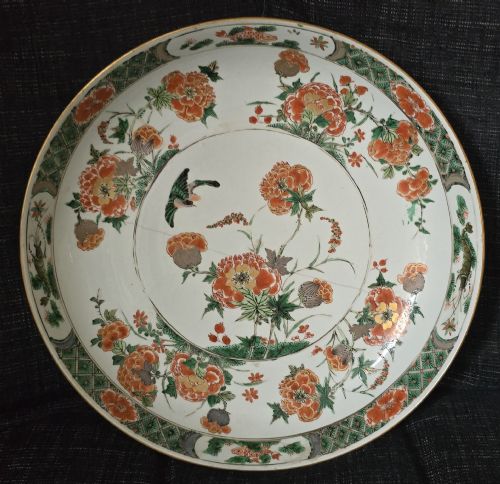
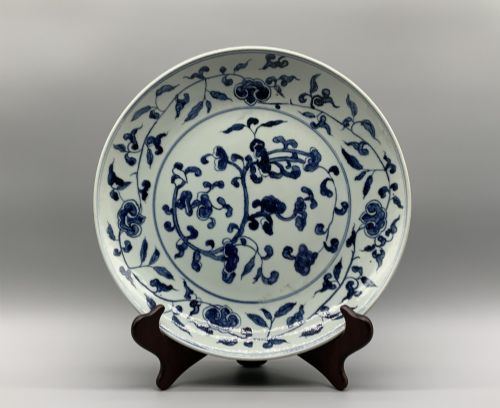
An oriental porcelain wall dish is a decorative ceramic plate or charger designed primarily for display rather than table service. These pieces showcase diverse artistic traditions from both China and Japan, spanning the eighteenth and nineteenth centuries.
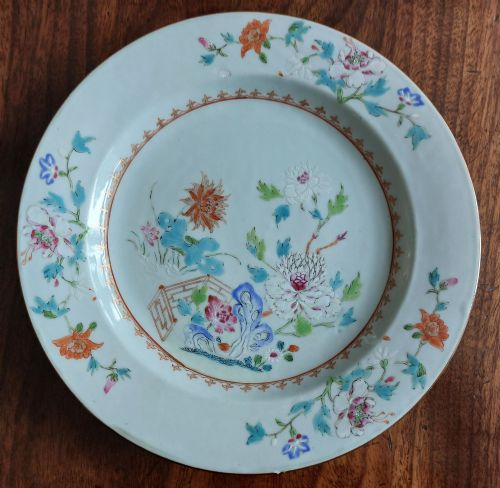
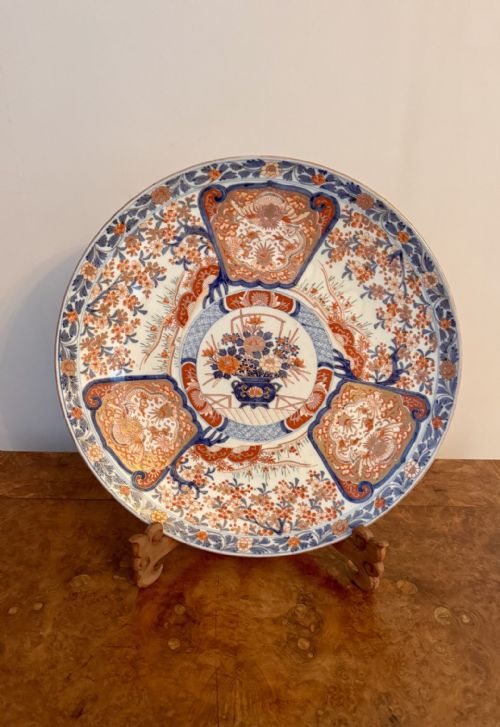
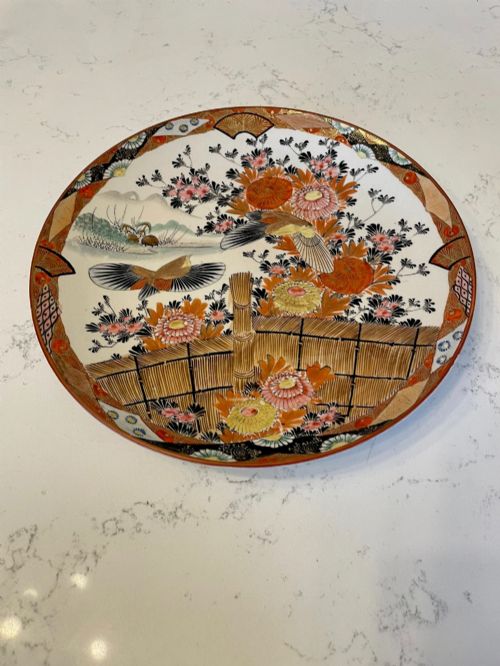
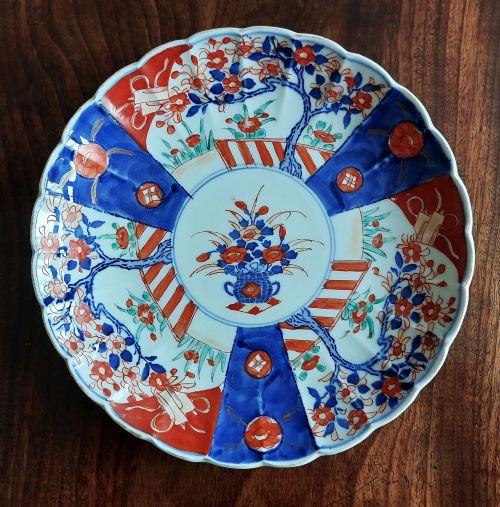
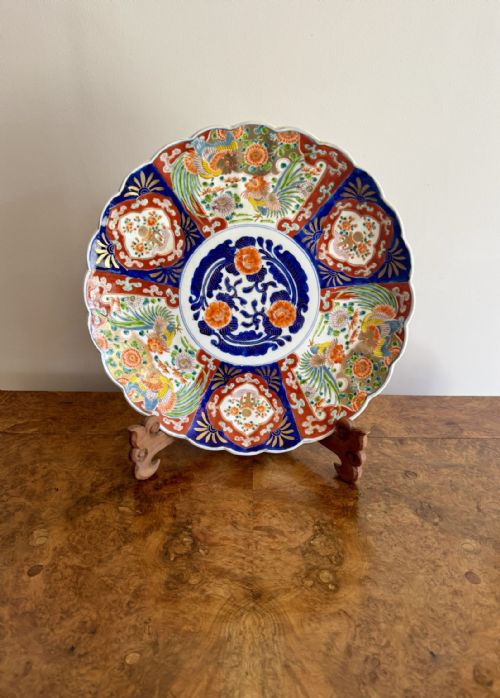
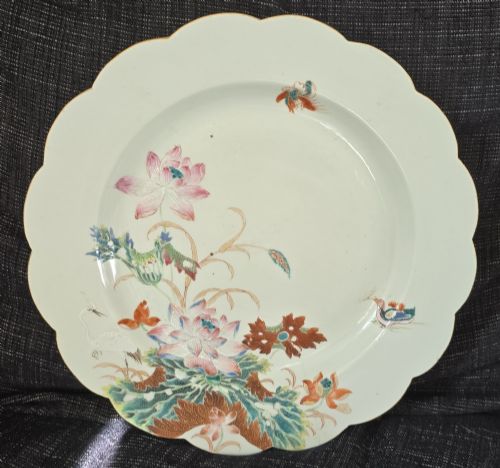
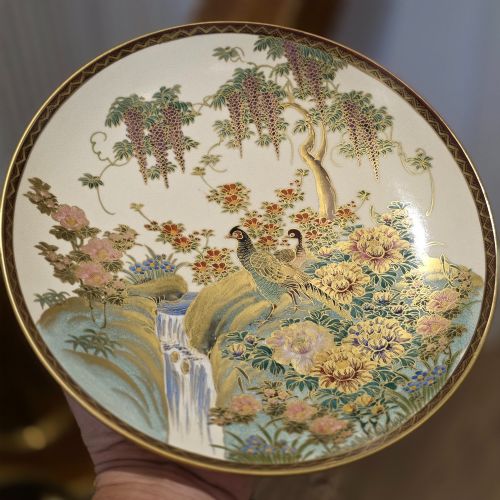
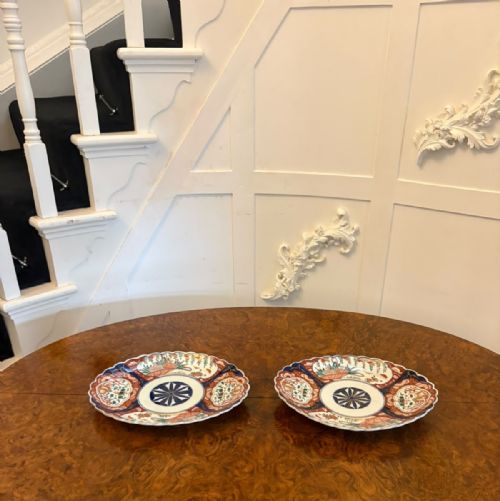
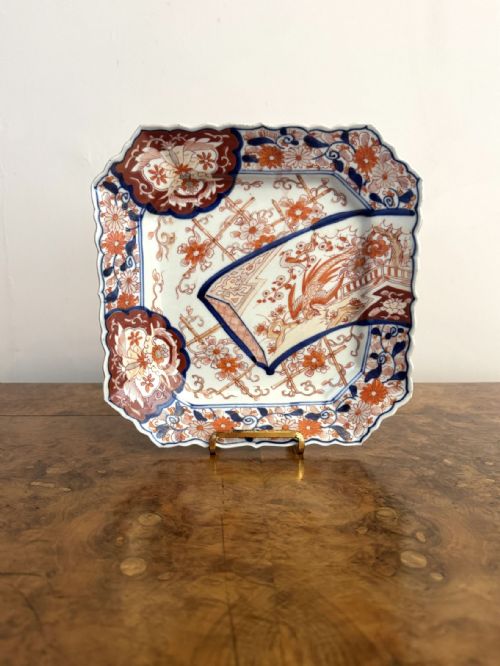
The pieces seen on this page most commonly take the form of Japanese Imari chargers and dishes originating from the Meiji period. Buyers also encounter Chinese export wares, Satsuma pieces, and Kutani porcelain chargers featuring traditional motifs.
Formats range from standard round plates and wide chargers to scalloped edges, square shapes, and oval dishes. Many appear in pairs or sets, offering options for symmetrical wall arrangements.
Materials and construction methods
Makers utilised fine ceramic materials and porcelain clays, shaping them into substantial plates and chargers intended to support detailed ornamentation. Cobalt glaze provided the deep blue underglaze tones found on many traditional pieces.
Enamel colours, gold leaf, and gilt detailing were applied over the glaze to build rich, layered surface designs. Hand-painting techniques ensured that pictorial elements such as exotic birds, floral scenes, and figures remained expressive and varied.
Listings feature porcelain, earthenware, and ceramic pieces incorporating gold leaf, cobalt glaze, and enamel across the eighteenth and nineteenth centuries.
Factors influencing quality
The standard of an oriental porcelain wall dish depends significantly on the precision and depth of the hand-painted brushwork. Finer examples display meticulous control in intricate motifs, botanical elements, and figurative depictions such as the Seven Lucky Gods.
The richness and application of enamel and gilt work also distinguish superior pieces. Well-preserved gilding and balanced colour palettes reflect higher technical execution by the workshop or maker.
Koshida
The Oriental Porcelain Wall Dish Glossary
- Imari
- A style of Japanese porcelain featuring a distinctive palette of underglaze blue, iron red, and gilt highlights. These wares were heavily produced for export during the Edo and Meiji periods.
- Charger
- A large decorative plate traditionally used for display rather than dining. Their broad surfaces allowed artists to paint complex pictorial scenes.
- Satsuma
- A type of earthenware with a fine crackle glaze, typically decorated with polychrome enamels and raised gold details. Many pieces originate from the Meiji period.
- Moriage
- A decorative ceramic technique using piped clay to create raised relief patterns on the surface. This method adds tactile dimension to floral and animal motifs.
- Export
- Ceramics manufactured specifically for overseas markets in Europe and the West. These pieces often combined traditional domestic aesthetics with shapes suited to foreign tastes.
Oriental Porcelain Wall Dish: Frequently Asked Questions
How do I hang an oriental porcelain wall dish safely?
Displaying these pieces requires a specialist spring-loaded plate hanger that grips the rim securely without causing damage. The wall fixing must be anchored properly to support the weight of heavier chargers.
Position the dish away from high-traffic areas and direct sunlight to protect the enamel and gilt surfaces over time.
What is the difference between an Imari plate and a charger?
The primary distinction lies in size and intended function. Chargers are substantially larger vessels created specifically for visual display on walls or sideboards.
Plates are smaller in diameter and were traditionally suited for table use, though many Japanese export examples were also made expressly for decorative hanging.
How can I tell the Meiji period pieces apart?
Meiji period items, produced between eighteen sixty-eight and nineteen twelve, frequently exhibit dense, highly detailed ornamentation and vibrant polychrome enamels. Common motifs include exotic birds, wisteria, peonies, and figures from Japanese folklore.
Earlier eighteenth-century Chinese and Japanese wares tend to display more restrained compositions and deeper cobalt blue tones under the glaze.
Can these dishes be cleaned safely?
Dusting gently with a soft, dry cloth is the best method for routine maintenance. Avoid using water, abrasive cleaners, or chemical solvents, as these can damage fragile overglaze enamels and gold leaf.
Dishes should remain securely mounted on the wall to minimise the risk of accidental chips or drops during cleaning.