




Oriental Porcelain Pot
When you search for an oriental porcelain pot, you enter a diverse world of historic vessels ranging from grand planters to delicate tea wares.
Oriental Porcelain Pot
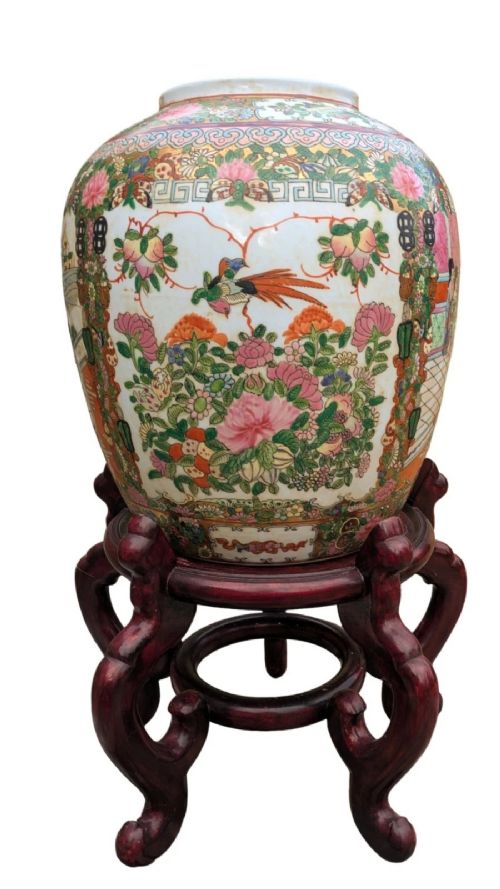
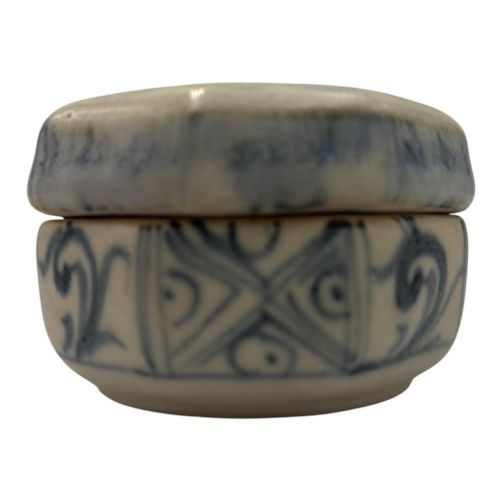
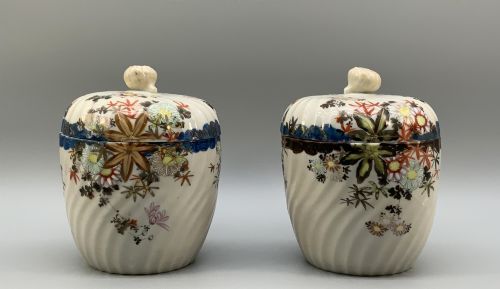
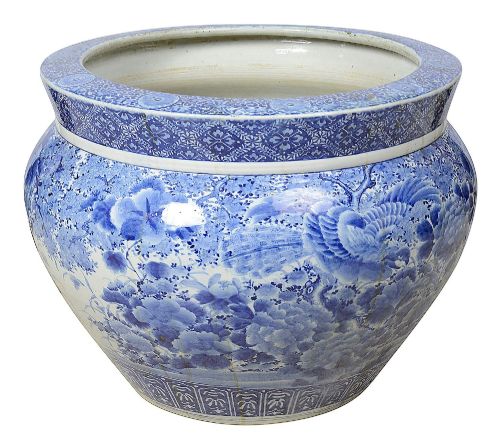
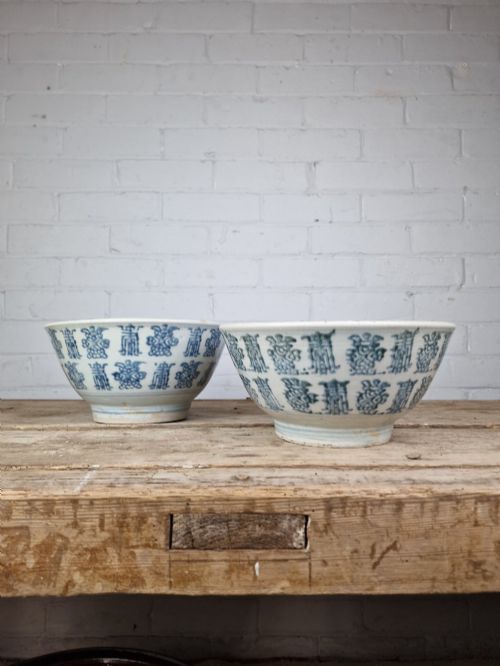
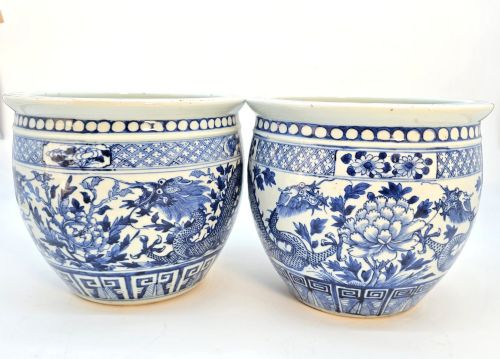
An oriental porcelain pot encompasses a wide variety of forms originating from China and Japan, spanning several centuries of dedicated craftsmanship. When exploring these listings, collectors frequently encounter robust jardinieres, lidded ginger jars, and scholar's brush pots designed for utilitarian and decorative purposes alike.
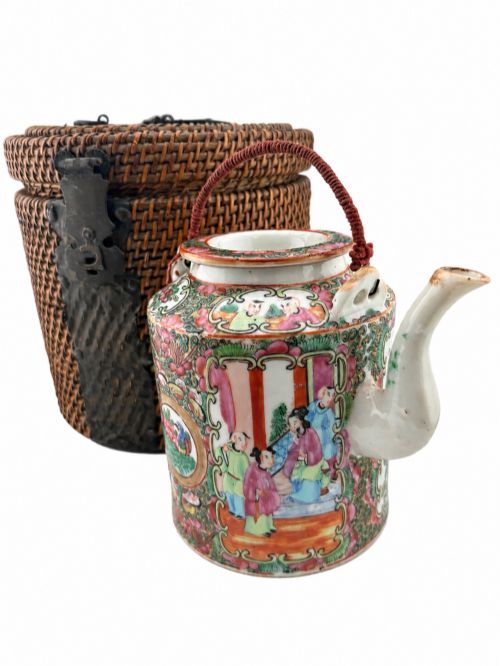
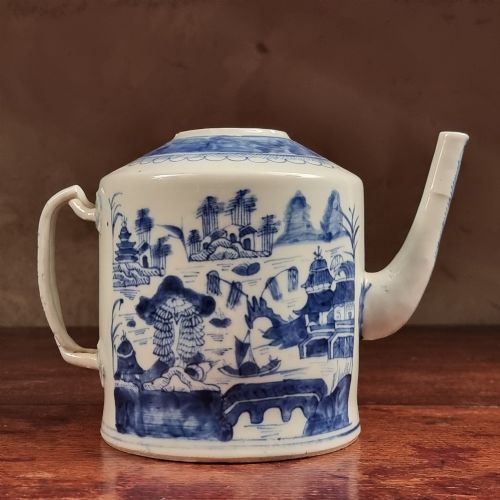
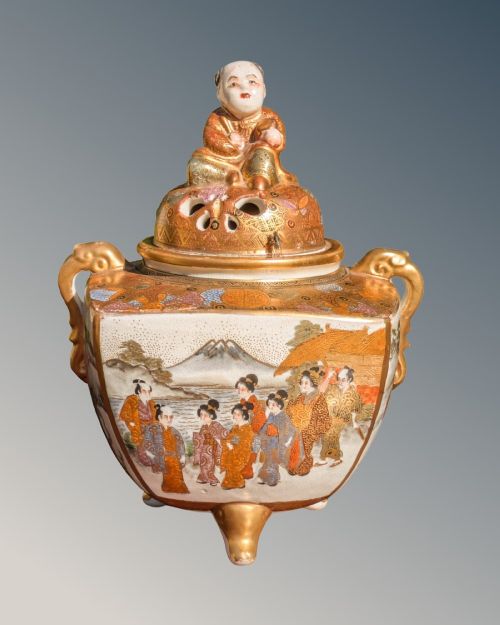
The selection ranges from seventeenth-century Arita wares to late nineteenth-century Canton famille rose pieces and Meiji period Japanese items. Forms include large fish bowls, delicate teapots, and hexagonal planters that reflect the domestic and scholarly traditions of their makers.
How They Were Made
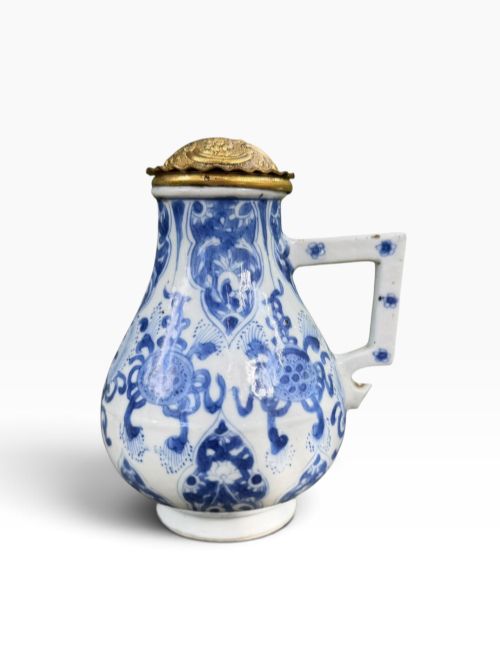
Potters utilised fine ceramic clays finished with vibrant coloured glazes, cobalt underglaze, and detailed enamel work applied by hand. Many pieces incorporate rich surface embellishments such as gold leaf highlights and intricate painted scenes depicting flora, fauna, and traditional figures.
Firing techniques varied from high-temperature kilns producing durable blue and white porcelain to lower-temperature methods yielding complex polychrome palettes like doucai and wucai. Specialised decorative schemes required multiple kiln firings to set individual enamel layers and gilding.
Oriental Porcelain Pot Retail Price Guide 2026
Typical asking prices for oriental porcelain pot among the pieces listed under this phrase on Sellingantiques today, from the lower quarter to the upper quarter. They describe what is for sale here now, not the wider market.
Some brush pots are so deep they could easily swallow a scholar's entire stationery collection in one go.
What Varies in Quality
Quality rests in the precision of the hand-painted brushwork, the depth and clarity of the cobalt or enamel colours, and the overall balance of the form. Finer examples display meticulous control over glaze consistency and registration of complex decorative motifs.
Historical provenance and imperial or studio marks also elevate certain pieces, distinguishing standard export items from masterworks created for elite patronage or specific scholarly contexts.
The Oriental Porcelain Pot Glossary
- Jardiniere
- A large decorative pot or planter designed to hold living plants or floral arrangements. These substantial ceramic vessels often sit on matching drip trays.
- Bitong
- A traditional Chinese cylindrical brush pot utilised by scholars to hold writing brushes. They are frequently carved from porcelain, bamboo, or wood.
- Imari
- A style of Japanese export porcelain characterised by a distinctive palette of underglaze blue, iron red, and gold. Production centred around the town of Arita.
- Famille Rose
- A major palette of Chinese ceramic enamels introduced during the Qing dynasty, featuring an opaque pink or purple derived from colloidal gold.
- Doucai
- A Chinese porcelain technique combining underglaze blue outlines with overglaze enamels filled in the bounded spaces. The resulting design has a vibrant, layered appearance.
Oriental Porcelain Pot: Frequently Asked Questions
How are jardinieres used?
Jardinieres serve as large decorative planters meant to house potted plants, flowers, or even fish in domestic settings.
Placed on tables or directly on the floor, their substantial size allows them to act as central decorative focal points in a room.
What is Imari porcelain?
Imari is a style of Japanese porcelain named after the port from which wares were shipped to the West.
It is easily recognised by its striking combination of deep underglaze blue, vibrant iron red, and supplementary gilding.
How do I date a piece?
Dating relies on examining the specific potting characteristics, glaze formulations, and imperial or studio marks present on the base.
Stylistic shifts across dynasties and periods provide further clues to when a vessel was manufactured in the kiln.