

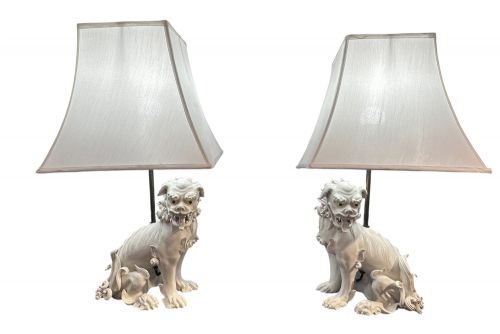


Oriental Porcelain Desk Light
These oriental porcelain desk light fixtures repurpose antique vessels to bring warm illumination and colour to a study.
Oriental Porcelain Desk Light
An oriental porcelain desk light brings historical ceramic forms onto a working surface by adapting antique vases, ginger jars and spill vases into functional illumination. When buyers search for an oriental porcelain desk light, they encounter vessels originally created in China and Japan during periods spanning the seventeenth through the early twentieth centuries.
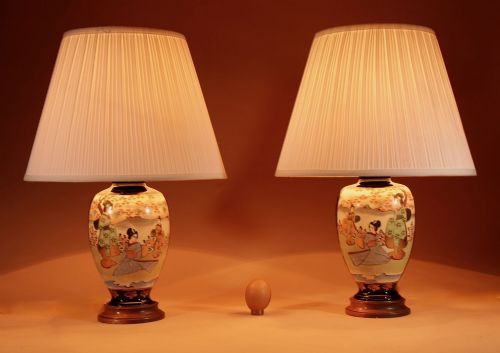
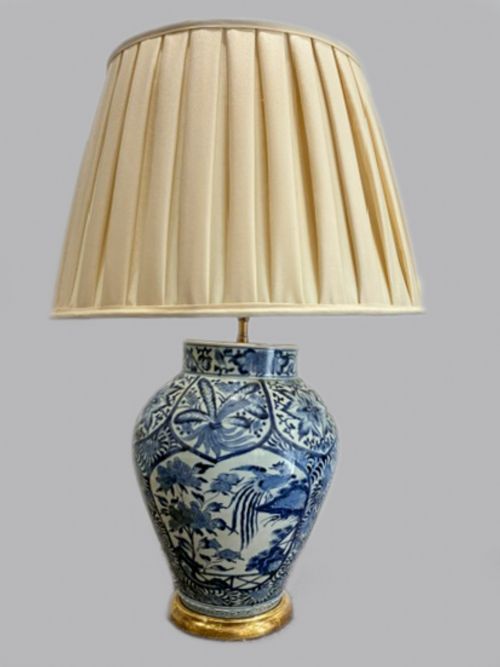
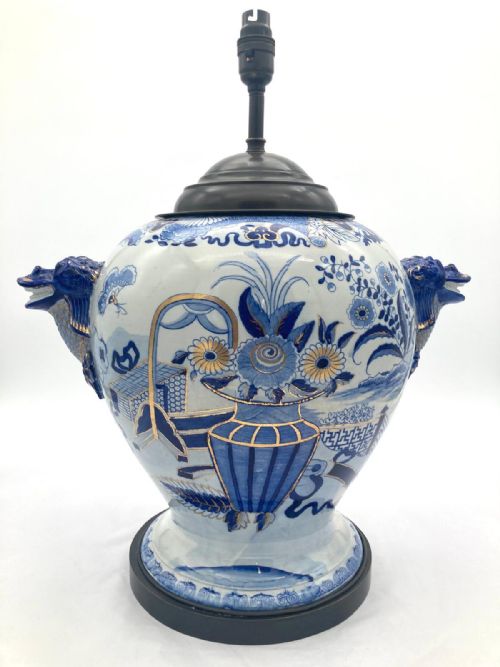
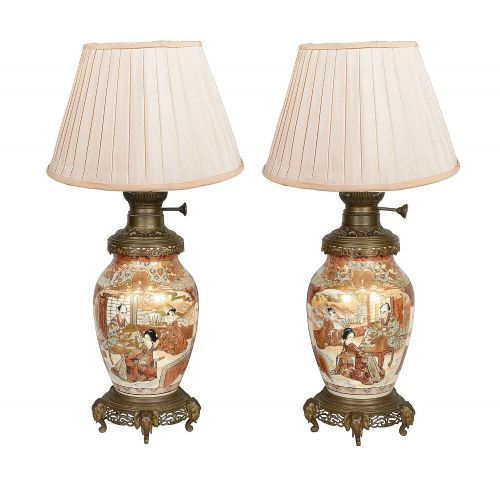
The inventory on this page consists predominantly of table lamps shaped from Satsuma, Imari, Famille Verte and blue and white porcelain. Many examples started life as independent decorative vessels before conversion into lamps in later eras, retaining their original hand-painted glazes while receiving modern electrical fittings.
How they were made
Makers shaped these bodies from clay and porcelain, often finishing them with intricate hand-painted enamels, crackleware glazes or turquoise and celadon tones. Artisans then mounted many of these ceramic bodies upon brass or ormolu bases to provide stability for daily use on a desk.
Conversion typically involved drilling the base or neck of the vessel to run wiring, pairing the porcelain with fabric or silk shades. Metal components like gilt bronze and brass secure the electrical elements to the antique ceramic structure.
Listings feature ceramics spanning the seventeenth century through the early twentieth century, incorporating materials such as porcelain, brass, silk, and ormolu.
What varies in quality
Quality rests primarily in the artistry of the underlying ceramic vessel, distinguishing standard production wares from finely painted Satsuma, Kutani or Famille Rose examples. The crispness of the hand-painted details and the depth of the glaze dictate the visual weight of the piece.
The integration of the metal mountings also defines the tier of the piece, with cast ormolu mounts offering a more substantial presence than simpler brass additions. Preservation of the original porcelain body without excessive alteration to the historical structure marks the higher end of the range.
The Oriental Porcelain Desk Light Glossary
- Satsuma
- A type of Japanese earthenware featuring a pale, ivory-coloured crackle glaze decorated with enamel and gilt patterns. These pieces often depict figures and natural scenes.
- Imari
- A style of Japanese porcelain named after the port from which it was shipped, traditionally characterised by a palette of underglaze blue, iron red, and gilt. It frequently appears on vases adapted into lamps.
- Famille Verte
- A Chinese porcelain palette dominated by green enamels, developed during the Qing dynasty. The style translates richly onto table lamps through detailed floral and figural motifs.
- Ormolu
- Gilt bronze mounts applied to furniture and ceramics to enhance decorative appeal. In these listings, ormolu frames the base or collar of the lamp body.
Oriental Porcelain Desk Light: Frequently Asked Questions
Are these lamps converted from old vases?
Many listings combine antique Chinese or Japanese ceramic vessels with modern electrical components. The original vases date back centuries before receiving their lamp fittings.
This conversion process gives historical porcelain a practical purpose in a modern interior setting.
How do I identify Satsuma ware?
Satsuma ceramics display a distinct finely crackled ivory glaze underneath intricate enamel and gilt painting. They originate from Japan and commonly feature detailed figural or botanical scenes.
This specific aesthetic appears frequently among the table lamps listed on this page.
What is Famille Verte?
Famille Verte refers to a Chinese porcelain decoration style where green acts as the dominant enamel colour. Artisans combine it with other hues to illustrate complex natural or narrative scenes.
On a lamp base, this palette provides a vibrant and detailed focal point for a desk.
Can these lamps sit safely on a desk?
The substantial ceramic bodies and weighted metal mounts provide a stable base suitable for everyday use. Many examples have been rewired to meet modern standards for domestic illumination.
Positioning them on a desk introduces historical craftsmanship directly into a workspace.