
Antique Lighting Accent Lamp
An antique lighting accent lamp brings focused warmth and character to a room, drawing on decades of decorative history.
Antique Lighting Accent Lamp
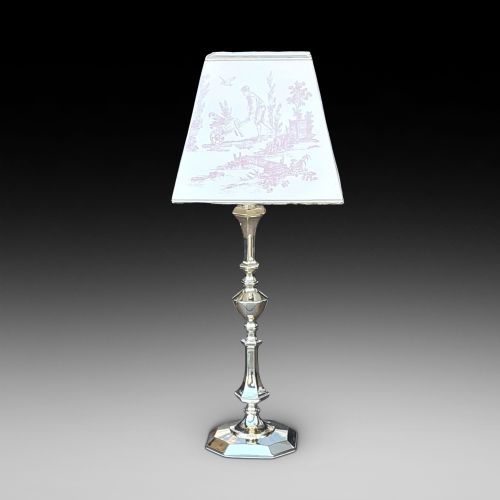
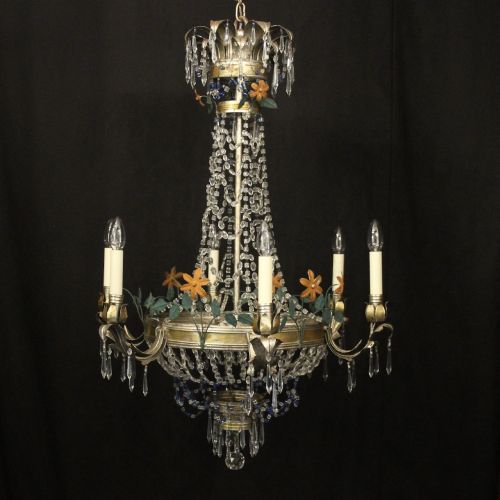
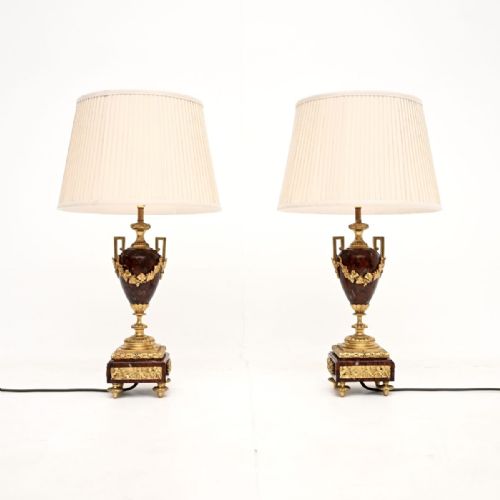
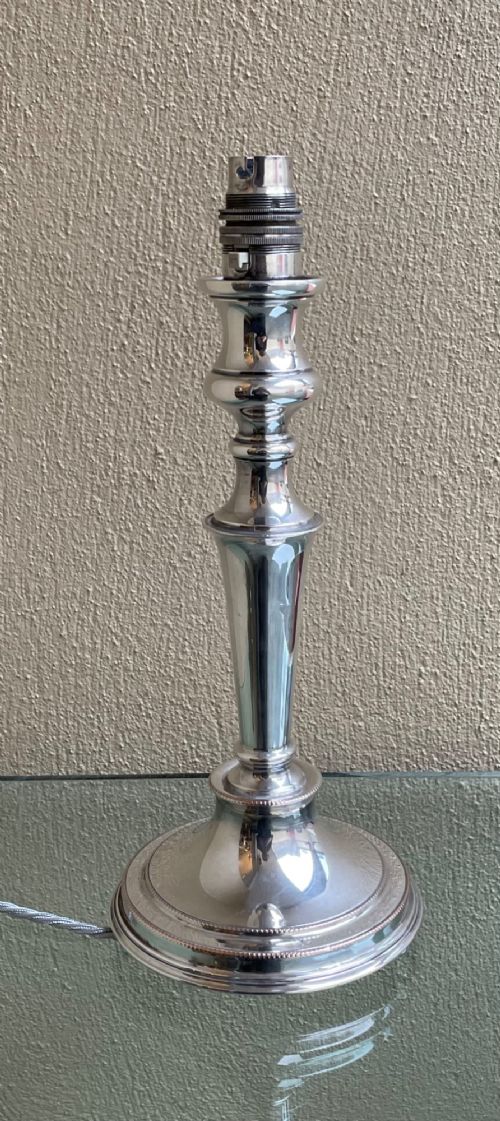
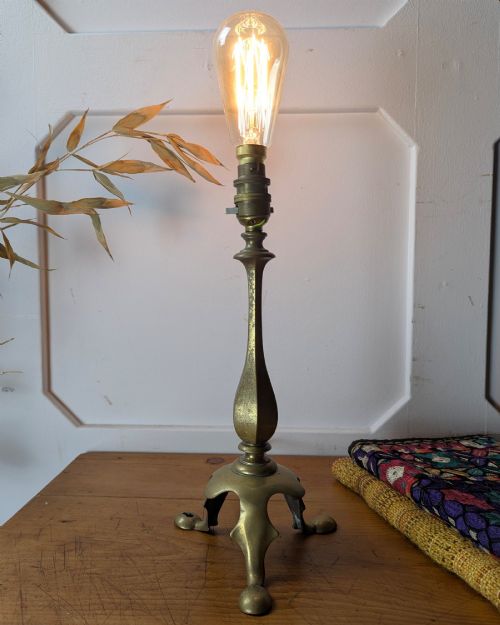
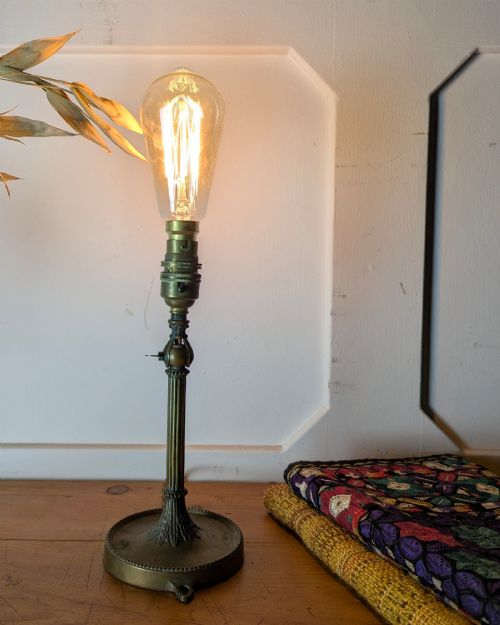
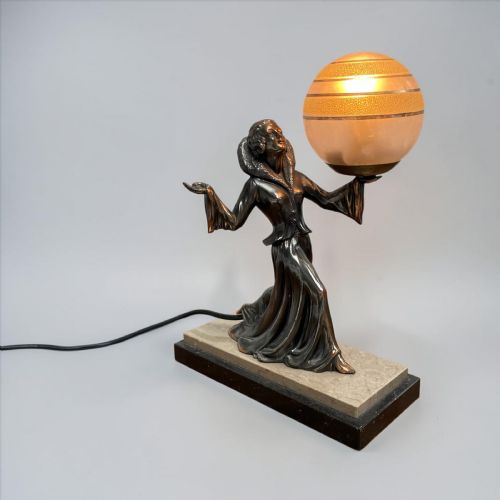
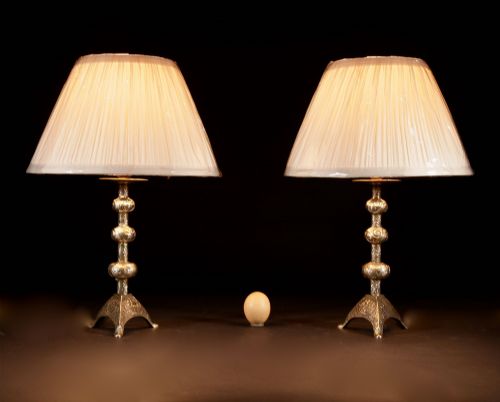
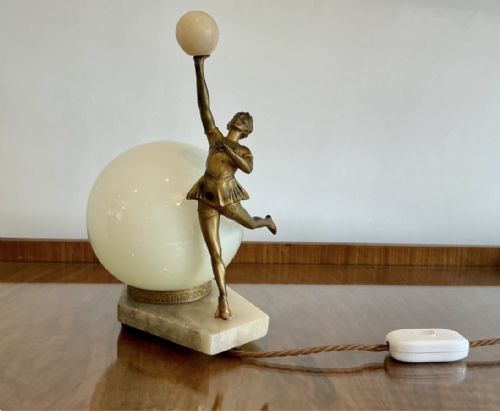
When you search for an antique lighting accent lamp, you encounter a diverse array of table-top fixtures designed to provide localized illumination and decorative presence. The selection spans the Victorian and Edwardian eras through to the Art Deco period, capturing changing domestic tastes across the nineteenth and twentieth centuries.
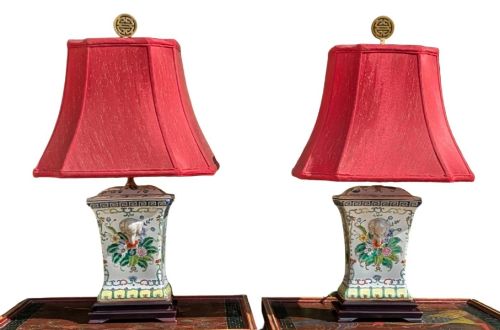
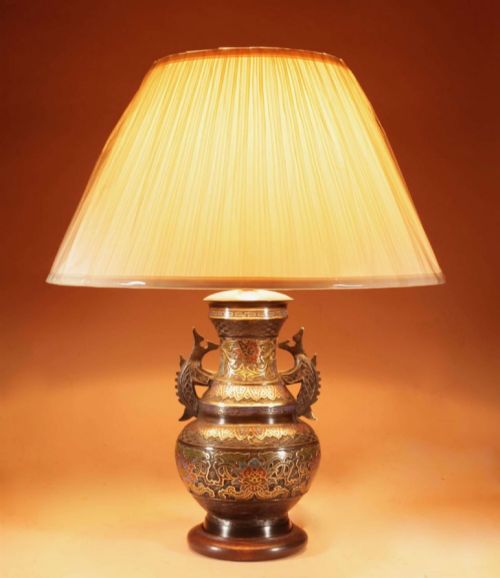
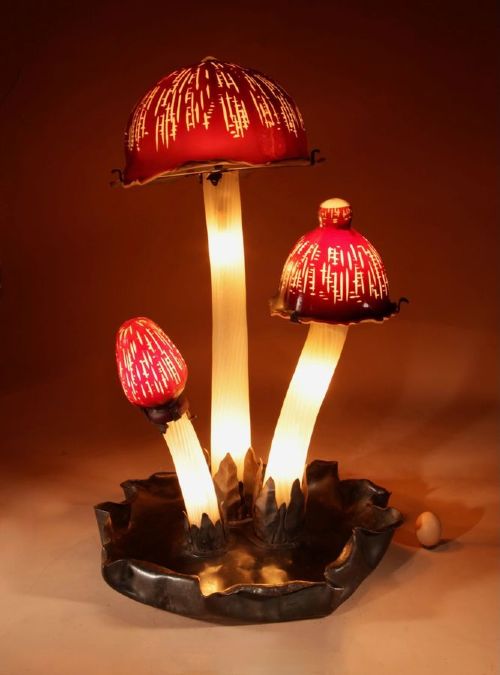
The physical forms vary significantly, ranging from classical urns and classical columns to figural sculptures and novelty subjects. Many pieces originate from France and Britain, whilst others draw on stylistic influences from Asia and the Mediterranean.
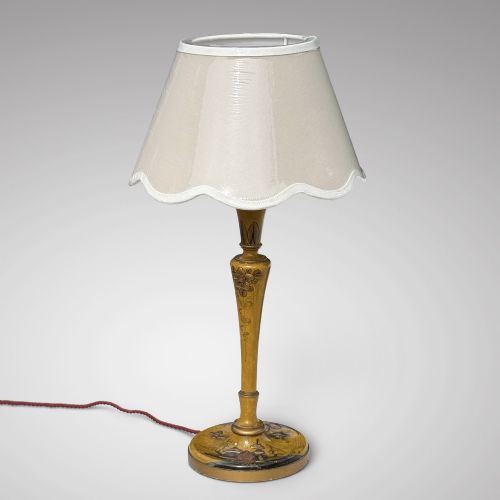
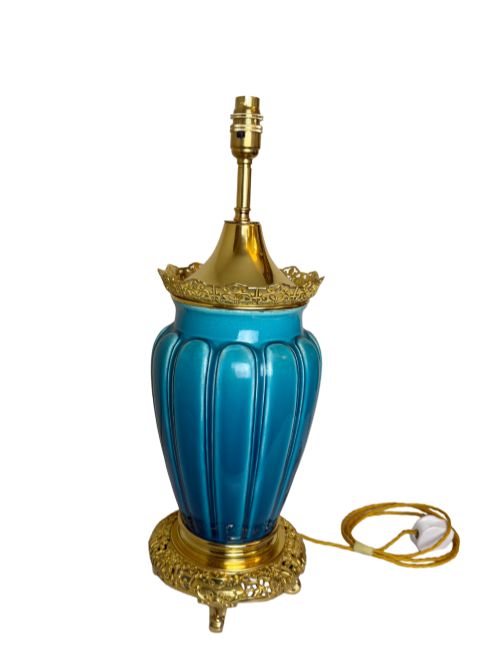
Table lamps dominate the selection, often taking the form of converted oil lamps, urns, or sculptural bases designed specifically for interior accent lighting. Side tables also appear among the objects, serving as complementary furniture pieces rather than light fittings.
How they were made
Makers utilised a wide palette of materials, frequently combining cast metals with stone or ceramic bodies. Brass, bronze, gilt bronze, and ormolu provide structural rigidity and decorative trim, often paired with marble, onyx, or carved wood.
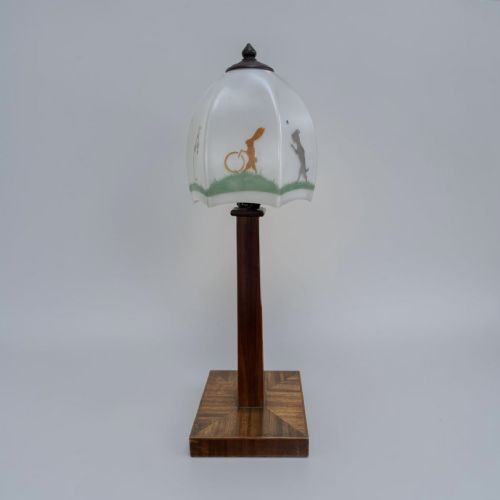
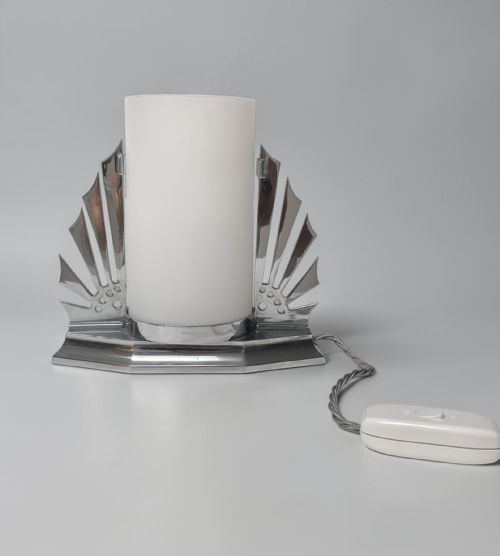
Glass and porcelain feature prominently for lamp bodies and shades, incorporating techniques such as moulding, hand-painting, and acid-etching. Lacquer, fabric, and wrought iron appear in later twentieth-century pieces, reflecting the shift toward modernist aesthetics.
Among the figural designs, an Art Deco piece pairs a domestic dog with a curious parrot in a single cast.
What varies in quality
The distinction between standard production and superior craftsmanship lies in the crispness of the casting and the refinement of the finishing details. Finely cast brass or gilt bronze displays sharp relief work and secure joints, whereas lesser examples show softer contours and simpler assembly.
Material selection dictates the upper tier of the range, where natural stones like onyx and marble, hand-carved wood, or layered opalescent glass elevate the piece. The integration of decorative elements, such as applied mounts and hand-painted motifs, determines the overall cohesiveness and aesthetic merit of the lamp.
Royal Worcester·G. Amodio
The Antique Lighting Accent Lamp Glossary
- Ormolu
- Gilded bronze, typically produced by applying a mercury-gilt amalgam to cast bronze objects during the eighteenth and nineteenth centuries. This technique yields a rich, durable golden surface.
- Champlevé
- An enamelling technique where troughs are carved into a metal surface and filled with vitreous enamel powder before firing. It is frequently seen on Japanese and European decorative metalwork.
- Lignum vitae
- A dense, heavy wood derived from trees native to the American tropics, often turned on a lathe into smooth, durable lamp bodies. Its natural oils give it a dark, lustrous finish.
- Baluster
- A vertical, moulded shaft with a swelled base, commonly seen supporting the stems of metal and wooden table lamps.
- Grand Tour
- A nineteenth-century cultural excursion undertaken by wealthy Europeans, inspiring souvenir decorative arts modelled on classical antiquities.
Antique Lighting Accent Lamp: Frequently Asked Questions
How do I date an antique accent lamp?
Dating relies on identifying the prevailing design style, manufacturing techniques, and materials characteristic of specific periods like the Victorian era or Art Deco movement.
Examining the wiring, fittings, and base construction provides additional clues regarding the decade of manufacture or subsequent conversion.
Can these lamps take modern bulbs?
Most antique lamps accommodate modern light bulbs, provided the lamp holder matches contemporary safety standards and voltage requirements.
Many pieces have been re-wired during their history to ensure safe daily operation in modern homes.
How were these lamps originally powered?
Earlier examples from the nineteenth century typically functioned as oil lamps or paraffin burners before undergoing conversion to electricity.
Later twentieth-century designs were manufactured specifically for electrical illumination from the outset.
Where should I place an accent lamp?
Accent lamps suit side tables, desks, and mantlepieces where they provide soft, localized illumination rather than room-wide lighting.
Their decorative forms allow them to serve as sculptural objects even when switched off.