



Oriental Porcelain Centrepiece
An oriental porcelain centrepiece brings rich colour and history to a table, combining distant traditions with European mounts.
Oriental Porcelain Centrepiece
When searching for an oriental porcelain centrepiece, you encounter large bowls, punch bowls, plates, and vases originating from China and Japan. These items span periods from the eighteenth century through the Victorian era to the mid twentieth century.
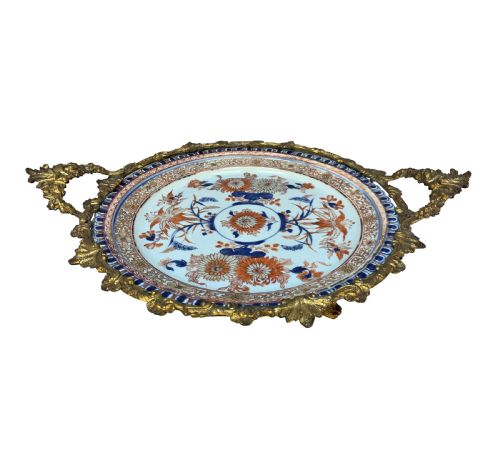
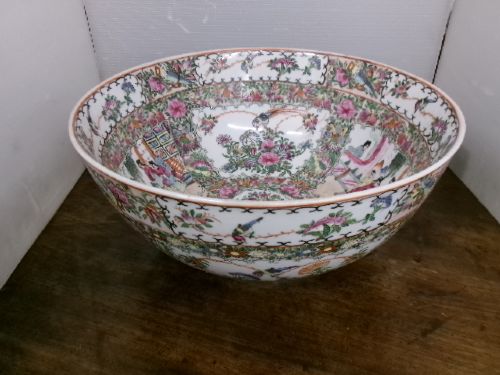
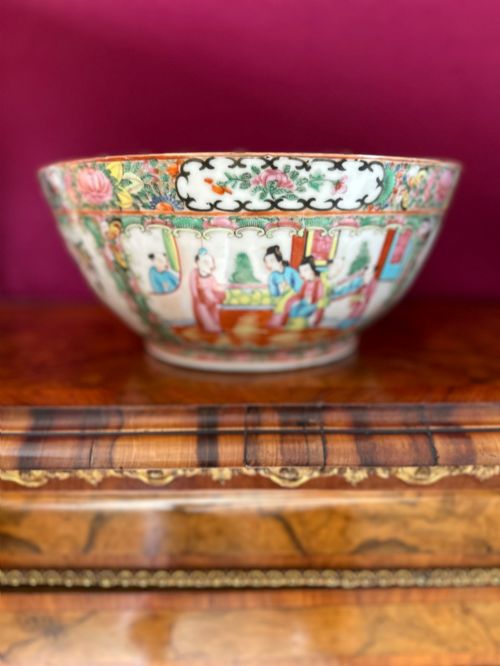
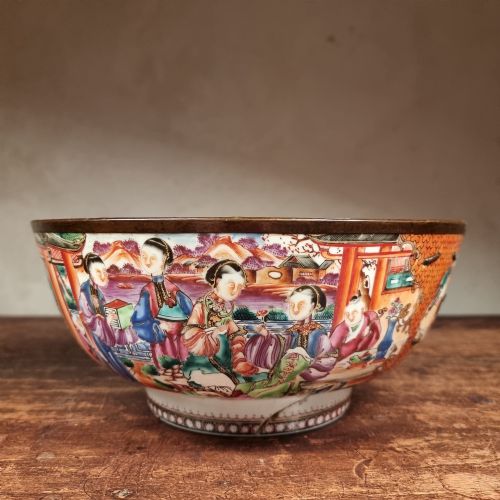
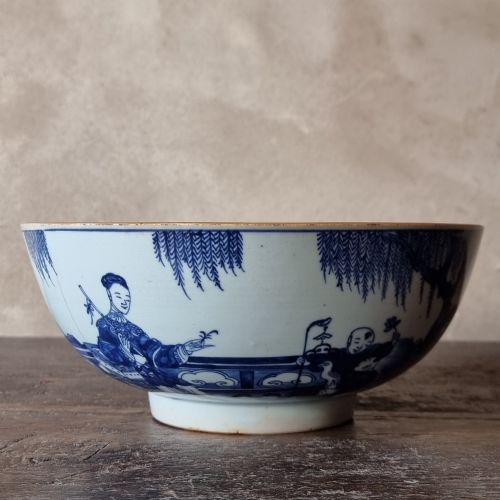
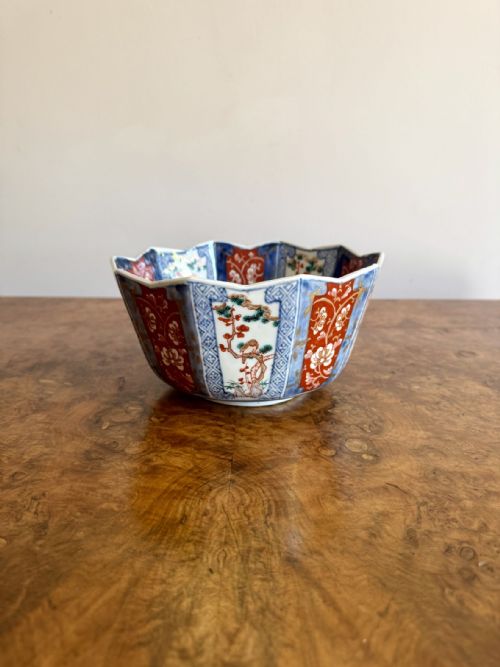
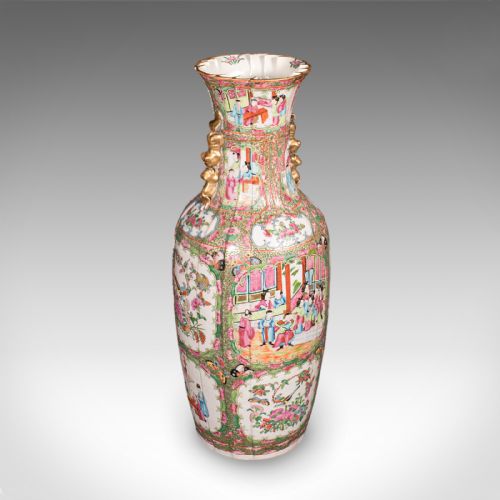
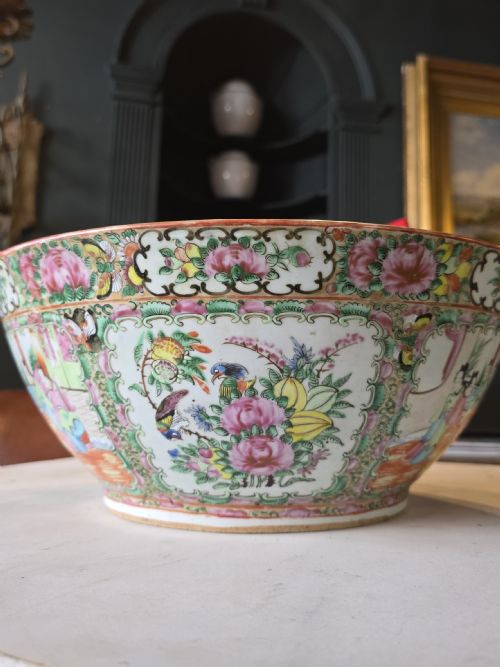
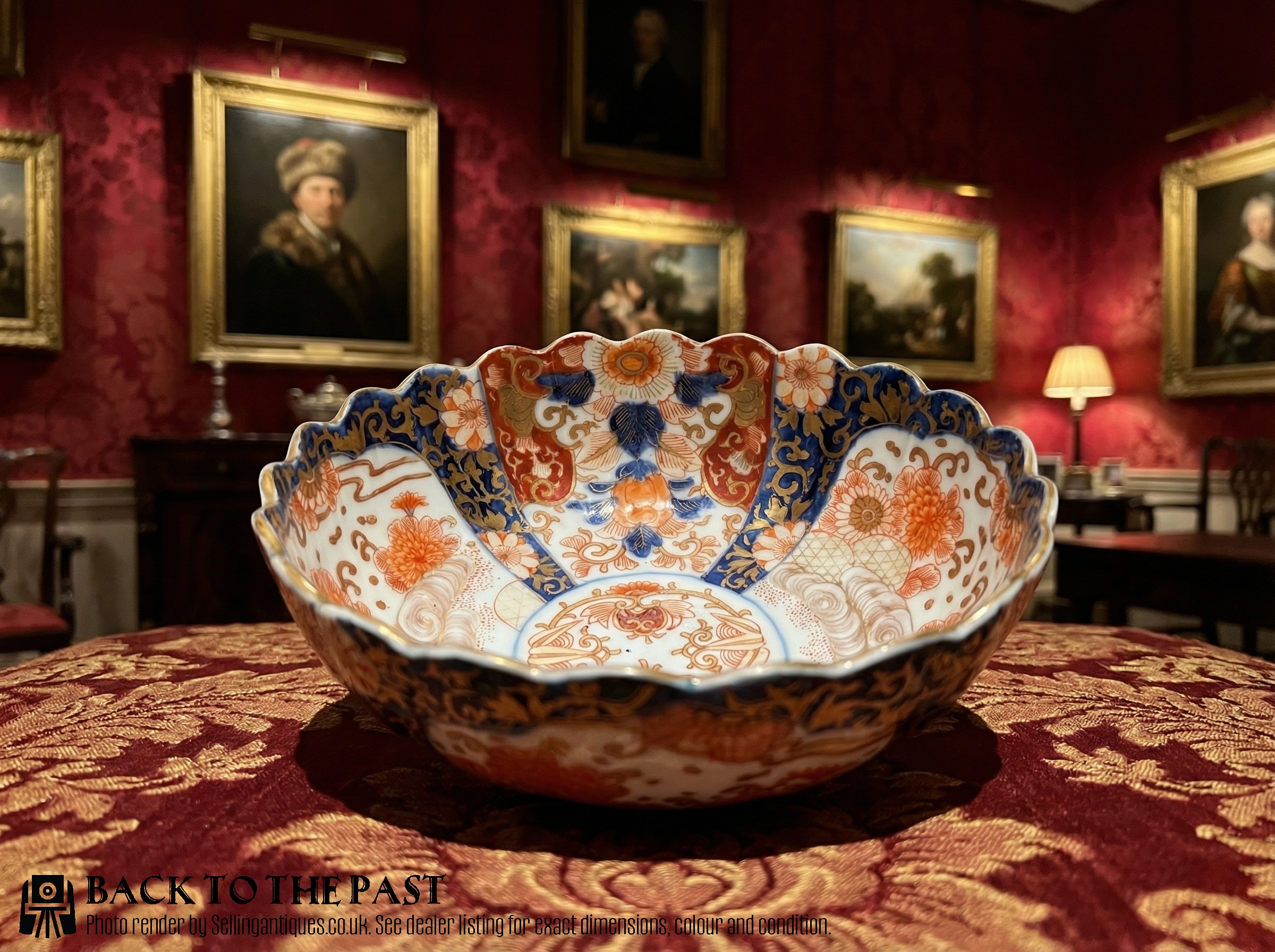
The most common forms on this page are Japanese Imari bowls and Chinese Canton or Famille Rose punch bowls. Many pieces combine Asian ceramics with European or French Rococo ormolu mounts.
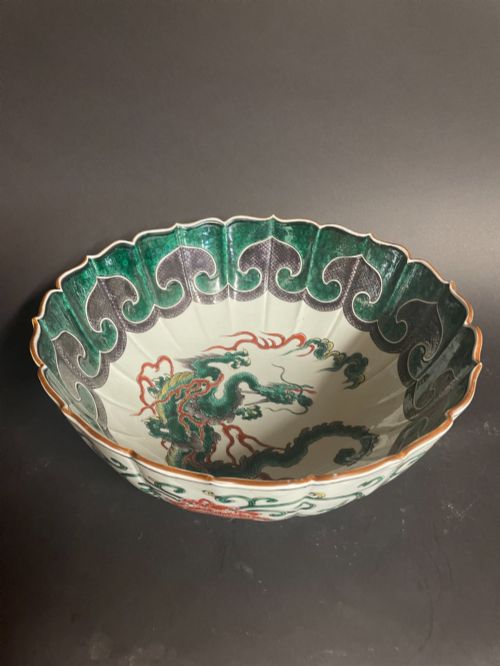
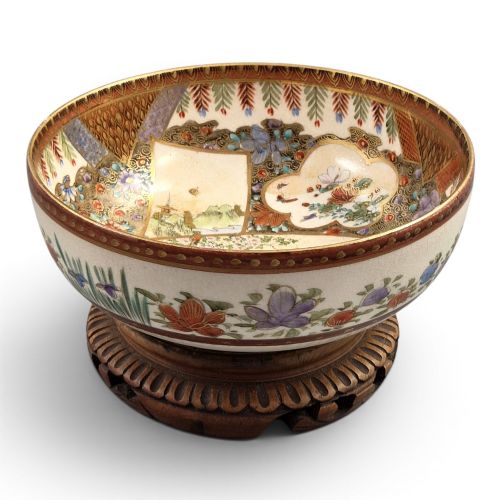
The styles range from Qing Dynasty and Chinese Export to Japanese Meiji Period Satsuma and Arita wares. Each object serves as a decorative focal point with hand-painted motifs.
How they were made
Potters shaped the ceramic body from clay and applied glaze, often incorporating cobalt underglaze blue and detailed enamel decoration. Artisans then hand-painted intricate patterns featuring floral and figural motifs.
Selected pieces received cast ormolu mounts in gilt bronze, often styled after French Rococo designs to frame the porcelain bowl. Gold leaf highlights were applied over the glaze on specific Satsuma and Imari wares.
Oriental Porcelain Centrepiece Retail Price Guide 2026
Typical asking prices for oriental porcelain centrepiece among the pieces listed under this phrase on Sellingantiques today, from the lower quarter to the upper quarter. They describe what is for sale here now, not the wider market.
Listings feature 18th century punch bowls alongside Victorian and Edwardian Japanese Imari bowls.
What varies in quality
Quality rests in the precision of the hand-painted brushwork and the vibrancy of the enamels and gold leaf. Finer pieces display crisp detail in the motifs and careful execution across large surfaces like punch bowls and vases.
The integration of metalwork also marks the difference between standard and superior pieces. Ormolu mounts that fit the ceramic contour cleanly demonstrate higher craftsmanship than simpler settings.
Kozan·Ryuzan
The Oriental Porcelain Centrepiece Glossary
- Ormolu
- Gilded bronze mounts cast to support or frame porcelain objects. This technique often appears in pieces influenced by French Rococo design.
- Imari
- Japanese porcelain decorated in underglaze blue, iron red, and gold. These wares were widely exported to Europe.
- Famille Rose
- A palette of opaque enamels dominated by pink or rose colours. This style became prominent on Chinese porcelain during the Qing Dynasty.
- Satsuma
- Japanese earthenware or porcelain with a crackle glaze decorated in polychrome enamels and gold leaf. Many of these pieces date from the Meiji period.
- Punch bowl
- A large bowl traditionally used for mixing and serving punch. These forms often feature wide rims and substantial capacities.
Oriental Porcelain Centrepiece: Frequently Asked Questions
What is an oriental porcelain centrepiece?
An oriental porcelain centrepiece is a large decorative ceramic bowl, vase, or basket made in China or Japan. These pieces often feature hand-painted enamel designs and occasional bronze mounts.
They serve as focal points on dining tables, sideboards, or display cabinets, showing traditional Far Eastern motifs.
How do I identify Imari porcelain?
Imari porcelain is characterised by a distinct colour palette consisting mainly of underglaze cobalt blue, iron red, and supplementary gold leaf. The patterns often incorporate dense floral and brocade designs.
Most examples on this page originate from Japan and date to the nineteenth century or the Meiji period.
What is a punch bowl used for?
A punch bowl is a deep, wide vessel originally designed for mixing and serving communal drinks at social gatherings. Their generous capacity made them central to hospitality in grand homes.
Today, these bowls function primarily as decorative centrepieces on large tables or sideboards.
How do I care for antique porcelain?
Antique porcelain requires gentle handling and cleaning with a soft, dry cloth to remove dust. Avoid using harsh chemical cleaners or submersing pieces with delicate gold leaf or gilt bronze mounts in water.
Placement should be away from direct sunlight and areas subject to sudden temperature changes to protect the glaze and enamels.
How do I tell Chinese and Japanese pieces apart?
Chinese pieces often feature Famille Rose enamels, cobalt blue motifs, or Canton hand-painted figural scenes typical of Qing Dynasty exports. Japanese items frequently include Imari patterns or Satsuma crackle-glaze earthenware from the Meiji period.
Examining the style of the painting and the specific colour palette usually clarifies the origin.