




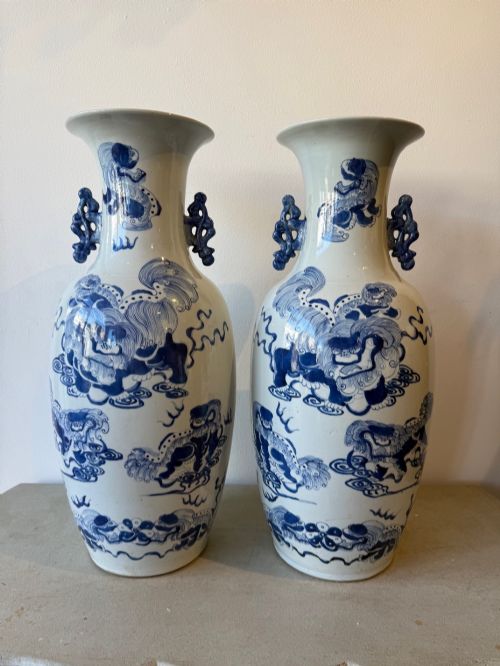


Oriental Porcelain Baluster Jars
Oriental porcelain baluster jars bring together centuries of Chinese and Japanese ceramic tradition, offering striking presence and intricate hand-painted detail for domestic display.
Oriental Porcelain Baluster Jars
Oriental porcelain baluster jars display the characteristic curved silhouette that swells gracefully towards the centre before tapering near the base. These vessels emerge primarily from Chinese workshops and Japanese kilns during the seventeenth, eighteenth, and nineteenth centuries.
A buyer examining this selection encounters numerous examples from the Qing Dynasty and the Japanese Meiji and Edo periods. Many pieces retain their original covers, while others appear converted into table lamps or fitted with decorative mounts.
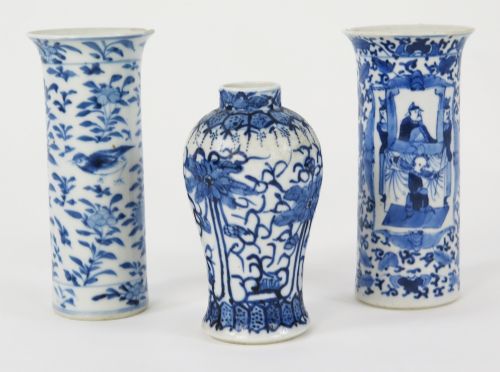
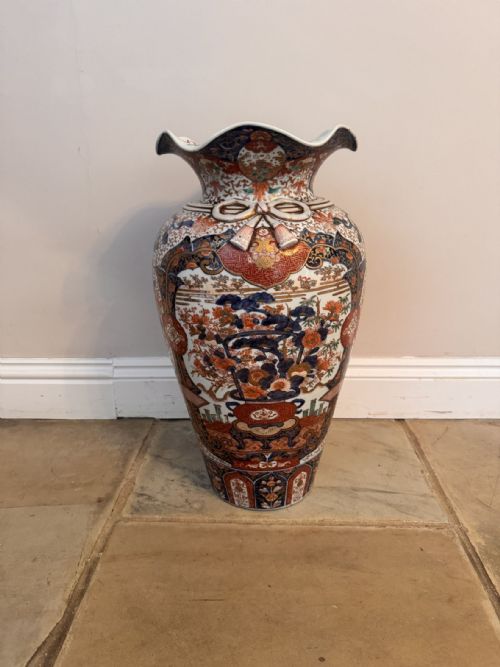
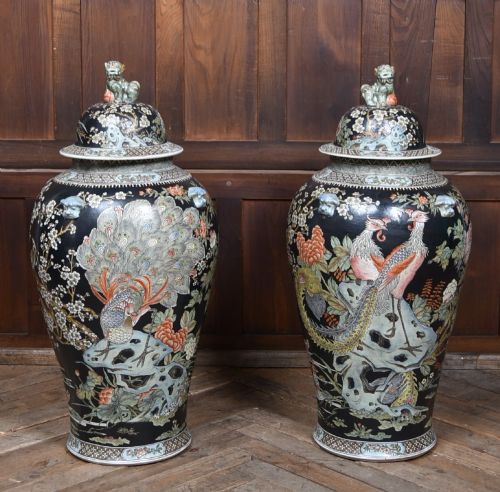
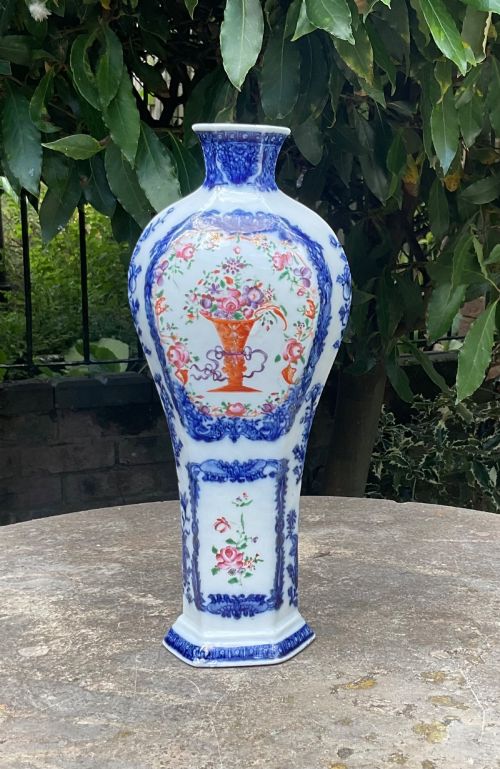
The most common forms on this page include large floor vases, lidded jars, and paired garnitures intended for formal interior decoration. Blue and white designs, Imari palettes, and vibrant famille rose or canton enamel schemes dominate the inventory.
Materials and Techniques
Potters shaped high-fired ceramic and porcelain bodies by hand before applying mineral pigments beneath or over the glaze. Cobalt glaze provided the deep blue tones found in early Chinese and Arita wares.
Enamel glaze, gold leaf, and gilding added rich polychrome decoration during subsequent firings, particularly on Japanese Imari and Chinese Famille Rose pieces. Artisans often utilised hand-painted techniques to render complex botanical, figurative, and dragon motifs across the curved surfaces.
Oriental Porcelain Baluster Jars Retail Price Guide 2026
Typical asking prices for oriental porcelain baluster jars among the pieces listed under this phrase on Sellingantiques today, from the lower quarter to the upper quarter. They describe what is for sale here now, not the wider market.
The listings span the seventeenth through the twentieth centuries, featuring Chinese Qing Dynasty and Japanese Meiji and Edo periods.
Judging Quality
The refinement of the hand-painted brushwork distinguishes superior examples from standard production pieces, particularly in the precision of facial expressions and floral details. Cobalt depth and enamel vibrancy indicate careful kiln temperature control during firing.
Proportion and scale dictate the visual impact of monumental floor jars and lidded vessels. Complete pairs and pieces retaining original matching covers achieve higher distinction among collectors than mismatched or altered bodies.
The Oriental Porcelain Baluster Jars Glossary
- Baluster
- A vase shape characterised by a rounded body that tapers toward the foot, resembling an architectural baluster. This form provides a stable and balanced canvas for detailed surface decoration.
- Imari
- A Japanese export porcelain style featuring cobalt blue, iron red, and gilding, produced in Arita from the Edo period onward. European markets coveted these bold, decorative patterns.
- Famille Rose
- A major palette of Chinese ceramic enamels introduced in the eighteenth century, dominated by opaque pink or rose colours. Artisans utilised these softer tones for naturalistic floral and figural scenes.
- Garniture
- A set of three or more matching vases and jars designed to be displayed together on a mantelpiece or cabinet. These matching groups formed an important element of elite interior decoration.
- Kangxi
- The second emperor of the Qing dynasty, whose reign set high standards for blue and white porcelain. Later workshops frequently referenced his reign marks and designs.
Oriental Porcelain Baluster Jars: Frequently Asked Questions
How were baluster jars used historically?
Historically, large porcelain jars served as prominent decorative accents in palaces and wealthy residences across Asia and Europe. Many functioned as storage vessels for dry goods or aromatics before evolving into pure display pieces.
Export examples often stood in grand hallways, drawing rooms, or atop furniture to demonstrate the status and global tastes of the owner. Lidded versions kept contents secure, while open forms displayed seasonal floral arrangements.
How do I distinguish Chinese from Japanese pieces?
Chinese porcelain often relies on cobalt blue underglaze, monochrome glazes, or the opaque enamels of the famille rose and verte palettes. The motifs frequently incorporate imperial dragons, auspicious symbols, and landscape narratives.
Japanese wares, particularly those in the Imari or Kutani styles, combine iron red and gilding with cobalt blue in dense geometric and floral compositions. Examining the paste, glaze texture, and foot rim helps confirm the distinct regional origins.
What does Imari mean?
Imari refers to Japanese porcelain exported from the port of Imari during the Edo period. The term covers wares made in the Arita kiln district and decorated in rich red, blue, and gold palettes.
European collectors prized these colourful pieces, inspiring numerous local imitation factories. Authentic period examples display distinct crackle or iron-foot characteristics unique to Japanese production.
How do I care for antique porcelain?
Antique porcelain requires gentle handling away from direct sunlight and areas subject to sudden temperature shifts. Dusting with a soft, dry brush prevents particulate accumulation on delicate gilded or enameled surfaces.
Avoid using liquid cleaners or abrasive cloths, especially on pieces with overglaze enamel or gold leaf decoration. Ensure that large floor jars rest on stable, level surfaces to prevent accidental tipping.
Can I use these vases for fresh flowers?
Using antique porcelain jars for fresh water and flowers is generally discouraged due to the risk of internal staining or mineral damage. Hairline fractures or historical repairs can leak water and weaken the ceramic body over time.
Dry botanical arrangements or simply displaying the vessels empty preserves the structural integrity of the antique material. If water must be used, insert a modern glass liner inside the vase to protect the interior glaze.