



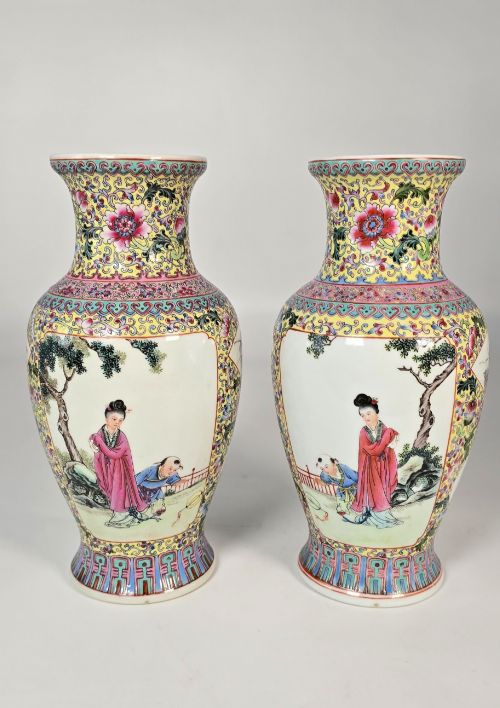

Oriental Polychrome Enamel Vases
Oriental polychrome enamel vases bring together intricate hand-painted detail and metallic or ceramic forms from nineteenth- and twentieth-century Asia.
Oriental Polychrome Enamel Vases
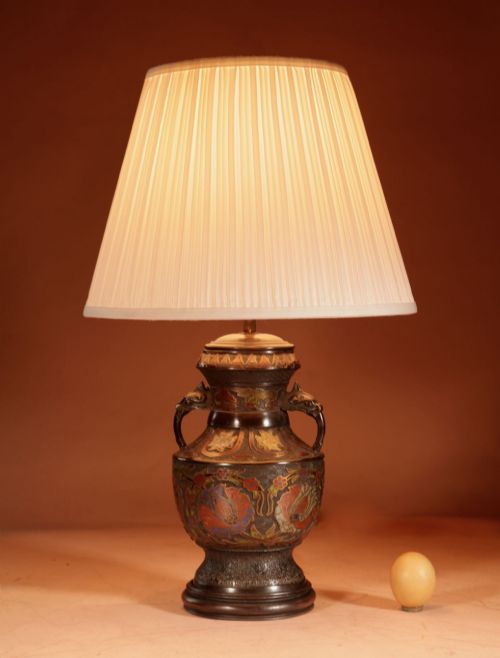
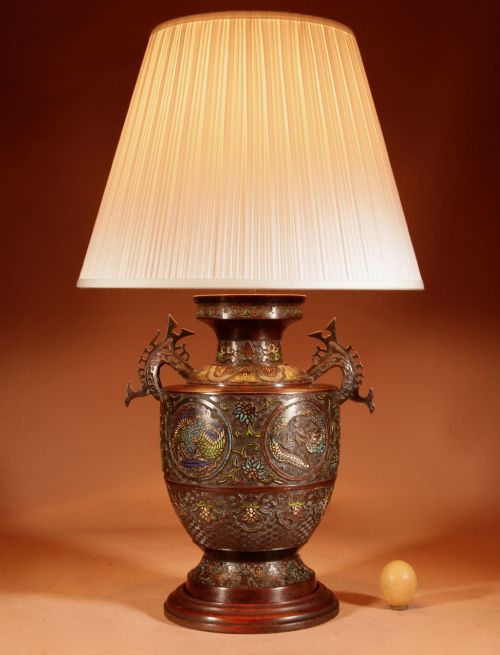
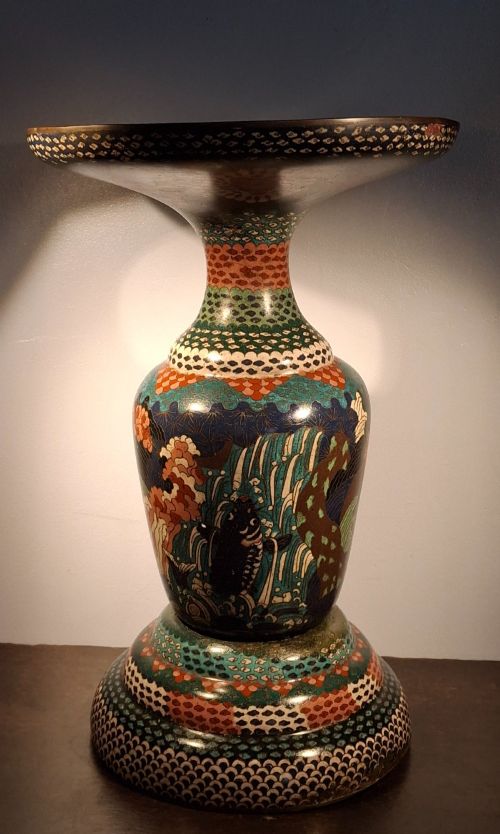
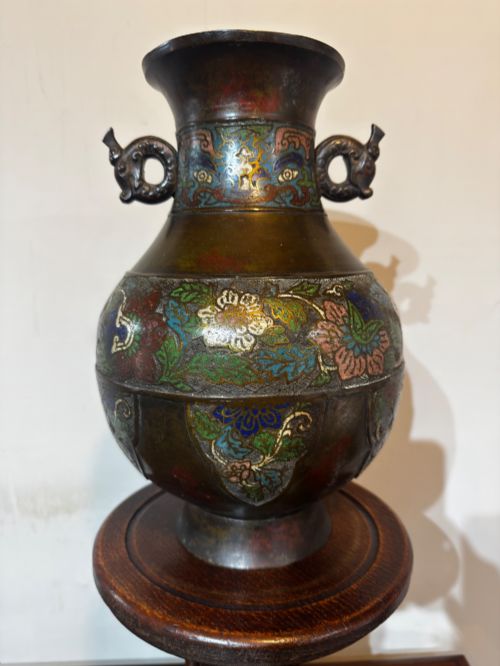
Oriental polychrome enamel vases span centuries of ceramic and metalwork traditions from China and Japan, taking forms from ginger jars to monumental floor vessels. These pieces range from delicate porcelain vessels decorated in vibrant enamels to heavy bronze and brass works finished with champlevé and cloisonné techniques.
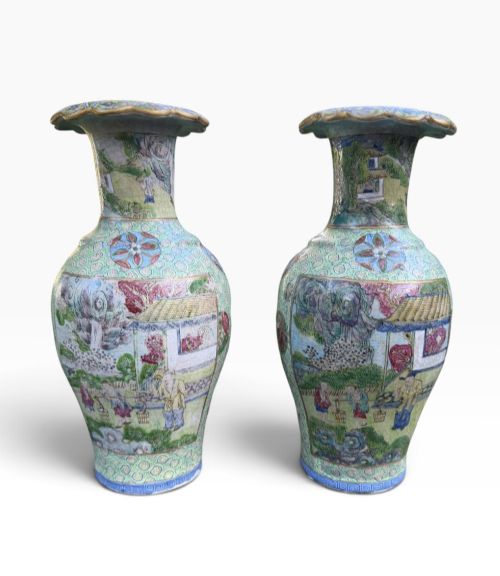
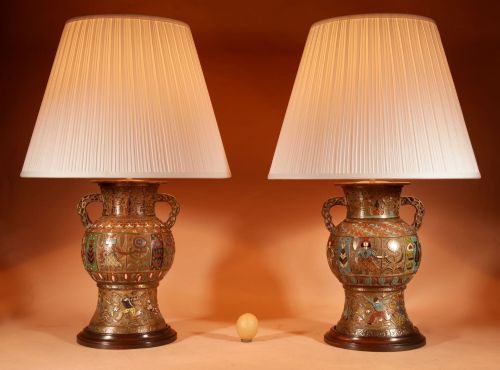
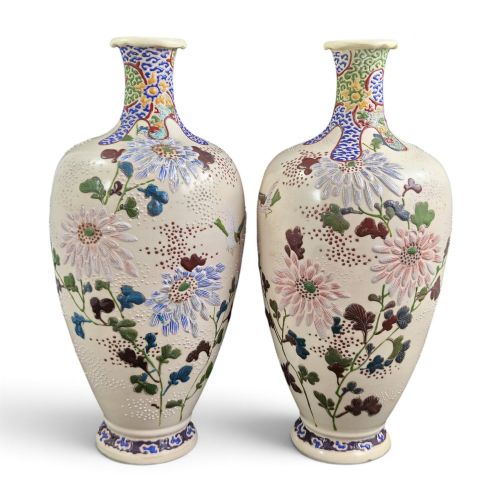
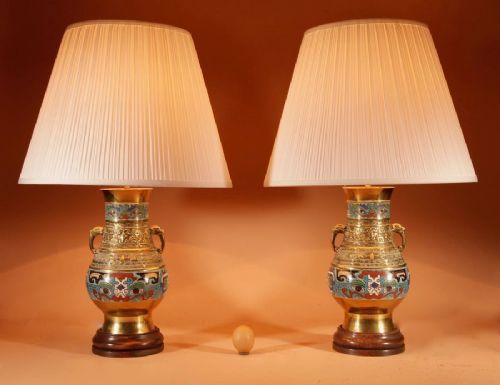
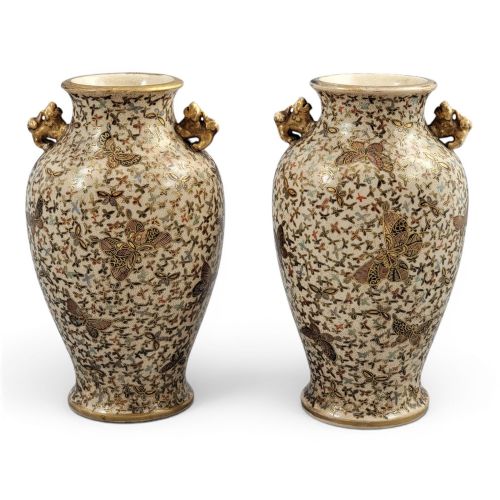
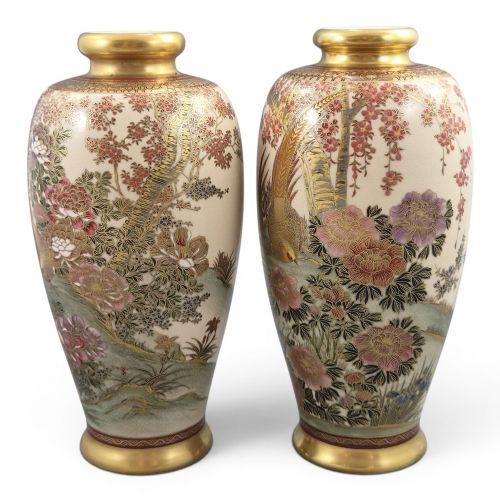
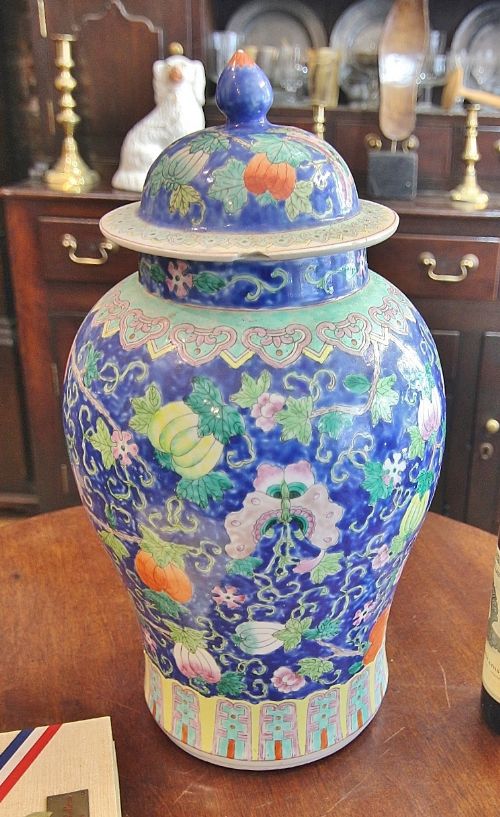
The pieces seen most frequently on this page originate from the Qing Dynasty in China and the Meiji period in Japan. Buyers will encounter hand-painted Canton and Satsuma wares alongside large cloisonné palace vases and table lamps adapted from earlier vessels.
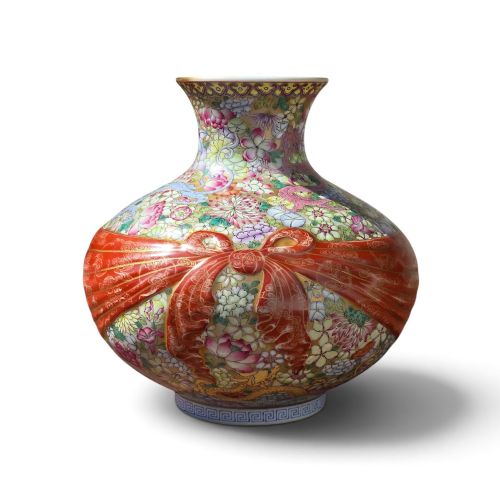
Forms vary from slender baluster shapes to square cong vases and covered jars, reflecting diverse regional aesthetics and periods. Many examples incorporate intricate floral motifs, figures, and birds rendered in rich palettes of iron-red, green, rose, and gold.
How they were made
Makers shaped these pieces from porcelain, earthenware, bronze, brass, and copper, applying vitreous enamel pastes by hand into cellular compartments or directly onto glazed ceramic surfaces. Artisans then fired the objects at controlled temperatures to fuse the coloured mineral pigments.
Detailed decoration often included the addition of gold leaf, iron-red pigments, and finely rendered brushwork depicting flora, fauna, and narrative scenes. Metalwork pieces utilised champlevé and cloisonné wirework to partition the vivid enamel colours across the bronze or brass bodies.
Oriental Polychrome Enamel Vases Retail Price Guide 2026
Typical asking prices for oriental polychrome enamel vases among the pieces listed under this phrase on Sellingantiques today, from the lower quarter to the upper quarter. They describe what is for sale here now, not the wider market.
Listings feature nineteenth-century Qing Dynasty porcelain alongside Meiji period Japanese Satsuma earthenware and bronze cloisonné works.
What varies in quality
Quality rests in the precision and density of the hand-painted enamel work, the clarity of the colours, and the crispness of any gilt or bronze detailing. Finer examples display meticulous control over complex floral and figurative compositions without blurring or pooling in the pigment.
The weight, structural integrity of the ceramic or metal body, and the ambition of the form also separate standard production from exhibition-grade pieces. Substantial palace vases and signed works by recognised makers demonstrate superior mastery of traditional firing and finishing techniques.
Maruni Kobe·Manpei Kobe·Kinzan·Hododa·Kinkozan
The Oriental Polychrome Enamel Vases Glossary
- Cloisonné
- A metalwork technique where thin metal wires are soldered to a bronze or copper body to create cells that hold coloured enamel paste before firing.
- Champlevé
- A method where troughs or cavities are dug into a bronze or brass surface and filled with enamel before the piece is fired and polished.
- Famille Rose
- A palette of opaque Chinese ceramic enamels dominated by pink or rose colours, introduced during the Qing dynasty.
- Satsuma
- Japanese earthenware pottery featuring a crackle-glaze finish, typically decorated with elaborate polychrome enamels and gilding.
- Baluster
- A vase form characterised by a rounded body that tapers toward the base and swells outward before narrowing at the neck.
Oriental Polychrome Enamel Vases: Frequently Asked Questions
What are oriental polychrome enamel vases?
These decorative vessels comprise porcelain, earthenware, and metal pieces adorned with hand-painted or cell-formed coloured enamels from Asian traditions.
They encompass diverse styles including Chinese famille rose and Japanese Satsuma wares produced across the nineteenth and twentieth centuries.
How were these vases used originally?
Many large pieces functioned as display items in palace interiors, merchant homes, and exhibition halls to demonstrate wealth and artistic refinement.
Smaller jars served to hold dry goods or fragrant items, while others were later converted into table lamps during the twentieth century.
How do I live with these vases?
Place them on sturdy surfaces away from direct sunlight to protect the delicate enamel pigments and any applied gold leaf.
Dust them gently with a dry, soft cloth and avoid chemical cleaners that might damage the antique glazes or metalwork.
How do I tell periods apart?
Examine the materials, base marks, and painting styles, noting how Qing Dynasty pieces often feature rich famille rose palettes while Meiji period Japanese works frequently display crackle-glaze Satsuma earthenware.
Changes in weight, bronze finishing, and signature marks help distinguish nineteenth-century examples from later twentieth-century productions.