





Oriental Nomadic Tent Textile
An oriental nomadic tent textile is a tribal weaving from Central Asia, made to furnish nomadic dwellings and prized by collectors for authentic tribal patterns.
Oriental Nomadic Tent Textile
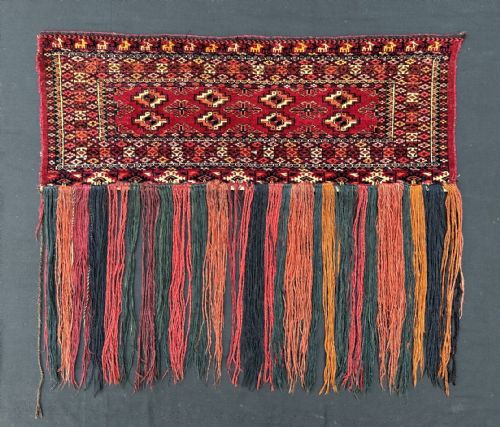
When you search for an oriental nomadic tent textile, you encounter functional tribal items from Central Asia, specifically tent bags and bands created by Turkmen tribes such as the Tekke, Yomut, and Ersary. These pieces include torba faces, chuval faces, and kap storage bags originating between eighteen sixty and nineteen twenty.
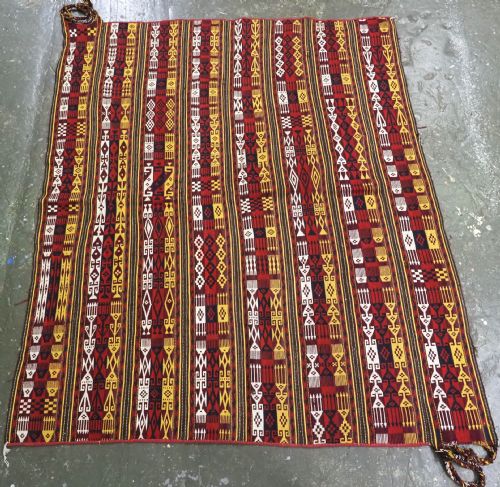
The most common version on this page is the torba or chuval face, often retaining its original back or formed from sections of utilitarian tent bands. Such objects served practical storage and decorative roles within the portable homes of nomadic groups across the region.
How They Were Made
These textiles rely on wool foundations combined with natural dyes to achieve durable surfaces designed for daily camp life. Weavers utilised fine knotting and flatweave techniques to produce dense structures capable of withstanding heavy usage inside a tent.
The structural integrity stems from tight wool spinning and precise patterning, which allowed nomadic makers to incorporate traditional tribal motifs without losing flexibility or strength.
Oriental Nomadic Tent Textile Retail Price Guide 2026
Typical asking prices for oriental nomadic tent textile among the pieces listed under this phrase on Sellingantiques today, from the lower quarter to the upper quarter. They describe what is for sale here now, not the wider market.
Nomadic weavers packed entire households into these wool bags, trusting a single knot to guard their winter blankets against the Central Asian dust.
What Varies in Quality
The distinction between ordinary examples and finer pieces rests upon knot density, handle, and the clarity of the drawing within motifs like the kepse gul or schemle gul. Fine weave structures and complete survival with original backs elevate certain torbas and chuvals above standard production.
Colour saturation and the skillful deployment of natural dye palettes also separate standard domestic items from superior dowry pieces intended for ceremonial display inside the tent.
The Oriental Nomadic Tent Textile Glossary
- Torba
- A small hanging bag used in nomadic tents for storage. These face pieces often feature intricate primary guls.
- Chuval
- A large storage bag used for bedding and household goods inside Turkmen dwellings. They display repeated major gul patterns.
- Gul
- A primary medallion motif characteristic of Turkmen carpet and textile design. Each tribal group utilises distinct geometric variations.
- Kepse
- A specific repeating lattice or guls design associated with Yomut weaving. It creates a diamond pattern across the textile surface.
- Tent band
- A long woven strip used structurally to secure nomadic tent frameworks. Sections of these bands are sometimes repurposed into smaller kilims.
Oriental Nomadic Tent Textile: Frequently Asked Questions
What is an oriental nomadic tent textile?
An oriental nomadic tent textile is a woven furnishing created by tribal groups in Central Asia for use inside portable dwellings. These items primarily comprise storage bags and decorative bands.
Nomads utilised these woven pieces for practical storage and to display traditional tribal identity through specific geometric motifs and natural dye colours.
How were these tent textiles used?
Tribal families used torbas and chuvals to store clothing, bedding, and household possessions within their tents. They hung these bags against the interior lattice walls.
Longer tent bands provided structural stability by securing the circular wooden framework of the dwelling against harsh winds and weather.
How do I date an antique torba?
Dating relies on assessing the wool quality, dye combinations, and structural characteristics typical of nineteenth-century Central Asian production. Pieces from eighteen seventy often exhibit finer knotting.
Comparing structural motifs and regional weaving traits helps place items within the active production eras recorded between eighteen sixty and nineteen twenty.
Where did these tribal weavings originate?
These textiles originate from Central Asia, created by distinct nomadic groups such as the Tekke, Yomut, and Ersary tribes. Regions like the Merv Oasis and the Amu Darya basin were primary centres.
Each tribal confederation maintained specific design vocabularies and colour preferences that identify their geographic and cultural roots.
How should I display a tent bag face?
Tent bag faces and torbas work well mounted on walls as textile art or placed on flat surfaces where heavy foot traffic is absent. Proper mounting distributes weight evenly.
Protecting the wool from direct sunlight preserves the natural dyes and maintains the structural integrity of the antique fibres over time.