





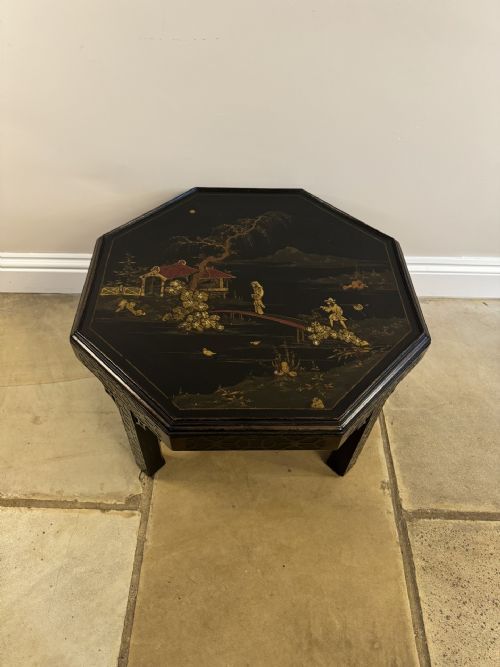
Oriental Low Cocktail Table
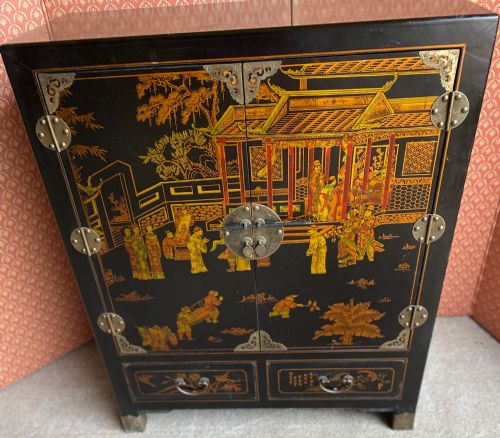
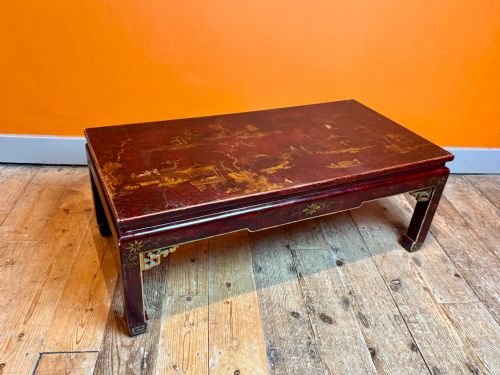
An oriental low cocktail table brings decorative painted scenes and rich lacquer surfaces to a living space.
Oriental Low Cocktail Table
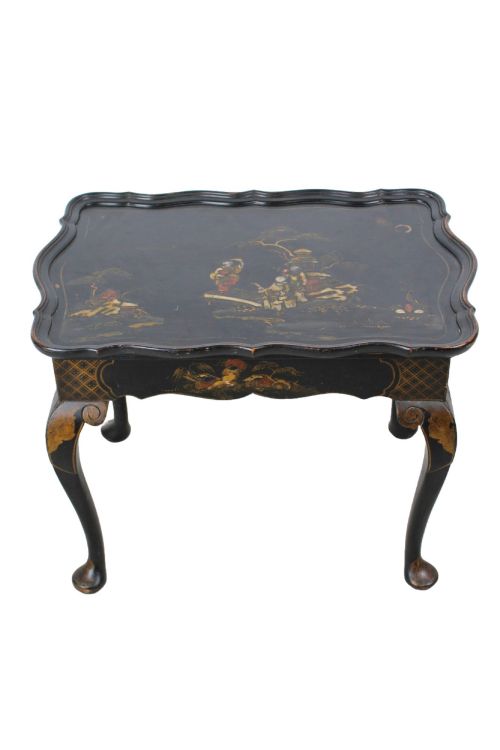
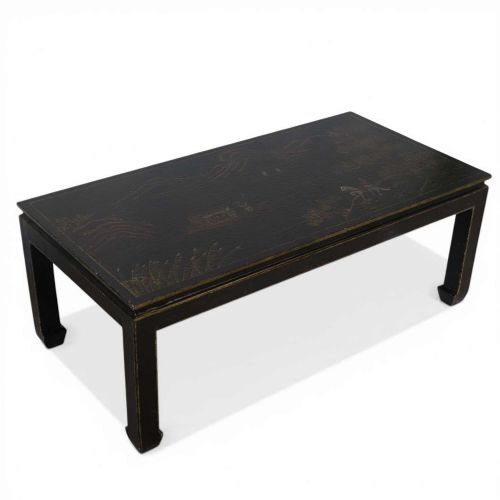
An oriental low cocktail table is typically formed from wood, hardwood, elm, or rosewood, standing low to the ground for serving drinks or displaying objects. These pieces frequently draw upon Chinoiserie, Chinese export, Traditional Chinese, and Edwardian Chinoiserie styles.
The versions most commonly met on this page span the Victorian era, the Edwardian period, and the early decades of the twentieth century, including years such as 1880, 1900, 1910, 1920, and 1930. Forms range from rectangular coffee tables and opium tables to circular coffee tables and tray top coffee tables.
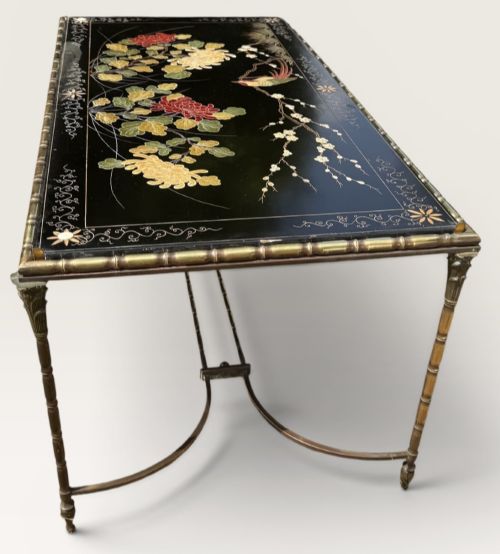
Makers and workshops from diverse cultural backgrounds influenced these designs, resulting in English Japanned interpretations alongside Mid-Century French and Asian styles. Each low coffee table serves as a functional centrepiece that anchors a room with distinctive painted or lacquered detail.
How they were made
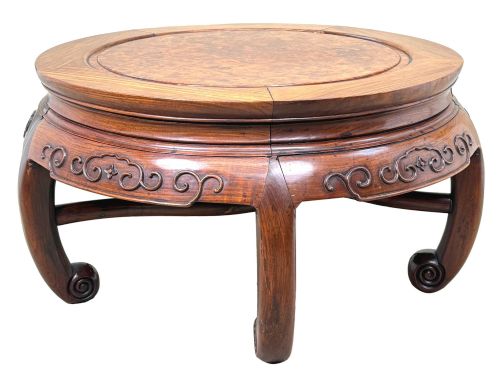
Construction relies upon solid timber foundations, utilising hardwoods, rosewood, elm, and general wood structures to build stable low frames. Artisans shaped these timbers into circular tops, tray tops, and rectangular opium table formats suited to low seating.
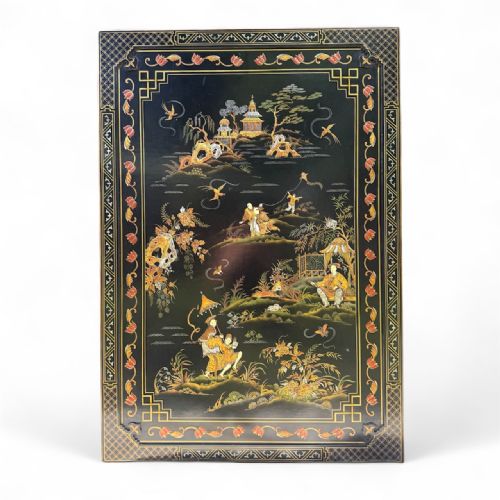
Surfaces received elaborate finishes involving lacquer, paint, gold leaf, and gilt applications. Many examples feature raised relief detail and decorative painted scenes that define the Chinoiserie and Japanned traditions.
Oriental Low Cocktail Table Retail Price Guide 2026
Typical asking prices for oriental low cocktail table among the pieces listed under this phrase on Sellingantiques today, from the lower quarter to the upper quarter. They describe what is for sale here now, not the wider market.
Listings feature woods including rosewood, elm, and hardwood, finished with paint, gold leaf, and lacquer.
What varies in quality
The refinement of the surface decoration separates simpler examples from the finest pieces. Depth of painted scenes, the application of gold leaf and gilt, and the intricacy of raised relief detail determine the visual impact of the lacquer.
Selection of timber also dictates standard, with denser hardwoods and figured rosewood or elm providing superior weight and durability compared to standard painted wood.
Maison Bagues
The Oriental Low Cocktail Table Glossary
- Chinoiserie
- European decorative style reflecting Chinese artistic influences, frequently applied to furniture with painted scenes and lacquered finishes. This aesthetic defines many low tables from the Victorian period onwards.
- Japanned
- European imitation of Japanese and Chinese lacquerwork, created using layered varnishes and decorative painting. English Japanned coffee tables often display dark backgrounds with gilt figures.
- Opium table
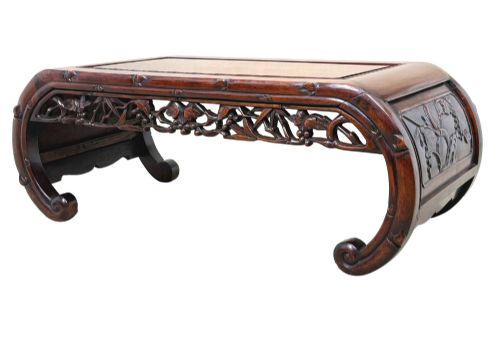
- Low rectangular wooden table originating from traditional domestic use in Asia. These pieces form a distinct category of oriental low cocktail table found in nineteenth-century exports.
- Tray top
- Table design featuring a raised rim around the edge of the surface, resembling a serving tray. This form appears on Edwardian Chinoiserie examples intended for practical serving use.
- Raised relief detail
- Decorative technique where motifs stand proud of the background surface, adding tactile depth to lacquer panels. It is seen on mid-century and earlier decorative low tables.
Oriental Low Cocktail Table: Frequently Asked Questions
What is an oriental low cocktail table?
An oriental low cocktail table is a low-standing surface built from wood, hardwood, or rosewood, finished with paint, lacquer, or gilt. These pieces adapt traditional Asian furniture forms and Chinoiserie decoration for modern living spaces.
They function primarily as coffee tables, offering a stable surface with distinct decorative painted scenes or raised relief details that draw the eye in a room.
How were opium tables used?
Opium tables were traditionally used in domestic settings in Asia as low utility surfaces for serving or social gatherings. Their low height accommodated floor seating and relaxed domestic arrangements.
Today, these nineteenth-century hardwood pieces serve effectively as low cocktail tables in contemporary interiors, bringing historical character and practical surface area to a seating group.
What is Edwardian Chinoiserie?
Edwardian Chinoiserie refers to furniture produced during the Edwardian period that reinterprets traditional Chinese decorative arts through a European lens. These pieces often feature tray tops and delicate painted ornamentation.
They combine the lighter proportions favoured in the early twentieth century with rich lacquered surfaces, making them versatile additions to period or eclectic rooms.
How do I distinguish nineteenth-century tables?
Nineteenth-century tables, including Chinese export pieces and Victorian items, typically display denser hardwoods, traditional joinery methods, and patination acquired over generations of use. Materials like elm and rosewood are common in these earlier works.
Examining the construction beneath the lacquer and the wear patterns on the wooden frame helps determine the age of an oriental low cocktail table.