



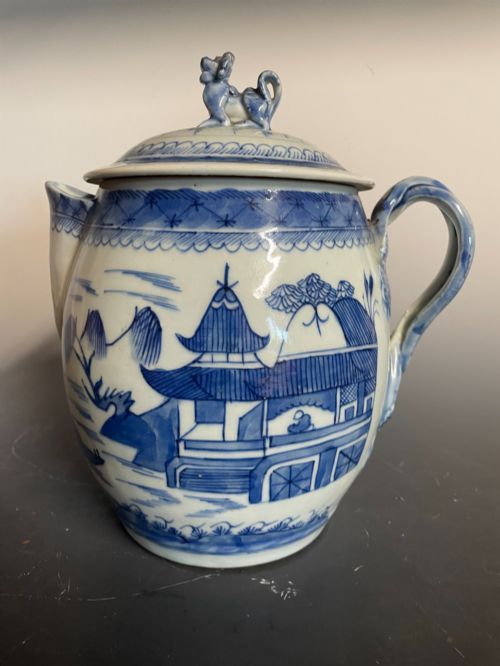
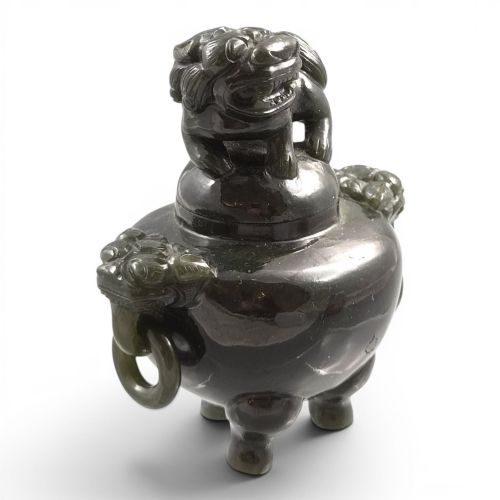



Oriental Lidded Vessel
An oriental lidded vessel brings together centuries of fine metalwork and ceramic craft from China and Japan.
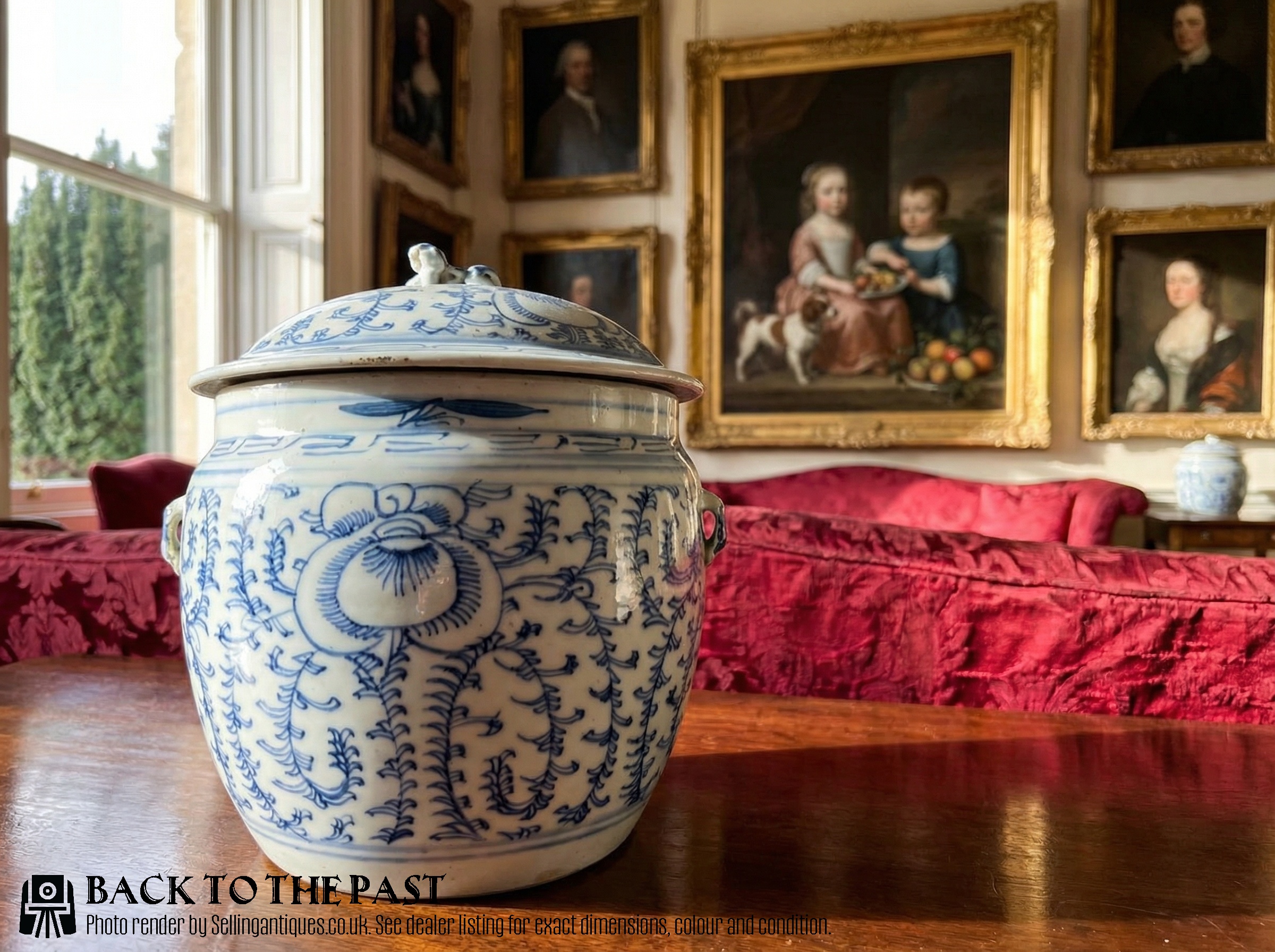
Oriental Lidded Vessel
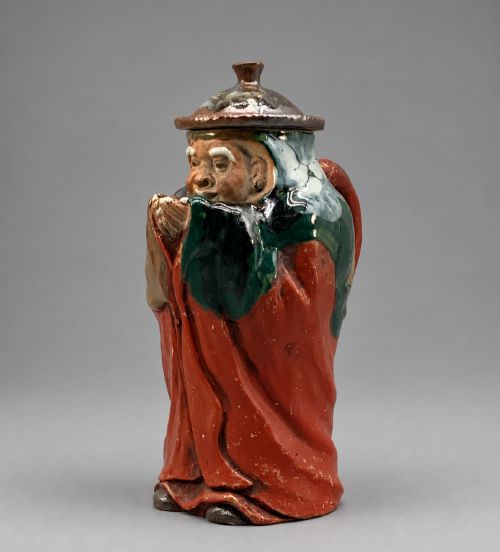
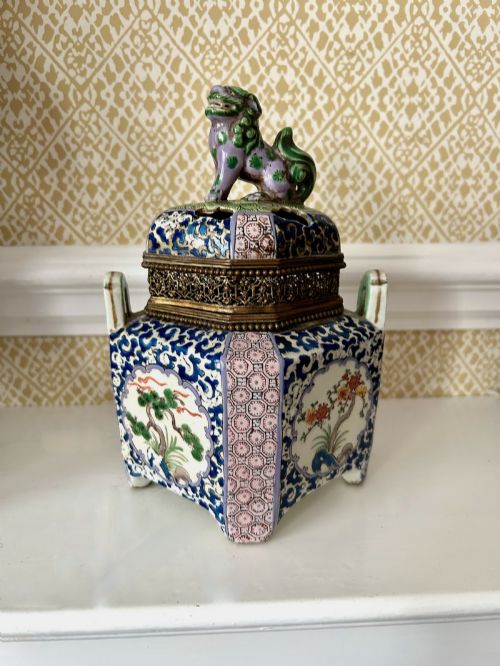
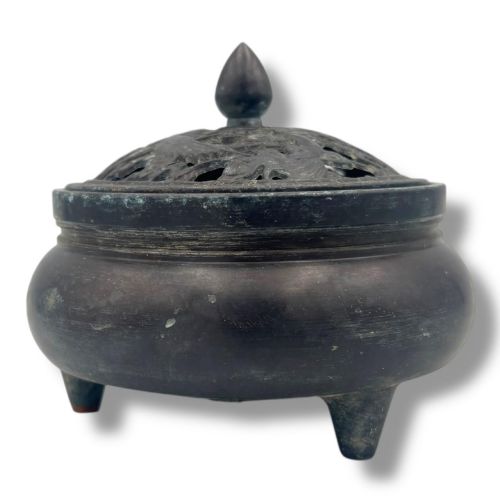
An oriental lidded vessel encompasses items designed to hold precious contents, burn incense, or serve liquids, drawing from diverse Asian traditions. When you search for this phrase, you encounter forms ranging from heavy bronze censers to delicate porcelain ginger jars and iron kettles. Pieces originating from the Qing Dynasty and the Meiji period dominate these listings, reflecting intensive manufacturing periods across China and Japan.
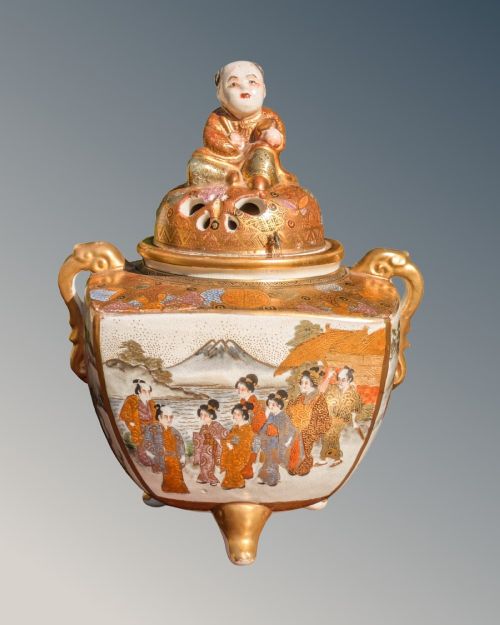
The objects take many shapes, including tripod vessels, spherical containers, tall vases, and handled kettles. Ceramic examples often feature traditional blue and white painting or intricate Satsuma enamels, while metal pieces utilise cast bronze, brass, or iron. Each form serves a specific domestic, ritual, or decorative function within its historical context.
How They Were Made
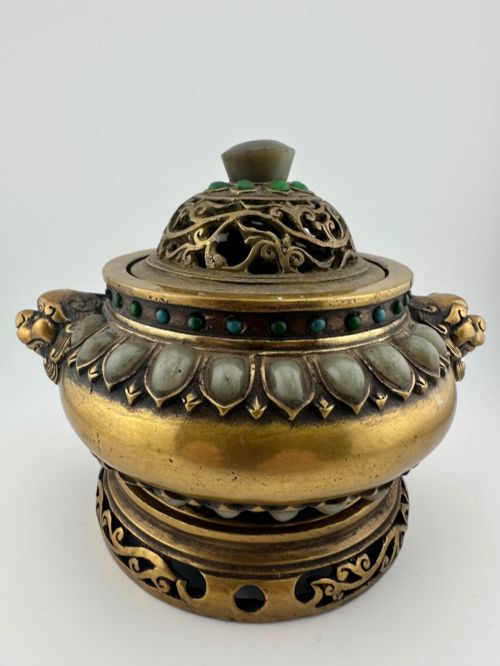
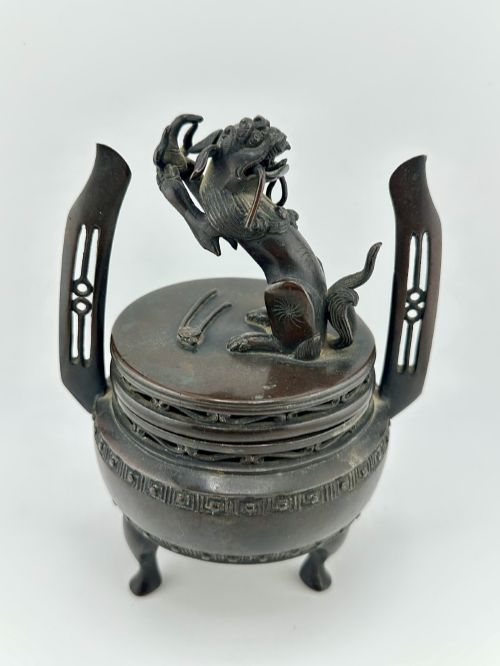
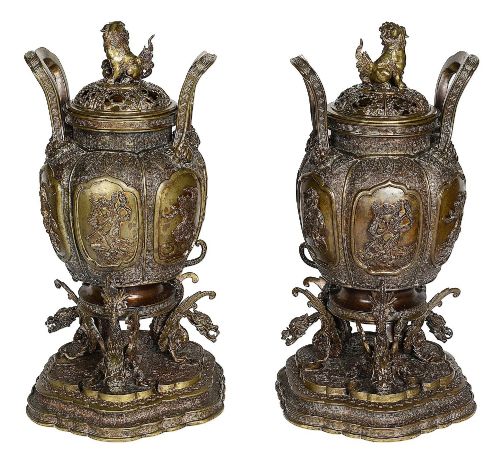
Metalsmiths employed lost-wax casting and hand-beating techniques to shape bronze, brass, iron, and silver into vessels and censers, frequently incorporating inlaid hardstones, gold leaf, or applied wirework for cloisonné enamelling. These metallic surfaces often display detailed casting marks, patination, and sculpted finials shaped as mythical creatures or beasts.
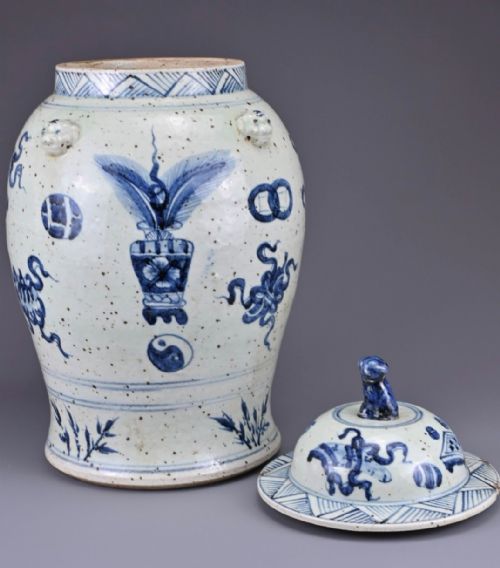
Potters threw porcelain and earthenware on wheels or formed them in moulds before applying cobalt underglazes, polychrome enamel paints, or crackle glazes. Artisans then fired these pieces in kilns at high temperatures, sometimes adding intricate handpainted motifs depicting floral scenes or traditional figures.
Oriental Lidded Vessel Retail Price Guide 2026
Typical asking prices for oriental lidded vessel among the pieces listed under this phrase on Sellingantiques today, from the lower quarter to the upper quarter. They describe what is for sale here now, not the wider market.
Several bronze censers feature fierce Foo dogs and mythical Qilin guarding the lids, keeping watch over the contents within.
What Varies in Quality
The refinement of the surface decoration and the crispness of the casting distinguish superior examples from standard production pieces. Finely sculpted finials, precise cloisonné wire placement, and well-executed handpainted details indicate greater time and skill invested by the maker.
Weight and structural balance also separate pieces, particularly in metalwork where thick bronze walls and stable tripod bases demonstrate superior foundry work. Potteries known for specific studio outputs, such as Kyoto workshops, often show higher standards of finish and material selection.
Kibundo·Kotobuki do·Shozan
The Oriental Lidded Vessel Glossary
- Censer
- A vessel used for burning incense. These typically stand on three legs and feature a pierced lid to release smoke.
- Koro
- A Japanese term for an incense burner. They appear in porcelain, Satsuma ware, and bronze.
- Imari
- A style of Japanese export porcelain characterised by cobalt blue, iron red, and gold colouring. It gained popularity in Europe during the export period.
- Cloisonne
- An enamelling technique where metal wire forms small compartments on a metal body to hold coloured enamel pastes. Artisans then fire and polish the surface smooth.
- Satsuma
- A type of Japanese earthenware featuring a pale, crackled ivory glaze decorated with polychrome enamel and gold. These pieces often originate from Kyoto studios.
Oriental Lidded Vessel: Frequently Asked Questions
What is an oriental lidded vessel used for?
These vessels served various purposes depending on their form, such as burning incense in domestic or ritual settings, storing tea or spices, and heating water for sake.
Many examples functioned purely as decorative art objects within scholar's studios or formal reception rooms.
How do I identify a Meiji period piece?
Meiji period items originate from Japan between eighteen sixty-eight and nineteen twelve, a time of significant export growth. They frequently bear studio signatures or marks and demonstrate high technical proficiency in bronze, Satsuma ware, or cloisonne.
Stylistic elements often blend traditional Japanese motifs with influences from Western markets.
How should I clean an antique bronze censer?
Dust the surface gently with a soft, dry brush to preserve the natural patination and age accumulated on the metal. Avoid using chemical polishes or water, which can damage inlaid hardstones, gilding, or historical finishes.
Consult a professional conservator if the vessel requires deeper maintenance.