


Oriental Incense Vessel
An oriental incense vessel brings centuries of ritual craft into a modern interior through bronze, porcelain and enamel.
Oriental Incense Vessel
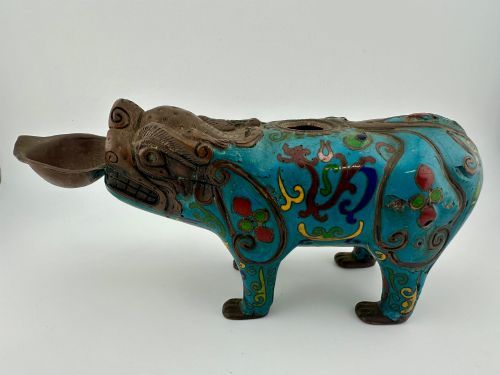
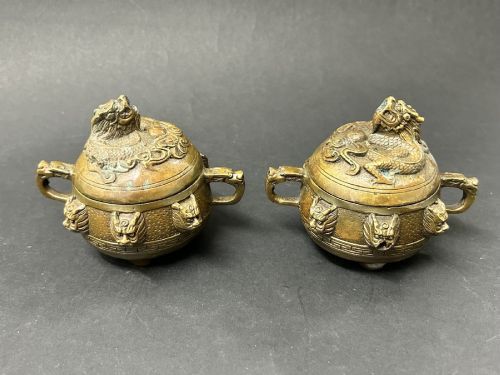
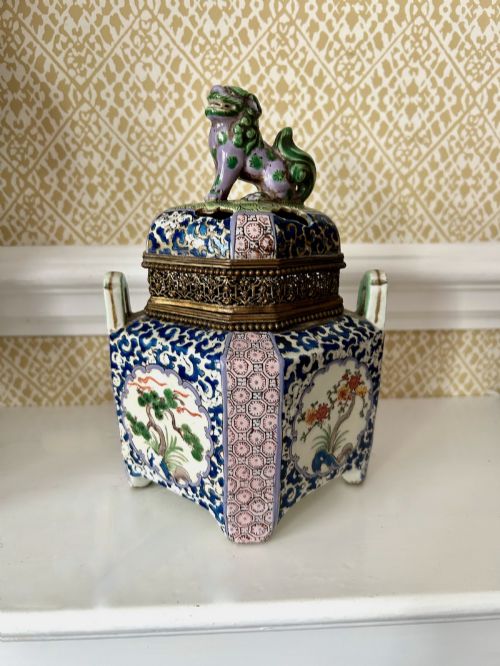
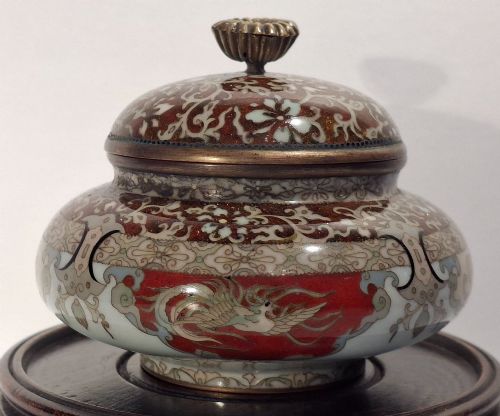
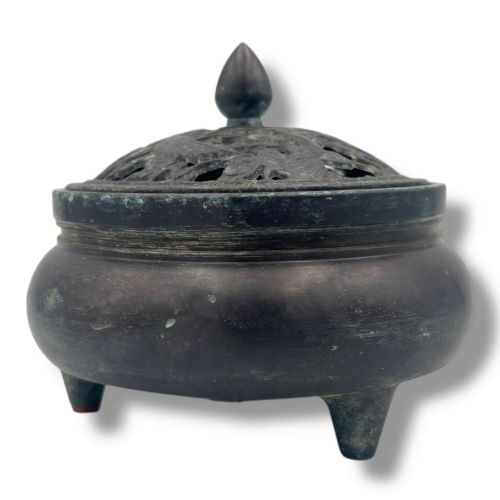
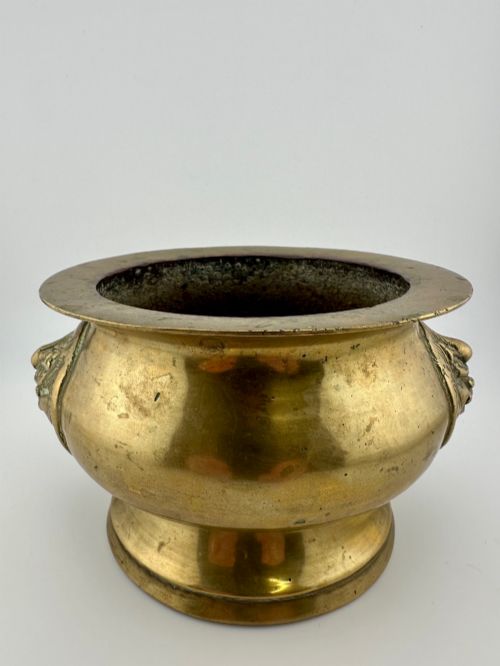
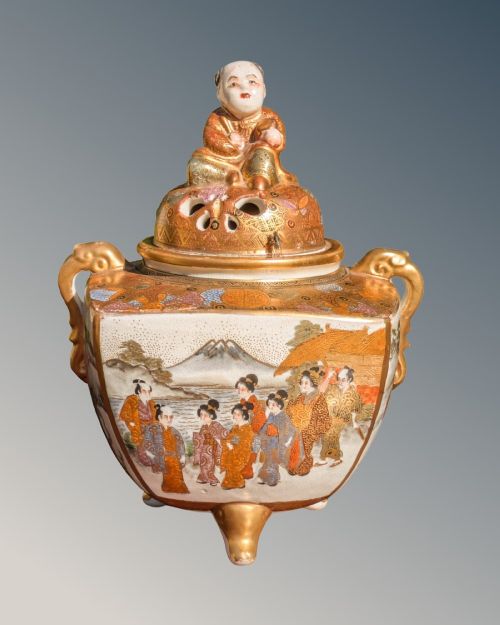
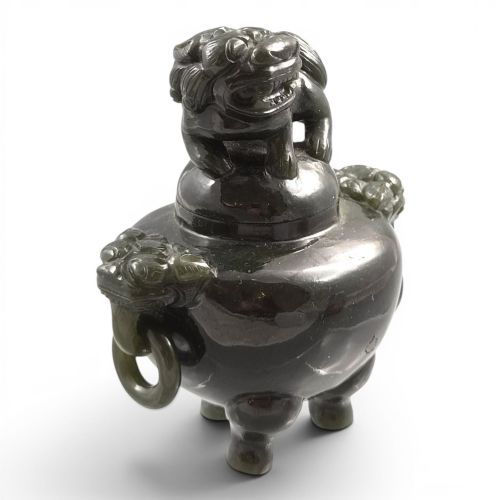
An oriental incense vessel takes the form of a censer, koro or tripod bowl designed for burning aromatic resins and woods. Collectors encounter these pieces primarily across Chinese Qing Dynasty and Japanese Meiji Period production, spanning tripod burners to lidded urns.
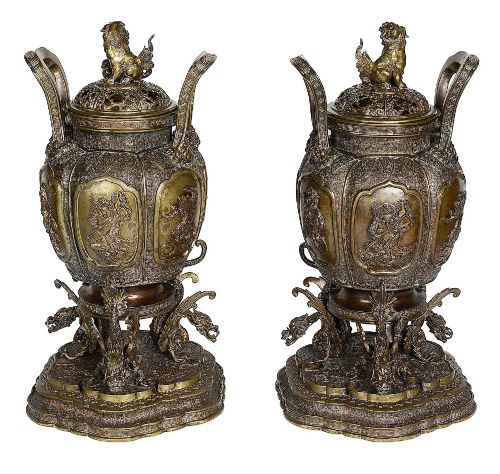
The objects serve both scholarly and decorative functions within traditional interiors. Common configurations include bronze vessels featuring mythical beasts, alongside porcelain and earthenware examples decorated with glazed motifs.
Most examples originate from specific cultural contexts such as the scholar's studio or domestic shrines. These pieces demonstrate diverse regional aesthetics from Chinese archaistic bronzes to Japanese Kutani and Satsuma wares.
Evaluating craftsmanship and execution
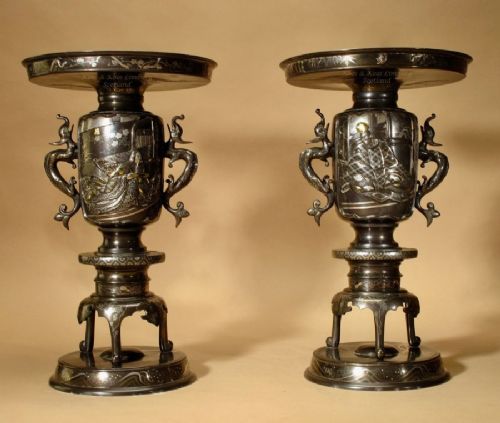
Quality reveals itself in the precision of the casting and the crispness of relief decoration such as taotie masks, dragon panels and floral motifs. Superior bronze vessels display a rich, stable patina developed over generations of handling.
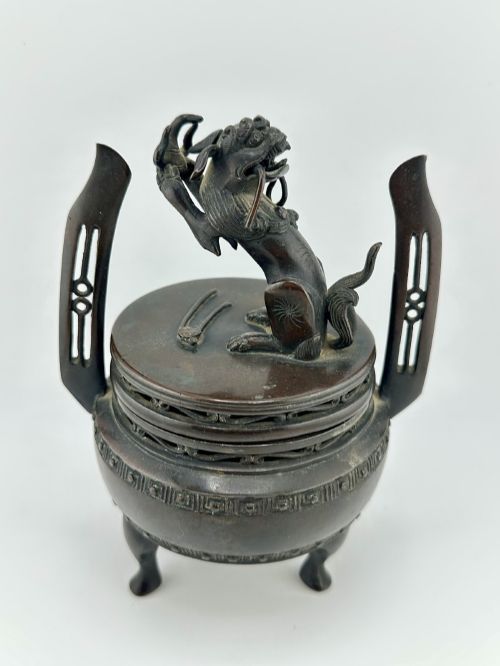
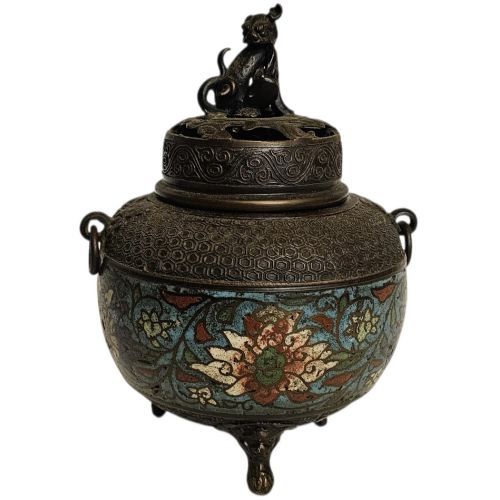
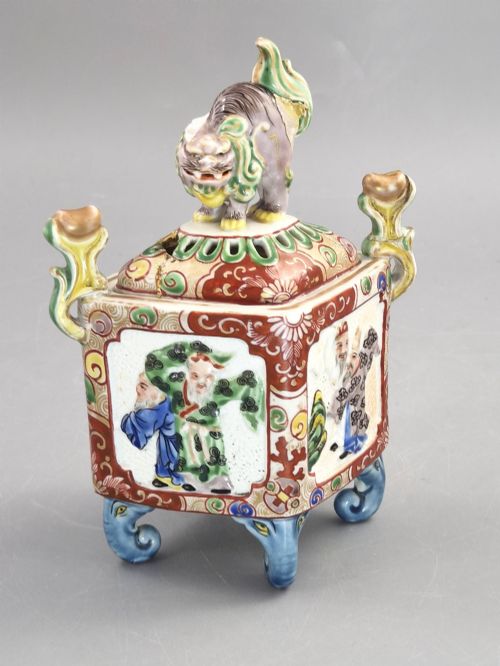
The refinement of ancillary elements like pierced lids, sculpted finials representing shishi lions or qilin, and custom hardwood stands distinguishes exceptional pieces. In ceramic and enamel works, the control of firing temperatures and the complexity of the polychrome palette determine the standard of execution.
Oriental Incense Vessel Retail Price Guide 2026
Typical asking prices for oriental incense vessel among the pieces listed under this phrase on Sellingantiques today, from the lower quarter to the upper quarter. They describe what is for sale here now, not the wider market.
Listings feature pieces spanning the 17th century through the Edwardian era, highlighting long-standing traditions in bronze casting and ceramic production.
The Oriental Incense Vessel Glossary
- Censer
- A vessel specifically constructed for burning incense. These pieces often feature pierced covers to allow fragrant smoke to escape.
- Koro
- The traditional Japanese term for an incense burner. They frequently incorporate three feet and a matching removable lid.
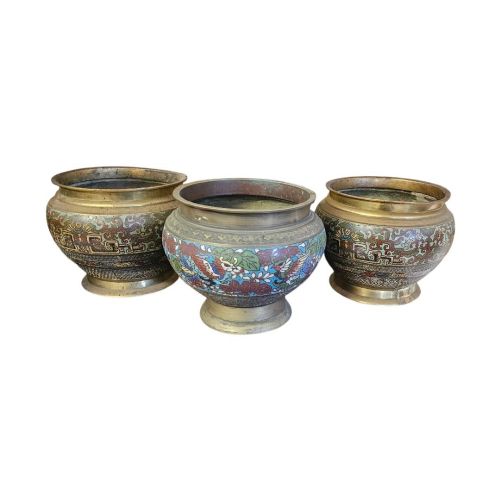
- Champlevé
- An enamelling technique where troughs are dug into a metal surface and filled with vitreous enamel before firing. The surrounding metal lines remain visible as part of the design.
- Cloisonné
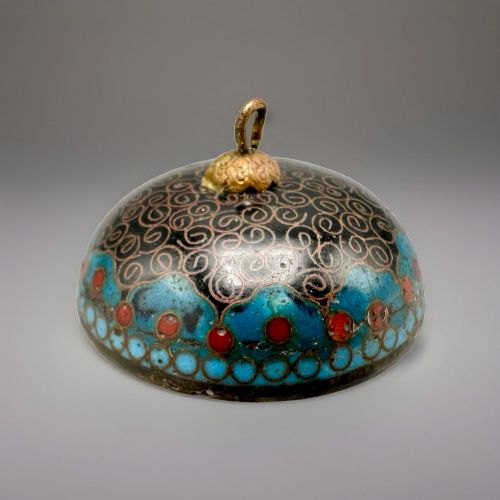
- A method of decorating metalwork objects using vitrified enamel held within compartments created by soldered wire strips. This technique produces intricate multi-coloured surface patterns.
- Tripod
- A vessel supported by three feet, commonly seen in ancient ritual bronzes and subsequent scholarly wares. This configuration provides stability on uneven surfaces.
- Finial
- A decorative ornament fixed to the top of a vessel lid. They often take the shape of mythical creatures such as foo dogs or qilin.
Oriental Incense Vessel: Frequently Asked Questions
How were incense burners used historically?
Historical use centered on burning aromatic woods, resins and powdered incense to purify spaces, mark time or create a contemplative atmosphere for scholars and aristocrats. They held positions of honour within studies, temples and domestic rooms.
The rising smoke often filtered through intricately pierced lids, diffusing fragrance while providing a visual focal point for meditation and poetry gatherings.
How do you distinguish Chinese from Japanese pieces?
Chinese pieces often draw on archaistic traditions, featuring heavy cast bronze, taotie masks, archaic script marks and forms derived from ancient ritual vessels. They tend to emphasise monumental weight and scholarly restraint.
Japanese examples from periods like the Meiji era frequently showcase high-relief animal finials, Satsuma earthenware with dense polychrome enamels, or delicate porcelain painting reflecting distinct local artistic developments.
How should I display an antique censer?
These vessels suit placement on sideboards, mantelpieces or dedicated display tables where their patinated surfaces and sculptural forms remain visible from multiple angles. Many bronze examples benefit from custom hardwood stands that elevate the base and protect delicate furniture.
Placing them away from direct heat sources helps preserve the original metal patina, jade inlays and delicate enamel work over time.