





Oriental Glazed Pottery Statues
Oriental glazed pottery statues bring vibrant colour and spirited form to a room, ranging from turquoise temple lions to sancai musicians.
Oriental Glazed Pottery Statues
Oriental glazed pottery statues encompass figures, figurines, and ceramic sculptures spanning the nineteenth century through the early twentieth century. Buyers seeking these pieces encounter Chinese earthenware and porcelain alongside Japanese porcelain and stoneware.
The selections on this page highlight distinct regional subjects such as Chinese Foo dogs, Shiwan figures, and Japanese Okimono. Makers adopted historic aesthetics, producing works in Tang Dynasty style, Ming style, and Qing Dynasty traditions.
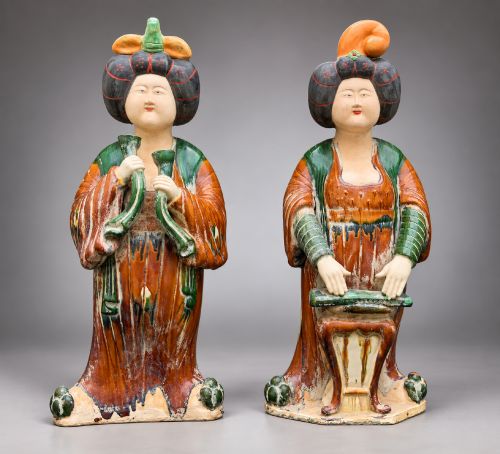
Common decorative forms include pairs of musician figures, seated apes, cockerels, and temple lions. These objects function primarily as decorative figures, while some incorporate practical elements like incense holders or vase forms.
Materials and methods
Potters shaped earthenware, terracotta, stoneware, and porcelain bodies before applying liquid mineral coatings. These surfaces received lead glazes and enamel additions to create rich coloration.
Firing techniques allowed glazes such as sancai, turquoise, yellow, and pale green to pool across the clay bodies. Artisans utilised traditional moulding and hand-finishing methods to render detailed expressions and anatomical textures.
Oriental Glazed Pottery Statues Retail Price Guide 2026
Typical asking prices for oriental glazed pottery statues among the pieces listed under this phrase on Sellingantiques today, from the lower quarter to the upper quarter. They describe what is for sale here now, not the wider market.
Listings feature items spanning the nineteenth century through the Edwardian era, incorporating earthenware, porcelain, stoneware, and terracotta materials.
Assessing quality
Finer sculptures exhibit careful control during the firing process, resulting in vibrant colour retention and harmonious interaction between the glaze and the underlying earthenware or porcelain form.
The Oriental Glazed Pottery Statues Glossary
- Sancai
- Three-colour glaze technique traditionally utilising amber, green, and creamy white tones. This lead-glazed finish is characteristic of Tang Dynasty style ceramics.
- Okimono
- Japanese decorative figurine designed for display on a shelf or in a tokonoma alcove. These sculptures often depict deities, historical figures, or animals.
- Shiwan
- Pottery originating from the Shiwan kilns near Guangzhou, known for expressive figurative sculpture and heavy, richly coloured glazes. Shiwan pieces frequently portray Buddhist monks, animals, and mythological figures.
- Foo Dog
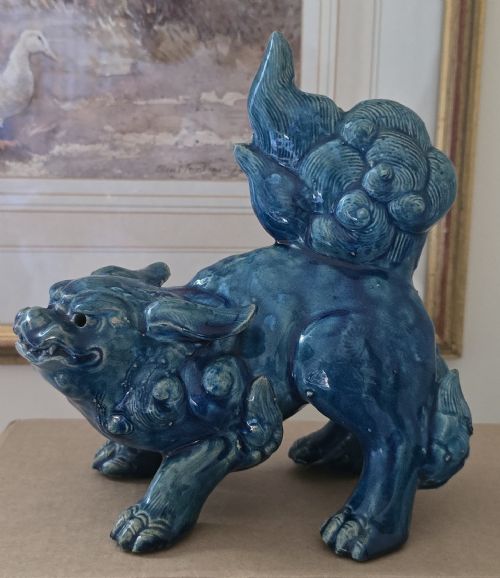
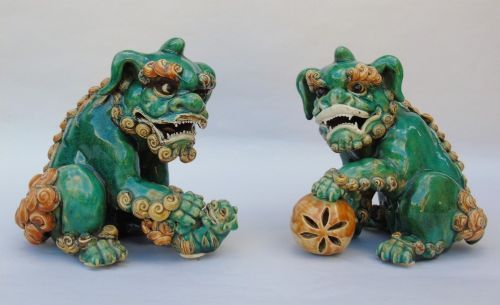
- Guardian lion statue placed outside temples and palaces to ward off evil spirits. Chinese potters rendered these mythological beasts in porcelain and earthenware with elaborate glazes.
- Daruma
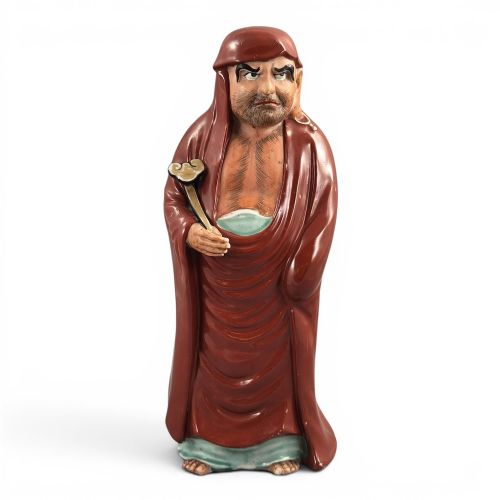
- Japanese representation of Bodhidharma, the founder of Zen Buddhism, typically shown as a seated figure. These porcelain and ceramic figures symbolise perseverance and good fortune.
Oriental Glazed Pottery Statues: Frequently Asked Questions
What are oriental glazed pottery statues?
These pieces are ceramic sculptures, figures, and vessels created in China and Japan during the nineteenth and early twentieth centuries. They combine traditional moulding techniques with vibrant lead glazes, enamel, and sancai finishes.
Subjects range from mythological temple lions and deities to musicians and animals, reflecting historic aesthetic movements such as the Ming and Qing dynasties alongside the Japanese Meiji period.
How were these statues used?
Historically, many of these figures served as protective guardians or decorative objects within homes and temples. Guardian lions protected doorways, while deities and auspicious figures brought good fortune.
Some ceramic sculptures doubled as functional objects, such as incense holders or small vase forms, integrating ritual utility with decorative display.
How do I style these statues at home?
These colourful ceramic figures suit placement on mantelpieces, sideboards, or dedicated display shelves where their glazes catch the light. Pairing symmetrical objects like musician figures or Foo dogs creates a balanced focal point.
Their rich turquoise, sancai, and yellow glazes complement both traditional interiors and neutral modern spaces, adding texture and historical character to a room.
How do I tell periods apart?
Distinguishing periods relies on identifying stylistic markers, glaze types, and clay bodies associated with specific eras. Meiji period Japanese pieces often display distinct signature styles, while Chinese works reflect Qing dynasty aesthetics or deliberate revivals of Tang and Ming forms.
Examining the base and the interaction of the glaze with the earthenware or porcelain helps establish the manufacturing timeframe.