



Green Glaze Earthenware Figures
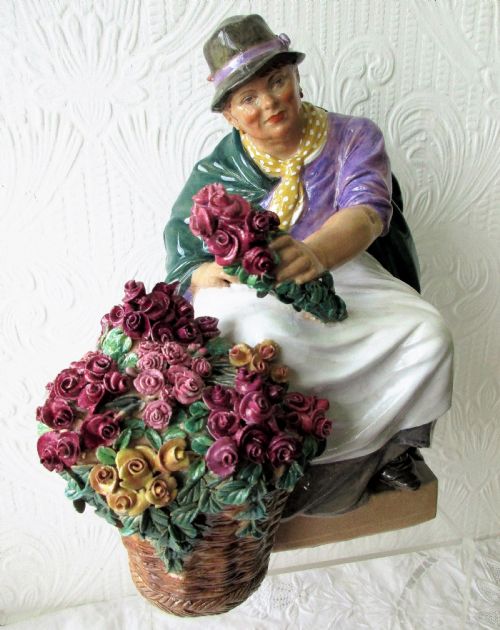
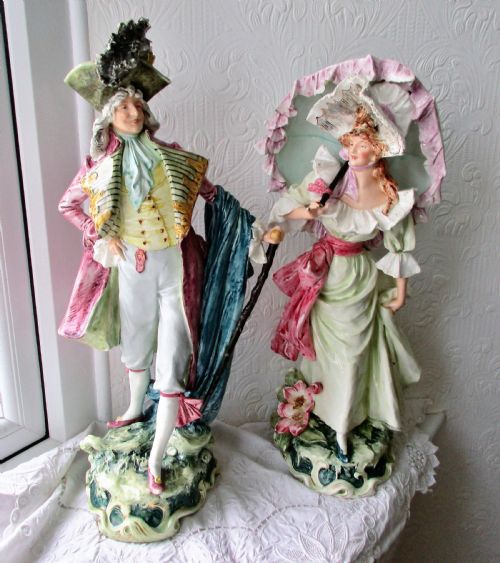
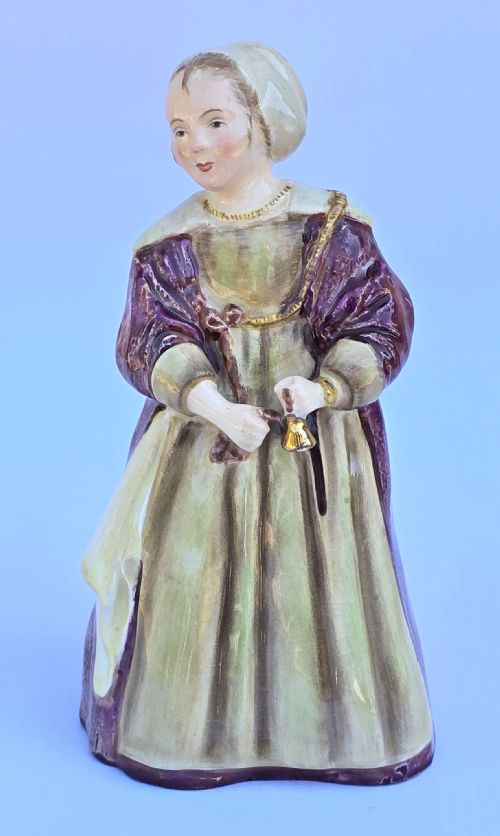
Green glaze earthenware figures bring character and history to a room, ranging from playful Staffordshire animals to impressive Chinese pottery musicians.
Green Glaze Earthenware Figures
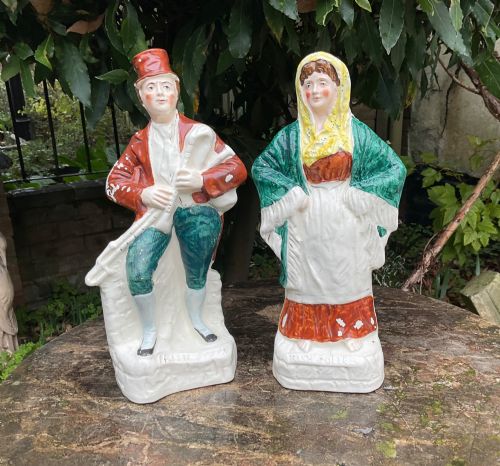
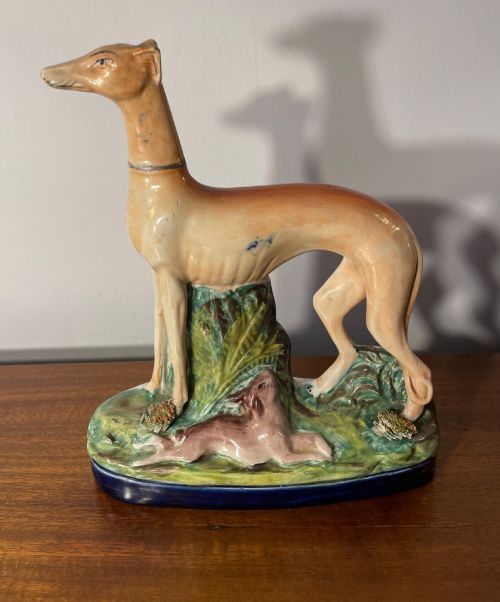
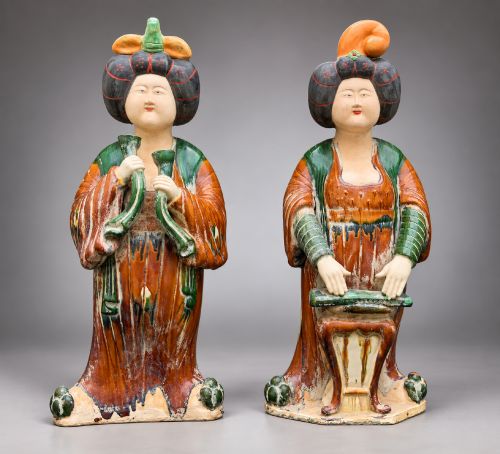
Green glaze earthenware figures encompass a diverse array of ceramic sculptures and decorative objects spanning multiple centuries and geographic origins. When exploring green glaze earthenware figures, buyers encounter everything from early English Staffordshire hounds and sheep to Chinese sancai glazed musicians and French faience figures.
The selection ranges widely in form and period, featuring Victorian Staffordshire flatbacks, 18th-century pearlware groups, and Tang Dynasty style pottery. Many pieces depict animals, human companions, or historical subjects modelled with distinct regional and stylistic traits.
Materials and production
Makers shaped these pieces using earthenware, terracotta, and ceramic bodies, frequently finishing them with lead glaze, tin glaze, or colourful enamel details. The application of fluid glazes allowed rich green tones to pool naturally across the modelled contours during firing.
Potters utilised traditional moulding and hand-modelling techniques to create figurines, decorative ornaments, and sculptural groups. Surface decoration often combined detailed underglaze painting with characteristic glossy finishes that define the appearance of these ceramics.
Green Glaze Earthenware Figures Retail Price Guide 2026
Typical asking prices for green glaze earthenware figures among the pieces listed under this phrase on Sellingantiques today, from the lower quarter to the upper quarter. They describe what is for sale here now, not the wider market.
The listings feature earthenware and terracotta pieces spanning from the 18th century through the Victorian era and into the 1930s.
Assessing quality and character
Quality in these figures rests on the crispness of the modelling and the deliberate control of the glaze as it settles over the clay body. Superior examples display expressive facial details, secure proportions, and an even distribution of colour across the surface.
Artistic execution distinguishes the finer pieces, particularly in how makers captured the stance of an animal or the posture of a human figure. The depth of the glaze and the preservation of hand-finished details further separate standard production wares from exceptional sculptural works.
Charles Vyse·Wedgwood and Co Ltd·Shelley·Minton·Albert Carrier
The Green Glaze Earthenware Figures Glossary
- Earthenware
- A porous pottery type fired at relatively low temperatures, forming the basic body for many antique figures. It requires a glaze to become impermeable to liquids.
- Lead glaze
- A traditional glossy coating containing lead oxide, commonly used on early ceramics to create a transparent or tinted finish that deepens green colours. This technique enhances the natural texture of the underlying clay.
- Pearlware
- A refined fine-grained earthenware developed in the 18th century, featuring a pale bluish glaze designed to mimic the appearance of porcelain. It forms the foundation for many classic English figures.
- Sancai
- A traditional Chinese three-colour glaze technique, often dominated by amber, green, and cream tones, applied to pottery figures and vessels. The colours blend organically during the firing process.
- Majolica
- A type of colourful lead-glazed earthenware popular in the 19th century, known for vibrant tones and heavy sculptural modelling. It allows for rich, opaque decoration on decorative figures.
Green Glaze Earthenware Figures: Frequently Asked Questions
How do I date an earthenware figure?
Dating relies on examining the characteristics of the clay body, the type of glaze, and the specific moulding style employed by the potter. Subtle variations in pigment and base construction offer strong clues to a piece's period.
Comparing the subject matter and manufacturing marks to documented examples helps narrow down the decade of production. Stylistic context remains a primary tool for establishing chronology.
Were these figures meant for display?
Most of these ceramic pieces served primarily as decorative ornaments on mantelpieces, sideboards, and cabinets within domestic interiors. Their visual appeal made them popular centrepieces for middle-class and elite homes alike.
Some specialised forms, such as incense holders, combined decorative presence with practical household functions. Their varied scales accommodated different spaces within historic rooms.
How should I clean antique glazed ceramics?
Dusting gently with a soft, dry brush is generally sufficient to maintain the surface of glazed earthenware figures. Avoid using harsh chemical cleaners or submerging older pieces in water, as moisture can penetrate hairline cracks in the glaze.
Professional restoration advice should be sought if a piece requires deep cleaning or has structural vulnerabilities. Careful handling prevents unnecessary wear on historic surfaces.