



Oriental Gallery Rug
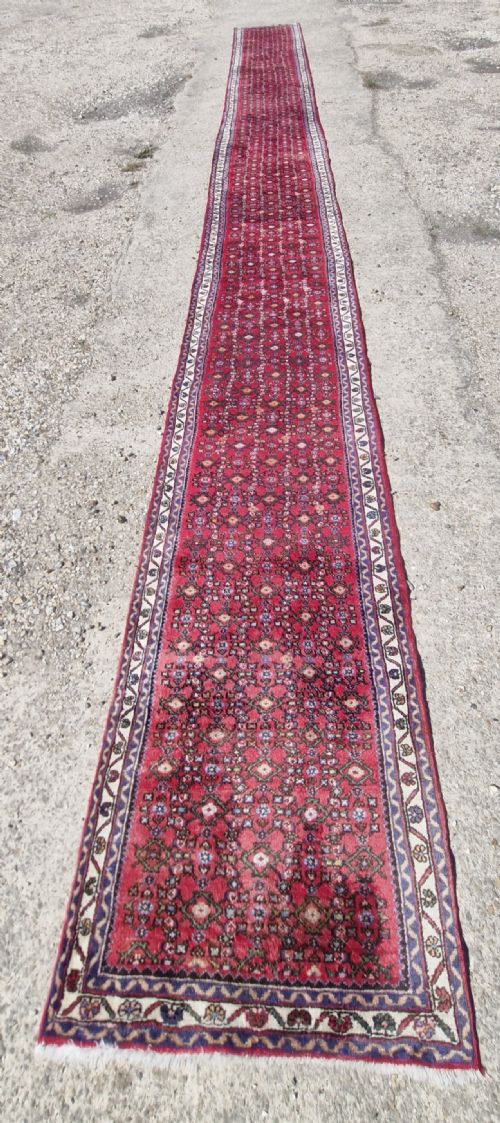
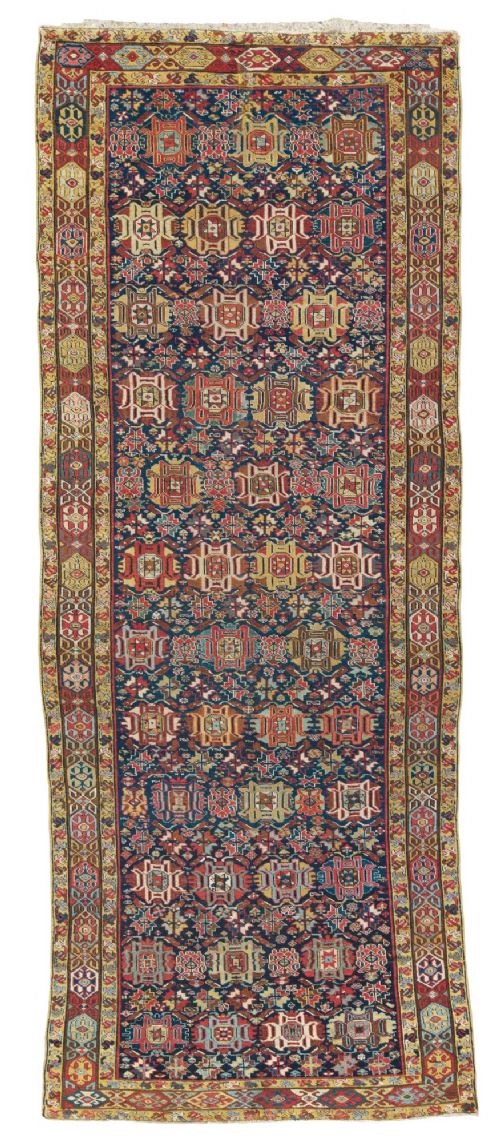
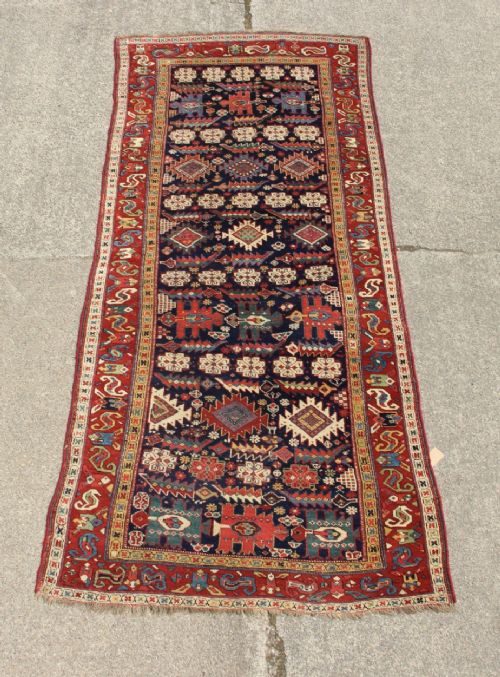
An oriental gallery rug brings distinct tribal character and dense geometric patterns to long corridors and substantial rooms.
Oriental Gallery Rug
An oriental gallery rug is typically a long, narrow format carpet or runner designed to furnish hallways, landings, and expansive rooms. These pieces originate primarily from Persian and Caucasian weaving traditions, spanning periods from the mid-nineteenth century through the mid-twentieth century.
Buyers encounter formats such as the Kelleh, a room-size carpet of elongated proportions, alongside extended runners stretching over seven metres. The inventory on this page demonstrates regional diversity, featuring Kurdish, Bidjar, Serapi, and Bakshiash weaving styles.
The aesthetic centres on traditional tribal motifs, including Memling guls, crab pattern borders, and complex dragon motifs. These floor coverings bridge practical domestic utility and regional artistic heritage.
How they were made
Weavers constructed these carpets using natural materials, predominantly employing hand-spun wool for the pile and cotton for the foundational warps and wefts. This combination provided structural stability while allowing the wool to accept rich coloration.
The application of natural dyes ensured that the palette aged gracefully over decades, developing subtle tonal variations. Artisans knotted the wool densely by hand, creating resilient surfaces intended to withstand heavy foot traffic in domestic settings.
Oriental Gallery Rug Retail Price Guide 2026
Typical asking prices for oriental gallery rug among the pieces listed under this phrase on Sellingantiques today, from the lower quarter to the upper quarter. They describe what is for sale here now, not the wider market.
Some runners stretch so far down the hall they practically require their own postcode.
What varies in quality
The degree of knot density and the precision of the geometric drawing dictate the refinement of an oriental gallery rug. Tighter knotting allows for sharper delineation of intricate borders and central medallion designs.
Condition and scale also define the standing of a piece, particularly in exceptionally long formats where maintaining straight margins requires considerable weaver skill. The clarity and preservation of the natural dyes further elevate the standing of individual carpets.
The Oriental Gallery Rug Glossary
- Kelleh
- A traditional Persian format describing a carpet that is longer than it is wide, typically suited for gallery spaces. This format bridges the dimensions of a standard scatter rug and a full room-size carpet.
- Gul
- A medallion or repeating octagonal motif commonly found in tribal weaving traditions. These stylized geometric forms often hold specific regional or ancestral significance.
- Warp
- The vertical threads stretched tightly on a loom before weaving begins. The pile knots are tied around these stationary foundation threads.
- Weft
- The horizontal threads passed alternately over and under the warp threads to secure the rows of knots. This technique locks the pile firmly into place.
- Natural Dyes
- Colorants derived from plant, insect, and mineral sources prior to the widespread adoption of synthetic alternatives. These dyes interact with wool fibres to produce muted, harmonious patination over time.
Oriental Gallery Rug: Frequently Asked Questions
Where should I place an oriental gallery rug?
These elongated floor coverings suit narrow entrance halls, wide landing corridors, and large drawing rooms where linear dimensions dictate the layout. Their generous proportions help anchor long spaces while adding warmth to wooden or stone flooring.
Ensure the chosen area allows the full length of the rug to lie flat without folding over thresholds or heating vents. Proper placement protects high-traffic walkways while displaying the intricate border designs to full effect.
How do I care for an antique wool carpet?
Regular gentle vacuuming without a rotating power brush removes surface dust and prevents grit from settling into the wool pile. Professional cleaning by specialists in antique textiles ensures the natural dyes remain stable.
Keep these textiles away from direct, prolonged sunlight to prevent uneven fading of the natural dyes. Using a breathable underlay provides cushioning and stops the rug from slipping on hard floors.
What is the difference between a runner and a kelleh?
A runner possesses exceptionally long and narrow proportions designed specifically for corridors and staircases. A kelleh represents a wider format, functioning as a room-size carpet with an elongated rectangular footprint.
Both formats share traditional tribal weaving techniques and regional motifs, but their differing widths determine whether they furnish a walkway or anchor the centre of a principal room.
How can I identify a tribal Persian design?
Tribal Persian pieces typically feature geometric motifs, stylized animals, and repeating guls rather than the fluid curvilinear florals found in city-workshop carpets. These designs reflect the nomadic or village heritage of the weavers.
Look for distinctive border patterns such as the crab motif or geometric guard stripes, executed with the characteristic irregularities of hand-spun wool and natural dye palettes.