




Oriental Floor Screen
An oriental floor screen divides a room with hand-worked lacquer, silk, or carved bone panels.
Oriental Floor Screen
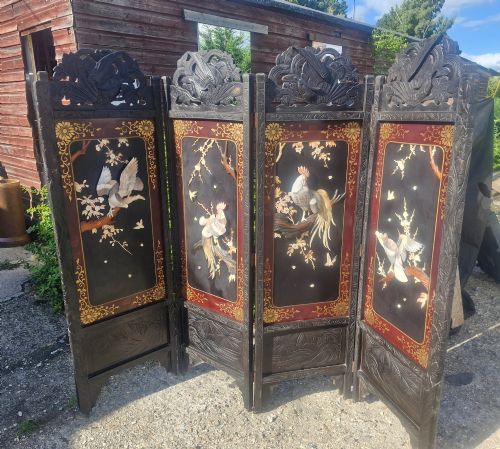
An oriental floor screen functions as a dramatic room divider or folding partition, constructed from multiple hinged panels that stand independently. These panels range from compact three-fold dressing screens to grand eight-fold architectural pieces designed to anchor a large interior.
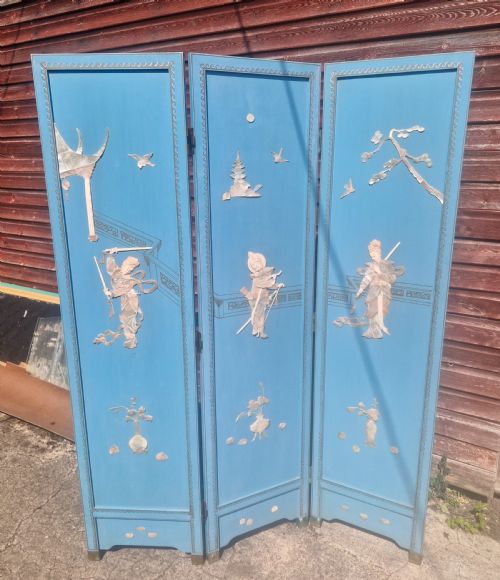
The selections span from eighteenth-century Chinese coromandel lacquer work to early twentieth-century Japanese Meiji exports and Anglo-Indian productions. Buyers frequently encounter lacquered wood frames embellished with applied hardstone, pigment, and intricate bone carvings.
Makers utilised distinct regional traditions, balancing functional utility with decorative storytelling through motifs of dragons, figures, and botanical scenes. Each piece reflects the specific stylistic vocabulary of its period, from Qing Dynasty classicism to later Arts and Crafts interpretations.
How they were made
Carved lacquer techniques define the most substantial examples, where layers of pigmented coating build up on a hardwood substrate before being incised and filled with colour. This labour-intensive method creates a tactile surface with deep relief.
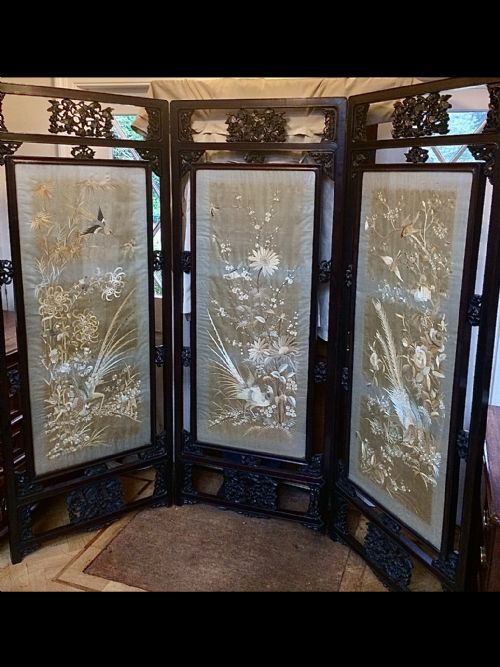
Surface ornamentation often incorporates applied organic materials such as bone and hardstone, secured directly into the wooden framework. Textile elements including woven silk panels also appear, tensioned within folding frames to soften the visual weight.
Structural stability relies on sturdy wooden hinges or traditional metal fixings that allow multi-fold panels to articulate smoothly without sagging. Brass hardware frequently reinforces the joints on heavier eight-panel room dividers.
Some dressing screens double as secret architecture, hiding mundane laundry piles behind imperial dragons.
What varies in quality
Depth of carving and precision of detail separate standard decorative panels from exceptional works. Fine examples exhibit crisp incising in coromandel lacquer and meticulously detailed bone or hardstone figures that retain their original pigments.
The integrity of the wooden substrate and the weight of the lacquer finish dictate the durability and balance of the screen. Superior pieces maintain alignment across multiple folds without warping, supported by robust internal framing and quality hinges.
WILLIAM MORRIS
The Oriental Floor Screen Glossary
- Coromandel lacquer
- A Chinese incised lacquer technique where layers of dark coating are carved away to reveal contrasting colours beneath. The recessed areas are then painted and polished.
- Chinoiserie
- European artistic interpretation of Chinese and East Asian decorative styles, popular across various periods. It frequently employs lacquered surfaces and stylised landscape motifs.
- Meiji
- A period in Japanese history spanning from eighteen sixty-eight to nineteen twelve, known for refined export arts. Work from this era often showcases advanced metalwork, lacquer, and textile integration.
- Hardstone
- Dense decorative minerals such as jade, soapstone, or agate used for applied inlay. Artisans carved these stones into dimensional figures and floral sprays mounted onto dark lacquer backgrounds.
Oriental Floor Screen: Frequently Asked Questions
How do I stabilise a multi-fold screen?
Position the panels in a staggered zig-zag formation rather than pulling them flat. This natural geometry distributes the weight evenly and prevents tipping.
Ensure the screen stands on level flooring to reduce strain on the hinges. Heavy eight-fold pieces require careful adjustment to maintain their freestanding curve.
Can these screens function as permanent room dividers?
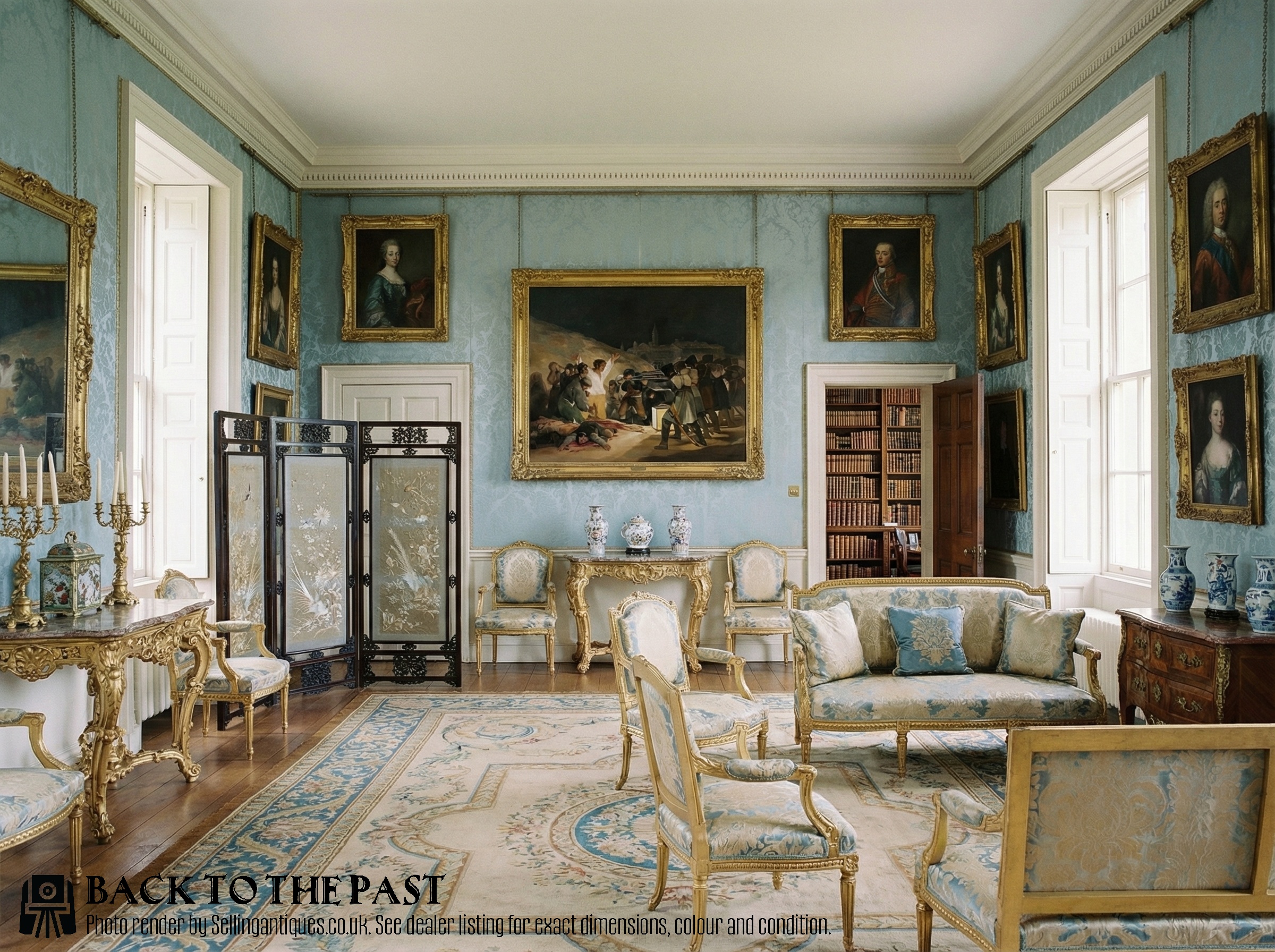
These folding screens suit semi-private zoning in large reception spaces or bedrooms. They create visual boundaries without the need for permanent architectural alterations.
Because they remain portable, you can adjust their position to alter the proportions of a room as needed. Their substantial panel count allows them to span significant widths.
How do I care for antique lacquer?
Dust the surfaces regularly with a soft, dry cloth to prevent particulate buildup. Avoid chemical polishes and modern cleaning agents that can damage historic finishes.
Keep the screen away from direct sunlight and strong heat sources to prevent the wood from warping and the lacquer from cracking. Stable indoor humidity preserves the integrity of applied bone and hardstone.