

Oriental Export Table
Oriental export table pieces bring craftsmanship from distant trades into the room, offering useful surfaces shaped by centuries of cross-cultural design.
Oriental Export Table
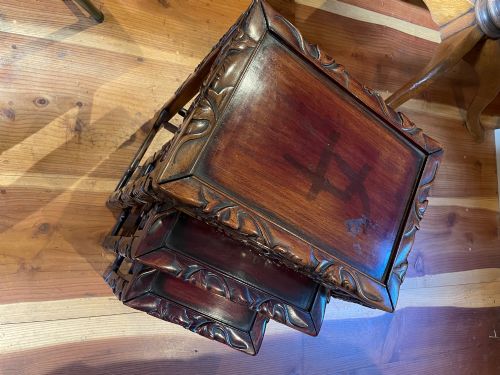
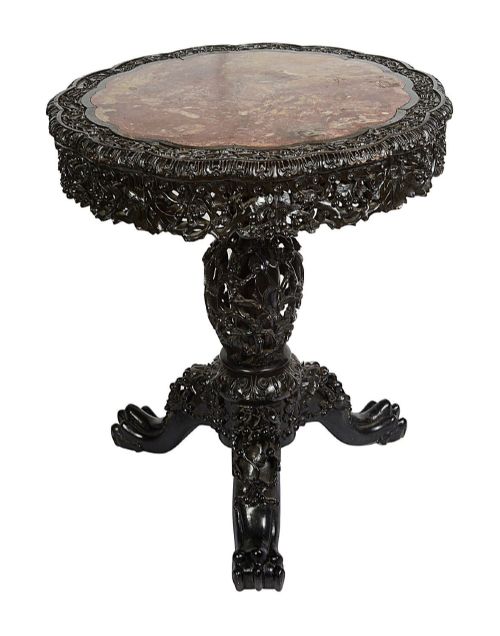
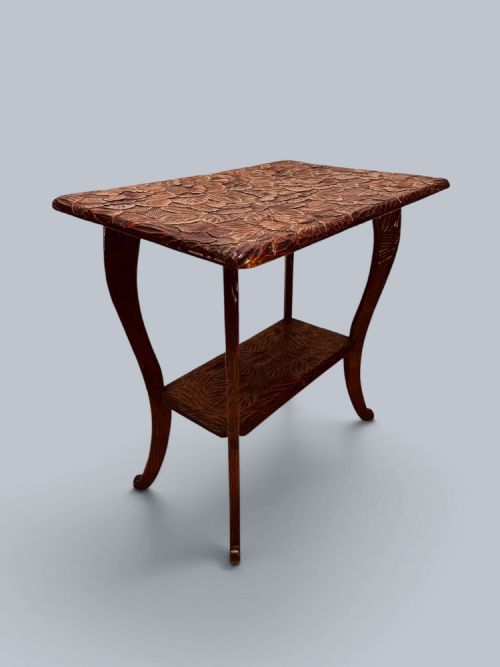
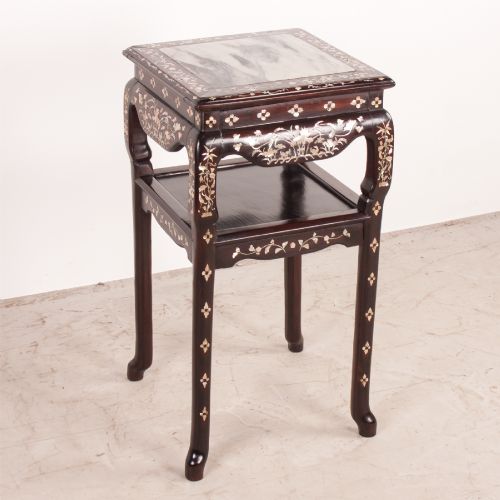
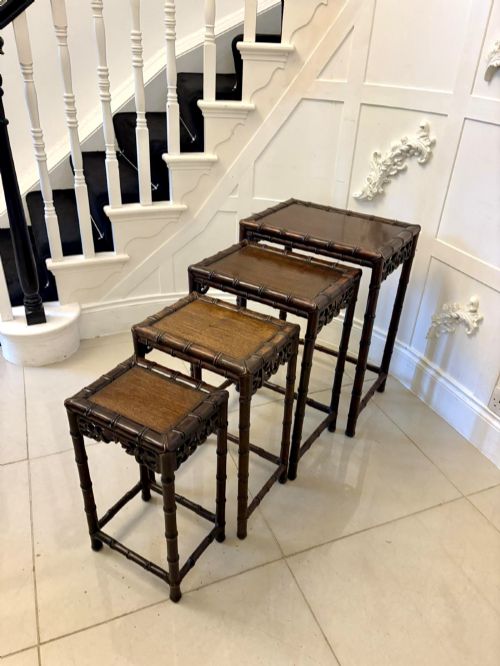
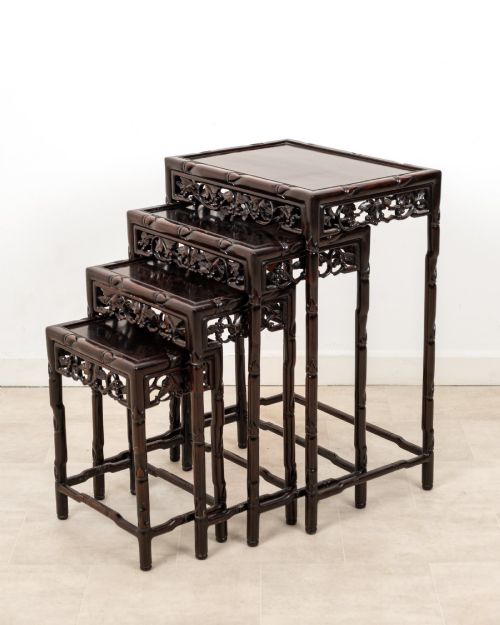
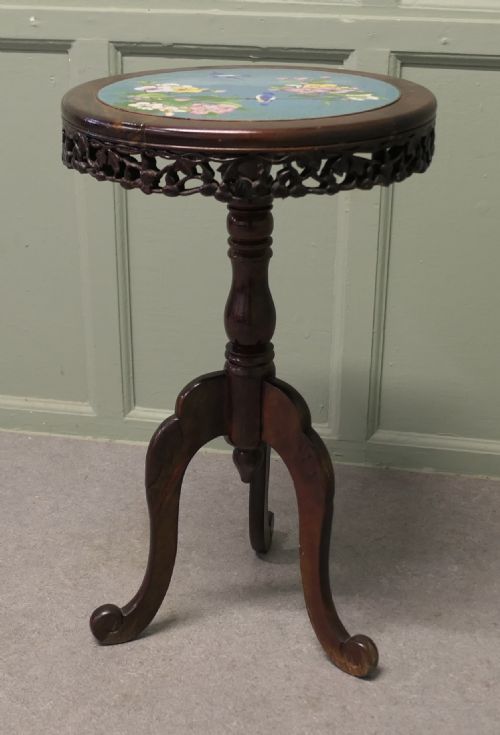
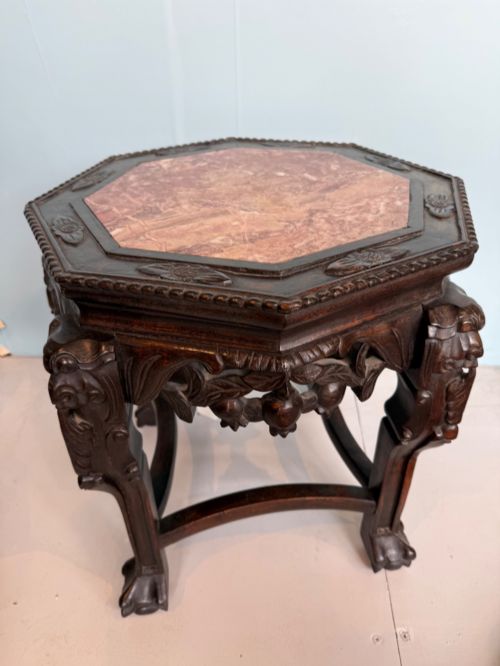
When you search for an oriental export table, you encounter forms built for Western markets by Asian workshops, spanning the eighteenth century through to the early decades of the twentieth century. The selection on this page leans heavily toward nineteenth-century pieces, featuring compact occasional tables, nests of four tables, and heavy hardwood stands topped with marble.
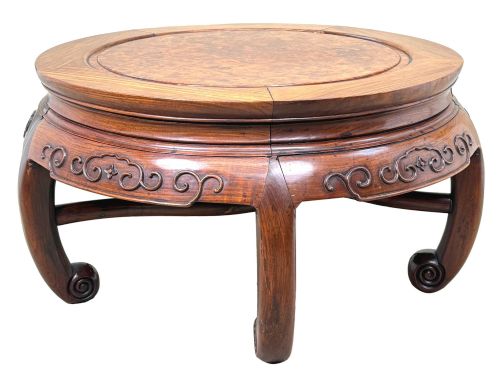
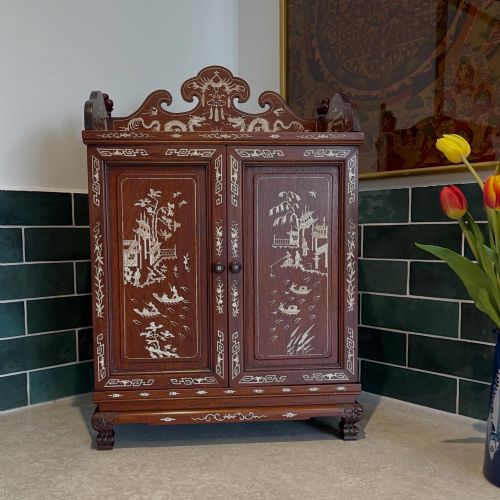
Makers utilised resilient timbers like padouk, rosewood, and hongmu to construct items that needed to survive long sea voyages. Alongside coffee tables and side tables, you find plant stands, wine tables, and smaller table cabinets designed to display curiosities in Victorian parlours.
The aesthetic bridges traditional Chinese motifs, Qing dynasty carving styles, and Anglo-Indian influences adapted for British homes. Buyers select these tables to introduce rich dark woods, intricate mother-of-pearl inlay, and carved dragon details into traditional or eclectic interiors.
Materials and construction methods
Construction relies on dense, durable hardwoods such as padouk, rosewood, and teak, often carved deeply with floral or dragon motifs. Joinery techniques allowed frames to hold heavy rouge marble inserts securely without warping under shifting humidity.
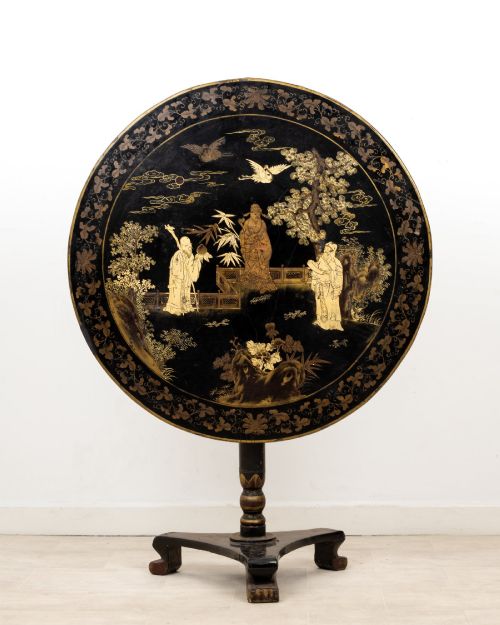
Surface finishes include black lacquer and ebonised treatments, frequently embellished with hand-applied gilding or polished brass mounts. Inlaid mother-of-pearl creates striking tonal contrast against the dark timber backgrounds of occasional and side tables.
Oriental Export Table Retail Price Guide 2026
Typical asking prices for oriental export table among the pieces listed under this phrase on Sellingantiques today, from the lower quarter to the upper quarter. They describe what is for sale here now, not the wider market.
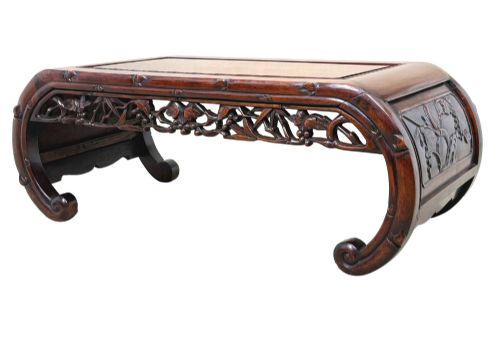
Opium coffee tables sit low to the floor, built for rooms where people gathered on cushions rather than chairs.
Judging the standard of workmanship
Quality reveals itself in the depth and crispness of the hand-carving, where superior examples show sharp relief on dragons, birds, and foliage rather than softened, shallow incisions. The choice of timber dictates durability, with dense hongmu and heavy padouk representing the higher tier of production.
The integration of inset materials separates ordinary items from exceptional ones, particularly the snug fit of marble tops and the precise alignment of mother-of-pearl pieces within the wood. Structural integrity in nested tables and folding stands indicates whether the maker balanced decorative ambition with sound mechanical design.
The Oriental Export Table Glossary
- Hongmu
- A dense, dark tropical hardwood traditionally used in fine Chinese furniture. It translates literally to red wood and provides exceptional weight and durability.
- Jardiniere stand
- A tall pedestal or small table designed specifically to support a ceramic plant pot or flower bowl. These often feature inset marble tops to protect the wood from water damage.
- Chinoiserie
- European imitation and adaptation of Chinese artistic styles, prevalent in decorative arts and furniture design during the eighteenth and early twentieth centuries.
- Padouk
- A heavy, stable timber with a reddish hue used extensively for carved stands and tables exported from Asia. It accepts intricate hand-carving without splintering.
- Cloisonné
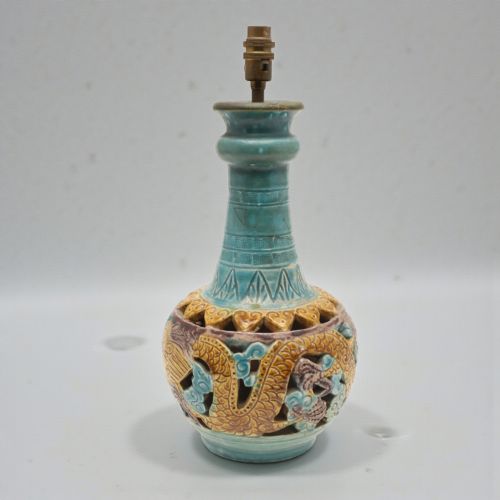
- An ancient technique for decorating metal object surfaces, using enamel compartments separated by thin strips of metal wire. It frequently appears on decorative table lamps and vessels.
Oriental Export Table: Frequently Asked Questions
How do I clean a marble top?
Wipe the surface gently with a soft, damp cloth using mild, pH-neutral soap. Avoid abrasive cleaners or acidic liquids that can etch the polished stone.
Dry the marble thoroughly afterwards with a clean microfiber towel to prevent water spots and maintain the natural lustre of the stone.
Where should I place a nest of tables?
Nests of tables work best beside a sofa or reading chair where surface space is needed intermittently. The graduated sizing allows the smaller tables to tuck neatly away when floor space is required.
Keep them out of direct sunlight to protect the dark hardwood finishes and lacquer work from fading over time.
How do I identify a plant stand?
Plant stands typically feature a tall, slender silhouette with a compact top designed to hold a single vessel rather than serve as a general tabletop. Many incorporate inset marble or tile centres to resist moisture.
They often display sturdy tripod or four-legged bases with bracing designed to bear concentrated vertical weight.
Are these tables suitable for daily use?
Most antique export tables were built using robust hardwoods and sturdy joinery designed for practical household service. Using coasters and placemats helps protect antique lacquer and polished wood from heat and moisture rings.
Regular dusting with a dry cloth keeps the intricate carvings clear without requiring heavy chemical polishes.