

Oriental Export Porcelain
Oriental export porcelain brings together centuries of traded ceramic artistry from China and Japan crafted for overseas markets.
Oriental Export Porcelain
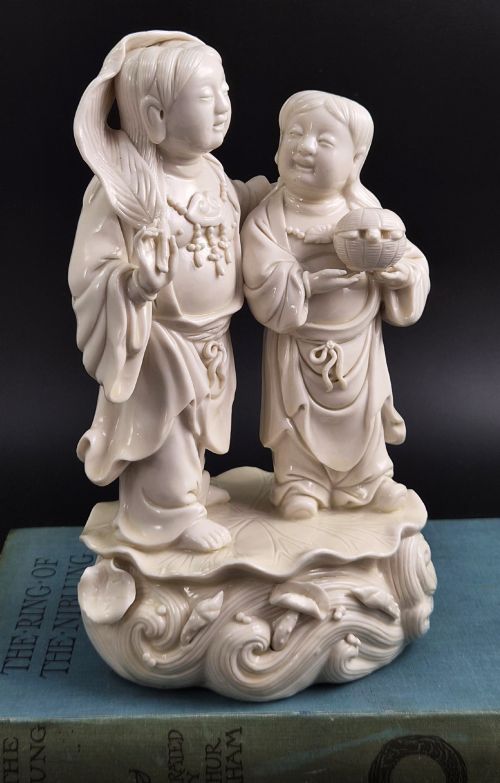
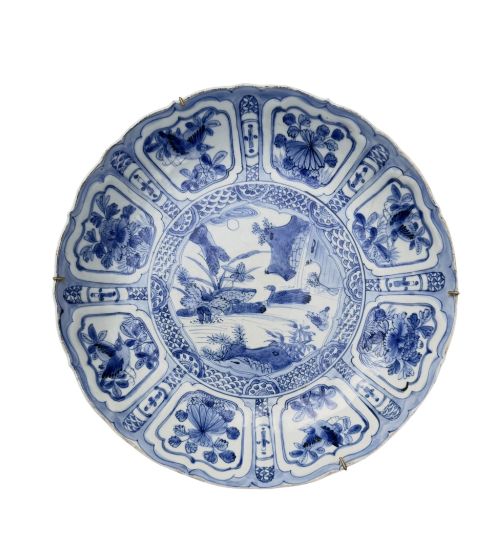
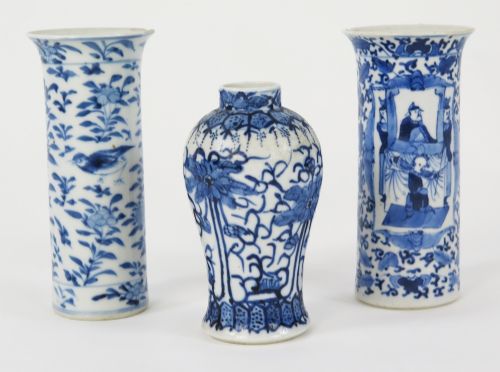
Oriental export porcelain comprises decorative vessels, tableware, and figures made in East Asia specifically for shipping to Western buyers. Collectors searching for oriental export porcelain encounter objects ranging from large chargers and punch bowls to delicate tea wares and vases.
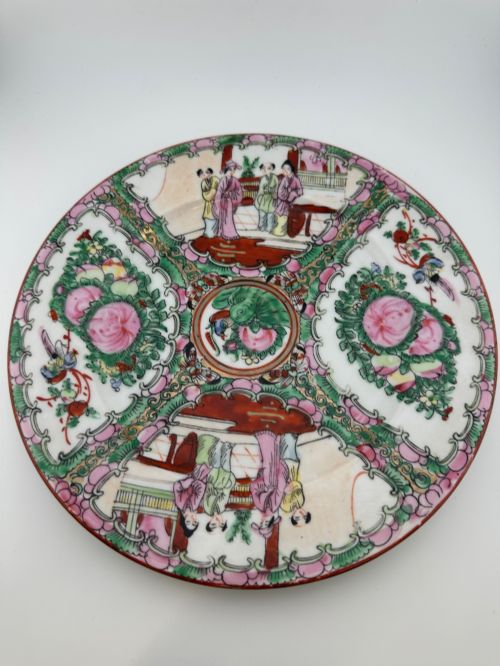
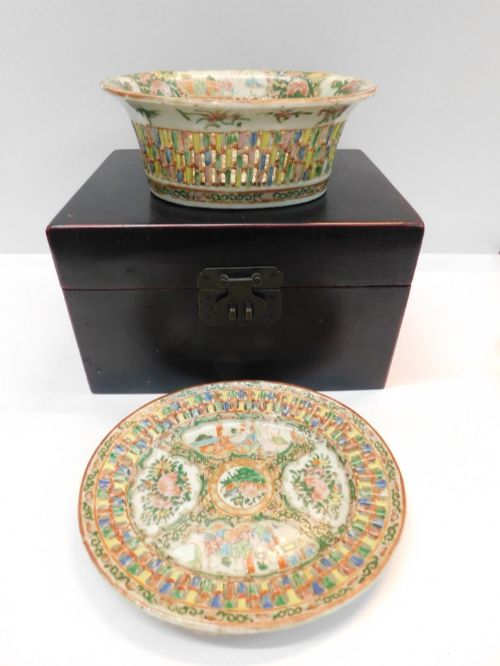
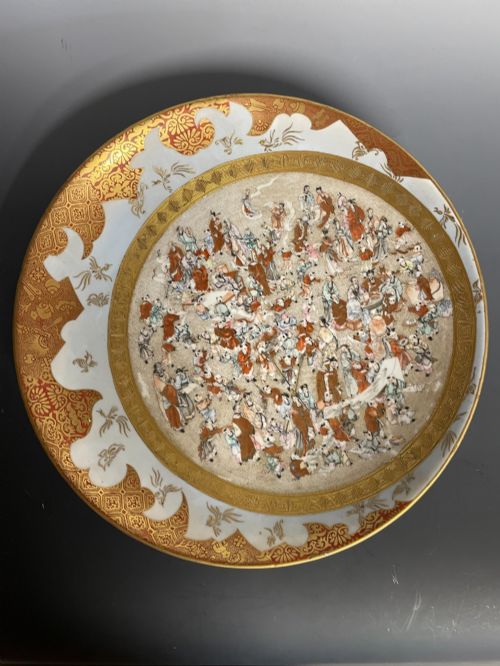
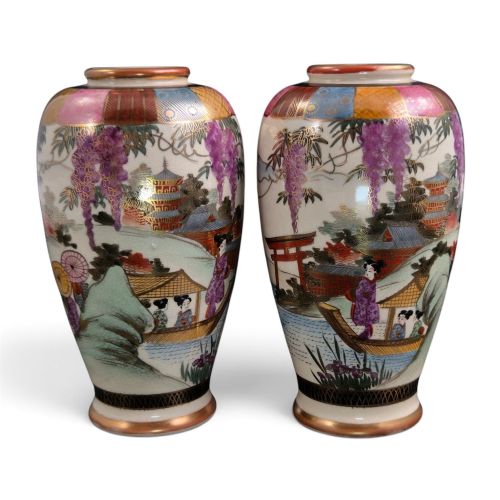
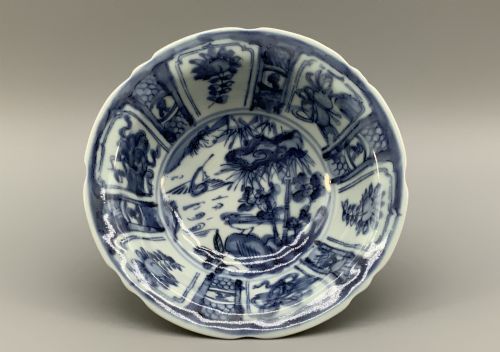
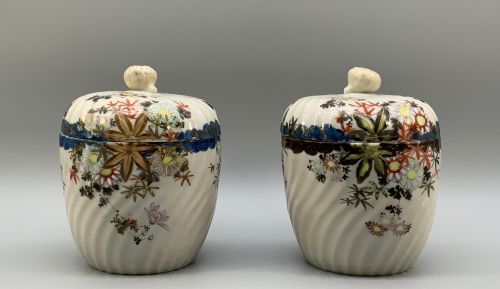
The selections span distinct centuries of production, with strong representations from the Qing Dynasty in China and the Meiji period in Japan. Common forms include lobed bowls, cachepots, and plates decorated with traditional motifs, landscapes, or figural scenes.
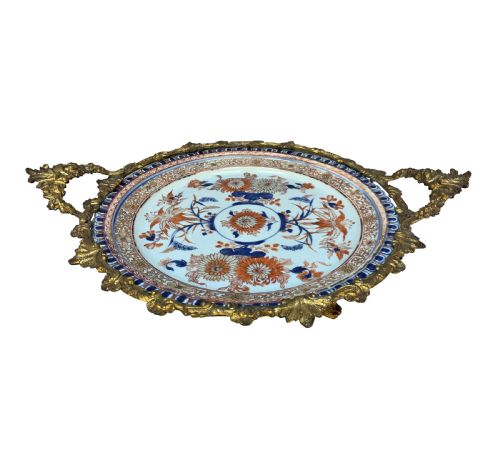
Many pieces reflect the tastes of European and American markets through adapted shapes or added mounts such as ormolu and gilt bronze. These items reveal the long history of commercial exchange between Eastern kilns and Western households.
How they were made
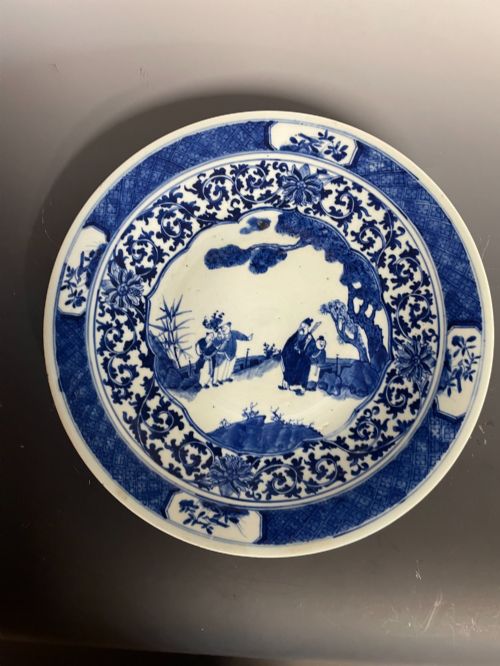
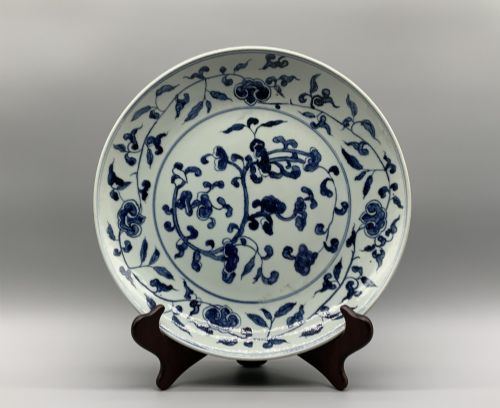
Potters shaped these objects from fine porcelain clay before applying cobalt underglaze pigments or vibrant overglaze enamels. Artisans frequently added gold leaf and gilding to highlight specific details of the hand-painted designs.
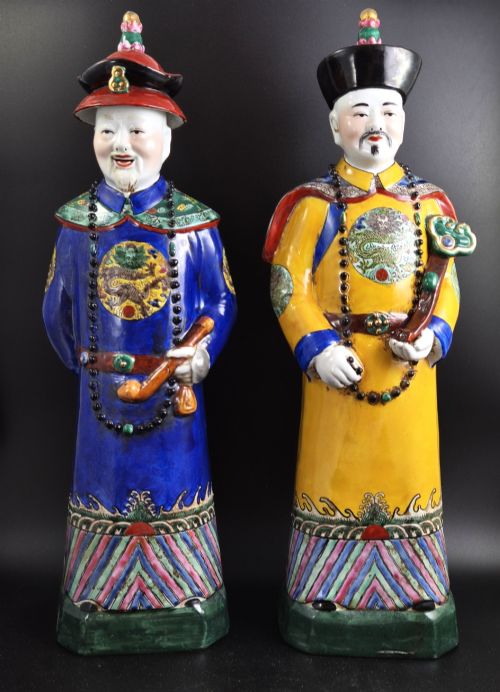
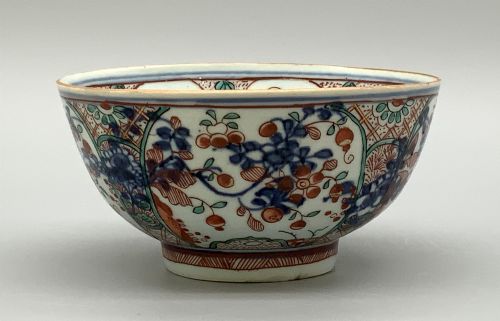
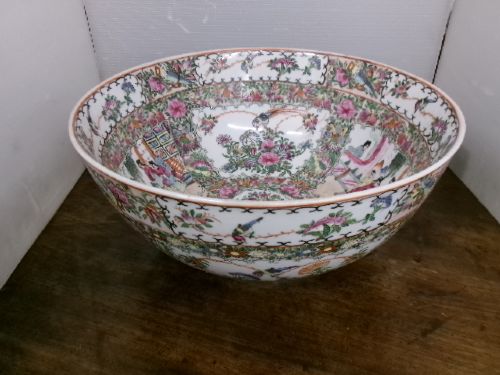
Kiln workers fired the pieces at high temperatures to achieve a hard, vitreous body covered in a clear or tinted glaze. Specific techniques involved complex layering of enamel colours, such as the pink palettes of famille rose or the rich iron reds and blues of Imari wares.
Materials documented across the inventory include cobalt glaze, gold leaf, and overglaze enamel applied to traditional ceramic bodies.
What varies in quality
The distinction between ordinary and superior pieces rests on the precision of the brushwork and the complexity of the painted composition. Skilled painters achieved subtle shading and sharp outlines, whereas lesser examples display hurried execution and simpler motifs.
Kiln control and the purity of the porcelain body also determine grade, with finer items showing smooth glazes and minimal distortion from the firing process. The presence of specialised mounting, such as Ormolu hardware, elevates the overall execution of the object.
The Oriental Export Porcelain Glossary
- Famille rose
- A major palette of Chinese ceramic overglaze enamels dominated by opaque pink or rose colours. This style emerged during the Qing Dynasty and gained immense popularity in export markets.
- Imari
- A traditional Japanese style of porcelain decorated in underglaze blue, iron red, and gold. The technique originated in Arita and was widely exported through the port of Imari.
- Kutani
- Japanese coloured porcelain characterised by rich pictorial designs often featuring greens, blues, yellows, and purples. Production centred on the Kutani kilns during the Meiji period.
- Charger
- A large decorative plate or platter intended for display on a wall or sideboard rather than daily dining. These substantial pieces frequently showcase the most ambitious painted scenes.
- Cobalt underglaze
- A blue pigment applied to the raw porcelain body before glazing and firing. This method ensures the decoration remains permanent beneath the smooth glass surface.
Oriental Export Porcelain: Frequently Asked Questions
How are these porcelain pieces cleaned?
Dust the surface gently with a soft, dry brush to prevent the accumulation of particles on delicate enamel details.
Avoid immersion in water or the use of chemical detergents, particularly on pieces with exposed gold leaf or overglaze decoration.
Were these items used daily?
Many export vessels, such as punch bowls and tea services, served active roles in grand European and domestic dining rituals.
Larger chargers and decorative vases were primarily intended for display in reception rooms to signal the owner's status and global reach.
How can I date an export bowl?
Examine the stylistic markers of the painting, the composition of the glaze, and any reign marks on the base of the vessel.
Comparing the form and palette against documented periods such as the Kangxi or Qianlong eras helps narrow the window of production.
What defines Japanese Imari porcelain?
Japanese Imari is instantly recognised by its dense combination of cobalt blue, iron red, and supplementary gilding. The patterns typically feature intricate floral arrangements, exotic birds, or brocade motifs.
This distinct aesthetic was heavily copied by European kilns after initial shipments arrived via Dutch traders.