



Oriental Decorative Wall Mirrors
Oriental decorative wall mirrors bring distinctive craftsmanship and heritage into a room, offering striking focal points for modern interiors.
Oriental Decorative Wall Mirrors
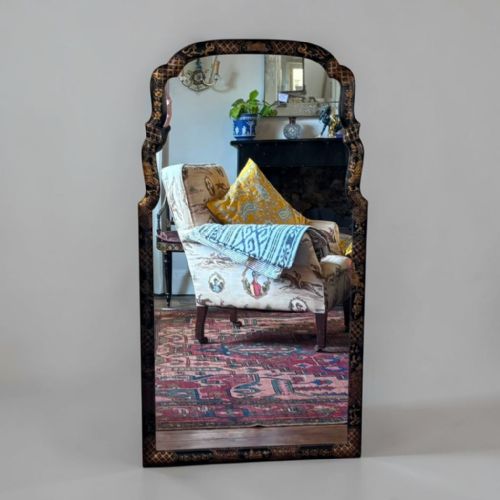
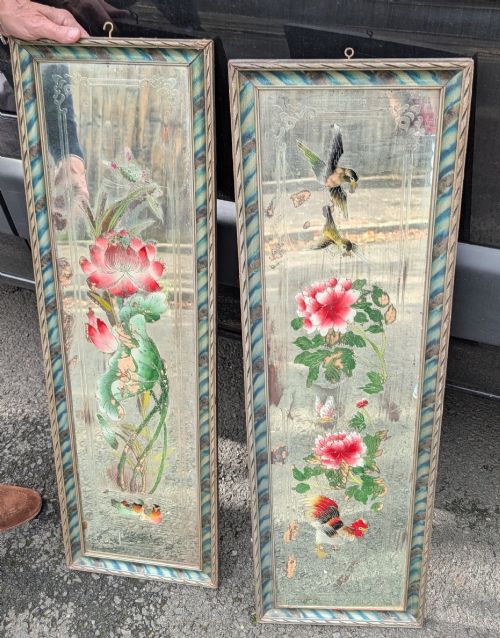
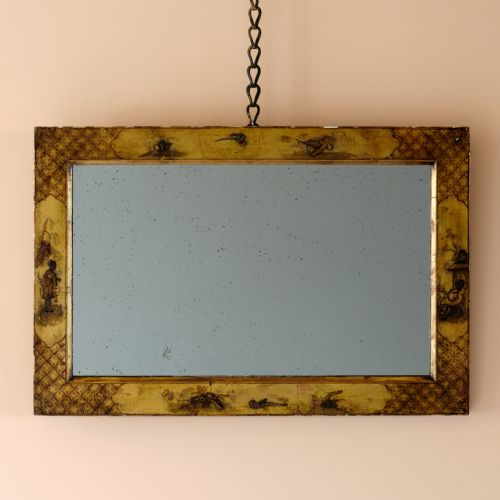
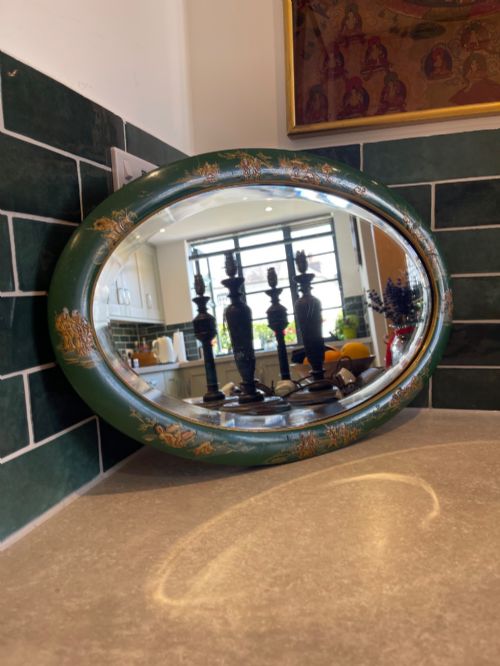
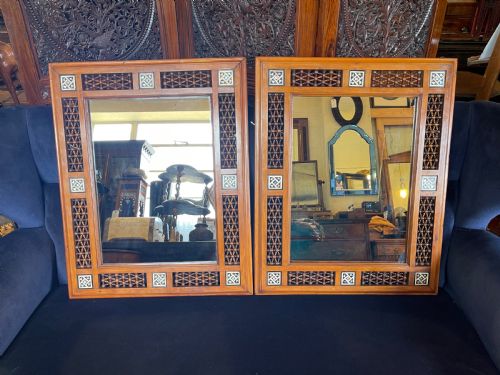
These pieces encompass a diverse range of styles including Chinoiserie, Qing Dynasty, Moorish Revival, and Anglo-Indian designs. Buyers seeking oriental decorative wall mirrors encounter distinctive items originating predominantly from the nineteenth century alongside early twentieth-century examples.
How they were made
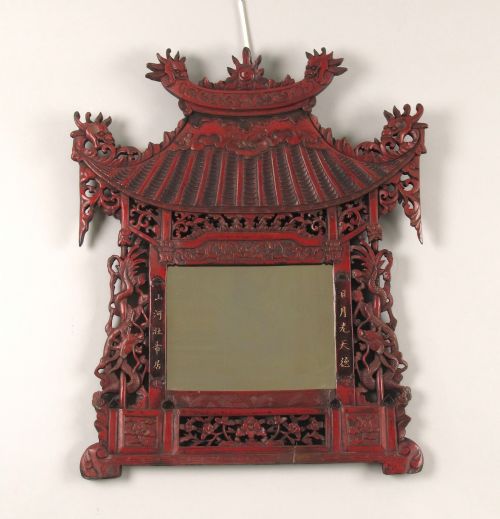
Construction relies heavily on timber substrates finished with lacquer, paint, or giltwood surfaces. Artisans applied traditional decorative techniques to wood and mirror glass to achieve the distinctive painted and lacquered finishes seen on Chinoiserie and Moorish pieces.
Makers utilised specialised joinery and surface preparation to support intricate detailing like red lacquer work and gilded ornamentation. The combination of glass, wood, and applied finishes characterises the physical construction of these wall-mounted pieces.
Several mirrors include architectural pagoda roofs, bringing miniature oriental architecture directly to the wall.
What varies in quality
The refinement of the painted and lacquered decoration largely distinguishes standard examples from finer pieces. Superior items display meticulous detail in their Chinoiserie motifs, giltwood embellishments, and overall surface preservation.
Construction depth and the integrity of the original wooden frames also indicate the standard of manufacture. Pieces featuring complex structural elements like pagoda silhouettes or intricate Anglo-Indian woodwork demonstrate greater artisanal skill.
The Oriental Decorative Wall Mirrors Glossary
- Chinoiserie
- European artistic style reflecting Chinese and East Asian artistic influences, prominent in furniture and decorative arts. This aesthetic often incorporates painted motifs and lacquered surfaces.
- Lacquer
- A durable resin finish applied in multiple layers to wooden surfaces to create a smooth, protective, and decorative coating. It is characteristic of many Asian and influenced European furnishings.
- Giltwood
- Timber that has been decorated with gold leaf or a thin layer of gold paint. This technique adds brightness and emphasis to carved frames.
Oriental Decorative Wall Mirrors: Frequently Asked Questions
Where should I hang an oriental decorative wall mirror?
These mirrors work well in entrance halls, above mantelpieces, or as focal points in living rooms where their distinctive frames can be fully appreciated.
Matching them with simple surrounding decor allows the intricate lacquerwork, gilt, or carved wooden details to stand out without visual competition.
How do I care for a lacquered wall mirror?
Dust the frame regularly with a soft, dry cloth to prevent particulate buildup on the painted or lacquered surfaces. Avoid using chemical cleaners or excessive moisture, which can damage delicate finishes and older wooden joinery.
How can I tell the period of these mirrors?
Dating relies on examining the construction materials, the type of mirror glass used, and the style of the wooden frame. Nineteenth-century examples often display hand-applied lacquers and specific joinery methods distinct from later twentieth-century reproductions.
What is an Anglo-Indian mirror?
An Anglo-Indian mirror represents a fusion of traditional Indian woodworking techniques with British furniture forms. These pieces often feature dense, intricate carving characteristic of regional workshops from the nineteenth century.